


5G RedCap: The Goldilocks of IoT Connectivity
5G RedCap: The Goldilocks of IoT Connectivity

- Last Updated: December 5, 2025
Giesecke+Devrient
- Last Updated: December 5, 2025
When we talk about IoT today, the challenge isn’t simply more connectivity but the right connectivity. Legacy IoT networks like NB-IoT or LTE-M are great for ultra-low power, low-data devices. On the other hand, high-bandwidth applications like autonomous driving or immersive media require more costly and energy-intensive 5G.
However, there is a class of use cases that sits in between. Imagine a traffic camera transmitting HD video continuously, yet run for months on a single battery. Or industrial equipment that requires instant alerts but can’t justify the expense or complexity of full 5G. Even everyday wearables like smartwatches or smart rings need reliable connectivity that won’t exhaust their batteries within hours. These are exactly the kind of deployments that highlight the connectivity gap in the ecosystem.
Enter 5G RedCap, the “just right” connectivity solution that brings many of 5G’s benefits without the unnecessary overhead.
What is 5G RedCap?
5G RedCap (short for “Reduced Capability”) is basically a streamlined, IoT-optimized version of 5G. It’s designed to fit the middle ground between simple, low-data IoT technologies and full-scale 5G.
Instead of the full array of 5G’s capabilities (wide bandwidth, multiple antennas, high modulation complexity), RedCap tones things down, using narrower channels, fewer antennas, and simpler radio requirements.
The result is a connectivity solution that:
- runs on standard 5G networks (no special infrastructure required),
- is more affordable and energy-efficient,
- is easier to integrate into compact or battery-constrained devices.
In short: 5G-class connectivity with IoT-friendly efficiency.
Why it Matters: The Benefits of RedCap
Balanced Performance & Efficiency - RedCap supports typical throughputs between 10–100 Mbps, sufficient for many mid-level IoT applications such as video surveillance, industrial monitoring, or wearable health devices. Compared to earlier low-power IoT technologies, RedCap brings higher data capacity, lower latency, and better network responsiveness, without the complexity of full 5G.
Energy & Cost Efficiency – As RedCap devices are simplified , they consume less power and cost less to manufacture. That helps enable battery-powered devices that can run for months or even years without maintenance, something full-fledged 5G devices cannot economically offer at scale. This dramatically improves the feasibility of large-scale IoT rollouts, from industrial sensors to smart city infrastructure.
A Future-Proof Path for IoT Migration - RedCap is 5G-native, meaning it aligns with the future of mobile networks. As carriers deploy 5G standalone networks, RedCap helps ensure that IoT devices remain compatible with upcoming network generations, providing long-term connectivity for devices with expected lifetimes spanning many years.
For device makers and enterprises, RedCap offers a strategic bridge: enabling a smooth transition from legacy LTE-based IoT toward full 5G without overengineering every device.
Real-World Use Cases
As RedCap balances capability and efficiency, it fits many high-volume IoT use cases, especially those that require a moderate amount of data and reliability but aren’t bandwidth-hungry enough to justify full 5G. Some good fits:
Smart city infrastructure — video-enabled traffic cameras, environmental sensors, remote monitoring systems
Industrial IoT — sensors, machines, logistics robots, condition monitoring that require real-time or near-real-time data, but operate on constrained resources
Wearables & consumer devices — smartwatches, health trackers, VR/XR wearables that benefit from direct network connectivity (vs. tethering), but need low power draw
Utilities and smart-grid devices — smart meters, monitoring systems, remote sensors that need durable, long-lasting connectivity
Why This Matters for IoT Decision-Makers Today
If you’re a leader in manufacturing, logistics, smart-city planning, utilities, healthcare or any enterprise leveraging IoT, here’s why RedCap should be on your radar:
- It offers a sweet spot between performance and cost/efficiency - Good enough speed and latency for many real-world applications, without paying for unnecessary complexity.
- It future-proofs your deployments - Devices remain compatible with evolving 5G networks and can avoid obsolescence as LTE sunsets.
- It enables scalable IoT rollouts - Cost- and energy-efficient devices make mass deployment economically viable.
- It supports secure, long-term operations when paired with proper lifecycle management and identity security techniques.
RedCap as IoT’s Growth Enabler
We believe that 5G RedCap marks a pivotal turning point in the evolution of IoT. It transforms what was once a trade-off into a balanced equation that delivers on both. It opens a path to deploy smart, connected devices at scale, without sacrificing economics, energy efficiency or operational simplicity.
As RedCap adoption grows, and as supporting infrastructure and ecosystem maturity accelerate, we expect this “mid-capability” 5G variant to become a foundational pillar for the next generation of IoT. Because in the world of IoT, sometimes less is more, but only when it’s just right.

The Most Comprehensive IoT Newsletter for Enterprises
Showcasing the highest-quality content, resources, news, and insights from the world of the Internet of Things. Subscribe to remain informed and up-to-date.

New Podcast Episode

Building Real-Time Voice AI Experiences

Related Articles



Related Solutions
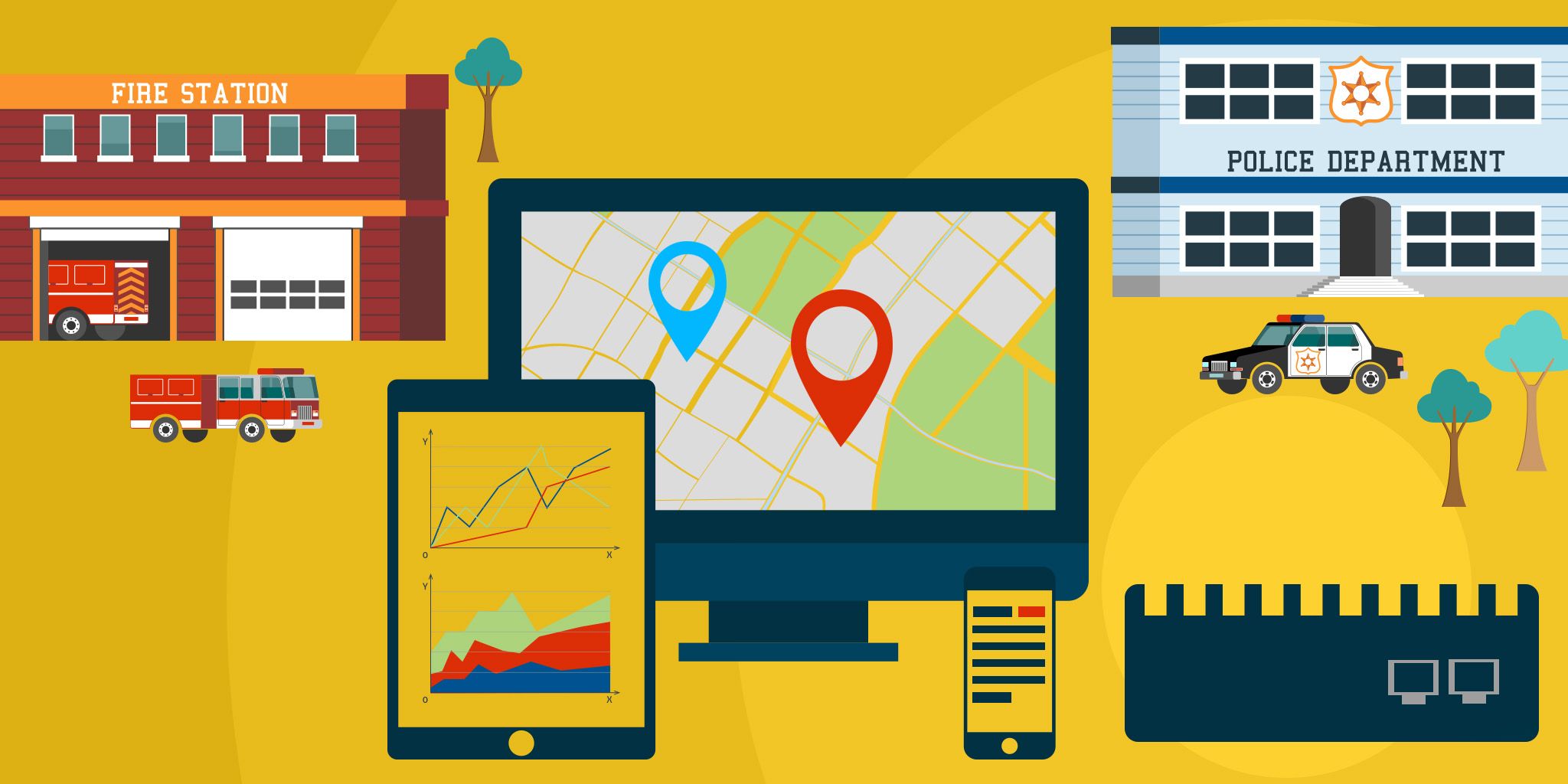
Mobile Networking for Public Safety
Enable data sharing, enhanced situational awareness, and secure communication across vehicles, devices, and command centers.
Enable data sharing, enhanced situational awareness, and secure communication across vehicles, devices, and command centers.
Digi
Digi

Primary and Failover Connectivity for Retail
4G/5G cellular networks for enabling uninterrupted retail operations with seamless support and rapid deployment across stores.
4G/5G cellular networks for enabling uninterrupted retail operations with seamless support and rapid deployment across stores.
KORE
KORE

5G Connectivity for Public Transit
Enhance efficiency, safety, security, and passenger experience with future-proof 5G connectivity.
Enhance efficiency, safety, security, and passenger experience with future-proof 5G connectivity.
Digi
Digi

Related Solutions
Smart Cities
Mobile Networking for Public Safety
Enable data sharing, enhanced situational awareness, and secure communication across vehicles, devices, and command centers.
Digi
Retail
Primary and Failover Connectivity for Retail
4G/5G cellular networks for enabling uninterrupted retail operations with seamless support and rapid deployment across stores.
KORE
Smart Cities
5G Connectivity for Public Transit
Enhance efficiency, safety, security, and passenger experience with future-proof 5G connectivity.
Digi