



Why AI Chips Are Becoming Communication Platforms
Why AI Chips Are Becoming Communication Platforms

- Last Updated: September 10, 2026
Xiao Dong Feng
- Last Updated: September 10, 2026
For decades, semiconductor innovation followed a familiar path. Each new generation of chips became faster, smaller, and more power-efficient. Connectivity steadily improved as Wi-Fi, Bluetooth, Zigbee, Thread, and Matter became standard features across embedded platforms. More recently, AI accelerators and neural processing units (NPUs) shifted the industry's attention toward running machine learning models directly on edge devices.
Now another capability is moving closer to the silicon. Conversation. One of the clearest signals is the recent emergence of embedded WebRTC support from semiconductor vendors, including Espressif's ESP-WebRTC initiative for the ESP32 family.
At first glance, this may look like another software framework or developer SDK. I think it represents something much more significant. It suggests that chip vendors are beginning to view real-time communication as a core platform capability rather than an application feature.
For years, communication technologies were largely the responsibility of software developers. Hardware provided connectivity, while applications determined how people interacted with devices. AI is beginning to blur that separation. As voice becomes the primary interface for many intelligent products, communication is becoming inseparable from the hardware platform itself.
In other words, chips are no longer being designed simply to connect devices. They are increasingly being designed to help devices participate in conversations.
Computing Era Changes
Looking back, each major shift in computing has changed how semiconductor platforms are designed. The personal computer era pushed hardware vendors to support increasingly sophisticated graphics, multimedia, and local processing.
The smartphone era made wireless connectivity, cameras, sensors, and power efficiency essential capabilities rather than premium features. The edge AI era introduced dedicated hardware for running machine learning models efficiently on-device.
Today, conversational AI is creating another shift. Users no longer expect intelligent devices to simply detect objects, classify images, or execute commands. Increasingly, they expect devices to answer questions, explain decisions, provide guidance, and maintain natural dialogue. Whether the product is a robot, an educational device, an industrial assistant, or a healthcare application, interaction itself is becoming a primary feature.
That changes what hardware platforms need to enable. Instead of treating voice as another peripheral, semiconductor companies are beginning to build platforms that assume continuous, real-time interaction will be part of the product from the very beginning. Embedded WebRTC is one of the earliest indicators of this transition.
Why WebRTC Matters
For much of its history, WebRTC was associated with browsers. It enabled video meetings, customer support, online education, and collaboration software by making real-time voice, video, and data communication easier to deploy across the web.
That history makes its arrival in embedded systems particularly interesting. Chip manufacturers are not adopting WebRTC because they want microcontrollers to host video conferences. They are responding to a broader change in how connected devices are expected to behave.
Over the past two years, advances in multimodal AI have transformed spoken conversation from a niche interface into a practical way of interacting with technology. New generations of foundation models can process streaming audio, respond conversationally, and handle interruptions with a level of fluidity that was difficult to achieve only a few years ago.
As those models become more accessible, hardware developers naturally want to bring them into physical products. Doing that requires something many embedded platforms were never originally designed to provide: reliable, low-latency, bidirectional communication between devices, cloud services, and AI models.
Embedded WebRTC offers a practical starting point. Rather than asking every development team to build real-time communication capabilities from scratch, semiconductor vendors can provide a common foundation that developers can build upon. Much as Wi-Fi and Bluetooth eventually became expected capabilities of modern hardware platforms, embedded real-time communication is beginning to follow a similar path. The technology itself is important. But the larger story is what it enables.
Lowering the Barrier for Hardware Innovation
One of the most significant effects of embedded WebRTC may have little to do with the protocol itself. Instead, it changes who can build AI hardware. Historically, developing products with real-time voice capabilities required expertise that extended well beyond embedded engineering. Teams often needed specialists in media transport, signaling, networking, cloud infrastructure, and communications before they could begin refining the user experience.
That naturally limited innovation to organizations with significant engineering resources. Today's hardware ecosystem looks very different. A small startup can purchase an AI-capable development board, connect it to a foundation model, and prototype a conversational product in a matter of weeks rather than months. Much of the foundational communication infrastructure is increasingly becoming part of the platform rather than something every team must reinvent independently.
This lowers both development cost and technical risk. More importantly, it allows engineers to spend less time recreating existing infrastructure and more time solving domain-specific problems.
An education company can focus on learning experiences rather than communication protocols. A robotics company can refine autonomous behavior instead of building media transport from first principles. Healthcare developers can concentrate on patient workflows rather than low-level networking. As foundational capabilities become standardized, innovation naturally shifts upward. That is often how technology ecosystems mature.
When Foundational Technologies Become Standard
Technology markets tend to evolve in predictable ways. The first phase is invention. A new capability appears, and only a handful of companies know how to build it. The second phase is adoption. More vendors begin offering similar capabilities, making the technology accessible to a much broader developer community.
Eventually, the capability becomes expected. Ethernet followed this path. So did Wi-Fi, Bluetooth, USB, and hardware AI acceleration. Each was once considered a significant competitive advantage before becoming a standard feature of modern platforms.
I believe embedded real-time communication is entering the same transition. As more semiconductor vendors integrate WebRTC and similar technologies into their development platforms, real-time communication itself will become less of a differentiator. Developers will simply assume that conversational connectivity is available, much as they already assume support for wireless networking or edge AI inference. When that happens, competition naturally moves elsewhere.
Developer Experience
History shows that standardization rarely reduces innovation. Instead, it shifts innovation to a higher layer. Once developers no longer need to spend months building the foundations of real-time communication, they begin asking different questions.
- How easily can this chip connect to different AI models?
- Can I switch from one speech recognition provider to another without redesigning my application?
- Are there production-ready reference designs that reduce development time?
- How mature are the software tools?
- Can this platform scale from a proof of concept to commercial deployment?
These questions increasingly determine which semiconductor platforms developers choose. That distinction may sound subtle, but it fundamentally changes how value is created. Hardware capabilities remain important, but the surrounding developer ecosystem becomes equally influential.
Hardware Platforms as Ecosystems
This is one of the most interesting changes I see across the industry. Semiconductor companies are no longer competing solely on silicon. They are building complete development platforms.
A modern hardware platform includes SDKs, cloud integrations, AI model compatibility, documentation, developer communities, certification programs, and reference applications. Increasingly, it also includes partnerships that help customers move from evaluation boards to production devices more efficiently.
We've seen this pattern before. Smartphone operating systems succeeded not simply because of processor performance, but because they attracted thriving developer ecosystems. Cloud platforms became indispensable because they made it easier for organizations to build and operate applications.
The same evolution is beginning to take shape in AI hardware. Developers evaluating embedded platforms increasingly look beyond processor specifications. They also consider how quickly they can integrate AI services, test new interaction models, update devices over time, and support products throughout their lifecycle. The platform is becoming more important than the chip alone.
Open Ecosystem for Physical AI
This shift also changes how companies collaborate. No single organization is likely to provide every component required for AI-native devices.
Semiconductor companies continue advancing compute efficiency and edge AI. Foundation model providers continue improving reasoning, multilingual capabilities, and multimodal understanding. Cloud providers offer scalable infrastructure. Device manufacturers create products tailored to specific industries and users. Infrastructure providers focus on enabling reliable communication between these different layers.
Rather than competing directly, these participants increasingly depend on one another. This is why open standards matter. Embedded WebRTC is valuable not simply because it provides real-time communication, but because it creates a common foundation that different technologies can build upon.
It reduces fragmentation, shortens development cycles, and allows innovation to happen where it creates the greatest value: in the products themselves. For hardware developers, that interoperability may prove more important than any individual protocol or software framework.

The Most Comprehensive IoT Newsletter for Enterprises
Showcasing the highest-quality content, resources, news, and insights from the world of the Internet of Things. Subscribe to remain informed and up-to-date.

New Podcast Episode

Building Real-Time Voice AI Experiences

Related Articles



Related Solutions
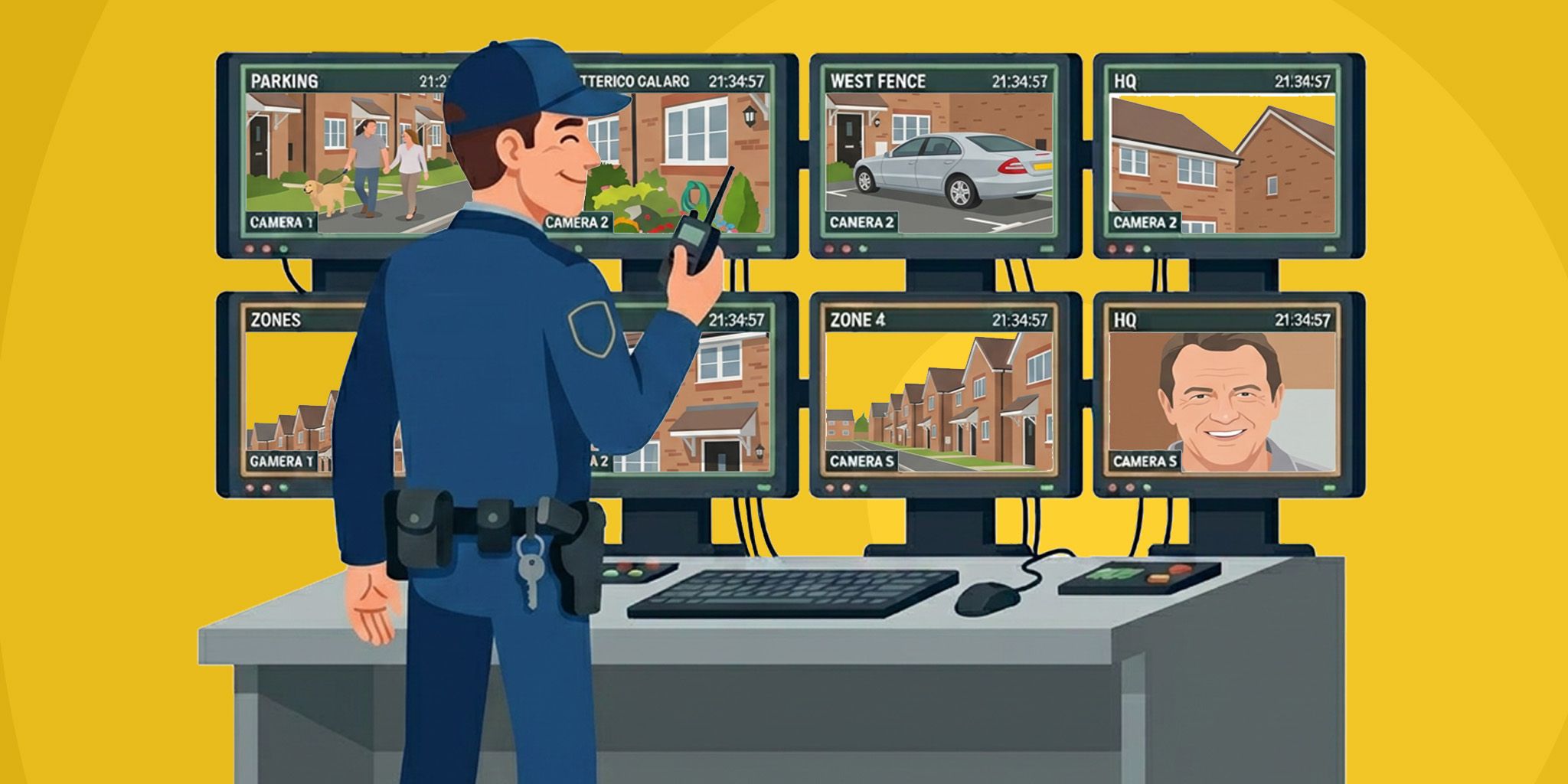
Smart Community Management for HOAs
AI-powered community monitoring with real-time visibility into entrances, parking, and shared spaces.
AI-powered community monitoring with real-time visibility into entrances, parking, and shared spaces.
Iveda
Iveda
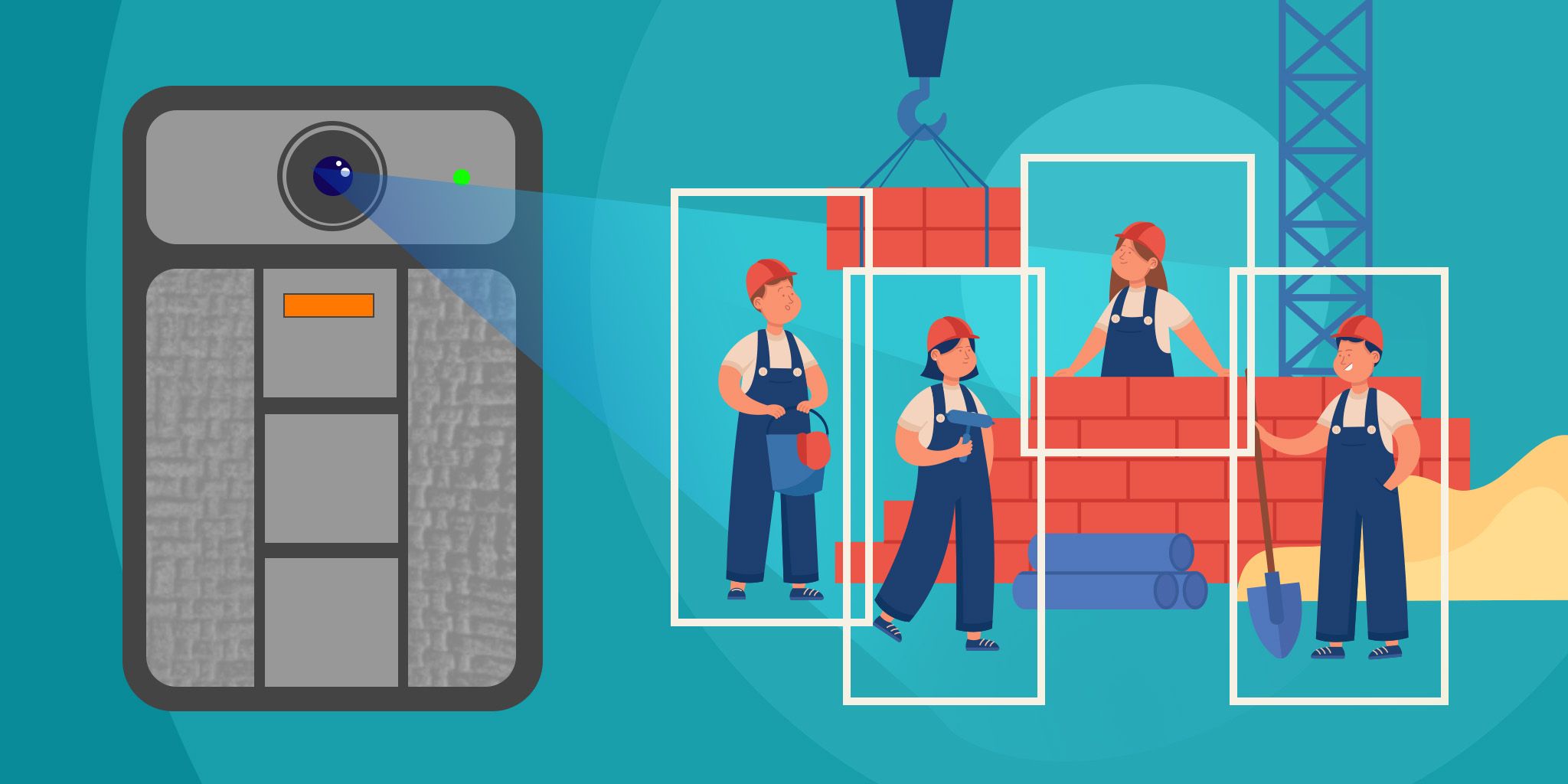
Construction Site Safety Monitoring
AI-powered wearables for real-time PPE compliance monitoring, hazard detection, and incident documentation.
AI-powered wearables for real-time PPE compliance monitoring, hazard detection, and incident documentation.
Iveda
Iveda

Workers' Compensation Fraud Prevention
Quickly verify claims, reduce investigation time, and protect your bottom line with AI-powered video surveillance and analytics.
Quickly verify claims, reduce investigation time, and protect your bottom line with AI-powered video surveillance and analytics.
Iveda
Iveda

Related Solutions
Buildings & Facilities
Smart Community Management for HOAs
AI-powered community monitoring with real-time visibility into entrances, parking, and shared spaces.
Iveda
Construction
Construction Site Safety Monitoring
AI-powered wearables for real-time PPE compliance monitoring, hazard detection, and incident documentation.
Iveda
Construction
Workers' Compensation Fraud Prevention
Quickly verify claims, reduce investigation time, and protect your bottom line with AI-powered video surveillance and analytics.
Iveda