
AI Glasses and the Consumer IoT Adoption Problem: Why Specs Aren't Enough
AI Glasses and the Consumer IoT Adoption Problem: Why Specs Aren't Enough

- Last Updated: September 10, 2026
Ben Hartwig
- Last Updated: September 10, 2026
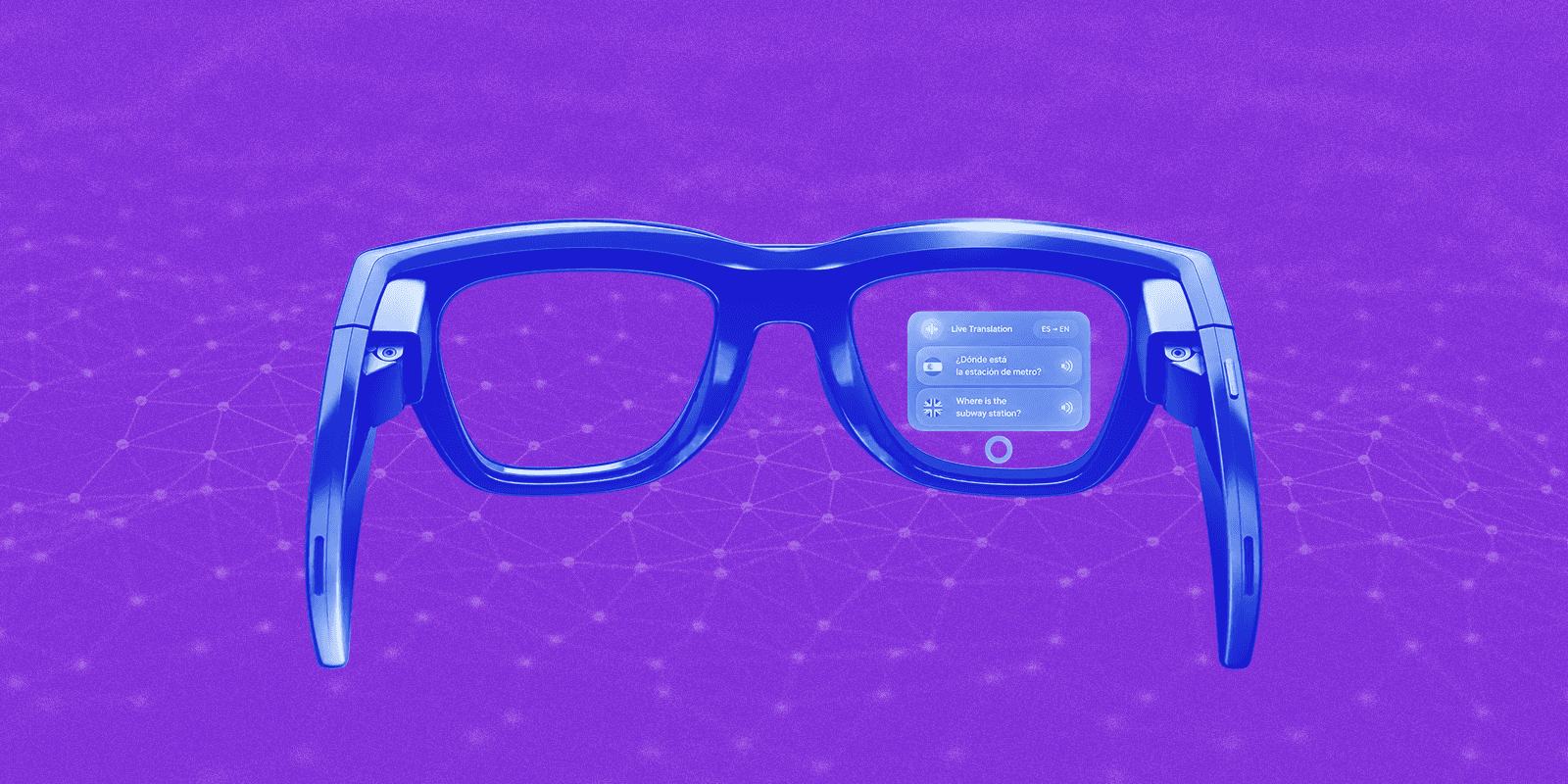
Consumer IoT has a recurring pattern worth paying attention to. A new category arrives with strong technical fundamentals: the hardware is capable, the connectivity stack works, the use cases are real. And then adoption stalls. Not because the technology failed, but because the path from "technically viable" to "in the hands of the right people, used correctly" turns out to be harder than anyone planned for.
Smart home devices went through this. Fitness trackers went through this. Early smartwatches went through this. AI glasses are in the middle of it right now.
Understanding why that pattern happens and what has historically broken it matters for anyone building or evaluating connected hardware in this space.
The Discovery Problem in Consumer IoT
When a new IoT device category matures to the point of having multiple credible products at similar price points, a discovery problem emerges. Buyers cannot easily distinguish between devices that look similar on paper but perform very differently in practice. The most technically informed buyer might be able to read through datasheets and make a reasonable call. Most cannot, and should not have to.
This is not a marketing problem — it is a category architecture problem. The information asymmetry between what a spec sheet communicates and what a device actually feels like to use, in context, is too large to close through web research alone.
As consumer IoT adoption research consistently shows, physical retail touchpoints play a disproportionate role in crossing the gap between initial awareness and actual purchase for connected hardware.
For AI glasses specifically, this discovery gap is wider than for most IoT categories. The reasons are specific to the form factor.
Why Wearables Are Harder to Evaluate Than Other IoT Devices
A smart thermostat gets mounted on a wall. A connected sensor goes in a drawer. Neither of these needs to fit a person's body or perform appropriately in a social context.
Glasses are different on both counts.
Physical fit is a specification. Frame width, nose pad design, and weight distribution determine whether a device can be worn for three hours or eight. This is not a preference variable; it is a functional requirement. Two devices with identical AI capability can produce completely different adoption outcomes based on comfort alone.
Research on wearable abandonment shows that roughly one in ten wearable device owners stop using their device within a couple of weeks of purchase. Fit and comfort are consistently among the primary reasons.
Social context is a specification. AI glasses worn in professional or social settings need not visually signal "I am wearing a piece of technology." This sounds superficial. It is not; it determines whether the device changes behavior in the people around the wearer, which directly affects the quality of the interactions the device is supposed to enhance.
A device that looks conspicuously like hardware produces different outcomes than one that reads as ordinary eyewear, even if their technical specs are identical.
Neither of these specifications is captured in a datasheet. Both can only be assessed through physical evaluation.
What Good Curation Looks Like in This Space
The categories that have broken through the consumer IoT adoption plateau have generally had one thing in common: a retail layer that does the curation work that consumers cannot do for themselves. Not just distribution, but active curation, where a knowledgeable channel pre-selects for quality, compatibility, and fit within a trusted context.
A dedicated range of Meta AI glasses curated within a trusted eyewear retail context is one example of what this looks like in practice. The range consolidates the leading options in a retail environment that already has established trust and in-store expertise around eyewear fit.
For a category where physical evaluation is a functional requirement rather than a preference, that combination curated selection, physical try-on, knowledgeable staff addresses the discovery gap more directly than any online configurator or comparison table can.
This is not just a retail strategy observation. It is an IoT ecosystem observation. In the categories where retail curation was absent or weak early smart home hubs, the first generation of standalone fitness trackers saw slower and more fragmented adoption than the categories where a trusted retail channel did active selection work for consumers.
What This Means for the AI Glasses Category
The AI glasses market is at a point where the technical quality is high enough that consumer adoption can accelerate, but the discovery infrastructure is still catching up. GlobalData identifies smart glasses as the fastest-growing wearable segment through 2030, with enterprise and consumer adoption both contributing. Whether the consumer side of that forecast materializes depends partly on how well the ecosystem solves the evaluation and discovery problem.
The historical pattern in consumer IoT suggests that the answer will involve physical retail more than the industry's instinct toward direct-to-consumer channels might suggest. Categories that require physical evaluation to make a good purchase decision — and AI glasses clearly do need the retail layer to do substantive curation work, not just to function as a distribution point.
For IoT practitioners thinking about how connected hardware categories graduate from early adoption to mainstream penetration, the AI glasses market is a useful one to watch. It is large enough to matter, specific enough that the adoption dynamics are readable, and currently at exactly the inflection point where the retail and discovery infrastructure tends to determine whether the trajectory bends toward mainstream or stalls.
Conclusion
The technical story of AI glasses is largely written. The hardware works. The connectivity architecture is sound. The edge/cloud partition is appropriate for the use case. What remains is the consumer IoT adoption problem, which is not a technology problem at all.
It is a discovery, evaluation, and curation problem that the ecosystem is still working out. How well the retail layer rises to meet it will say a lot about where this category lands over the next three years.

The Most Comprehensive IoT Newsletter for Enterprises
Showcasing the highest-quality content, resources, news, and insights from the world of the Internet of Things. Subscribe to remain informed and up-to-date.

New Podcast Episode

Building Real-Time Voice AI Experiences

Related Articles