



How AI-Powered Fit Prediction Is Turning Purchase Data Into Fewer Returns
How AI-Powered Fit Prediction Is Turning Purchase Data Into Fewer Returns

- Last Updated: August 18, 2026
Ben Hartwig
- Last Updated: August 18, 2026

Online retail has solved many shopping problems, but fit remains one of the hardest. A product can look perfect on the screen and still disappoint when it arrives. The color may be right. The style may match. The price may make sense. But if the item feels too tight, too loose, too wide, too narrow, too heavy, or simply different from what the customer imagined, it is likely to come back.
For retailers, those returns are expensive. They affect margins, inventory planning, customer satisfaction, shipping costs, and sustainability goals. For shoppers, they create frustration and hesitation. The more uncertain a customer feels about fit, the more likely they are to delay the purchase, order multiple versions, or avoid buying altogether.
AI-powered fit prediction is trying to close that gap. Instead of asking customers to rely only on static size charts, retailers are using machine learning, purchase history, return data, customer feedback, and virtual try-on tools to help shoppers make more confident decisions before checkout.
What Fit Prediction Actually Does
Fit prediction uses data to estimate how well a product is likely to work for a specific customer before they buy it.
Traditional size charts are static. They may show chest, waist, hip, frame, or shoe measurements, but they do not always explain how a product behaves in real life. A “medium” in one brand may feel different from a “medium” in another. A shopper may prefer a loose fit in one category and a closer fit in another. Two products with similar measurements may still fit differently because of material, shape, stretch, cut, or construction.
AI-powered fit prediction moves beyond that fixed-chart approach. It looks at patterns from previous orders, returns, exchanges, product measurements, reviews, and fit-related feedback. The goal is not only to say, “This is the size chart.” The goal is to estimate, “Based on what we know, this is the option most likely to work for this shopper.”
That makes fit prediction probability-based. The system is not guessing blindly. It is learning from past interactions and improving as more data becomes available.
The Data Behind Better Recommendations
A useful fit model needs more than product dimensions. It needs context.
Retailers may use past purchase history to understand what a customer has bought before, what they kept, what they returned, and which sizes worked across different brands. They may also analyze return reasons, such as “too small,” “too large,” “too narrow,” “too long,” or “did not fit as expected.”
Cross-brand sizing data is especially valuable. Many shoppers already know they wear one size in a familiar brand, but that knowledge does not always transfer. AI can help translate those patterns by comparing how customers move between brands, categories, and product types.
Customer reviews can also add another layer. If many buyers say a product runs large, feels tight in the shoulders, or fits smaller than expected, that information can improve future recommendations. Research into personalized size and fit recommendations has shown how machine learning can use customer and product data to improve fit prediction beyond static sizing rules.
The more relevant the data, the better the system can reduce uncertainty.
Why This Matters for Returns
Returns are not always caused by poor product quality. Many happen because expectation and reality do not match.
In fashion, footwear, eyewear, and accessories, fit-related uncertainty is a major reason shoppers hesitate or return items. Customers may order two or three sizes to compare at home, then send back the rest. This behavior helps the shopper manage uncertainty, but it creates cost and complexity for the retailer.
AI fit prediction tries to reduce that uncertainty earlier in the journey. If the recommendation is accurate enough, shoppers may feel less need to order multiple versions of the same product. They may also make faster decisions because the product page gives them more confidence.
Still, fit prediction should not be treated as a full fix for returns. Even strong models cannot eliminate every mismatch. Preferences are personal. Body shape, comfort, style expectations, and use cases vary. The goal is incremental improvement: fewer avoidable returns, better customer confidence, and more useful product guidance.
Where AR and VR Fit In
Fit prediction is mostly about data. AR and VR are mostly about experience.
A machine learning model may help answer, “Which size or version is most likely to work for me?” AR and VR tools help answer, “How will this look or feel in context?”
That visual layer matters. A shopper may know the recommended size but still wonder whether a frame shape suits their face, whether a product looks bulky, or whether the scale feels right. AR virtual try-on can reduce that uncertainty by letting shoppers preview a product before purchase.
Eyewear is one of the clearest examples. A shopper can use virtual try-on to see how different frames look on their face, compare styles, and decide whether the shape works for them. For example, someone considering smart eyewear may find value in trying out the Ray-Ban Meta glasses online before deciding whether the style and overall look suit them.
In that case, AR handles the appearance and spatial side of fit, while predictive models handle the sizing and probability side. Together, they create a more complete decision layer.
Why Fit Prediction and Virtual Try-On Work Better Together
Fit prediction and virtual try-on solve different parts of the same problem.
Fit prediction is strongest when the question is functional. Will this size work? Is this product likely to be too small? Should the shopper size up? Does this item fit similarly to something the shopper already owns?
Virtual try-on is strongest when the question is visual. Does this look good on me? Is the shape flattering? Does the product feel too large on my face or body? Does the style match what I expected?
When combined, the two technologies can support both confidence and clarity. A shopper may receive a size recommendation, then use AR to preview the product visually. This creates a more informed purchase decision than either tool could provide alone.
Research into virtual try-on applications also points to the importance of helping shoppers understand size, appearance, and fit before purchase. That matters because visual confidence and sizing confidence often work together.
For retailers, this combination can improve the product page experience. Instead of presenting only photos, descriptions, and charts, the page becomes more interactive and personalized.
What Smaller Sellers Can Realistically Apply
Large retailers may build custom machine learning systems, but smaller sellers do not need to start there.
Many off-the-shelf fit-prediction tools and size recommendation plugins are now available for common ecommerce platforms, including Shopify and WooCommerce. These tools may not offer the same level of customization as enterprise systems, but they can help smaller merchants test fit guidance without building a full data science team.
Basic AR try-on widgets are also becoming more accessible. In categories such as eyewear, jewelry, cosmetics, and some apparel segments, virtual try-on tools can plug into existing product catalogs with limited custom development.
The practical starting point is usually existing data. Smaller sellers can review return reasons, customer emails, product reviews, exchange patterns, and support tickets. If the same item is frequently returned for being too small, too wide, too narrow, or different from expected, that feedback should be reflected on the product page.
A seller does not need advanced AI to begin improving fit communication. Clearer product descriptions, better measurements, review summaries, comparison notes, and category-specific fit warnings can create a better foundation before more advanced tools are added.
The Limits Retailers Should Acknowledge
Fit prediction works best when expectations are realistic.
No system can perfectly predict comfort, taste, body variation, or personal preference. A model may recommend the technically correct size, but a shopper may still dislike the feel, shape, weight, or style. AR may show how a product looks, but it cannot fully communicate texture, pressure, movement, or long-term comfort.
There are also data challenges. New products may not have enough order or return history. New customers may not have enough purchase data. Sizing data may be incomplete or inconsistent. Return reasons may be vague. Customer feedback may be biased toward people who had extreme experiences.
That is why retailers should treat fit prediction as a decision-support tool, not a guarantee.
The best messaging is transparent. Instead of claiming perfect accuracy, retailers can say the recommendation is based on available fit data, previous purchases, customer feedback, or similar shopper patterns.
A Better Feedback Loop for Retailers
One of the strongest benefits of fit prediction is not only fewer returns. It is better product intelligence.
When retailers collect fit-related data consistently, they can see patterns across products and suppliers. They may discover that one brand runs small, one style drives higher exchanges, or one product image creates unrealistic expectations. They may find that certain cuts work better for specific customer segments.
This feedback can support merchandising, inventory planning, product development, and supplier conversations. It can also help retailers improve product pages before return rates become a major problem.
In other words, fit prediction is not just a customer-facing feature. It can become part of the retailer’s operational intelligence.
Final Thoughts
AI-powered fit prediction is helping retailers turn purchase data into more confident shopping decisions. By learning from past orders, returns, sizing patterns, and customer feedback, these systems move beyond static size charts toward more personalized recommendations.
AR and VR add another important layer by helping shoppers preview appearance, scale, and style before buying. Together, predictive models and virtual try-on tools can reduce guesswork, improve confidence, and lower some avoidable returns.
For smaller sellers, the opportunity is practical. Start with existing return and review data. Improve product-page fit guidance. Test accessible plugins or AR widgets. Measure the results carefully.
Fit prediction will not eliminate returns, but it can make online shopping smarter. And in ecommerce, even small reductions in uncertainty can lead to better customer experiences and healthier margins.

The Most Comprehensive IoT Newsletter for Enterprises
Showcasing the highest-quality content, resources, news, and insights from the world of the Internet of Things. Subscribe to remain informed and up-to-date.

New Podcast Episode

Building Real-Time Voice AI Experiences

Related Articles



Related Solutions
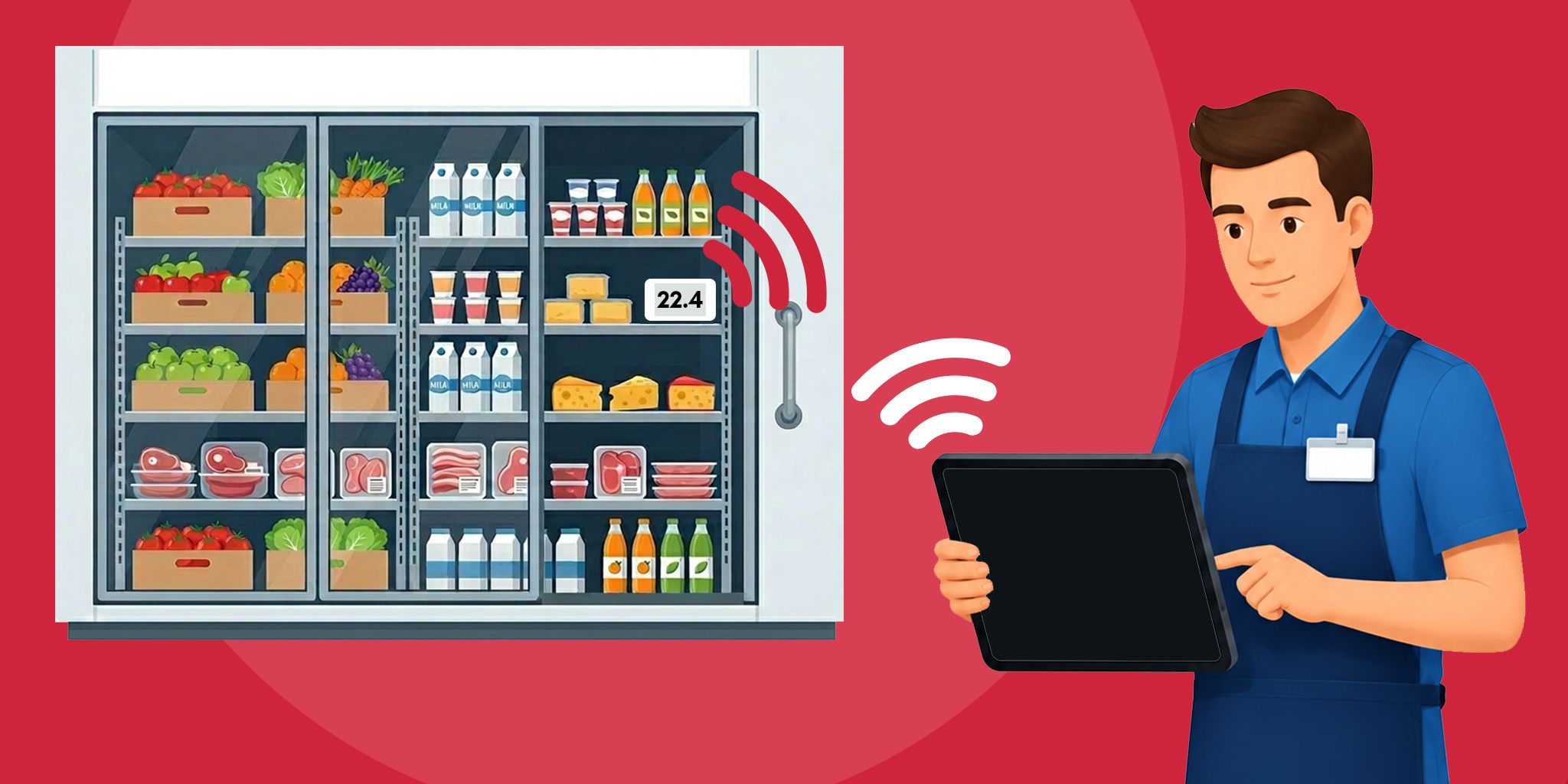
Food Safety Monitoring
Ensure food safety and eliminate manual processes with automated compliance and food condition tracking.
Ensure food safety and eliminate manual processes with automated compliance and food condition tracking.
SmartSense by Digi
SmartSense by Digi
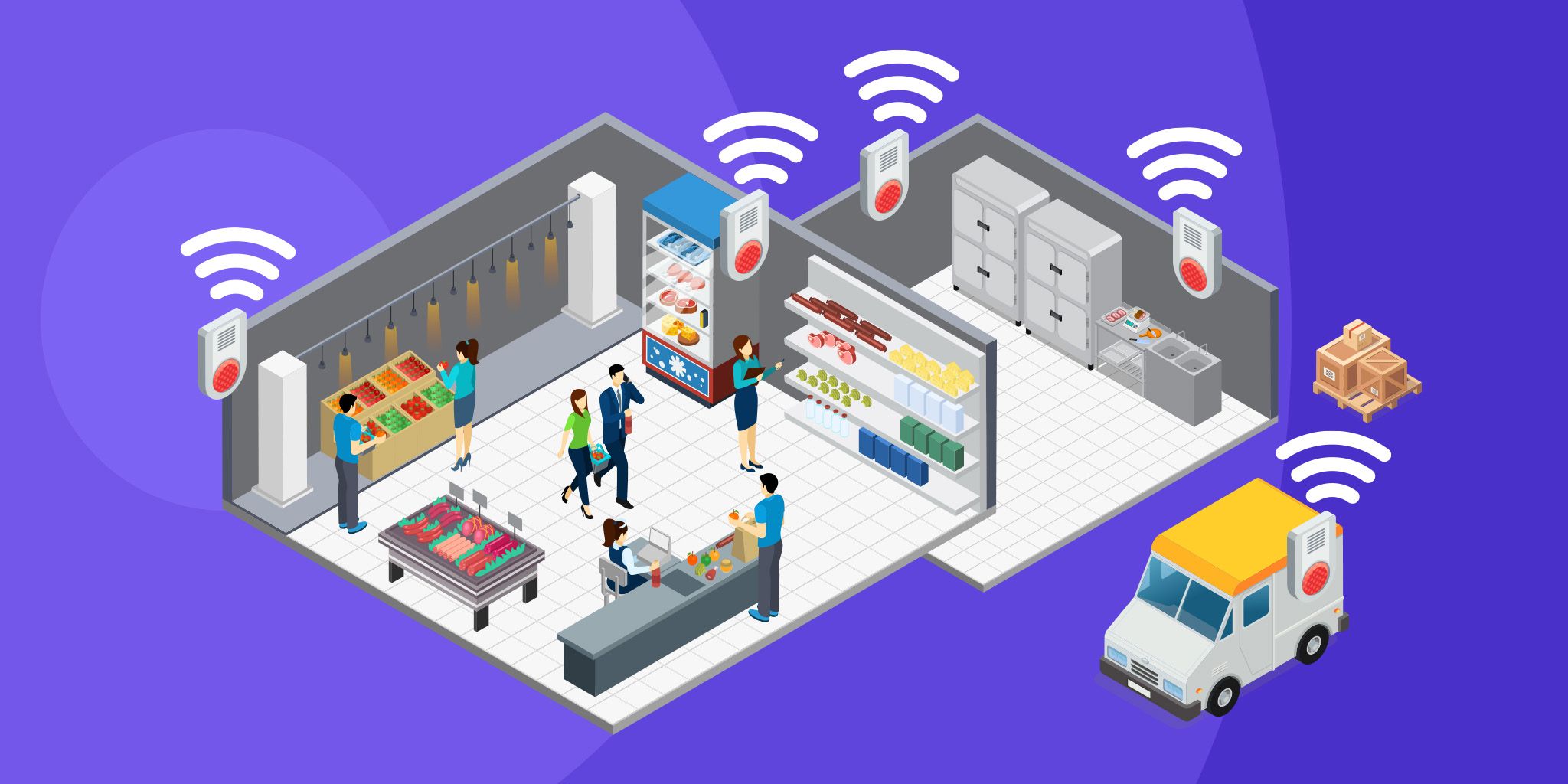
Sensing-as-a-Service for Grocery Stores
Environmental monitoring, compliance tracking, and real-time alerts to help grocers protect perishable goods and streamline labor.
Environmental monitoring, compliance tracking, and real-time alerts to help grocers protect perishable goods and streamline labor.
SmartSense by Digi
SmartSense by Digi

Primary and Failover Connectivity for Retail
4G/5G cellular networks for enabling uninterrupted retail operations with seamless support and rapid deployment across stores.
4G/5G cellular networks for enabling uninterrupted retail operations with seamless support and rapid deployment across stores.
KORE
KORE

Related Solutions
Retail
Food Safety Monitoring
Ensure food safety and eliminate manual processes with automated compliance and food condition tracking.
SmartSense by Digi
Retail
Sensing-as-a-Service for Grocery Stores
Environmental monitoring, compliance tracking, and real-time alerts to help grocers protect perishable goods and streamline labor.
SmartSense by Digi
Retail
Primary and Failover Connectivity for Retail
4G/5G cellular networks for enabling uninterrupted retail operations with seamless support and rapid deployment across stores.
KORE