



From AI-Built Prototype to Production: What It Takes to Launch a Real-World Application
From AI-Built Prototype to Production: What It Takes to Launch a Real-World Application

- Last Updated: November 20, 2026
Zco
- Last Updated: November 20, 2026
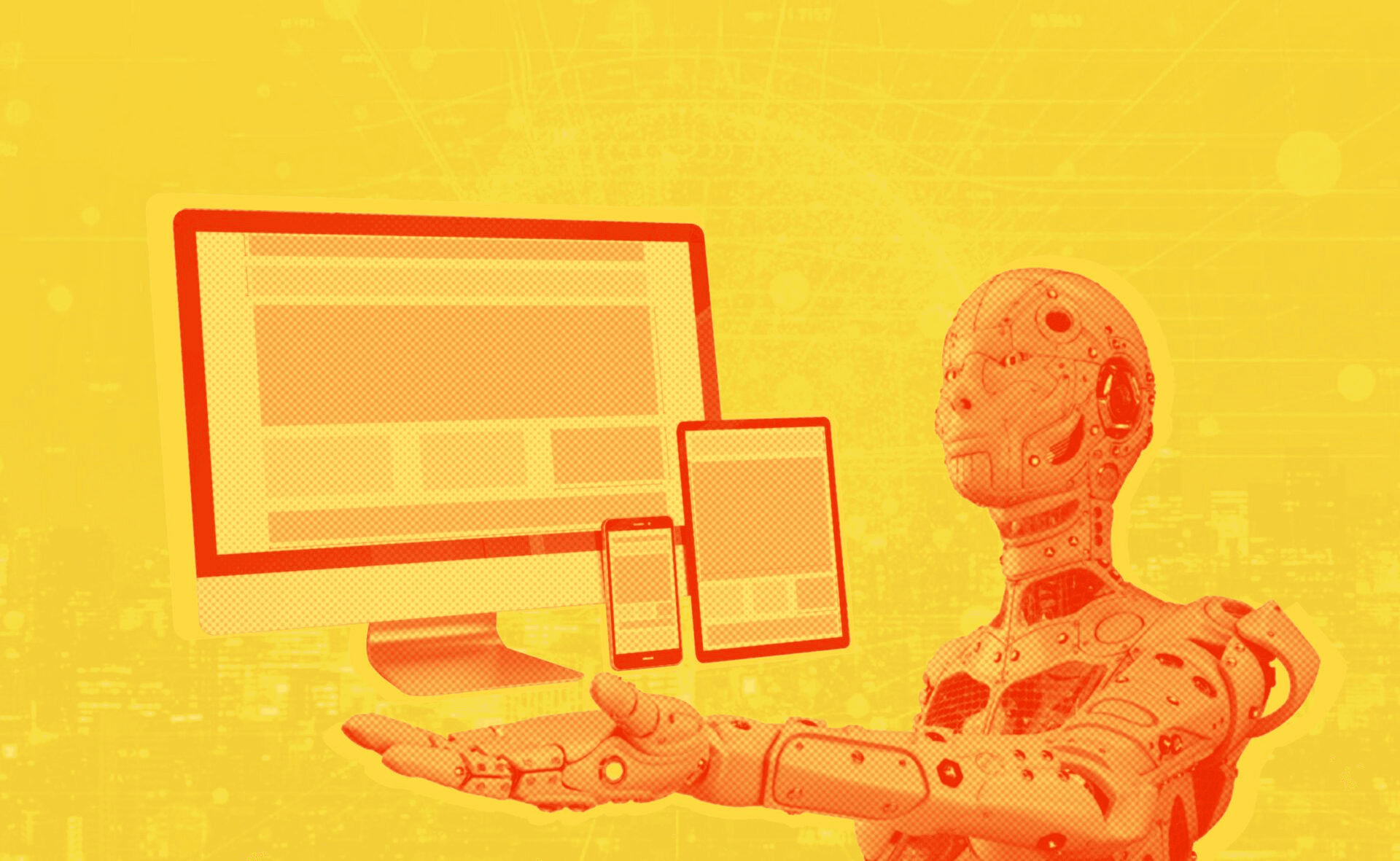
With AI coding tools businesses can now explore software ideas without committing to a full development cycle upfront. But the journey from AI prototype to production involves challenges that a promising first version cannot reveal on its own.
These challenges become clearer when the application needs to support real users, process growing volumes of data, and handle unexpected failures. AI-generated code that performs well in a limited test environment may need significant changes before it can meet these demands.
For companies developing connected products and platforms using AI coding tools, understanding this distinction is essential. AI can accelerate the journey from transforming an idea to a working prototype, but turning that prototype into a dependable product requires sound architecture, product validation, rigorous testing, and ongoing engineering.
1. AI Can Build Your Prototype, But Is It Ready for the Real World?
AI coding tools make it easier to turn an idea into a working prototype without writing every line of code from scratch. But a prototype that looks promising in a demo may still have a long way to go before it's ready for real users.
With vibe coding, you describe your idea in natural language, and an AI model generates much of the application based on your prompts. Some tools can even build and host complete applications. This makes vibe coding useful for testing ideas and exploring concepts without committing to a full development cycle. However, a prototype that comes together quickly may still have architectural weaknesses or security gaps that need attention before it can be used in production.
AI-assisted development takes a more guided approach. Developers use AI tools to generate code, explore solutions, and handle specific tasks while shaping how the prototype is built. They can also delegate smaller tasks to AI agents while retaining responsibility for the application's architecture, code reviews, and testing. This approach gives developers greater oversight of the codebase as it evolves, which is important for long-term maintenance and security.
The important thing is that neither approach guarantees a production-ready application. A prototype might work well with a small amount of test data but struggle when more users come on board. It could also have security gaps or design decisions that make future changes difficult.
Before launching, businesses need to understand what their application can handle and where it falls short. An experienced engineer can review the existing code, identify what needs attention, and determine which parts can be kept. That way, the team can focus on fixing real problems rather than rebuilding the application from the ground up.
2. The Difference Between a Working Prototype and a Production-Ready Product
A prototype is usually built around a narrow set of assumptions. It might use sample data, simplified authentication, a small database, or a single expected workflow. These shortcuts can be reasonable during experimentation, provided they are assessed before deployment.
Production software must account for conditions beyond the original demonstration.
For IoT applications, that could mean supporting thousands of devices, handling variable message rates, managing inconsistent network connections, and integrating with cloud platforms or enterprise systems. The application must also behave predictably when one of its components fails.
A connected-device dashboard, for example, needs more than charts displaying incoming readings. It may need to identify stale data, distinguish a device outage from a sensor fault, manage historical records, and prevent unauthorized access to another customer's devices.
Production readiness also involves capabilities that are easy to overlook during prototyping, including logging, monitoring, backups, deployment procedures, and recovery plans.
Moving forward therefore requires more than cleaning up AI-generated code. Teams must establish what the application needs to do, identify where the current implementation falls short, and address those gaps to turn the prototype into a production-ready application.
3. Common Risks Hidden Inside AI-Generated Applications
AI-generated code is not inherently insecure or poorly designed. Like any codebase, its quality depends on the tools, instructions, available context, and review process. However, the code that works in a demo can conceal weaknesses that only become apparent under real-world conditions.
Code quality and technical debt
AI-generated code may contain duplicated logic, unnecessary complexity, inconsistent patterns, or temporary fixes that become permanent. In vibe-coded applications, separate prompting sessions can produce inconsistent coding patterns across the same codebase. Without a consistent approach to reviewing and integrating the generated code, these differences can make the application harder to maintain.
Architecture and scalability
An implementation that works as a single application may become difficult to extend as requirements grow. Tightly coupled components, unsuitable data models, or unclear boundaries between services can make changes risky.
For example, an AI-generated application or prototype for industrial equipment monitoring may process readings from a handful of devices without issues. As more devices come online across multiple factory sites, higher data volumes, bursts of incoming reading, and growing demands on data storage and retrieval can expose limitations in its processing architecture. This can lead to stale readings and delayed alerts if the system is not designed to handle these workloads.
Security vulnerabilities
Like any codebase, AI-generated applications need careful security reviews to catch issues such as weak permissions, unchecked inputs, exposed credentials, and vulnerable libraries. Careful code reviews and security testing help identify these issues, verify permissions, and protect sensitive data before deployment.
Code that's difficult to understand
AI-generated code may work as intended but when developers don't fully understand its logic or dependencies, debugging problems and making safe changes becomes harder. Reviewing and documenting critical code helps teams maintain control over the application.
Hallucinated or nonexistent dependencies
AI tools may suggest packages that don't exist or recommend incorrect dependency names. Installing an unverified package can introduce security and maintenance risks. Developers should verify dependencies against trusted registries and check their security status before adding them to a project.
Inadequate test coverage
AI-generated tests may focus on the happy path, checking whether features work under expected conditions without covering invalid inputs, network failures, or other edge cases. Developers should review test coverage and add integration and regression tests to check how components behave together.
Performance and reliability
Inefficient database queries, excessive API requests, and resource-intensive processing can cause slowdowns as workloads increase. Testing should cover invalid inputs, timeouts, interrupted connections, duplicate messages, and partial failures.
Dependencies, privacy, and compliance
Third-party services may impose rate limits or create availability and data-handling concerns.
Applications processing personal, health, or other sensitive information also need appropriate privacy controls, auditability, and applicable regulatory safeguards based on the product's use case and deployment environment.
4. Product Validation: Does the AI-Built Application Solve the Right Problem?
Technical quality cannot compensate for a product that fails to meet its users' needs.
An IoT company might build a dashboard that displays every available sensor metric but leaves customers unable to identify which readings require action. The application works as intended, yet it does not solve the operational problem effectively.
Before investing in production engineering, revisit the assumptions behind the prototype.
Identify the intended users and the decisions they need to make. Validate important workflows with realistic data and operating conditions. Check whether the business logic reflects actual customer requirements, and determine which features are essential for launch.
For example, a fleet-monitoring platform may need to prioritize actionable alerts, historical trends, and device-health indicators rather than simply displaying incoming telemetry.
Feedback from prospective customers and domain experts can reveal missing functionality, confusing interactions, and assumptions that need reconsideration.
This helps teams avoid spending time hardening features users do not need and establishes a clearer scope for the first production release.
5. From AI Prototype to Production: What Needs to Change?
Moving an AI-built application into production should be a structured engineering exercise. The process should be streamlined enough to be able to determine which parts of the existing implementation are worth keeping, which need improvement, and which cannot support the product's actual requirements.
Assess what can stay
Review the AI-built codebase, architecture, dependencies, and integrations to identify reusable components and areas that need improvement. Pay particular attention to tightly coupled components, duplicated logic, and assumptions that may not hold as the application grows.
Address the highest-risk issues first
Prioritize security vulnerabilities, unreliable workflows, data handling problems, and performance bottlenecks before cosmetic improvements.
Test beyond the expected workflow
Check invalid inputs, network failures, unexpected user behavior, and increased demand. Review AI-generated tests to identify gaps in edge cases, integration scenarios, and failure handling.
Establish a controlled release process
Keep development, staging, and production environments separate, with appropriate access controls and configuration for each. Use CI/CD pipelines to automate builds, tests, security checks, and deployments. Manage credentials through a dedicated secrets-management system rather than storing them in source code.
Restrict AI tool access
Avoid giving AI agents direct access to production environments, credentials, or unrestricted database operations. Use non-production data where possible and provide read-only access when write access is unnecessary. If an API key must be supplied, use a short-lived, limited-scope credential and store it securely rather than embedding it in prompts or source code.
Build visibility into what happens after launch
Logs, performance metrics, error tracking, alerts, backups, and recovery procedures help developers understand what is happening once real users begin interacting with the software. Maintain backups and tested recovery procedures so teams can respond when problems occur.
Release based on evidence
Before launch, verify that the application meets defined requirements for functionality, security, performance, and reliability under its intended operating conditions. These requirements should reflect the product's use case, expected workload, and deployment environment. After release, use production data and user feedback to identify issues and guide further improvements.
The amount of engineering required depends on what the application is expected to do. The objective is not to make every AI-built application enterprise-grade. It's to ensure that the engineering behind the product matches the demands it will face in production.
6. Where Engineering Expertise Changes the Outcome
AI and software engineering serve different purposes.
An AI-built application can work exactly as prompted and still be built on assumptions that won't hold up as the product evolves.
Experienced engineers can distinguish between shortcuts that are harmless during prototyping and those that affect security, scalability, or maintainability. They can also identify when existing code is worth improving and when its underlying design makes a more substantial change necessary. Applications involving complex integrations or hardware may also require specialized expertise across device communication, embedded software, APIs, hardware interfaces, and cloud-based data processing.
For businesses without the in-house engineering capacity to manage this transition, working with an experienced custom software development partner can help preserve the speed of AI-assisted software development without carrying avoidable technical debt into the final product.
Conclusion
AI coding tools can produce a convincing first version of an application, but the decisions made during that early build can shape how difficult the product becomes to maintain, secure, and expand. For businesses developing connected products or complex software, those decisions matter long after the prototype has served its purpose.
The next step isn't automatically to rewrite the code or accept it as it stands. It's to evaluate whether the existing implementation can support the product's intended use, identify where its design falls short, and make targeted improvements before those limitations affect users.
Combining AI-assisted development with sound engineering judgment gives businesses a way to move forward without losing the speed that made AI useful in the first place.

The Most Comprehensive IoT Newsletter for Enterprises
Showcasing the highest-quality content, resources, news, and insights from the world of the Internet of Things. Subscribe to remain informed and up-to-date.

New Podcast Episode

The State of LoRaWAN in 2026

Related Articles

Related Solutions

Smart Community Management for HOAs
AI-powered community monitoring with real-time visibility into entrances, parking, and shared spaces.
AI-powered community monitoring with real-time visibility into entrances, parking, and shared spaces.
Iveda
Iveda
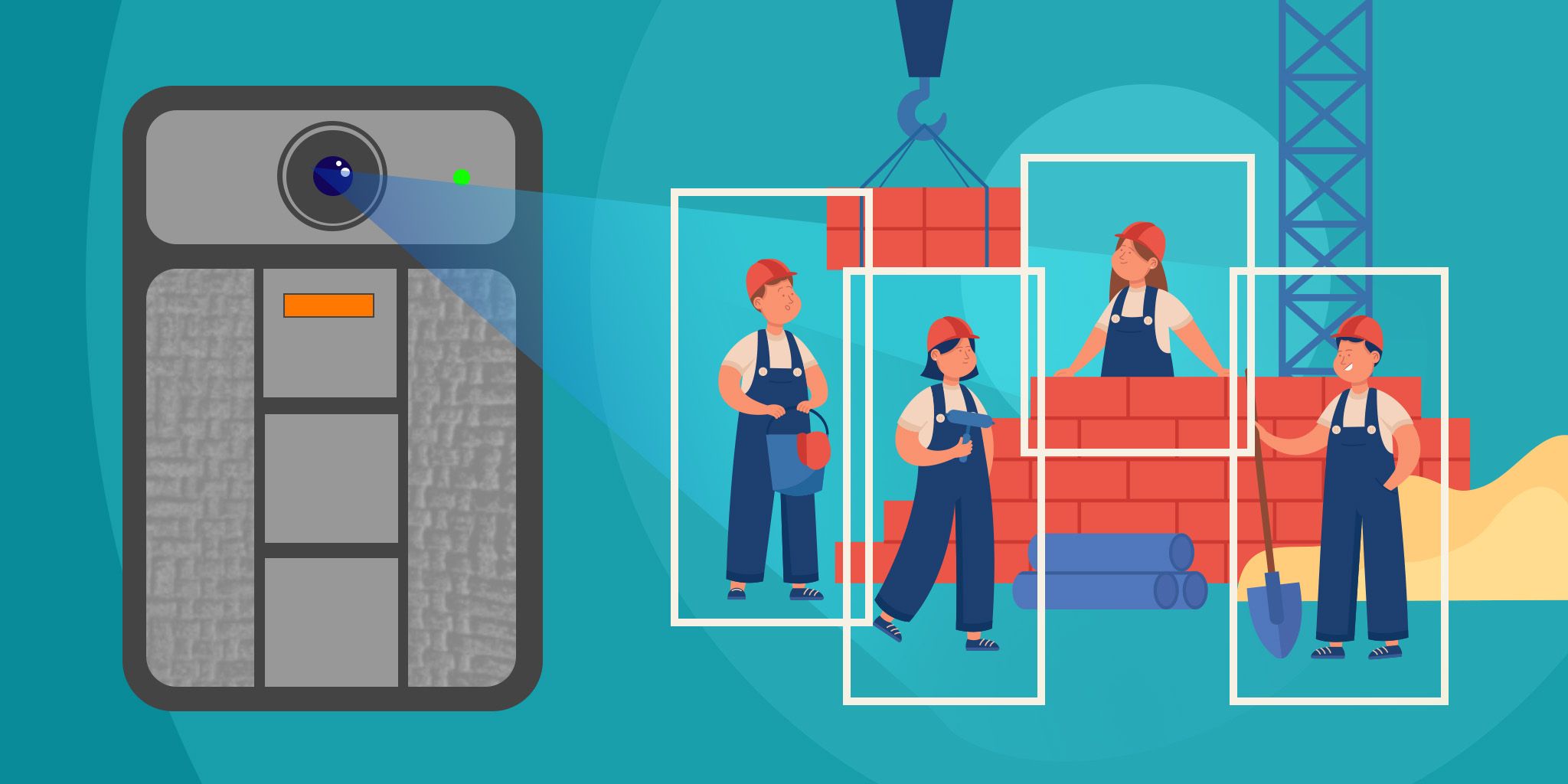
Construction Site Safety Monitoring
AI-powered wearables for real-time PPE compliance monitoring, hazard detection, and incident documentation.
AI-powered wearables for real-time PPE compliance monitoring, hazard detection, and incident documentation.
Iveda
Iveda

Workers' Compensation Fraud Prevention
Quickly verify claims, reduce investigation time, and protect your bottom line with AI-powered video surveillance and analytics.
Quickly verify claims, reduce investigation time, and protect your bottom line with AI-powered video surveillance and analytics.
Iveda
Iveda

Related Solutions
Buildings & Facilities
Smart Community Management for HOAs
AI-powered community monitoring with real-time visibility into entrances, parking, and shared spaces.
Iveda
Construction
Construction Site Safety Monitoring
AI-powered wearables for real-time PPE compliance monitoring, hazard detection, and incident documentation.
Iveda
Construction
Workers' Compensation Fraud Prevention
Quickly verify claims, reduce investigation time, and protect your bottom line with AI-powered video surveillance and analytics.
Iveda