


AI/IoT in Patient Monitoring: What's Actually Changing at the Bedside
AI/IoT in Patient Monitoring: What's Actually Changing at the Bedside

- Last Updated: September 21, 2026
Intellectyx
- Last Updated: September 21, 2026
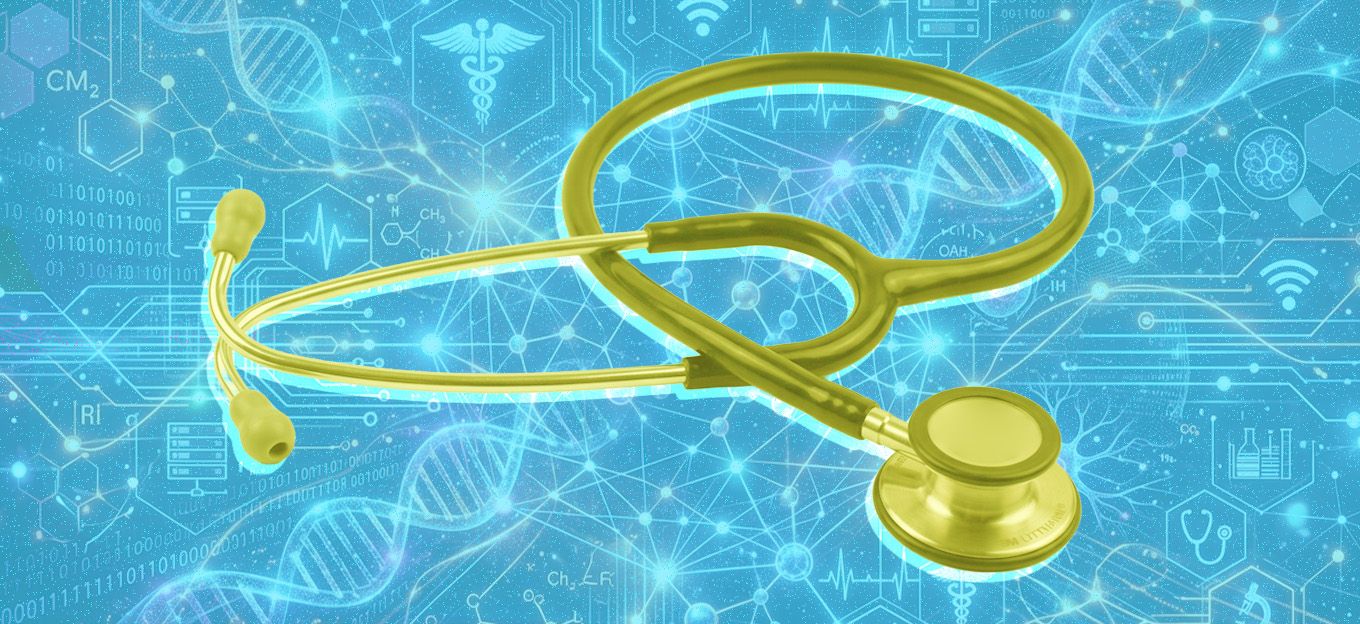
Walk through most hospital wards today, and you'll see it: a patient with a clip on their finger, a band around their wrist, maybe a small patch on their chest, all quietly streaming numbers to a screen somewhere. That's the IoT half of the story. The AI half is what happens after the numbers land, deciding which ones actually matter. Put the two together, and you get one of the more practical, less hyped applications of AI in healthcare: patient monitoring that catches problems before a nurse would.
It's not a futuristic concept anymore. Wearable sensors, bedside monitors, and home-based devices have been collecting patient data for over a decade. What's changed recently is the layer sitting on top of that data: AI models that can spot a deteriorating patient hours before the standard warning signs would trigger a manual check.
What AI/IoT in Patient Monitoring Actually Looks Like
At its simplest, the setup has three parts. Sensors and wearables collect vitals: heart rate, oxygen saturation, blood pressure, glucose, and movement. A connectivity layer (IoT) transfers that data from the device to a system that can act on it. And an AI layer sifts through the constant stream of readings to flag what's normal, what's noise, and what needs a clinician's attention right now.
That third part is the piece that's improved the most. Older monitoring systems relied on fixed thresholds that would alert if heart rate exceeded X or oxygen saturation fell below Y. The problem with fixed thresholds is alarm fatigue: nurses get so many false alerts that they start tuning them out, which defeats the purpose. Machine learning models trained on patient-specific baselines and historical outcomes are far better at distinguishing a passing blip from a real warning sign.
Where It's Already Paying Off
Remote patient monitoring for chronic conditions is probably the clearest win. Patients with heart failure, diabetes, or COPD wear a device at home that tracks key vitals, and an AI system monitors trends rather than a single reading. Catching a slow decline a few days earlier can mean the difference between a phone call from a care coordinator and a trip to the ER.
In hospitals, predictive deterioration models are being layered onto ICU and general-ward monitors to flag early signs of sepsis or cardiac events. Fall-detection wearables for elderly patients use motion sensors and on-device AI to distinguish an actual fall from someone just sitting down quickly. None of this replaces clinical judgment; it just narrows down where a clinician should look first.
The Unglamorous Part: Getting the Data to Behave
The AI models get most of the attention, but the harder problem is usually upstream of that. Hospitals run on a mix of legacy monitors, newer wearables, and EHR systems that weren't designed to talk to each other. Before any model can flag a deteriorating patient, someone has to build the pipeline that pulls device data in real time, cleans it, and aligns it with the patient's chart. That's a data engineering problem as much as it is an AI problem, and it's usually where these projects stall if it's underestimated.
Interoperability standards like HL7 FHIR help, but they don't solve everything on their own; device manufacturers, EHR vendors, and hospital IT teams still have to agree on how data gets structured and shared. Teams working in healthcare and life sciences spend a fair amount of their time on exactly this kind of plumbing before the more visible AI features are even possible.
Where Generative AI Fits in
Once the monitoring data is flowing cleanly, generative AI tends to appear as a layer on top rather than a replacement for predictive models. Think shift-summary generation from a patient's monitoring history, or a clinician-facing assistant that can answer "what changed with this patient in the last six hours" in plain language instead of a chart full of numbers. That kind of generative AI development work is still fairly new in clinical settings, and most teams are being appropriately cautious about where it's used: administrative and summarization tasks first, direct clinical decisions much later, if at all.
The same pattern shows up in other industries adopting AI copilots on top of monitoring or analytics data; the model doesn't replace the underlying system; it just makes the output easier for a person to act on quickly. It's worth reading up on the usual adoption hurdles with generative AI before assuming a summarization layer is a quick add-on; governance and accuracy checks take longer than the model integration itself.
What Tends to Trip Projects Up
A few recurring issues show up across most AI/IoT patient monitoring rollouts. Device data is noisy; a loose sensor or a patient moving around can look identical to a real physiological change if the model isn't tuned well. Compliance requirements (HIPAA and, increasingly, state-level data rules) shape almost every architectural decision, from where data is stored to how long it's retained. And integration with existing EHR systems is rarely as simple as the vendor demo makes it look.
None of these are reasons to avoid the technology; they're just the reason most successful deployments start narrow. A single unit, a single condition, a single well-defined alert, proven out before scaling. Teams that build custom AI agents for this kind of work tend to treat the first deployment as a pilot with a hard success metric, not a hospital-wide rollout on day one.
The Bottom Line
AI/IoT patient monitoring isn't about replacing nurses or turning hospitals into fully automated systems. It's a fairly practical trade: sensors that already exist, paired with models that are finally good enough to reduce noise rather than add to it. The technology is mature enough to deploy today; the real work is in the data pipeline, the compliance groundwork, and picking a narrow enough starting point to prove it out before scaling further.

The Most Comprehensive IoT Newsletter for Enterprises
Showcasing the highest-quality content, resources, news, and insights from the world of the Internet of Things. Subscribe to remain informed and up-to-date.

New Podcast Episode
Building Real-Time Voice AI Experiences

Related Articles

Related Solutions
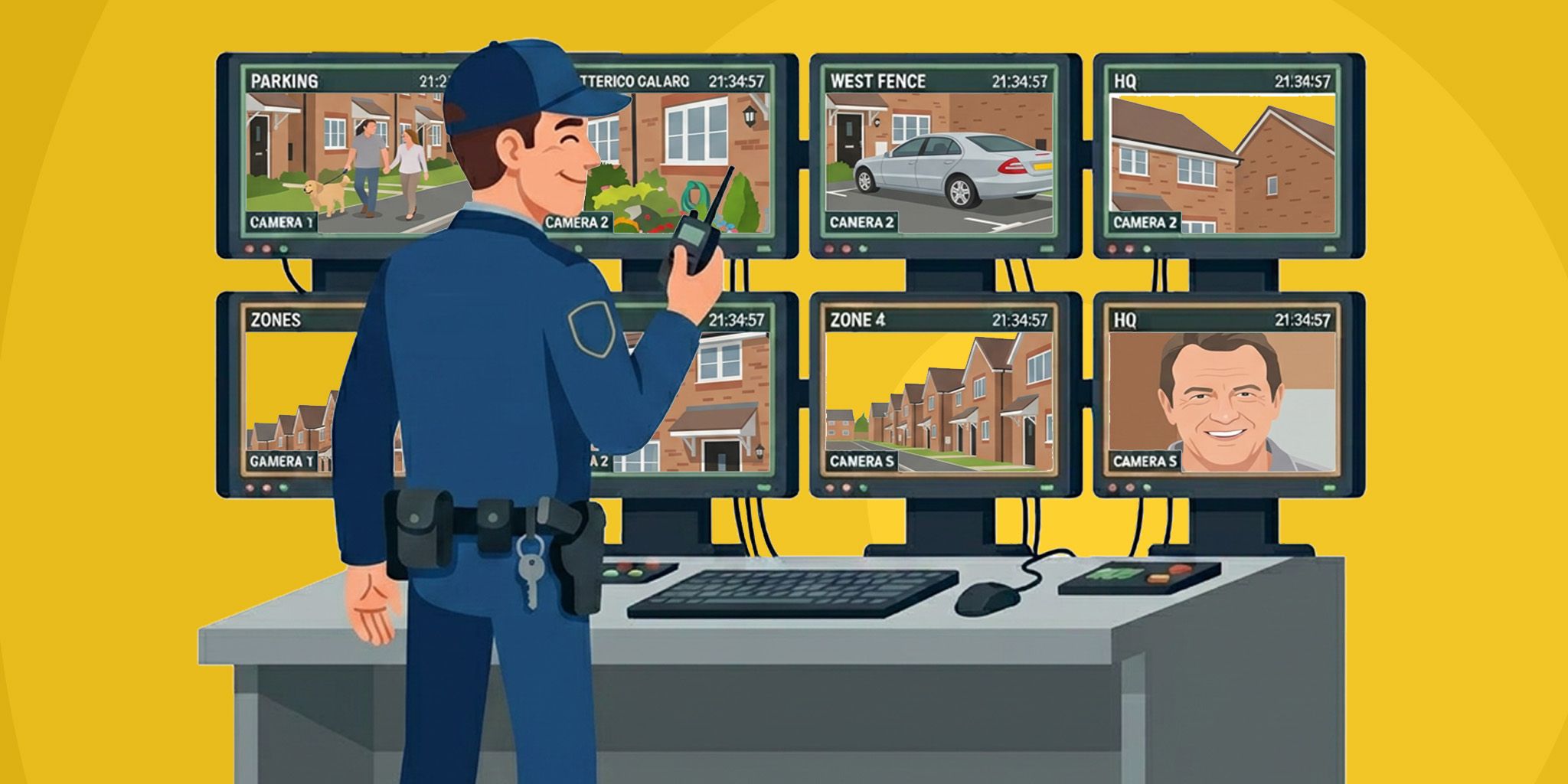
Smart Community Management for HOAs
AI-powered community monitoring with real-time visibility into entrances, parking, and shared spaces.
AI-powered community monitoring with real-time visibility into entrances, parking, and shared spaces.
Iveda
Iveda
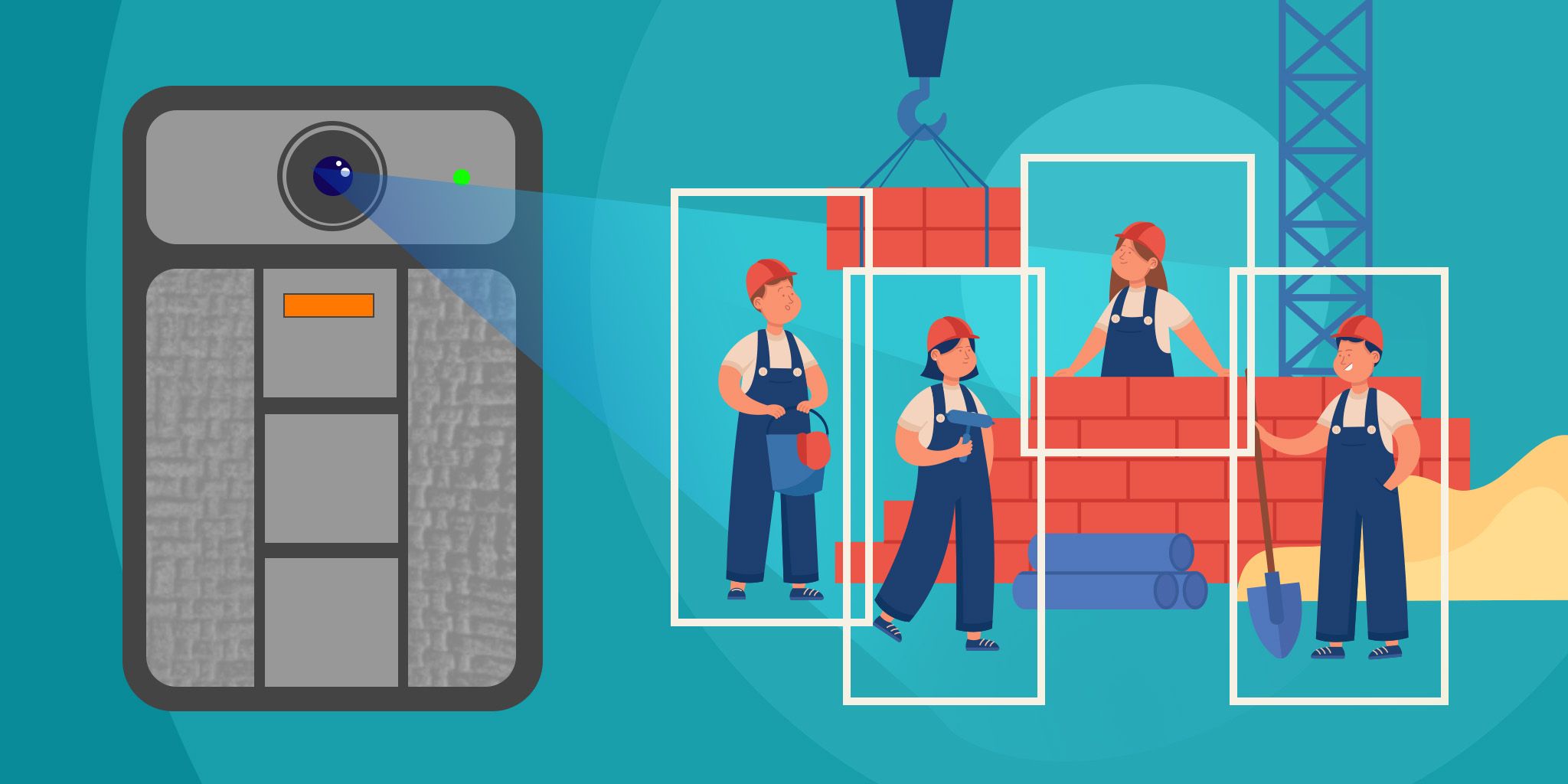
Construction Site Safety Monitoring
AI-powered wearables for real-time PPE compliance monitoring, hazard detection, and incident documentation.
AI-powered wearables for real-time PPE compliance monitoring, hazard detection, and incident documentation.
Iveda
Iveda
Workers' Compensation Fraud Prevention
Quickly verify claims, reduce investigation time, and protect your bottom line with AI-powered video surveillance and analytics.
Quickly verify claims, reduce investigation time, and protect your bottom line with AI-powered video surveillance and analytics.
Iveda
Iveda

Related Solutions
Buildings & Facilities
Smart Community Management for HOAs
AI-powered community monitoring with real-time visibility into entrances, parking, and shared spaces.
Iveda
Construction
Construction Site Safety Monitoring
AI-powered wearables for real-time PPE compliance monitoring, hazard detection, and incident documentation.
Iveda
Construction
Workers' Compensation Fraud Prevention
Quickly verify claims, reduce investigation time, and protect your bottom line with AI-powered video surveillance and analytics.
Iveda