


AIoT Solutions That Pay for Themselves: An ROI Guarantee Approach
AIoT Solutions That Pay for Themselves: An ROI Guarantee Approach

- Last Updated: February 25, 2026
Nuventure Connect
- Last Updated: February 25, 2026
The boardroom conversation around IoT investments has shifted dramatically. Gone are the days when executives greenlit projects based on potential alone. Today’s C-suite demands certainty, and they’re getting it through ROI-guaranteed AIoT implementations that transform capital expenses into measurable returns within months, not years.
The New Economics of AIoT Investment
Traditional IoT deployments followed a familiar pattern: substantial upfront investment, hoped-for efficiency gains, and a murky 18-24 month payback period. But artificial intelligence has fundamentally changed this equation. When AI processes sensor data in real-time, it doesn’t just monitor operations; it actively optimizes them, creating immediate, quantifiable value that makes the business case self-evident.
Consider what happens when machine learning algorithms analyze thousands of data points per second from industrial equipment. They detect patterns invisible to human operators: the subtle vibration indicating a bearing will fail in three weeks, the temperature fluctuation suggesting inefficient energy consumption, or the production rhythm that maximizes output while minimizing wear. These insights translate directly to avoided downtime, reduced energy costs, and extended equipment life: all measurable from day one.
A study published in the Journal of Manufacturing Systems found that AIoT-enhanced predictive maintenance systems delivered average cost reductions of 25-30% compared to traditional scheduled maintenance, with some implementations achieving payback in under six months. The key difference? AI’s ability to move from reactive problem-solving to proactive optimization.
Understanding ROI Guarantee Models
An ROI guarantee isn’t marketing speak; it’s a contractual commitment where solution providers tie their compensation to actual performance improvements. These arrangements typically follow one of three structures:
- Performance-based pricing links payments directly to verified savings. If an energy management system promises 20% reduction in utility costs, the provider receives fees only when that threshold is met. Your finance team can track this monthly through utility bills, no complex calculations required.
- Risk-sharing models split implementation costs, with the provider absorbing more upfront investment in exchange for a percentage of realized savings over time. This approach works particularly well for large-scale deployments where initial capital requirements might otherwise delay projects.
- Baseline-and-verify arrangements establish current operational metrics, implement the AIoT solution, then measure improvements against that baseline. Payment schedules are adjusted based on documented performance gains, aligning vendor success with client outcomes.
The most sophisticated providers now offer hybrid models that combine elements of all three, providing flexibility as projects scale and evolve.
Critical Components of Self-Paying AIoT Systems
Not all AIoT implementations are created equal when it comes to guaranteed returns. The systems that consistently deliver measurable ROI share several characteristics:
- Real-time data processing at the edge eliminates the latency that plagued earlier cloud-dependent systems. When decisions happen in milliseconds at the sensor level, you capture optimization opportunities that disappear in the time it takes to transmit data to distant servers. Modern edge AI chips process complex algorithms locally, reducing bandwidth costs while improving response times.
- Adaptive learning algorithms that continuously improve without human intervention compound value over time. Unlike static rule-based systems, AI models trained on your specific operational data become increasingly accurate at predicting failures, optimizing processes, and identifying efficiency opportunities. The system you deploy today performs better automatically six months later.
- Integration with existing systems determines how quickly value materializes. Solutions that seamlessly connect with your ERP, SCADA, and business intelligence platforms eliminate data silos and manual processes. When your AIoT system automatically triggers purchase orders for replacement parts or adjusts production schedules based on predictive insights, ROI accelerates dramatically.
Industry Applications Delivering Guaranteed Returns
Manufacturing facilities using AI-powered quality control systems with predictive maintenance have documented 40-60% reductions in defect rates while simultaneously decreasing inspection costs. Computer vision systems analyze products at speeds beyond human inspectors, identifying microscopic flaws that would have led to costly recalls or warranty claims. The savings are immediate and verifiable through quality metrics you are already tracking.
In commercial real estate, smart building systems with ROI guarantees have become the norm rather than the exception. These platforms optimize HVAC operations based on occupancy patterns, weather forecasts, and energy pricing, adjusting in real-time to minimize costs without compromising comfort. Building operators report average energy savings of 25-35%, with some implementations exceeding 40% in older facilities with inefficient legacy systems.
In practice, these outcomes are increasingly driven by intelligent controllers that combine real-time sensing with automated decision-making at the edge. In one commercial pool environment, an AIoT-based water automation system demonstrated how continuous monitoring and adaptive control could significantly reduce water loss, chemical overuse, and manual intervention while maintaining consistent water quality.
The shift wasn’t the hardware itself, but the intelligence layered on it, where predictive alerts, remote control, and data-driven optimization turned routine pool operations into measurable efficiency gains, validating how focused water-tech AIoT implementations can deliver self-funding results.
For water-intensive industries, these savings often exceed implementation costs within the first year. Research from the International Journal of Water Resources Development demonstrates that smart water networks reduce non-revenue water losses by an average of 28% while extending infrastructure life by 15-20 years through optimized pressure management.
Structuring Contracts for Success
The strength of an ROI guarantee lies in how it's documented and measured. Effective agreements specify exact metrics, measurement methodologies, and verification processes before implementation begins. Ambiguity is the enemy of guaranteed outcomes.
Define baseline performance using your existing data, but ensure the measurement period is long enough to account for seasonal variations and operational cycles. A baseline established during your slowest production month creates an unfair comparison; aim for 6-12 months of historical data to establish credible benchmarks.
Establish clear measurement protocols that both parties can verify independently. If energy savings are the key metric, specify whether you are measuring at the meter, adjusting for weather normalization, or accounting for production volume changes. The more explicit these protocols are, the fewer disputes arise during verification.
Build in adjustment mechanisms for factors outside the AIoT system’s control. If your facility doubles production volume or local energy rates spike 50%, the guarantee should account for these variables. Fair risk allocation keeps both parties motivated to maximize results.
Include technology-refresh provisions to ensure the system remains current. AI algorithms improve rapidly; a five-year contract should specify regular updates to models and edge computing capabilities to prevent performance degradation as better solutions emerge.
Implementation Strategies That Maximize ROI
Starting with pilot programs in high-impact areas proves the concept while minimizing risk. Identify processes where small improvements deliver outsized returns; often these are bottlenecks that constrain overall operations or systems with the highest operational costs. Success in these areas builds organizational confidence for broader deployment.
Choose technology partners who demonstrate domain expertise in your industry. Generic IoT platforms rarely deliver guaranteed ROI because they lack the specialized algorithms and integration capabilities your operations require. Providers who’ve solved similar challenges in comparable environments can leverage proven models that accelerate time-to-value.
Invest in change management from the outset. The most sophisticated AIoT system fails if operators don’t trust its recommendations or if existing processes don’t adapt to leverage its insights. Early wins with frontline teams create advocates who drive adoption across the organization.
The 2026 Reality: From Nice-to-Have to Competitive Necessity
Market dynamics have shifted decisively. Companies still operating on intuition and periodic manual inspections face competitors whose AI and IoT systems continuously optimize, predict failures before they occur, and adapt to changing conditions in real time. This isn’t a future scenario; it’s today’s competitive landscape.
The convergence of several factors makes ROI-guaranteed AIoT particularly relevant now. Edge computing hardware has become affordable and powerful enough for sophisticated AI inference at the sensor level. Connectivity costs have dropped while reliability has improved. Most importantly, AI algorithms trained on years of operational data from thousands of deployments now deliver out-of-the-box performance that would have required months of customization just three years ago.
For decision-makers evaluating AIoT investments in 2026, the question isn’t whether these systems deliver value; documented case studies and academic research have settled that debate. The question is whether you can afford to operate without them while competitors optimize every process, predict every failure, and eliminate waste you're still accepting as normal.
Moving Forward with Confidence
ROI-guaranteed AIoT solutions represent a fundamental shift in how technology investments are structured and evaluated. When vendors stake their success on your operational improvements, the alignment of interests creates a partnership rather than a transaction.
The executives winning in this environment don't wait for perfect information or absolute certainty. They identify high-value use cases, partner with proven providers, start with focused pilots that demonstrate measurable returns, then scale aggressively once the business case proves itself, often within quarters, not years.
Your competitors are already benefiting from systems that pay for themselves while optimizing the operations you manage manually. The only question is how quickly you’ll join them.

The Most Comprehensive IoT Newsletter for Enterprises
Showcasing the highest-quality content, resources, news, and insights from the world of the Internet of Things. Subscribe to remain informed and up-to-date.

New Podcast Episode

Building Real-Time Voice AI Experiences

Related Articles




Related Solutions

Infant Security for Hospitals
Enable immediate alerts, automated security responses, and mother-baby matching to reduce abduction risk.
Enable immediate alerts, automated security responses, and mother-baby matching to reduce abduction risk.
Vizzia Technologies
Vizzia Technologies
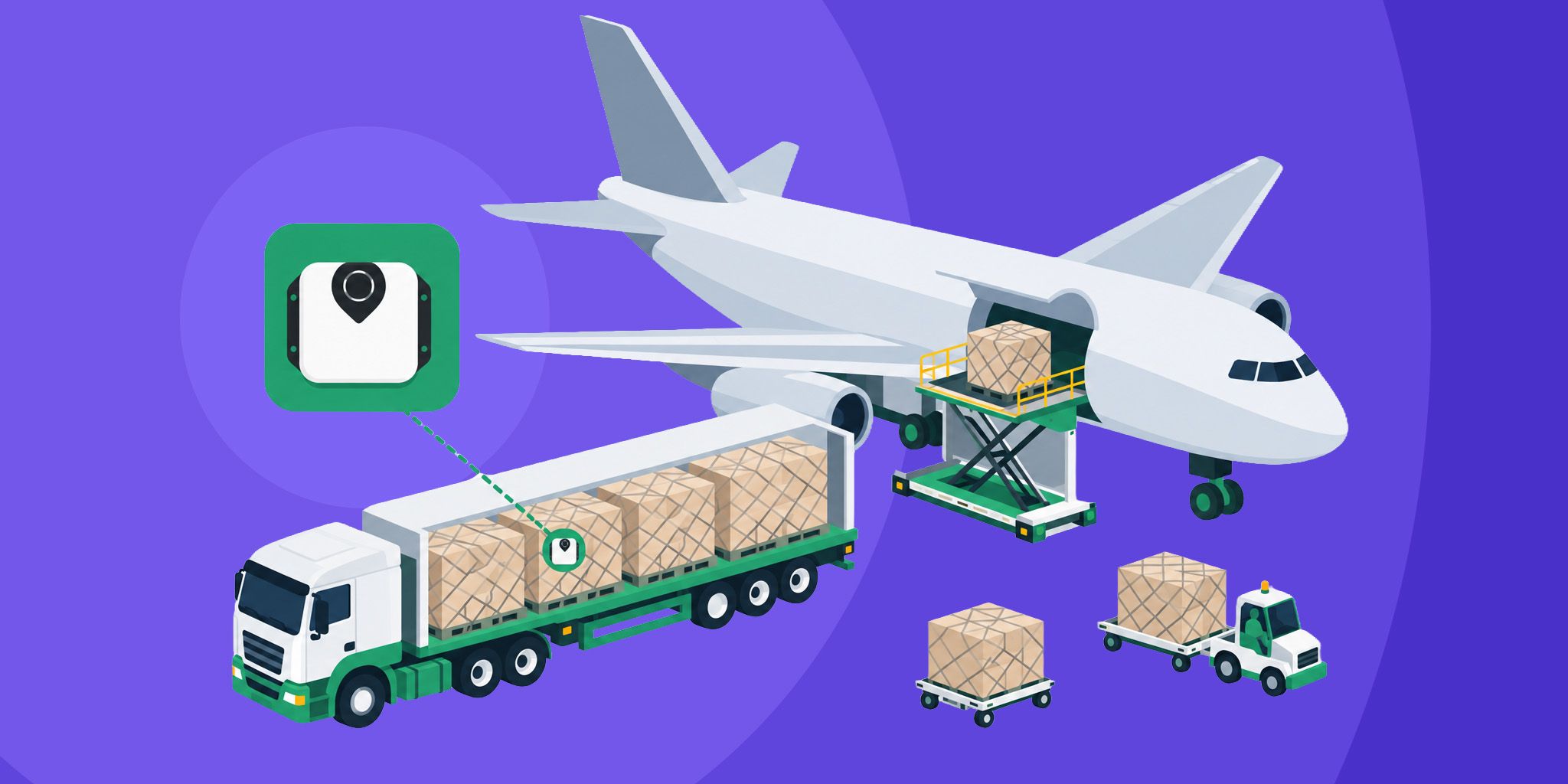
Unit Load Device Tracking for Airports
Real-time visibility into Unit Load Devices and supporting airport assets with solar-powered tracking and BLE.
Real-time visibility into Unit Load Devices and supporting airport assets with solar-powered tracking and BLE.
SODAQ
SODAQ
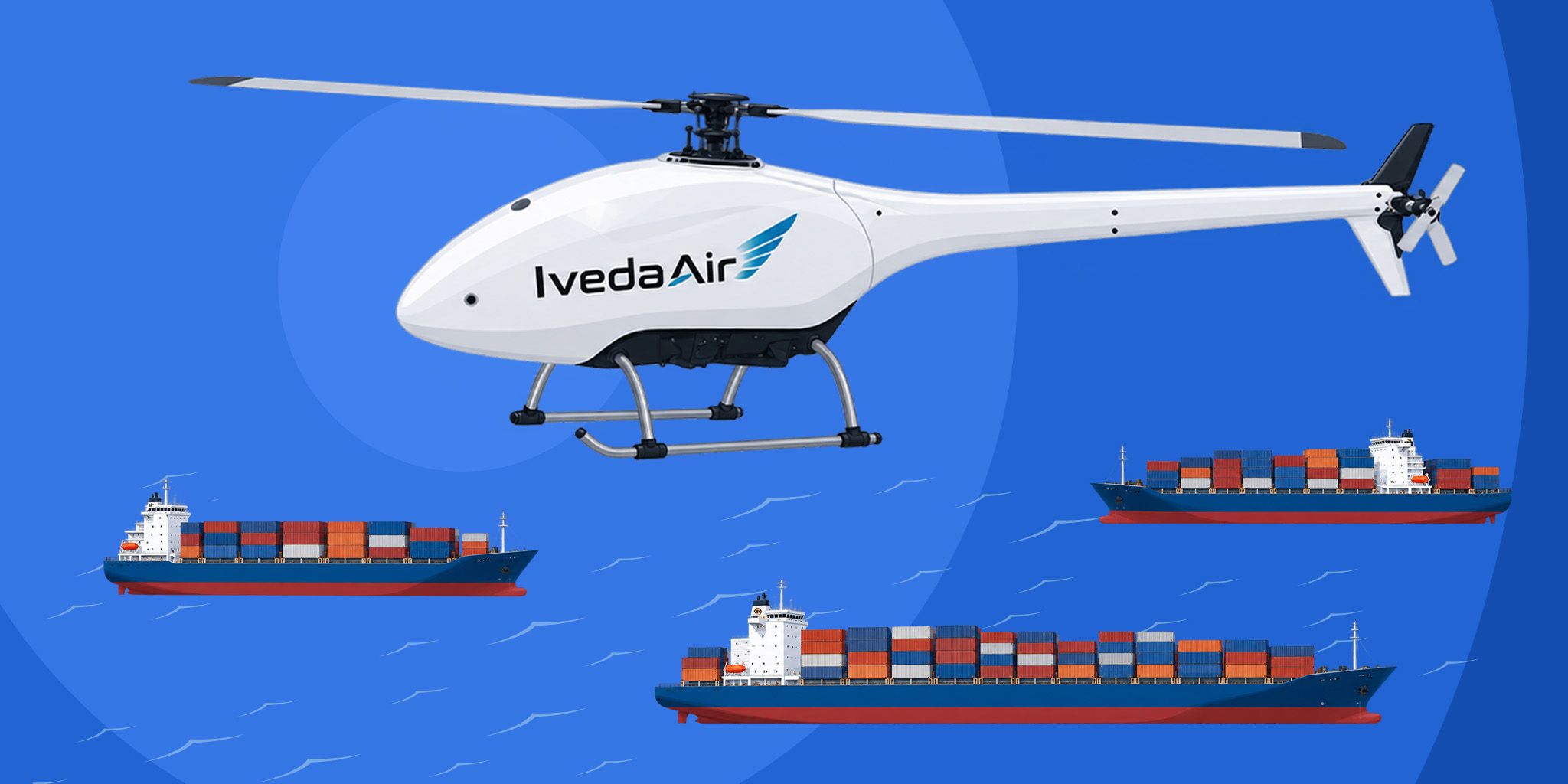
Long-Endurance Aerial Monitoring and Response
AI-powered analytics and mission-ready aircraft for public safety, maritime, search and rescue, and emergency response.
AI-powered analytics and mission-ready aircraft for public safety, maritime, search and rescue, and emergency response.
Iveda
Iveda

Related Solutions
Healthcare
Infant Security for Hospitals
Enable immediate alerts, automated security responses, and mother-baby matching to reduce abduction risk.
Vizzia Technologies
Supply Chain & Logistics
Unit Load Device Tracking for Airports
Real-time visibility into Unit Load Devices and supporting airport assets with solar-powered tracking and BLE.
SODAQ
Maritime & Boating
Long-Endurance Aerial Monitoring and Response
AI-powered analytics and mission-ready aircraft for public safety, maritime, search and rescue, and emergency response.
Iveda