



6 Most Common Security Gaps Uncovered in IoT Technology Audits
6 Most Common Security Gaps Uncovered in IoT Technology Audits

- Last Updated: November 11, 2026
Zac Amos
- Last Updated: November 11, 2026

A small business installs smart security cameras and trusts the out-of-the-box setup, until a routine technology audit finds factory-default credentials still active. A device can look secure on the surface and still fail a real technology audit. Six common security gaps reveal where Internet of Things (IoT) deployments tend to fall short, and each one comes paired with a practical fix.
1. Weak or Default Passwords and Credentials
Some manufacturers configure IoT devices with default passwords to simplify setup, and many owners grow complacent and leave them in place. Anyone can find these logins online, so keeping the factory settings works like hiding a spare key under the doormat. Three steps address this gap, from simplest to strongest:
- Strong passwords: Owners replace default credentials during setup with unique ones reserved for that product.
- Two-factor authentication: Where available, this feature adds a second layer by requiring a code or confirmation at login. It ranks among the recommended steps for securing connected devices at home.
- Passkeys: This sign-in method lets users log in with a fingerprint, face scan or PIN, and IoT support for the technology remains limited for now. Where a product or its companion app offers one, it's generally the strongest of the three options because its design resists phishing.
Layered together, these defenses make a stolen or guessed password much harder to use.
2. Outdated Firmware and Missed Software Updates
Beyond passwords, a device's firmware, the underlying software that runs the hardware, can quietly fall behind. Fitness trackers, smartwatches and health monitors are a good example, since they often miss out on the frequent security updates that smartphones and computers receive. Plenty of other connected products, from smart plugs to security cameras, share that weakness, so auditors treat outdated firmware as a high-risk finding.
When a vulnerability surfaces, users should apply patches as soon as possible because manufacturers release them to close those holes. In practice, staying current comes down to two habits:
- Automatic updates: When the settings menu includes this feature, turning it on installs new versions as soon as they're available.
- Manual checks: For products without that option, a monthly review via the manufacturer's app or website helps confirm they are running the latest firmware. That quick habit keeps older hardware up to date.
Either way, the device picks up security fixes sooner, which shrinks the window attackers have to exploit known flaws.
3. Unencrypted Data and Insecure Communication Protocols
Even a fully updated video doorbell might store weeks of footage in its own memory and send every new clip to a phone app. That leaves its information exposed in two distinct places.
Data at rest refers to anything stored on the device itself, such as recordings or saved account details. Data in transit flows to and from other systems or networks. Without encryption, anyone who gains access to the hardware can read whatever it holds, and outsiders can intercept or alter transmissions in transit.
IoT audits sometimes find both kinds sitting wide open, and each one needs attention. Recognized device guidelines address that risk by counting data protection and encryption support among the core capabilities manufacturers should build into their products. Those safeguards belong in a design's earliest blueprints.
4. Weak Access Controls and Network Segmentation
Whether encrypted or not, IoT equipment often grants more access than its function requires. Much of it also shares a network with critical business systems. For instance, a smart thermostat might have an open path to the servers that store customer records.
A technology audit can catch over-permissioned devices and missing network segmentation before an attacker has a chance to exploit them. Once a proactive risk identification process has flagged that exposure, two fixes close it:
- Least-privilege access: Each device retains only the permissions it needs to function, and IT teams revoke any extra permissions, such as access to payroll or billing databases.
- Network segmentation: IoT hardware sits on its own virtual local area network, walled off from critical systems. If an attacker compromises one device, that separation helps contain the damage and limit the intruder's reach.
Combined, these measures narrow what each device can touch, which lowers the odds that one weak link endangers the whole business.
5. Limited Device Visibility and Monitoring Gaps
A smart TV left in a conference room after a remodel can stay on a company network for years without appearing on any equipment list. Many organizations also lack a complete, accurate inventory of their IoT devices, so an attacker who takes over one like that may go unnoticed.
This gap centers on awareness and detection, which means knowing what's connected and spotting when something misbehaves. Closing it begins with a current device asset inventory listing every item, along with its owner and purpose.
Next comes centralized logging and monitoring, since these records help defenders detect and act against malicious activity on devices at the network's edge. When all events flow to one place, security teams can quickly flag unusual behavior.
6. Noncompliance With Industry Security Standards
Decisions about buying, setting up and reviewing IoT equipment may happen separately across teams, with no shared criteria for passwords, updates, encryption, access controls or monitoring. That pattern can show auditors that IoT security depends on individual choices instead of a mature, organizationwide program.
Each new connected product can introduce fresh risks, and federal guidelines warn that adding one may alter a system's risk assessment and require extra controls. Without agreed-upon cybersecurity criteria, protections can vary widely from one device to the next, making gaps hard to track.
Although those guidelines target federal agencies, their practice of defining product security needs during acquisition offers any private business a useful model. Adopting a recognized requirements framework gives every new device a common baseline, helping the entire fleet meet a single consistent standard.
Closing the Gaps Before They Become Breaches
Weak credentials, outdated firmware, unencrypted data, excess network access, limited visibility and missing standards represent well-documented risks across many kinds of connected technology.
Several of them trace back to security settings that teams configured correctly on day one and then left alone. Organizations add new devices, firmware ages and permissions drift, so last year's clean audit can quickly fall out of date. Fortunately, treating a technology audit as a recurring practice is what helps keep these six gaps closed.

The Most Comprehensive IoT Newsletter for Enterprises
Showcasing the highest-quality content, resources, news, and insights from the world of the Internet of Things. Subscribe to remain informed and up-to-date.

New Podcast Episode

The State of LoRaWAN in 2026

Related Articles



Related Solutions

Portable Job Site Security and Safety
Secure construction sites from day one with portable, AI-powered video monitoring that moves with your crews.
Secure construction sites from day one with portable, AI-powered video monitoring that moves with your crews.
Iveda
Iveda

Long-Endurance Aerial Monitoring and Response
AI-powered analytics and mission-ready aircraft for public safety, maritime, search and rescue, and emergency response.
AI-powered analytics and mission-ready aircraft for public safety, maritime, search and rescue, and emergency response.
Iveda
Iveda
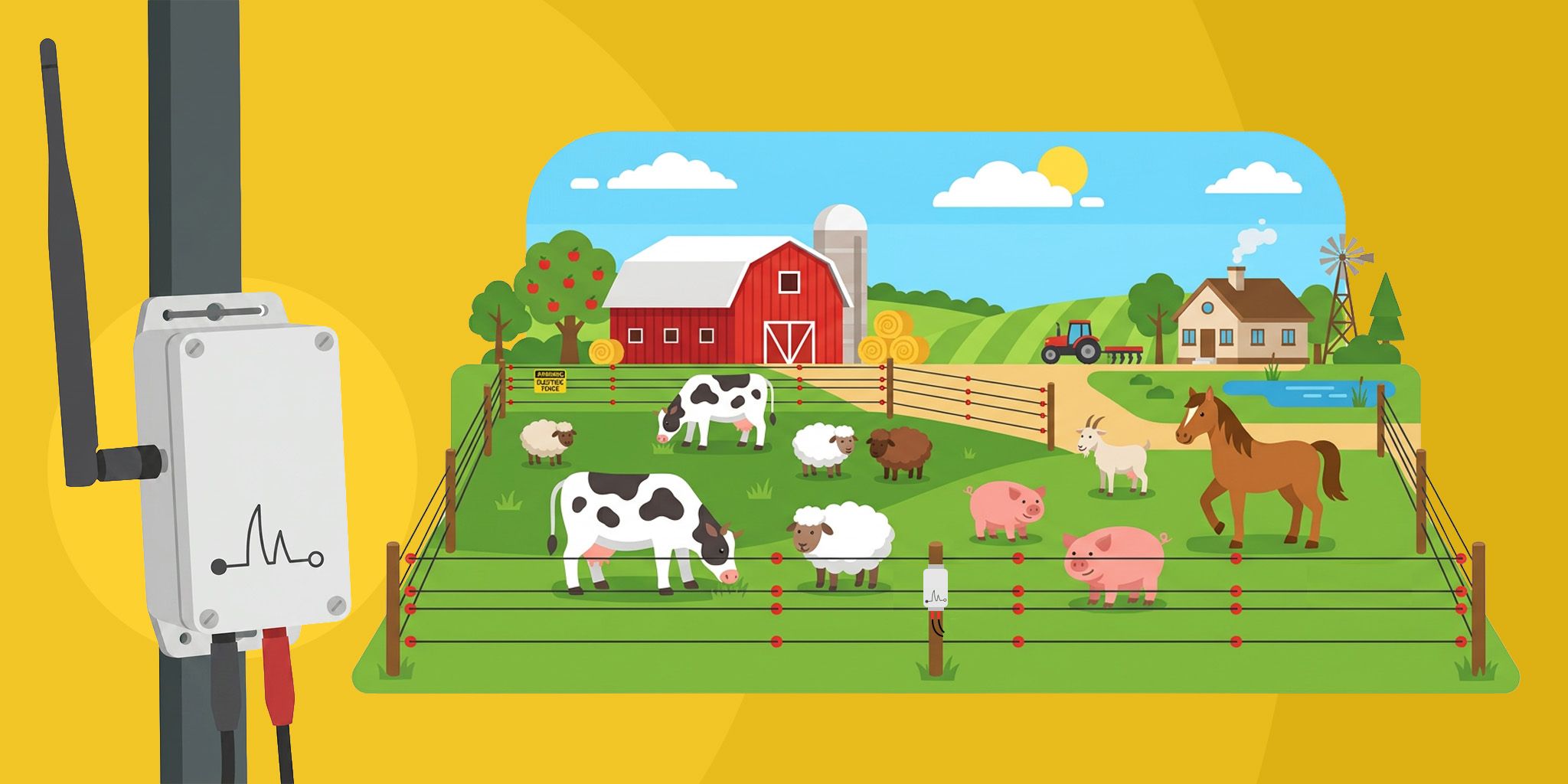
Electric Fence Monitoring for Agriculture
Solar-powered sensors detect faults, voltage drops, and tampering instantly. Receive alerts within minutes and secure your property.
Solar-powered sensors detect faults, voltage drops, and tampering instantly. Receive alerts within minutes and secure your property.
Safora
Safora

Related Solutions
Construction
Portable Job Site Security and Safety
Secure construction sites from day one with portable, AI-powered video monitoring that moves with your crews.
Iveda
Maritime & Boating
Long-Endurance Aerial Monitoring and Response
AI-powered analytics and mission-ready aircraft for public safety, maritime, search and rescue, and emergency response.
Iveda
Agriculture
Electric Fence Monitoring for Agriculture
Solar-powered sensors detect faults, voltage drops, and tampering instantly. Receive alerts within minutes and secure your property.
Safora