Why Edge AI Hardware Requires More Than Just a Lab Simulation to Succeed
Why Edge AI Hardware Requires More Than Just a Lab Simulation to Succeed

- Last Updated: April 8, 2026
Emily Newton
- Last Updated: April 8, 2026

The rise of edge artificial intelligence (AI) is transforming everyday devices into smart systems that process data locally for faster, real-time decisions. However, building hardware that works reliably outside the lab requires more than simulations — it demands careful edge AI manufacturing to handle heat, vibration, power limits, and environmental stresses.
As industries push for smarter automation, designing field-ready devices has become critical for meeting growing market needs.
The Growing Appetite for Edge AI Hardware
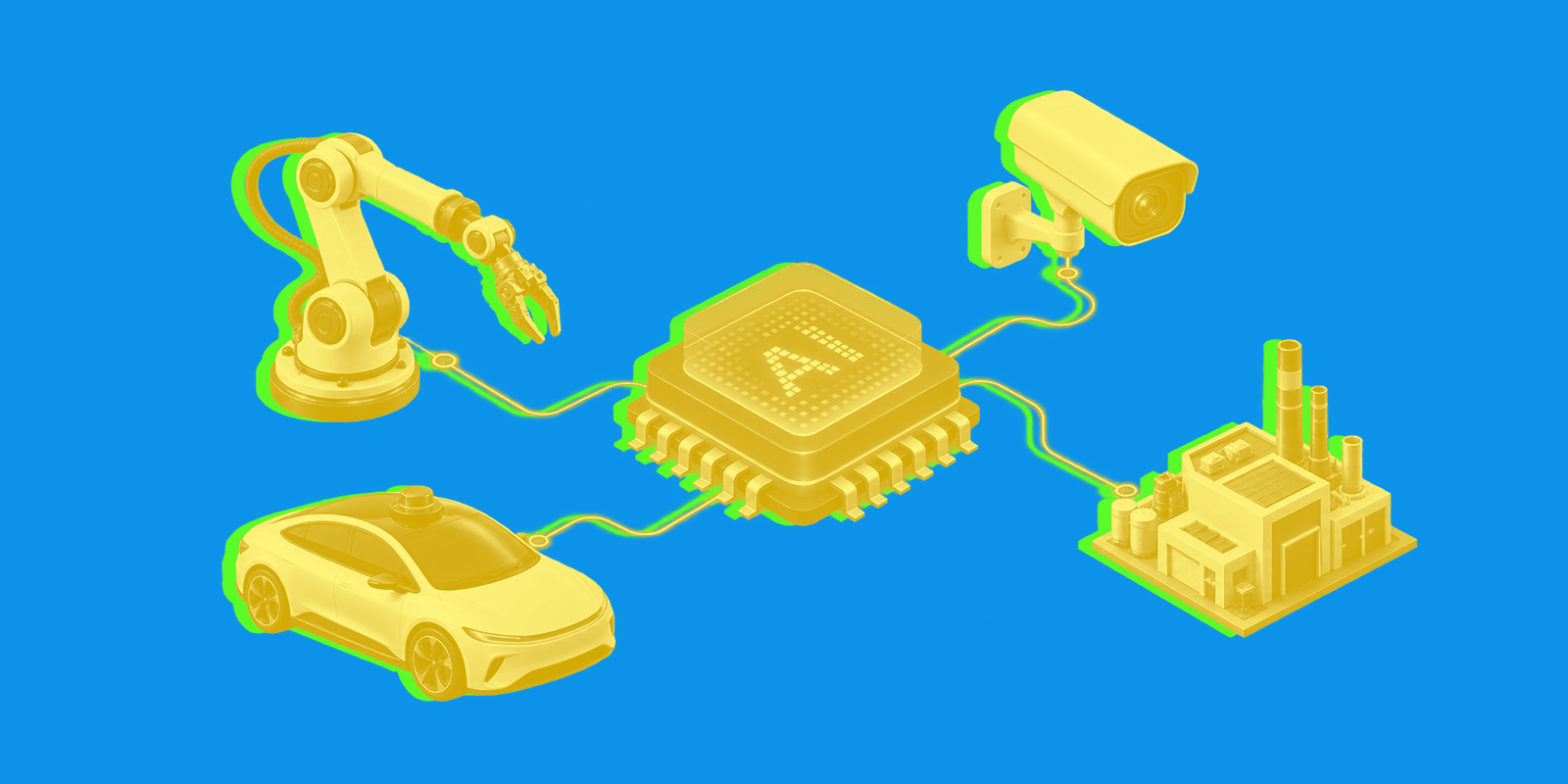
Edge AI adoption is booming as organizations embrace use cases spanning autonomous vehicles, smart cities, and factory automation. Industry analysts forecast continued growth in the edge AI hardware market, driven by the need for real-time processing and local intelligence. This demand brings a host of challenges that go beyond performance numbers collected under ideal conditions.
What Lab Simulations Say
In controlled lab environments, engineers evaluate an edge AI system’s performance using benchmarks — measuring things like throughput, accuracy, and power draw under predictable conditions. These tests are essential because:
- They help compare alternative chipsets and platforms.
- They reveal basic performance ceilings for AI models.
- They guide initial hardware selections before deployment.
Lab tests only capture a fraction of what real-world deployment requires. They assume stable temperature, steady power, and predictable workloads — conditions rarely found outside the engineering bunker.
Real-World Factors That Break Simulations
When AI hardware moves into the field, several realities emerge — and these are where lab setups often fall short.
Heat and Thermal Stress Under Load
High-performance edge AI chips generate significant heat. Advanced AI accelerators enable powerful inference, but higher performance brings greater power consumption and thermal demands that small edge enclosures must manage efficiently.
Heat in the real world isn’t constant. It fluctuates with ambient temperature, duty cycle, and workload spikes. A device that cools fine in a 22 °C lab may struggle in a +40 °C warehouse or automotive bay. Prolonged heat cycles can degrade performance or shorten hardware life, issues that simple simulations rarely capture.
Mechanical Stress and Vibration
Edge AI devices often operate in environments with constant motion and vibration, such as military vehicles or factory lines. Thermal expansion combined with vibration puts solder joints and internal connections under a “double threat,” creating stresses that lab simulations alone can’t replicate.
Engineers address this with combined thermal and vibration testing, used in aerospace and automotive fields, to see how electronics respond to heat and motion together. This testing highlights potential weaknesses and helps ensure rugged, field-ready edge AI hardware that performs reliably in the real world.
Power Variability and Consumption Limits
Unlike data center hardware, which runs on stable power and robust cooling, edge AI devices often operate on limited power budgets. Remote sensors, battery-powered Internet of Things (IoT) gateways, and mobile autonomous machines all run with constrained energy, and peak AI workloads threaten to drain power fast.
Battery limitations also influence thermal design. Without active cooling systems, which themselves consume power, devices must balance performance with energy efficiency. These trade-offs are difficult to predict accurately through lab testing alone, especially when devices are expected to operate unattended for long durations.
Weather, Dust, and Environmental Extremes
In controlled environments, dust, humidity, and temperature swings can be ignored. In real use, they can destroy sensor optics, corrode connectors, and impede cooling. Outdoor deployments may face rain, sunlight, freezing nights, and heat waves — conditions that lab chambers can mimic in isolation but not in realistic combinations over time.
Devices designed strictly for lab environments may overlook crucial sealing, rugged enclosure design, and environmental resilience that field hardware demands.
Heterogeneous Hardware Complexity
Edge AI hardware comes in many forms — from microcontrollers and neural processing units (NPUs) to full system-on-chips (SoCs). Deployments in industrial settings often require heterogeneous systems with central processing units (CPUs), graphics processing units (GPUs), and AI accelerators working in concert.
Managing such hardware diversity adds complexity to software stacks, drivers, and integration frameworks that lab tests rarely stress. Lab environments typically simplify integration assumptions — a scenario rarely true once devices plug into broader ecosystems of networks, sensors, and external services.
Why Real Field Testing Matters
Given these real-world variables, the bottom line is simple — lab simulations cannot substitute for rigorous field validation. A working proof-of-concept in an idealized environment is only a first step. To build robust, reliable, long-lasting edge AI hardware, developers must go further:
- Thermal cycling and environmental stress testing: Expose devices to real temperature swings, humidity, and vibration profiles over extended periods.
- Power-cycling and battery stress tests: Simulate real power disruptions, brownouts, and load variations.
- Interoperability and system integration tests: Verify performance when interacting with other edge devices, networks, and backend systems.
- Long-duration reliability validation: Continuous operation stress tests catch subtle degradation modes that short lab runs cannot reveal.
Nondestructive testing (NDT) methods further enhance these efforts. Vibration-based, ultrasonic, or other nondestructive techniques let engineers evaluate components under stress without damaging prototypes. This allows early identification of weaknesses in solder joints, boards, or connectors, reducing the risk of costly field failures and ensuring edge AI hardware can withstand real-world conditions.
Some organizations even deploy early “pilot fleets” of hardware into production environments to gather real-world usage telemetry before a full rollout. This approach reveals surprises that no simulation could predict.
What Edge AI Manufacturers Are Doing
Manufacturers and researchers are increasingly aware of these demands. For example, government and academic initiatives now emphasize collaborative research to strengthen the robustness and cybersecurity of edge AI hardware in real deployments. Moreover, innovations in power-aware design, optimized cooling, and rugged enclosures are being incorporated from the earliest development stages and not as afterthoughts.
Despite this progress, a clear gap remains between lab validation and real-world use. Bridging that space is the difference between a working prototype and a successful product deployed at scale.
Edge AI Beyond the Lab
The future of AI at the edge is bright, but success depends on more than lab performance. Addressing real-world stresses through rigorous testing is essential for robust, long-lasting systems. As edge AI hardware demand continues to rise across industries, developers must integrate reliability, resilience, and field-readiness into edge AI manufacturing from day one.
Lab simulations provide insights, but true performance emerges only when hardware meets the unpredictable realities of the real world. Investing in thorough testing and thoughtful design today ensures that tomorrow’s edge AI devices can operate confidently in any environment.

The Most Comprehensive IoT Newsletter for Enterprises
Showcasing the highest-quality content, resources, news, and insights from the world of the Internet of Things. Subscribe to remain informed and up-to-date.

New Podcast Episode

Building Real-Time Voice AI Experiences

Related Articles