



Securing the Edge: Are Credential Vulnerabilities Leaving You Exposed?
Securing the Edge: Are Credential Vulnerabilities Leaving You Exposed?

- Last Updated: April 23, 2026
Michael Greene
- Last Updated: April 23, 2026
Once associated primarily with consumer devices and wearables, IoT has matured into a core enabler of digital transformation across enterprise sectors. Similarly, edge computing has evolved from a specialized innovation into the standard for numerous data processing needs.
As Forrester Principal Analyst Michele Pelino puts it, “Edge computing and IoT are no longer niche technologies—they are foundational to enterprise resilience.” As they become increasingly ingrained in operations, attention is shifting to how best to protect them from today’s barrage of cyber threats.
As with many technology trends, IoT and edge security have lagged behind their development and adoption. While there are many areas to consider, one of the most pressing is credential-related vulnerabilities. According to the 2025 Verizon DBIR, stolen passwords and credentials are the primary access vector, used in 88% of basic web application attacks. Companies have struggled to mitigate this vulnerability for decades, and the issue is even more complex in IoT and edge environments for numerous reasons, including:
- Default Passwords: Many IoT devices continue to ship with default passwords, often listed in manuals and other product documentation. This is the leading cause of IoT compromise, and was behind a cyberattack on Poland’s energy sector late last year. According to this incident analysis, “At grid connection points and substations, industrial controllers and RTUs were accessed using default credentials. In multiple cases, attackers logged in as administrators because the devices were still running factory usernames and passwords.”
- Weak & Shared Credentials: Even when a new password is created, they are often a weak or easily guessable phrase chosen for convenience. In addition, it’s not uncommon for them to be shared among employees to manage IoT devices and systems. This significantly expands the attack surface and, given the pervasive issue of password reuse across work and personal sites, also increases the likelihood that the credential will appear in a data leak on the Dark Web—a hidden corner of the internet often associated with the exchange of stolen information. Using a single password across multiple devices and systems also exposes organizations to additional risk. If just one of these is compromised, hackers can easily move undetected across the network.
- Stored Credentials: Edge devices often store login credentials for connecting to data centers, cloud APIs, message brokers, or other applications. If these are stolen, threat actors can obtain high-privilege access to sensitive upstream accounts and systems. Because companies often have limited security tools at the edge, identifying and defending against these perimeter threats is challenging.
- Credential Lifecycle Management: Another common issue is that passwords are rarely changed, stale accounts remain active, and organizations lack a unified way to govern device and service identities.
- Lack of Strong Authentication: Many IoT and edge devices also lack additional authentication measures, such as MFA or certificate-based device identity. The latter makes it easy for attackers to impersonate legitimate devices to infiltrate networks, steal data, or engage in other malicious activities.
Addressing these issues is a complicated process and necessitates a layered approach. Both IoT and edge devices should be logged and monitored for unusual behavior, even when they are inside the firewall, to protect against lateral movement. It’s also important to configure edge nodes with the principle of least privilege, including the IoT devices they manage. In addition, they must have higher observability given that they oversee multiple IoT devices and connect to critical infrastructure.
Combatting Credential Vulnerabilities
With data breaches occurring in near real time, gaining visibility into password data on the Dark Web is one of the most important steps in preventing credential-related abuse. This allows companies to act when a compromise is detected, rather than after the fact when the damage has already been done. Particularly as enterprises become more reliant on IoT and edge computing, this level of threat intelligence is a critical component of any proactive, modern security strategy.

The Most Comprehensive IoT Newsletter for Enterprises
Showcasing the highest-quality content, resources, news, and insights from the world of the Internet of Things. Subscribe to remain informed and up-to-date.

New Podcast Episode

Building Real-Time Voice AI Experiences

Related Articles


Related Solutions

Long-Endurance Aerial Monitoring and Response
AI-powered analytics and mission-ready aircraft for public safety, maritime, search and rescue, and emergency response.
AI-powered analytics and mission-ready aircraft for public safety, maritime, search and rescue, and emergency response.
Iveda
Iveda
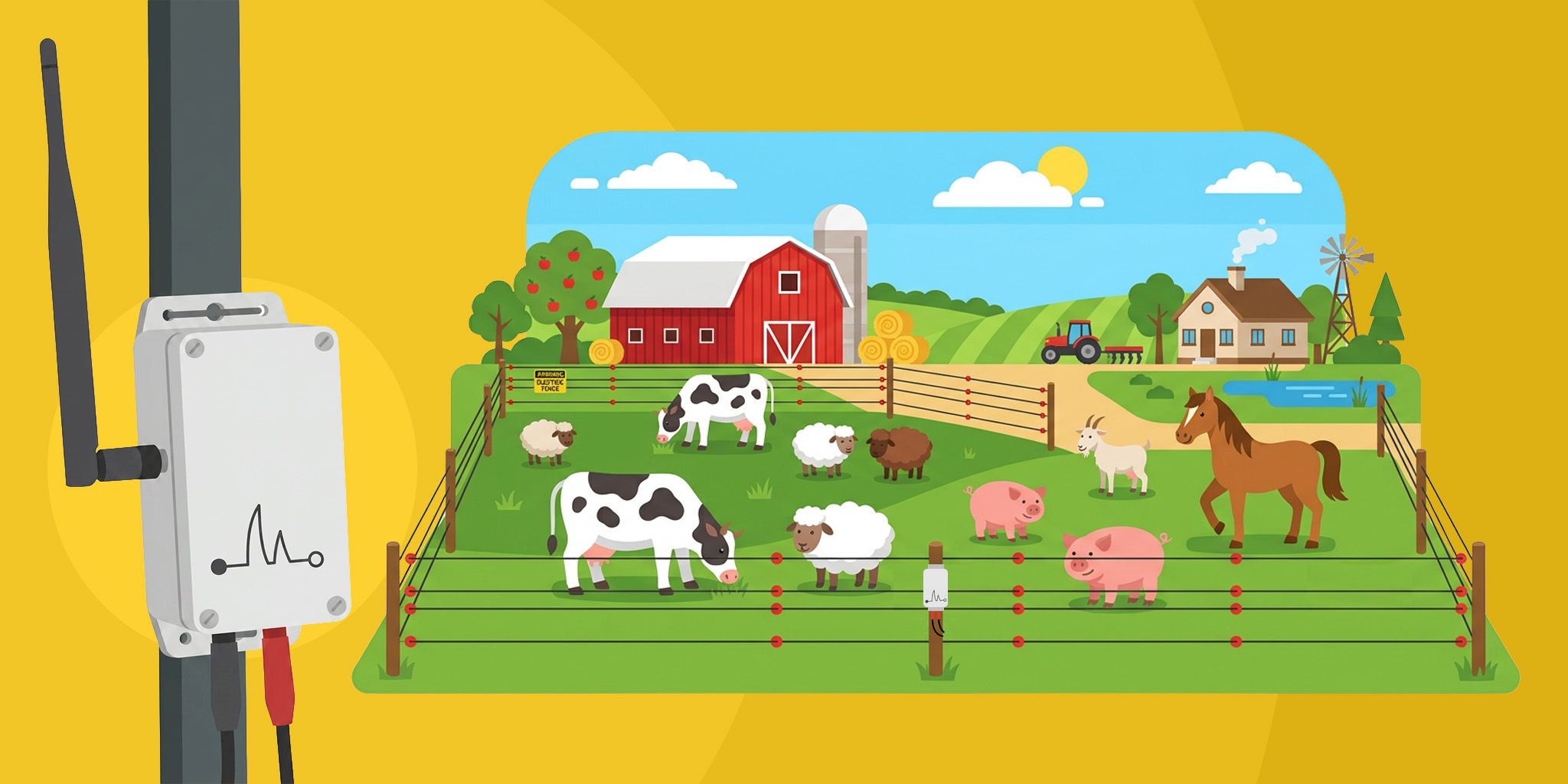
Electric Fence Monitoring for Agriculture
Solar-powered sensors detect faults, voltage drops, and tampering instantly. Receive alerts within minutes and secure your property.
Solar-powered sensors detect faults, voltage drops, and tampering instantly. Receive alerts within minutes and secure your property.
Safora
Safora

Child Safety Badges for Large Venues
Smart badges enable instant reunification, proactive alerts, and a safer, more trusted guest experience.
Smart badges enable instant reunification, proactive alerts, and a safer, more trusted guest experience.
Iveda
Iveda

Related Solutions
Maritime & Boating
Long-Endurance Aerial Monitoring and Response
AI-powered analytics and mission-ready aircraft for public safety, maritime, search and rescue, and emergency response.
Iveda
Agriculture
Electric Fence Monitoring for Agriculture
Solar-powered sensors detect faults, voltage drops, and tampering instantly. Receive alerts within minutes and secure your property.
Safora
Buildings & Facilities
Child Safety Badges for Large Venues
Smart badges enable instant reunification, proactive alerts, and a safer, more trusted guest experience.
Iveda