



Healthcare IoT Has a Connectivity Problem. It Just Doesn't Look Like One Yet.
Healthcare IoT Has a Connectivity Problem. It Just Doesn't Look Like One Yet.

- Last Updated: August 26, 2026
Monogoto
- Last Updated: August 26, 2026

Connected devices are leaving controlled environments and showing up in ambulances, clinics, patients’ homes, and everywhere in between. They’re collecting data, communicating with platforms, and supporting care that depends on connectivity being available when it matters. Yet connectivity is often treated like a commodity.
Pick a carrier. Pick a SIM. Check the coverage map. Negotiate the price. Then move on.
That approach gets harder to maintain when your devices need to work for five, ten, or fifteen years. Because connectivity isn’t just a means to get a healthcare device online. It affects security, regulatory requirements, coverage, device lifecycle management, and what happens when today’s network isn’t the best network for tomorrow.
Connected Care Raises the Stakes
A connected medical device doesn’t operate in a perfectly controlled environment. It may move between coverage areas. It may need to work across borders. It may encounter outages or changes in network conditions. And if it’s deployed in a patient’s home, you can’t assume someone will be there to troubleshoot if connectivity fails. Security adds another layer.
Claroty's Team82 analyzed 2.25 million connected medical devices across 351 healthcare organizations and found known exploited vulnerabilities affecting devices in 99% of the organizations studied. The takeaway isn’t simply that healthcare devices need stronger security; it’s that connectivity needs to be considered as part of the broader security architecture. And regulation is moving in the same direction as well. Cybersecurity requirements are increasingly part of the medical device conversation, with proposed changes to the HIPAA Security Rule pointing toward stronger expectations around encryption, asset inventories, risk management and more.
This is proof that connectivity may not be the most visible part of a connected care product, but it can influence almost everything underneath it.
The Coverage Map Isn’t the Whole Story
“Global coverage” sounds great on paper, but what happens when a carrier changes its network? When roaming isn’t the right option for a particular area? When a device needs to switch connectivity? When cellular coverage isn’t available? And who actually controls that change?
These questions rarely come up in a 50-device deployment. They matter a lot more at 50,000 devices. At scale, manually replacing SIMs, managing carrier relationships, or sending someone into the field to fix connectivity issues isn’t sustainable.
That’s why healthcare teams need to think beyond “Will it connect?” And rephrase that to “Can we control, secure, and adapt connectivity throughout the entire device lifecycle?"
The Connected Care Connectivity Checklist
Getting that answer means looking beyond network coverage and pricing. It means considering:
- Security: Can connectivity support the device's security architecture?
- Regulatory fit: Can the connectivity model support the requirements across different markets?
- Coverage: What happens when a network isn’t available?
- SIM strategy: Can connectivity be managed remotely as requirements change?
- Device lifecycle: What happens five years from now?
- Operations: Can thousands of devices be managed without thousands of manual interventions?
These aren't questions to save for deployment. They're questions to answer before you choose your connectivity strategy. See the full guide for more.

The Most Comprehensive IoT Newsletter for Enterprises
Showcasing the highest-quality content, resources, news, and insights from the world of the Internet of Things. Subscribe to remain informed and up-to-date.

New Podcast Episode

Building Real-Time Voice AI Experiences

Related Articles




Related Solutions
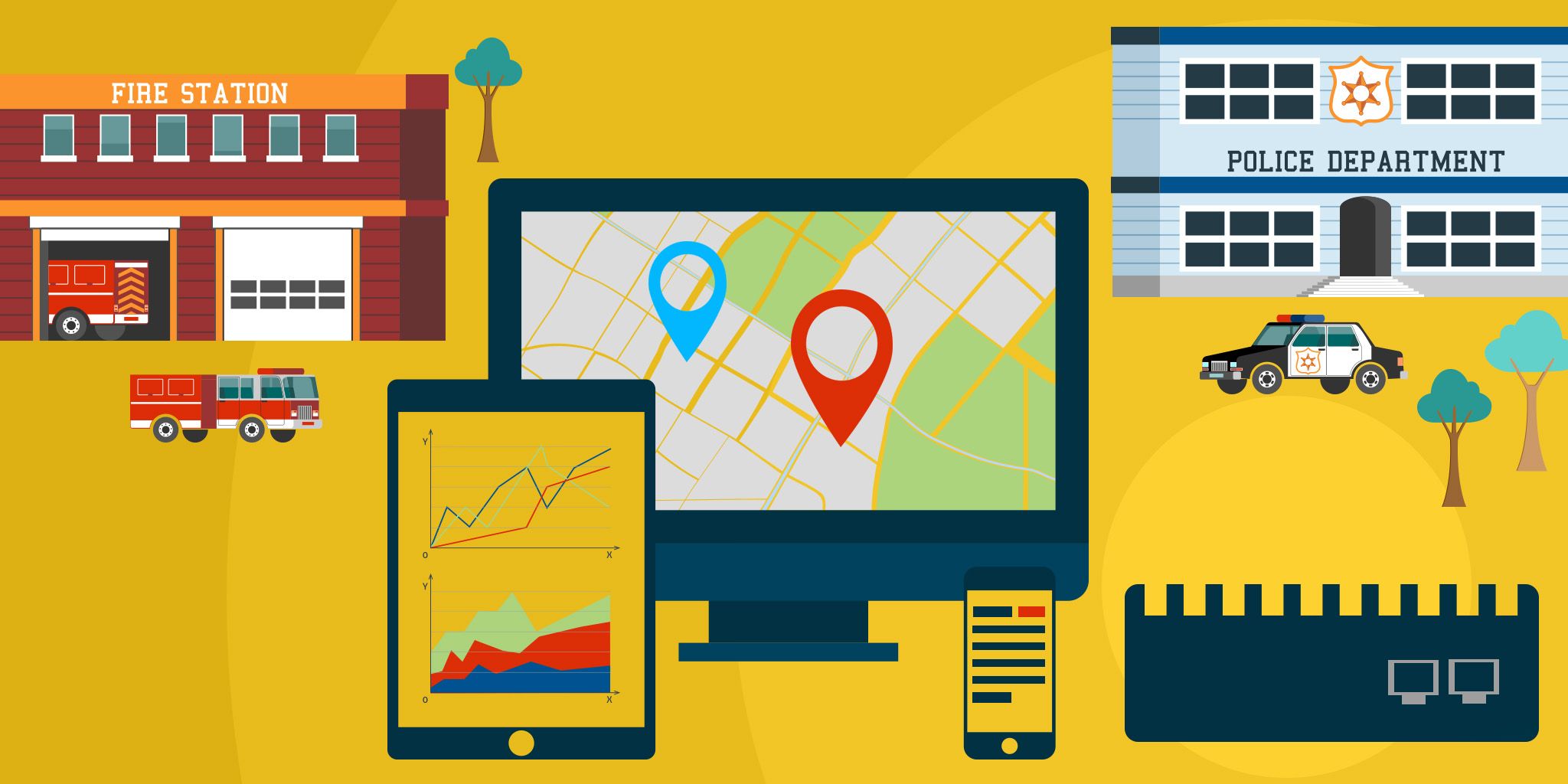
Mobile Networking for Public Safety
Enable data sharing, enhanced situational awareness, and secure communication across vehicles, devices, and command centers.
Enable data sharing, enhanced situational awareness, and secure communication across vehicles, devices, and command centers.
Digi
Digi

Asset and Inventory Monitoring
Track assets, monitor performance, and maintain persistent connectivity to improve supply chain efficiency, security, and uptime.
Track assets, monitor performance, and maintain persistent connectivity to improve supply chain efficiency, security, and uptime.
Digi
Digi

Primary and Failover Connectivity for Retail
4G/5G cellular networks for enabling uninterrupted retail operations with seamless support and rapid deployment across stores.
4G/5G cellular networks for enabling uninterrupted retail operations with seamless support and rapid deployment across stores.
KORE
KORE

Related Solutions
Smart Cities
Mobile Networking for Public Safety
Enable data sharing, enhanced situational awareness, and secure communication across vehicles, devices, and command centers.
Digi
Supply Chain & Logistics
Asset and Inventory Monitoring
Track assets, monitor performance, and maintain persistent connectivity to improve supply chain efficiency, security, and uptime.
Digi
Retail
Primary and Failover Connectivity for Retail
4G/5G cellular networks for enabling uninterrupted retail operations with seamless support and rapid deployment across stores.
KORE