



What We Learned Operating 500,000 IoT Endpoints on a 0G Network in Mexico
What We Learned Operating 500,000 IoT Endpoints on a 0G Network in Mexico

- Last Updated: May 13, 2026
0G IoT Solutions
- Last Updated: May 13, 2026
Most IoT discussions are theoretical. Here's what we actually learned operating 500,000+ monitored endpoints across Mexico for the past decade.
I'm Daniel Guevara, CEO of 0G IoT Solutions (IoTNet Mexico). We operate the Sigfox 0G network in Mexico and have evolved into a multi-technology IoT integrator offering Sigfox 0G, LoRaWAN, NB-IoT, and Cat-M1. Our network spans 1,000+ base stations across 200+ cities, processing 8 million messages daily.
Here are five lessons that apply to anyone deploying IoT at scale.
1. Ultra-Low Power Is Everything
When you have 500,000 endpoints, sending a technician to change a battery is a logistics nightmare. Our electric meters operate with individual Sigfox NIC cards that require no battery replacement for the life of the deployment. For sensor applications, we achieve 5-10 year battery life.
At scale, every dollar per device per year matters. A seemingly small cost of $10 per battery replacement multiplied by 500,000 devices multiplied by every two years equals $2.5 million annually—just on batteries. Extend that to maintenance-free operation and you eliminate $25 million in field costs over the deployment lifetime.
This isn't a technical detail. It's the difference between a viable business and one that bleeds cash.
2. Twelve Bytes Is Enough
When we started, everyone laughed at Sigfox's 12-byte payload limit. But here's the reality: a smart meter reading is just a number. A temperature sensor sends a number. A door sensor sends a single bit.
We enforce rigid binary payload formats per device type. Byte 0-1 is always the reading, byte 2 is status flags, and byte 3 is battery voltage. No JSON, no REST APIs, no schema changes. Every device of a given type sends identical payloads.
The constraint forced simplicity, and simplicity at scale is an advantage. Less parsing, smaller database rows, cheaper storage, and way fewer integration bugs.
3. Infrastructure Ownership Beats Renting
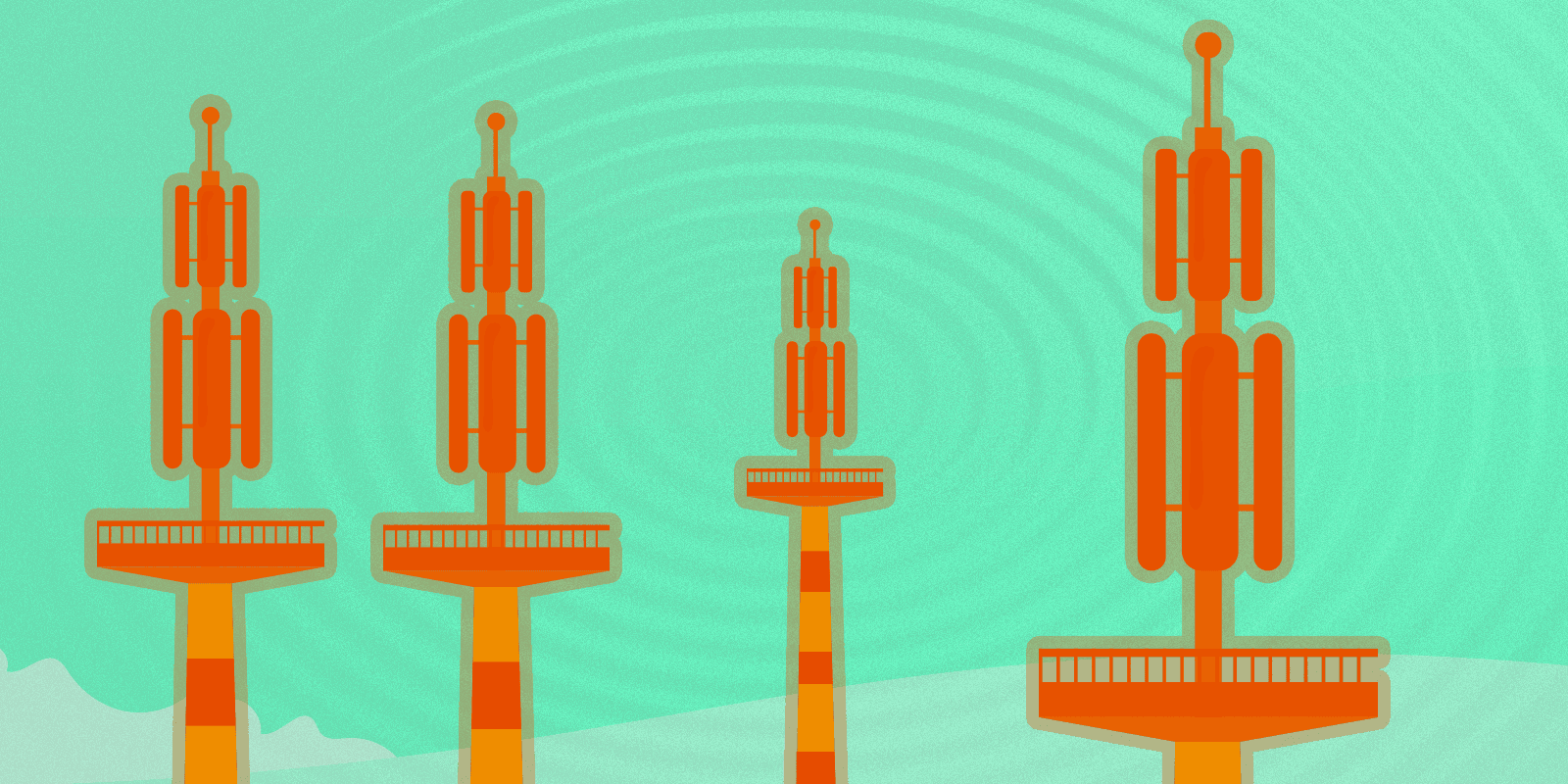
Instead of renting expensive telecom towers, we install small base stations on residential and commercial rooftops. Property owners receive free internet access in exchange for roof access.
This creates natural alignment. If our antenna goes down, the host's internet goes down too—so they call us immediately. Our network availability is higher than traditional tower-based deployments because we have thousands of motivated monitors across the country.
This model also proved critical during the Sigfox SA bankruptcy in 2022. Because we own and operate all our infrastructure in Mexico, we continued processing 8 million messages daily without a single day of disruption. Our independence from the parent company's financial problems was only possible because we owned every base station, server, and backend system.
4. Multi-Technology Is the Future
After Sigfox SA's insolvency, we pivoted to offering Sigfox 0G alongside LoRaWAN, NB-IoT, and Cat-M1. Different use cases need different technologies:
- 500,000 meters with maintenance-free operation? Sigfox 0G
- Private factory or campus network? LoRaWAN
- Need to send larger payloads or support mobility? NB-IoT or Cat-M1
The client doesn't care which radio technology delivers their data. They care that it arrives reliably at the lowest total cost. We select the optimal technology per use case rather than forcing everything through a single protocol.
5. The Hidden 85% Will Kill Your Project
Hardware and connectivity represent only 15% of the total cost of an IoT project over 10 years. The other 85% is:
- Cloud infrastructure and data storage
- System integration (connecting to billing systems, SCADA, ERP)
- Maintenance and field operations
- Security updates and compliance
- Device lifecycle management
Most projects that fail don't fail because of technology — they fail because they budgeted for 15% of the actual cost. Our TCO analysis shows the traditional approach costs 71% more than an integrated model over 10 years for a 500,000-endpoint deployment.
The Market Has Barely Started
Mexico has 46 million electric meters. Only about 1% are connected today. The smart water metering market is even more underpenetrated—Mexico loses an estimated 43% of distributed water due to a lack of measurement.
These aren't theoretical numbers. They represent massive, real-world infrastructure that needs IoT connectivity at a price point that only LPWAN technologies can deliver.
What's Next
The convergence of LPWAN, cellular IoT, and, eventually, satellite backhaul will create truly ubiquitous coverage. We're already piloting multi-protocol orchestration at the fleet level—not asking each device to choose its technology, but managing the technology mix across the entire deployment.
The IoT industry needs more operational transparency and less marketing. The data speaks louder than any pitch deck.
Daniel Guevara is the CEO of 0G IoT Solutions (IoTNet Mexico), the Sigfox 0G network operator in Mexico. With over 10 years of experience operating IoT networks at scale, he oversees a platform of 500,000+ monitored endpoints across 200+ cities.

The Most Comprehensive IoT Newsletter for Enterprises
Showcasing the highest-quality content, resources, news, and insights from the world of the Internet of Things. Subscribe to remain informed and up-to-date.

New Podcast Episode

Building Real-Time Voice AI Experiences

Related Articles




Related Solutions
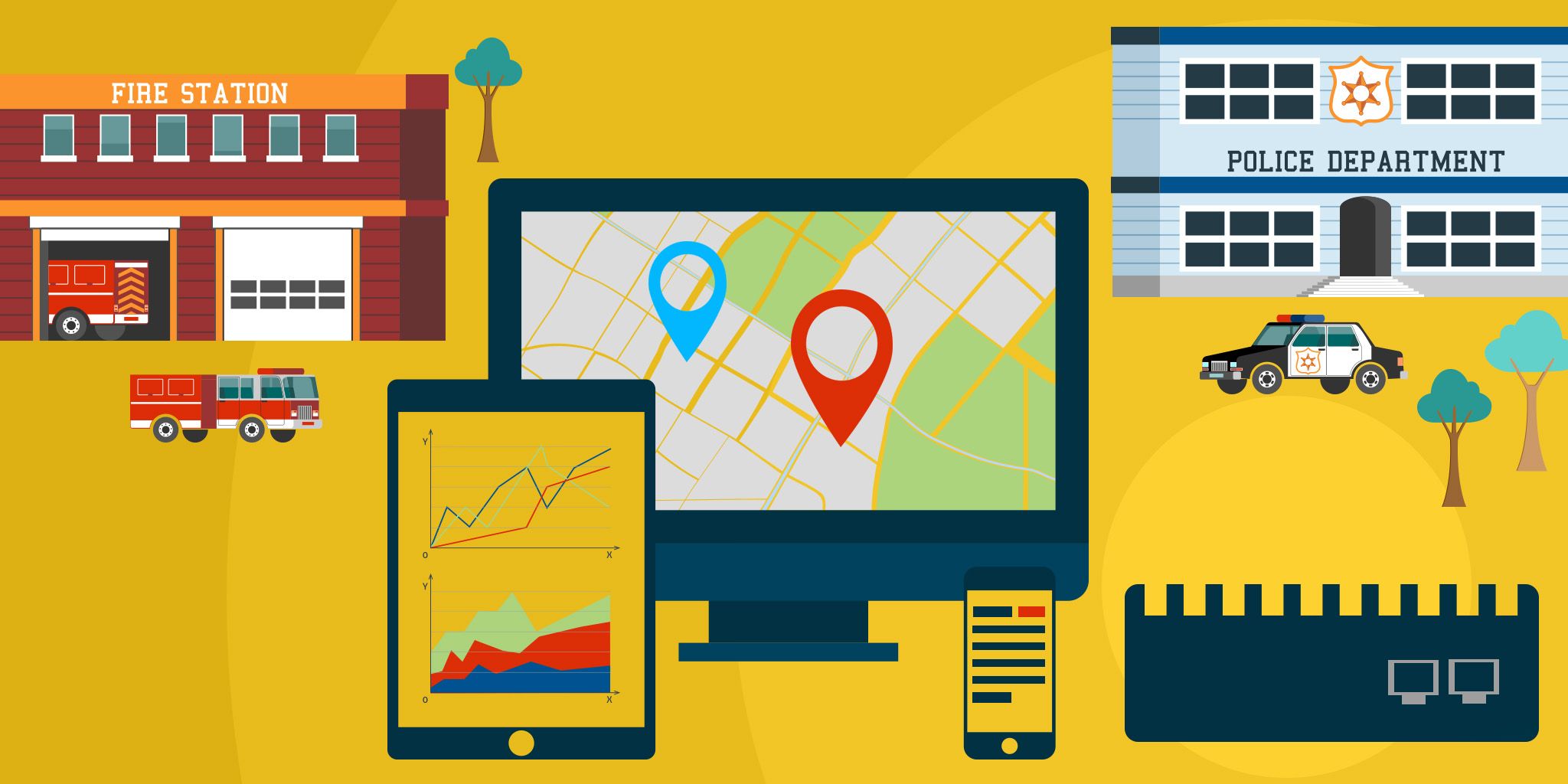
Mobile Networking for Public Safety
Enable data sharing, enhanced situational awareness, and secure communication across vehicles, devices, and command centers.
Enable data sharing, enhanced situational awareness, and secure communication across vehicles, devices, and command centers.
Digi
Digi
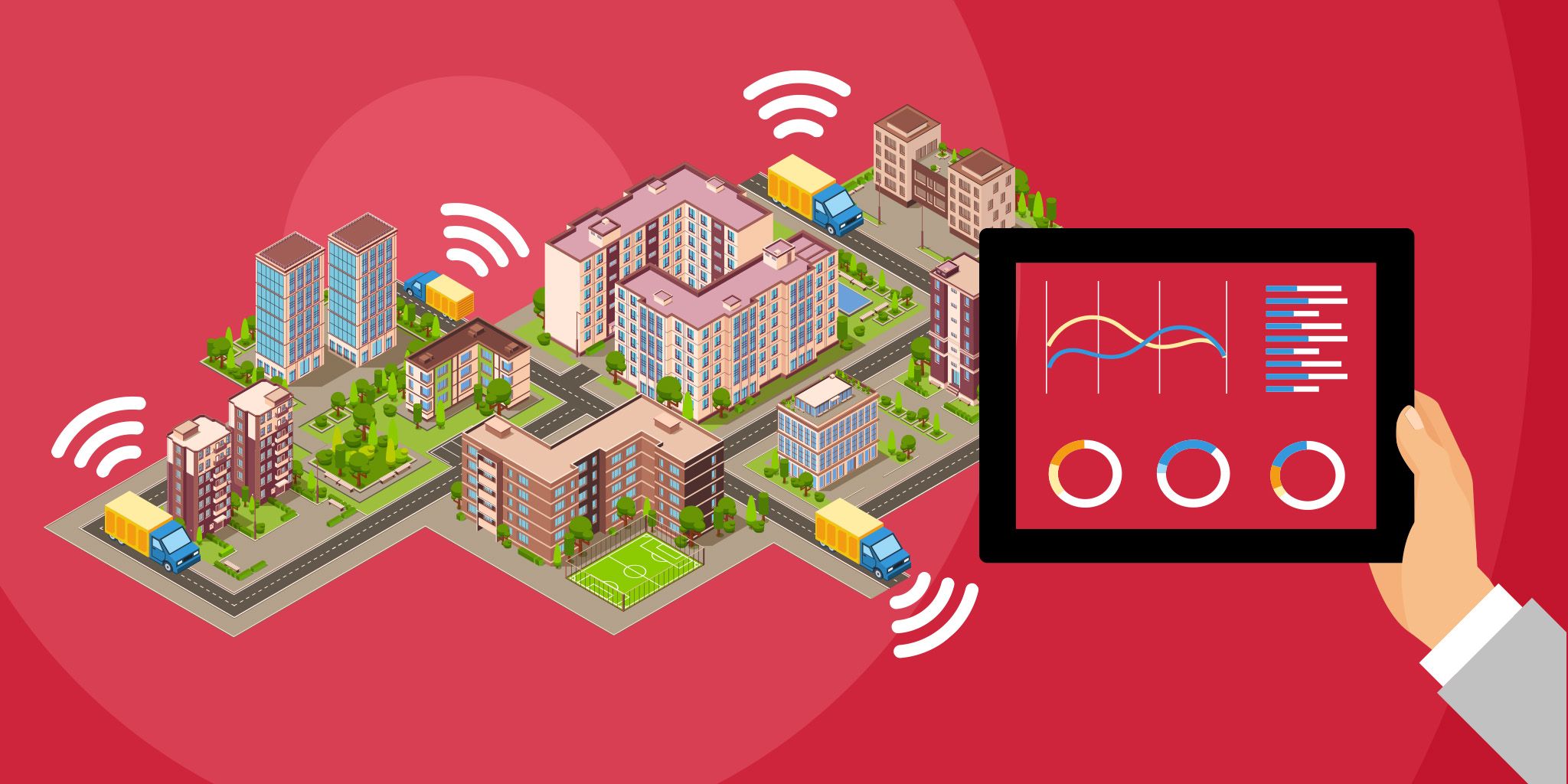
Asset and Inventory Monitoring
Track assets, monitor performance, and maintain persistent connectivity to improve supply chain efficiency, security, and uptime.
Track assets, monitor performance, and maintain persistent connectivity to improve supply chain efficiency, security, and uptime.
Digi
Digi

Primary and Failover Connectivity for Retail
4G/5G cellular networks for enabling uninterrupted retail operations with seamless support and rapid deployment across stores.
4G/5G cellular networks for enabling uninterrupted retail operations with seamless support and rapid deployment across stores.
KORE
KORE

Related Solutions
Smart Cities
Mobile Networking for Public Safety
Enable data sharing, enhanced situational awareness, and secure communication across vehicles, devices, and command centers.
Digi
Supply Chain & Logistics
Asset and Inventory Monitoring
Track assets, monitor performance, and maintain persistent connectivity to improve supply chain efficiency, security, and uptime.
Digi
Retail
Primary and Failover Connectivity for Retail
4G/5G cellular networks for enabling uninterrupted retail operations with seamless support and rapid deployment across stores.
KORE