



Solving the Agri-Commerce Puzzle with IoT
Solving the Agri-Commerce Puzzle with IoT

- Last Updated: February 12, 2026
sanjeev reddy
- Last Updated: February 12, 2026

Agri-commerce represents the convergence of agriculture and consumer market economy; essentially, it's about the flow of crops, livestock, and food products from farm to the table. In the past, it has been disjointed, inefficient, and overly reliant on intermediaries. Problems such as a lack of product traceability, manual operations, and limited market access made it challenging for farmers to increase their earnings and for consumers to have confidence in product quality.
The emergence of digital agri platforms, e-commerce farming, and AgriTech solutions is the main driver of this shift. IoT is the essence of this change. The Food and Agriculture Organization of the United Nations (FAO) predicted that the global population will likely reach 9.8 billion by 2050, and that, to feed the world, food production must increase by nearly 70% by 2050.
By installing sensors, tags, and real-time connectivity throughout the agri-value chain, IoT enables smart farming commerce. It boosts productivity, reduces waste, and connects rural farmers to online markets.
Digitizing agri-commerce not only changes food distribution but also decentralizes markets, helping include small-scale farmers who, in many cases, still live in remote areas with limited access.
Lack of Supply Chain Visibility
Real-Time Tracking and Data-Driven Logistics
A major challenge in agri-commerce is that people cannot trace the source of food or its movement. IoT tracking systems use RFID, smart tags, and GPS sensors to collect data on a product's origin throughout the supply chain.
Such gadgets enable tracking a shipment down to the exact location, and they also verify the shipment of goods from the farm to the retail outlet. For example, temperature-controlled sensors monitor temperature; if it changes during transport, an alert is triggered. As highlighted in FAO’s IoT in agriculture report, these sensor-based systems significantly reduce spoilage, improve cold chain logistics, and enhance end-to-end traceability.
The use of blockchain makes it possible to record the handoff in an unchangeable way, thereby securing the chain's trust.
The end result is an agri chain with sensors, where traceability is not a mere marketing claim but a feature backed by data, thus reducing spoilage, fraud, and delivery uncertainties.
Market Access for Farmers
Democratizing Access to Markets
Most small-scale farmers are left out of formal markets as they live far, have low output, or are not aware of the market. IoT gateways and rural mobile apps have enabled such farmers to connect directly with buyers through B2B agri platforms.
Using simple smartphones, farmers are able to transmit real-time crop data collected through IoT sensors to the agricultural marketplace. Buyers get accurate information on expected crop yield, crop condition, and harvest readiness. This openness strengthens trust and eliminates the need for middlemen.
Farmers selling directly to consumers with the help of mobile IoT result in price transparency, fairer pricing, and increased income in tiny marketplaces that were inaccessible before.
Inconsistent Product Quality
Real-Time Quality Monitoring
Agricultural products are frequently delivered to markets with uncertain or inconsistent quality, leading to disagreements or refusals. IoT quality monitoring systems address this issue by measuring and recording environmental factors, such as moisture, humidity, and temperature, throughout storage and transport.
Smart containers equipped with freshness indicators can recognize spoilage risks; at the same time, data loggers generate a digital quality index that is shared with the buyers. For instance, shelf-life monitoring sensors in fruit crates alert sellers when the fruit is about to expire.
The IoT freshness tags help in reducing human mistakes during the quality inspections and also facilitate the automated rejection of defective goods prior to their arrival at the buyer, thus, supply chains are more efficient.
Buyer Fraud and Disputes
Smart Contracts and Trustless Transactions
It is typical for payments to be delayed and for there to be fraud in transactions in agriculture and commerce. By combining IoT with blockchain, smart contracts enable automated, secure transactions. These digital agreements will only be executed when certain predetermined conditions are met, such as delivery confirmation and compliance with quality standards.
For example, after the GPS verifies the delivery and the product's freshness is confirmed by the sensors, the farmer will automatically receive payment. In a dispute ledger, all occurrences are documented, thus greatly minimizing human interventions and waiting times.
Thus, this trustless system eliminates the need for mediators, prevents transaction fraud, and increases buyer protection in digital agri-commerce.
Price Inefficiency
Data-Driven Dynamic Pricing for Commodities
Commodity prices in agriculture are generally decided without current data on supply and demand. By using IoT sensors together with satellite data and market analytics, it becomes possible to create dynamic pricing models.
Harvest volume prediction using farm yield sensors is a case in point, in which IoT pricing engines adjust market prices based on supply forecasts and regional demand models. Buyers receive real-time updates through agri data dashboards, which enable them to make timely and competitive bids.
Thus, smart pricing mechanisms become the outcome that not only helps farmers to increase their earnings but also buyers to have less price volatility.
Delivery Delays & Food Wastage
Optimizing Last-Mile Delivery in Rural Zones
One of the main reasons for the loss of vegetables and fruits in rural areas is the delay in supply. Smart logistics can solve this problem by optimizing transport routes using IoT tools such as route optimization, geofencing, and vehicle monitoring, thereby making deliveries more efficient and quicker.
Freshness-tracking sensors can warn operators if the temperature of the goods exceeds the limits, and delay alerts can also be issued if the product is likely to be delayed. As a result, perishable goods, such as milk, vegetables, and fruits, can be delivered to the market in a fresh state.
Smart logistics not only helps in reducing food wastage but also enhances the delivery reliability of the rural supply chains.
Data Fragmentation Across Platforms
Unified Agri Data Ecosystems
Agricultural commerce is still working in isolation, one area after another: farmers, transporters, markets, and regulators all have their own systems, separate from each other. The Internet of Things (IoT) solves this by enabling unified data ecosystems through edge computing, API integrations, and centralized agri data lakes.
Farm data from sensors, weather stations, and various machines is combined and displayed on a single analytics dashboard, providing all stakeholders with a comprehensive view. Decision-making, predictions, and operations management get a boost as a result of this integration.
By using marketplace telemetry and receiving real-time condition updates from IoT devices, the guesswork is taken out of the equation, and supply is meeting actual market demand.
Regulation & Compliance
Enabling Automated Compliance with Agri Standards
Compliance with agricultural standards, including pesticide use limits, organic certification, and cold storage regulations, is often complex and heavily reliant on paperwork. By enabling real-time compliance reporting, IoT sensors help automate this task.
Examples of such activities include generating pesticide records from smart sprayers, monitoring storage conditions, and creating automated audit trails that provide data for inspections or certifications. Regulatory technology solutions also instantaneously identify any non-compliance.
The change has reduced the burden on farmers and exporters while increasing transparency and speeding up approvals in cross-border trade.
Future-Ready Farming Commerce
Building Scalable, Resilient Marketplaces with IoT
IoT doesn't simply fix today's problems; it is also building the backbone of resilient food systems and smart farming for a climate. By leveraging precision agriculture, edge IoT, and 5G connectivity, especially in rural areas, the future of agri-commerce is poised to be scalable and data-driven.
Essentially, farms are becoming connected ecosystems where various elements, such as soil sensors, irrigation systems, drones, and marketplaces, can communicate in real time. The incorporation of these technologies into agricultural practices not only supports the development of green agri-tech but also helps to minimize the environmental footprint and accelerate the digital transformation of agriculture.
As rural areas become equipped with affordable sensors and connectivity, a new era of sustainable IoT farming will emerge. Such farming will not only focus on increasing productivity but will also emphasize transparency and environmental resilience.

The Most Comprehensive IoT Newsletter for Enterprises
Showcasing the highest-quality content, resources, news, and insights from the world of the Internet of Things. Subscribe to remain informed and up-to-date.

New Podcast Episode

Building Real-Time Voice AI Experiences

Related Articles

Related Solutions
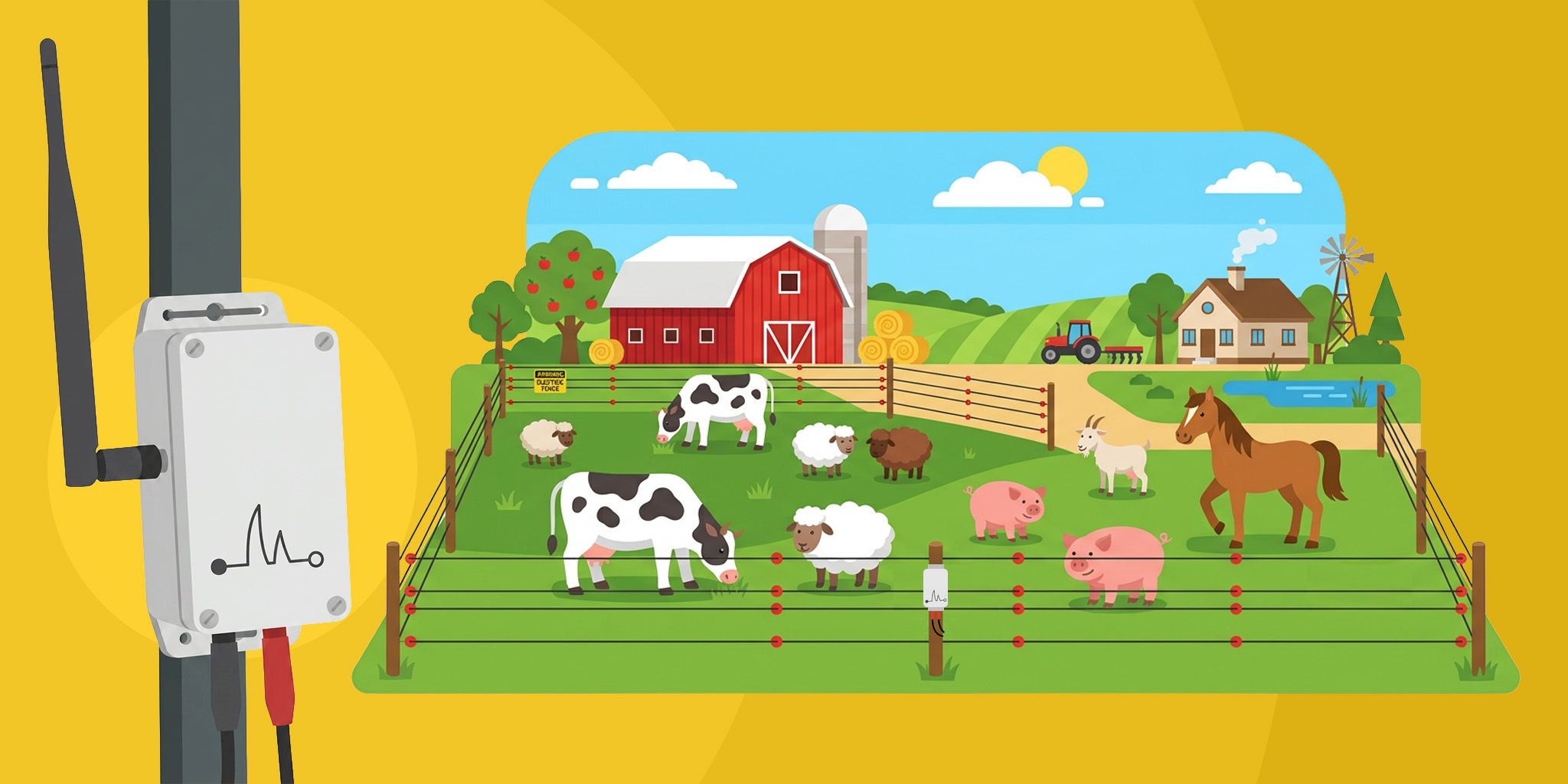
Electric Fence Monitoring for Agriculture
Solar-powered sensors detect faults, voltage drops, and tampering instantly. Receive alerts within minutes and secure your property.
Solar-powered sensors detect faults, voltage drops, and tampering instantly. Receive alerts within minutes and secure your property.
Safora
Safora
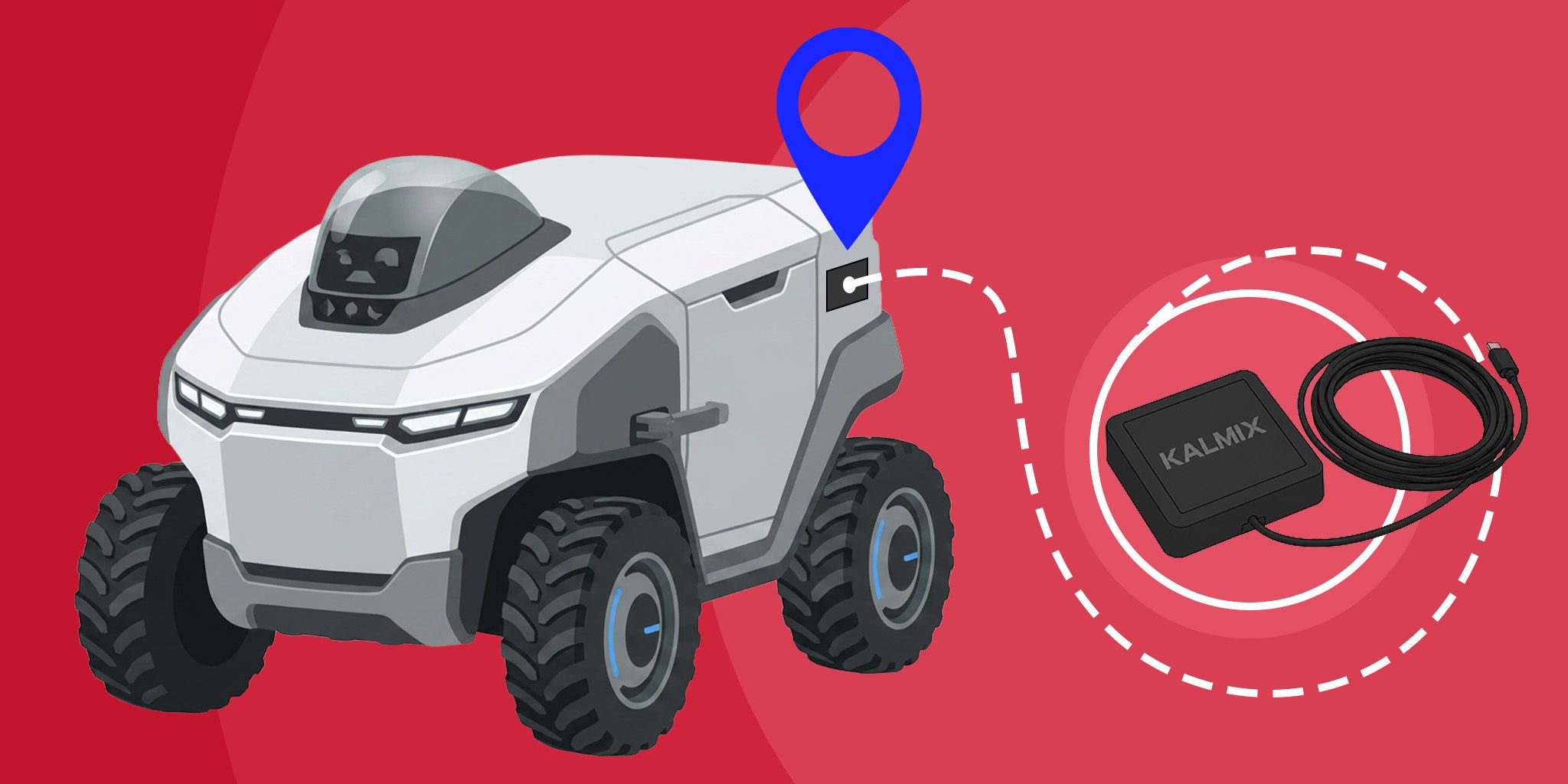
RTK Positioning for Robotics and Field Machines
High-precision positioning. Achieve centimeter-level accuracy without the complexity of building custom hardware from scratch.
High-precision positioning. Achieve centimeter-level accuracy without the complexity of building custom hardware from scratch.
Kalmix
Kalmix

Smart Aquaculture with AI Insights
AI‑driven analytics to optimize aquaculture operations — predict mortality events, detect disease early, and enhance equipment reliability.
AI‑driven analytics to optimize aquaculture operations — predict mortality events, detect disease early, and enhance equipment reliability.
VROC
VROC

Related Solutions
Agriculture
Electric Fence Monitoring for Agriculture
Solar-powered sensors detect faults, voltage drops, and tampering instantly. Receive alerts within minutes and secure your property.
Safora
Industrial
RTK Positioning for Robotics and Field Machines
High-precision positioning. Achieve centimeter-level accuracy without the complexity of building custom hardware from scratch.
Kalmix
Agriculture
Smart Aquaculture with AI Insights
AI‑driven analytics to optimize aquaculture operations — predict mortality events, detect disease early, and enhance equipment reliability.
VROC