
How IoT Can Enhance the Gaming Experience
How IoT Can Enhance the Gaming Experience

- Last Updated: July 8, 2026
Zac Amos
- Last Updated: July 8, 2026
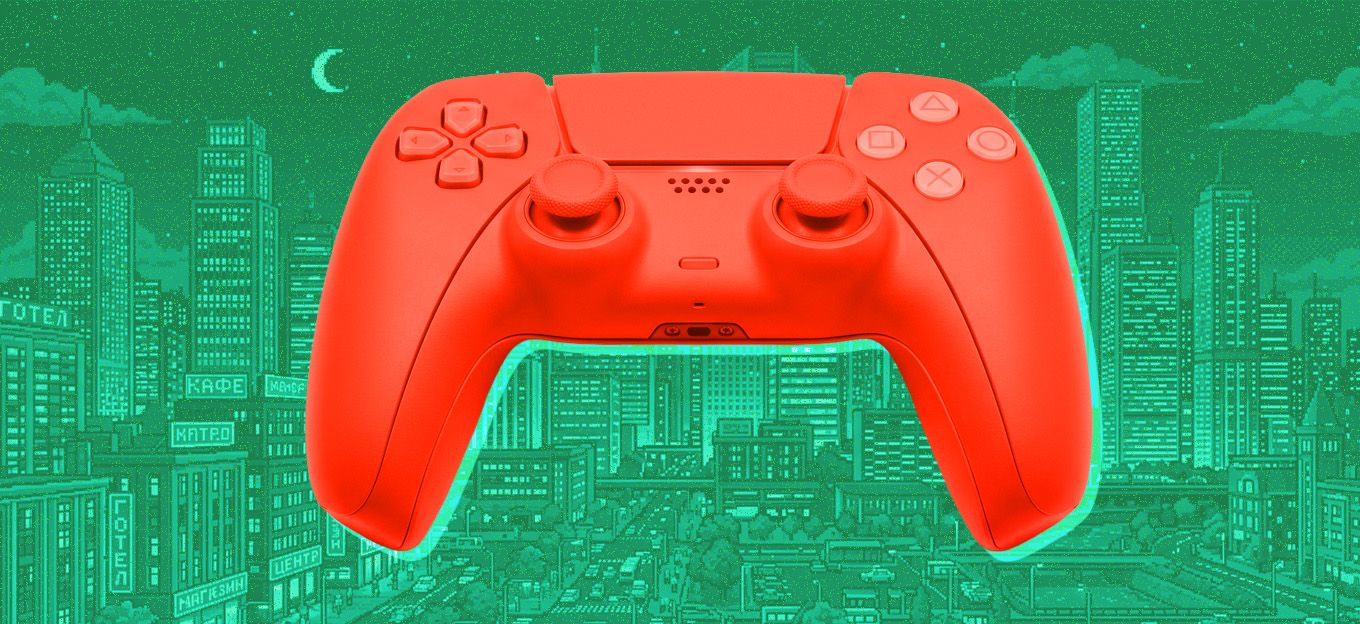
The gaming industry is expanding, with new technologies transforming how consumers play and engage with games. One of the largest developments is the Internet of Things (IoT), which allows objects to communicate and exchange data in real time.
Connected technology is becoming increasingly widespread in everyday life and is starting to impact the gaming experience in new and simple ways. As a result, IoT is powering the future of gaming, from smarter hardware to more responsive game experiences.
Creating Immersive Home Gaming Setups
With IoT-enabled devices entering home gaming setups, the distinction between digital and physical gaming experiences is blurring amid the gaming industry's tremendous growth. The worldwide gaming sector is projected to grow from $343.22 billion in 2025 to $386.04 billion in 2026, creating greater opportunities for technologies that enhance how users interact with games.
Smart lighting is one of the most obvious use cases. Connected lighting systems may automatically change colors and brightness in response to in-game events, making players feel more connected to the virtual environment. For example, a horror game can dim the lights when tension builds, while a racing game could have the lights change color dynamically to reflect the action on screen.
IoT is also enhancing tactile feedback during gameplay. Some gaming chairs now feature connected sensors and haptic tech that can vibrate or respond to events such as collisions or explosions. These reactions provide another level of immersion without requiring gamers to wear additional gear.
Connected audio systems and smart speakers can also help set the vibe. They can provide ambient sounds that regular headphones or television speakers cannot by synchronizing with games. As IoT technology becomes more widespread in households, these connected devices are helping to create gaming settings that feel more dynamic and engaging.
Personalizing the Gaming Experience
IoT technology is making gaming experiences more personalized to individual players. Connected devices can gather real-world data and generate insights that enable games to respond to a player’s activity in new ways. The trend is likely to rise alongside the wearable technology market, which is forecast to grow from $219.30 billion in 2025 to $575.73 billion by 2031.
Game makers currently analyze player data to understand engagement better and improve gameplay. For example, Elden Ring players have participated in about 6 billion tough boss fights, providing developers with a wealth of gameplay data. The IoT takes this one step further by collecting data from connected devices outside the game, such as smartwatches, fitness trackers, and other wearables.
This additional information may enable more tailored experiences. For example, a horror game can sense when a player's heart rate increases and increase the atmosphere's spookiness. Or a fitness game may offer tasks appropriate to a player’s exercise level. Connected gadgets could also give developers a better understanding of how people interact with games over time, which can translate into more responsive, flexible experiences.
As wearable devices become more prevalent, the IoT could increasingly help bridge the gap between real-world activity and digital entertainment. Rather than giving every player the same experience, future games could adapt to personal tastes and behaviors in real time.
Improving Gaming Accessibility
IoT is expanding the audience for gaming, allowing gamers to connect and tailor their experiences in additional ways. This is especially crucial given the growing need for inclusive gaming. Data show there are around 46 million gamers with disabilities in the U.S. alone, underlining the need for solutions that aid in breaking down obstacles to participation.
One of the most promising applications is the development of IoT-powered adaptive controllers. They can be adjusted for varying physical abilities and integrated with other smart devices to create a more comfortable gaming setup. Players can modify controls, sensitivity levels, and device location to suit their own needs.
IoT also enables the use of other input devices besides standard controllers. Eye-tracking technologies, voice commands, and biometric sensors can enable players to browse menus, control characters, or interact with game environments in ways that may be more accessible. These gadgets offer an alternative for players who find traditional gaming hardware difficult to use.
Connected gadgets can also customize the gaming environment itself. Whether it’s smart lighting or audio systems, these settings can be instantly modified to suit a player’s preferences or accessibility requirements. With the further evolution of IoT technology, it has the potential to make gaming more inclusive by enabling more individuals to participate comfortably and independently.
Enhancing Esports and Live Events
IoT is altering the way people play games, but it’s also changing how they watch them. With esports drawing ever-greater audiences, related technologies are helping to create more engaging experiences for fans at home and at live events. Newzoo estimates global esports viewership will reach over 640 million, underscoring the growing need for new solutions to bring fans closer to the action.
For example, during broadcasts, real-time data is used. During matches, data such as player statistics, heart rate, response time, and other performance measures can be collected and displayed using IoT-connected systems. This additional information can help audiences understand the decisions players make in high-pressure situations.
Connected technology is also turning live events into interactive experiences. In esports arenas, smart lighting and audio systems can synchronize with in-game events to create a more immersive ambiance for spectators. Coordinated visual and sound elements can make things feel more lively when major plays, wins, or in-game milestones occur.
IoT can enable second-screen experiences for fans at home. Connected devices and apps can provide more statistics and live updates to accompany the broadcast. As esports grow, the IoT is helping transform spectators into more engaged participants in the gaming experience.
The Future of Connected Gaming Is Here
IoT technology is creating new opportunities to make gaming more immersive, personalized, and accessible. From connected home setups to adaptive experiences, the IoT is helping reshape how people interact with games. As such, its influence is likely to grow as more devices become connected and integrated into everyday life.

The Most Comprehensive IoT Newsletter for Enterprises
Showcasing the highest-quality content, resources, news, and insights from the world of the Internet of Things. Subscribe to remain informed and up-to-date.

New Podcast Episode

Building Real-Time Voice AI Experiences

Related Articles