Designing Connected Embedded Systems: Why You Need an IoT Platform
Designing Connected Embedded Systems: Why You Need an IoT Platform

- Last Updated: December 23, 2025
The Embedded Kit
- Last Updated: December 23, 2025

A modern IoT system no longer simply executes fixed instructions. It observes, learns, and adapts. Take a connected lawn mower: it maps its environment using cameras to build a “mental” model of the garden. With onboard sensors (temperature, battery, tilt…), it adjusts its behavior based on internal and external conditions.
This logic of observation and adaptation relies on embedded software architecture capable of managing states, transitions, and conditional behaviors. The device becomes an autonomous agent, capable of making decisions locally.
What is an IoT platform?
An IoT platform (Internet of Things platform) is a software solution that enables remote connection, monitoring, and control of connected devices. It collects data from device fleets, stores and analyzes it, and can even send data back to the equipment for updates, for instance.
The Answer to the 3 Major Challenges
When designing connected embedded systems, industrial equipment manufacturers face major connectivity-related challenges. These pain points, often underestimated, can compromise the scalability, reliability, and maintainability of deployed devices.
#1: Fleet Management
In a B2B environment, manufacturers must manage thousands of heterogeneous devices across multiple hardware and software generations. This diversity complicates firmware updates, metric tracking, and communication protocol standardization. An IoT platform becomes essential to centralize operations, orchestrate OTA updates, and ensure functional consistency at scale.
#2: Geographic Distance
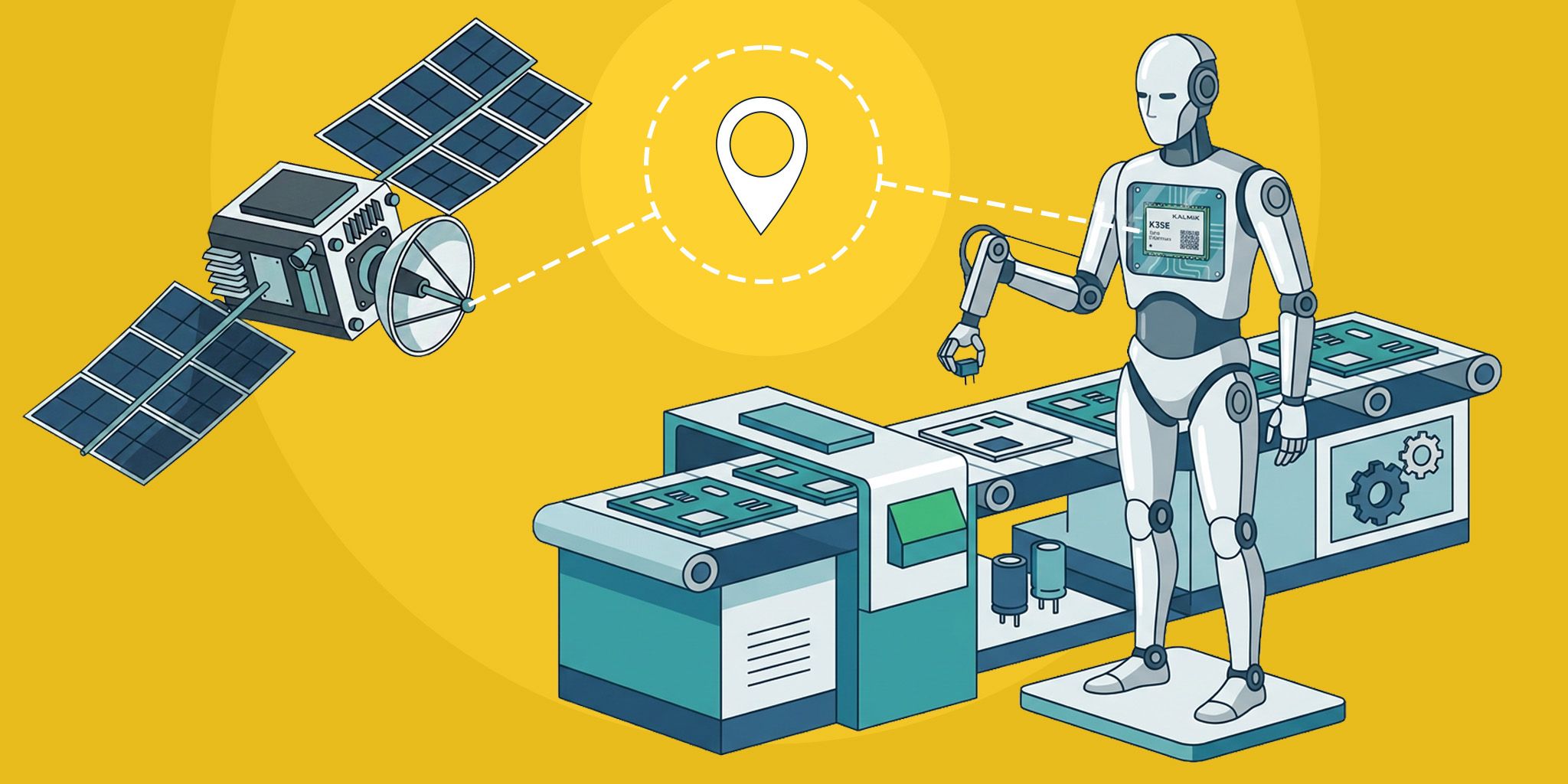
Devices are often deployed in rural, industrial, or hard-to-reach areas. Technicians can’t physically intervene for every incident or update. Connectivity must be robust, tolerant to interruptions, and able to operate over intermittent networks like LoRaWAN, NB-IoT, or satellite. A well-designed IoT platform enables remote supervision, fault diagnosis, and corrective actions without travel.
#3: Internal Company Organization
R&D, support, maintenance, and IT teams must collaborate around a shared reference system. Without a centralized cloud platform, responsibilities are unclear, data is scattered, and decisions are delayed. An IoT platform provides clear governance, with defined roles and access, facilitating coordination across hierarchical levels. It also consolidates multi-source observations, avoiding the organizational and technical “mess” often seen in industrial IoT projects.
The 6 Main Components of a Cloud Platform
#1: Cloud
To orchestrate this complexity, the cloud plays a central role. It acts as a “knot bag” connecting devices, users, and services. IoT cloud platforms like AWS, Azure, GCP, or OVHcloud centralize data, enable remote control of devices, and provide customized user interfaces. Let’s now look at the information flow between the device and the cloud.
#2: Network Layer
The first link in the chain is connectivity. Depending on the use case, several network technologies can be used:
- Satellite connections: Useful in rural or isolated areas, they transmit small volumes of data. Providers like Iridium or Garmin InReach modules use this type of link.
- LPWAN networks: Sigfox, LoRaWAN, NB-IoT are suited for low-power, low-bandwidth devices. Ideal for sensors that send data periodically.
- Cellular networks: 4G and 5G offer higher bandwidth, perfect for richer exchanges (video, OTA updates, etc.).
The choice depends on data volume, transmission frequency, and network coverage.
#2: Application Protocols
Once connectivity is established, a communication protocol must be chosen. For connected embedded systems, bidirectional dialogue is key. That’s why MQTT is the standard: lightweight and efficient, it allows devices to publish and subscribe to messages. HTTP, more verbose and request/response-oriented, is less suited to this type of communication.
#4: Security
Every exchange between device and cloud must be encrypted and authenticated. Using TLS certificates with mutual authentication ensures data integrity and confidentiality.
#5: Data Processing
Once messages reach the cloud, they’re processed via ETL (Extract – Transform – Load) pipelines:
- Extract: Fast ingestion via brokers like Kafka, ensuring resilience and temporary message persistence.
- Transform: Validation, enrichment (e.g., weather, ERP), cleaning, and structuring of data.
- Load: Storage in hot databases (CosmosDB, InfluxDB) for real-time use, and cold ones (Data Lake) for delayed analysis.
This pipeline ensures every message is processed without loss, even during temporary downstream service overloads.
#6: Web Interfaces and Single-Page Applications
To visualize data, modern web apps are built as Single Page Applications (SPA) using frameworks like Angular. These interfaces communicate with the backend via WebSockets, enabling real-time, bidirectional communication.
Historically, exchanges used HTTP polling. Today, WebSocket allows the server to push messages to the client as soon as an event occurs, without the need to wait for a request.
#7: Access Control
Finally, the IoT platform must include role-based access control. Depending on the user profile (admin, technician, supervisor), access to data and commands is filtered. This optimizes bandwidth, secures access, and tailors the user experience.
Critical messages are prioritized, cached if needed, and transmitted in real time. The goal: ensure a smooth and secure experience, even at scale.
Designing connected embedded systems relies on a coherent, secure, and scalable architecture. Our example of connected lawn mowers shows how sensors, connectivity, cloud, and web interfaces can be orchestrated to create autonomous, intelligent, and useful systems.
These projects are complex, requiring close collaboration between embedded, cloud, and front-end teams. But they deliver immense value to the end user, turning everyday objects into true intelligent agents.

The Most Comprehensive IoT Newsletter for Enterprises
Showcasing the highest-quality content, resources, news, and insights from the world of the Internet of Things. Subscribe to remain informed and up-to-date.

New Podcast Episode

Building Real-Time Voice AI Experiences

Related Articles