


How IoT Telematics Is Transforming Fleet Visibility And Operational Efficiency
How IoT Telematics Is Transforming Fleet Visibility And Operational Efficiency
- Last Updated: May 19, 2026
Track Your Truck
- Last Updated: May 19, 2026
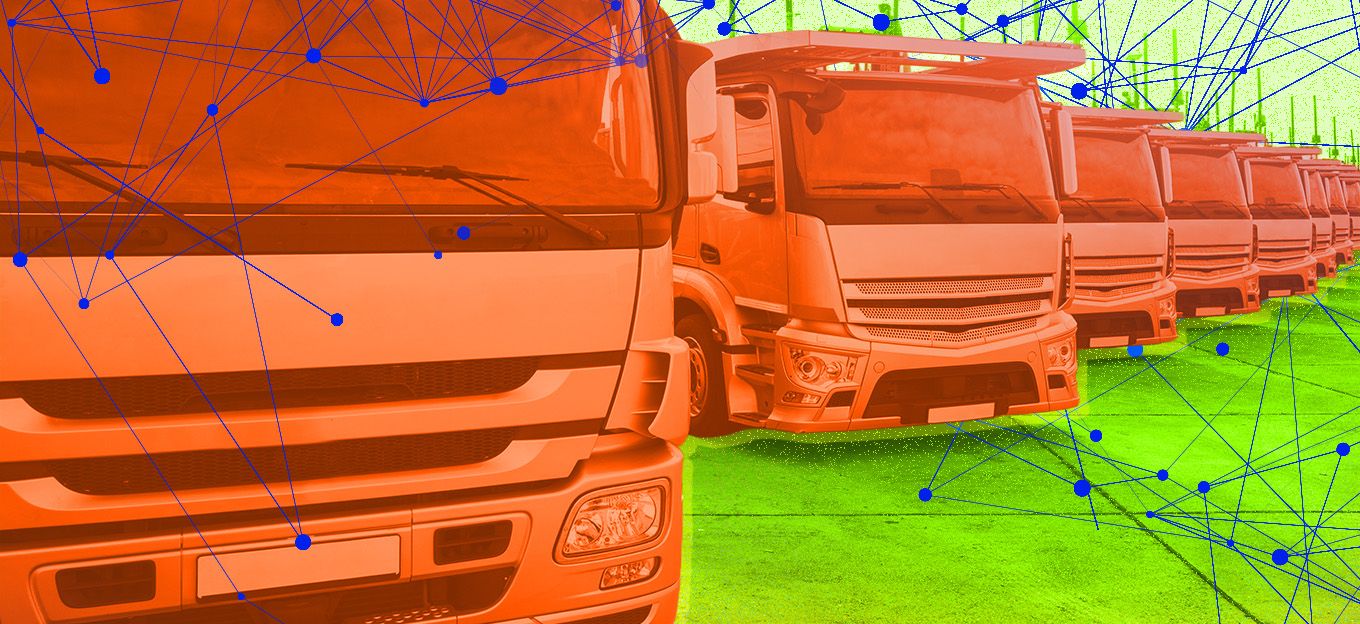
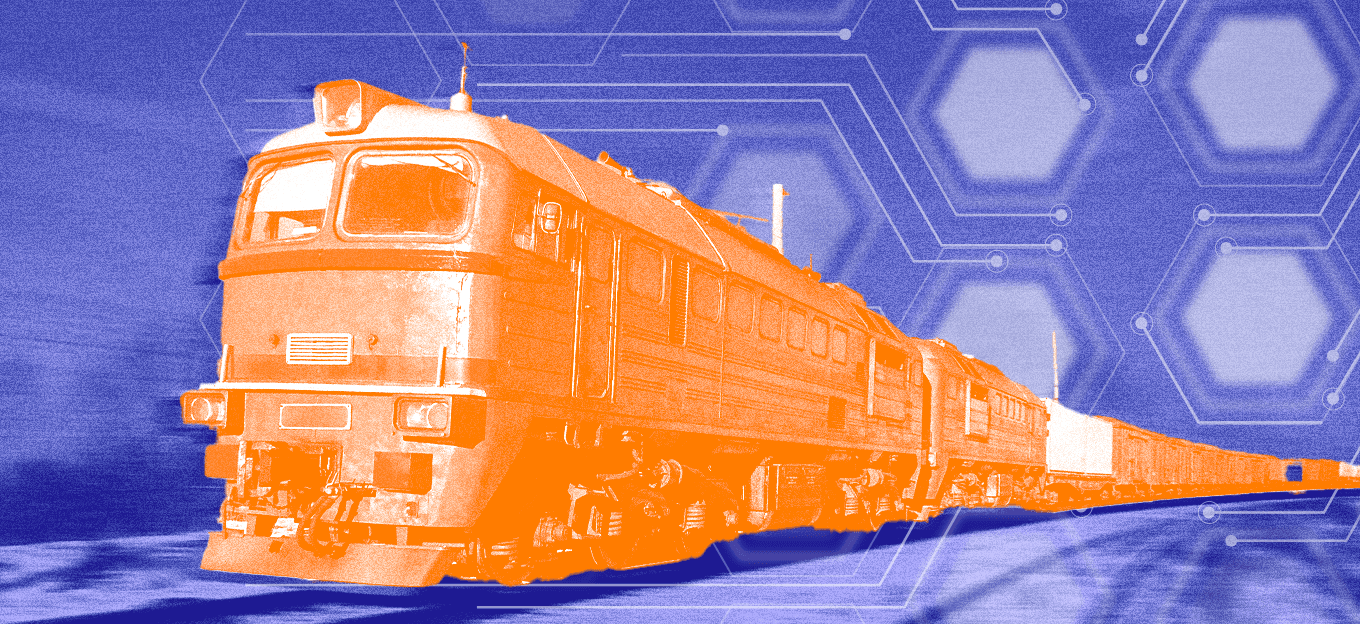
The fast-paced environment of global trade calls for fleet visibility more than ever before. Transportation requires quick access to information that helps fleet managers identify the location of each vehicle, optimize the route for prompt delivery, and make sure the driver follows the rules. The way businesses achieve these goals is through telematics and the Internet of Things.
Telematics is the technology that connects vehicles to services like GPS. IoT devices track vehicle performance data and report it back to a central hub. With this guide, IoT professionals can understand how these tools can improve operational efficiency.
Real-Time Tracking
Managing logistics requires access to real-time tracking. Fleets rely on GPS tracking devices and other telematics tools to provide steady updates about progress, so management can identify the position at a moment’s notice. With this data at their fingertips, fleet managers can select the vehicle that is closest to the appropriate location and assign a task immediately. This advantage can improve delivery speed and allow fleets to maintain high levels of service with fewer vehicles.
Route Optimization
Finding the best path to a particular delivery is an ideal use of data analytics. Fleets can significantly increase route efficiency by improving the time and distance of the last few miles. With IoT, fleet managers gather data about a vehicle’s current position. They can use that information to identify the most efficient route and send that information to the driver’s GPS device. The driver spends less time in traffic, and the company achieves a successful arrival more quickly.
Vehicle Diagnostics
Assessing the status of a vehicle in terms of condition, performance, and maintenance is a critical element of successful fleet operation. IoT devices monitor engine performance, fuel consumption, and other aspects of vehicle function. Fleet managers get a warning of vehicle problems, so they can take prompt action to correct them. A data analytics platform can take this information and make recommendations about optimal maintenance schedules and improved driver behaviors to increase fuel efficiency.
Driver Behavior Analytics
Fleet managers need to know how their drivers perform to avoid dangerous behaviors like drowsy driving or excessive speeds. Drivers may not even know that they are driving unsafely or breaking the law, without data to prove it. IoT systems inside vehicles can track driver behaviors, such as idle time or brake speeds. The fleet manager can use this information to identify drivers who need additional training and support, personalize training programs to individual driver needs, and ensure greater compliance with regulatory guidelines.
Smooth Connectivity
Few transportation firms have the time to sit and wait for data to come in, even if it is useful. The chief advantage of access to this data lies in the speed of connectivity through the use of current GPS technology and IoT devices.
A secure platform allows the system to transmit a range of data about vehicle performance and location to the central hub with minimal latency. With this information, fleet managers can make smarter, data-driven decisions about what to do next.
Being able to track a vehicle seamlessly without having to ask the driver to report information manually is a great benefit of telematics and IoT. Fleets utilizing this technology can increase fuel efficiency, reduce reckless driving, and maintain a fleet of vehicles with less work.

The Most Comprehensive IoT Newsletter for Enterprises
Showcasing the highest-quality content, resources, news, and insights from the world of the Internet of Things. Subscribe to remain informed and up-to-date.

New Podcast Episode

Building Real-Time Voice AI Experiences

Related Articles

Related Solutions
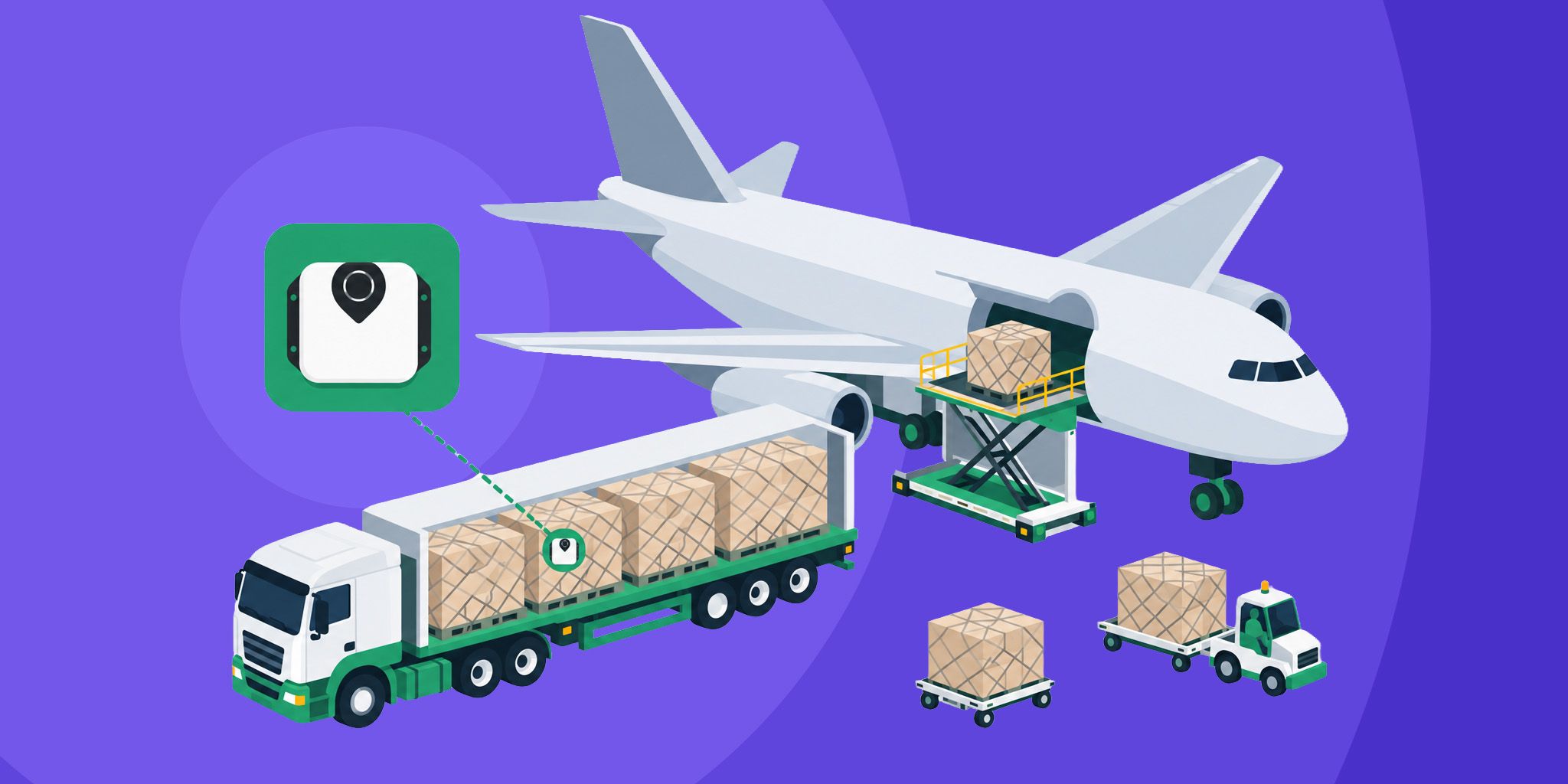
Unit Load Device Tracking for Airports
Real-time visibility into Unit Load Devices and supporting airport assets with solar-powered tracking and BLE.
Real-time visibility into Unit Load Devices and supporting airport assets with solar-powered tracking and BLE.
SODAQ
SODAQ
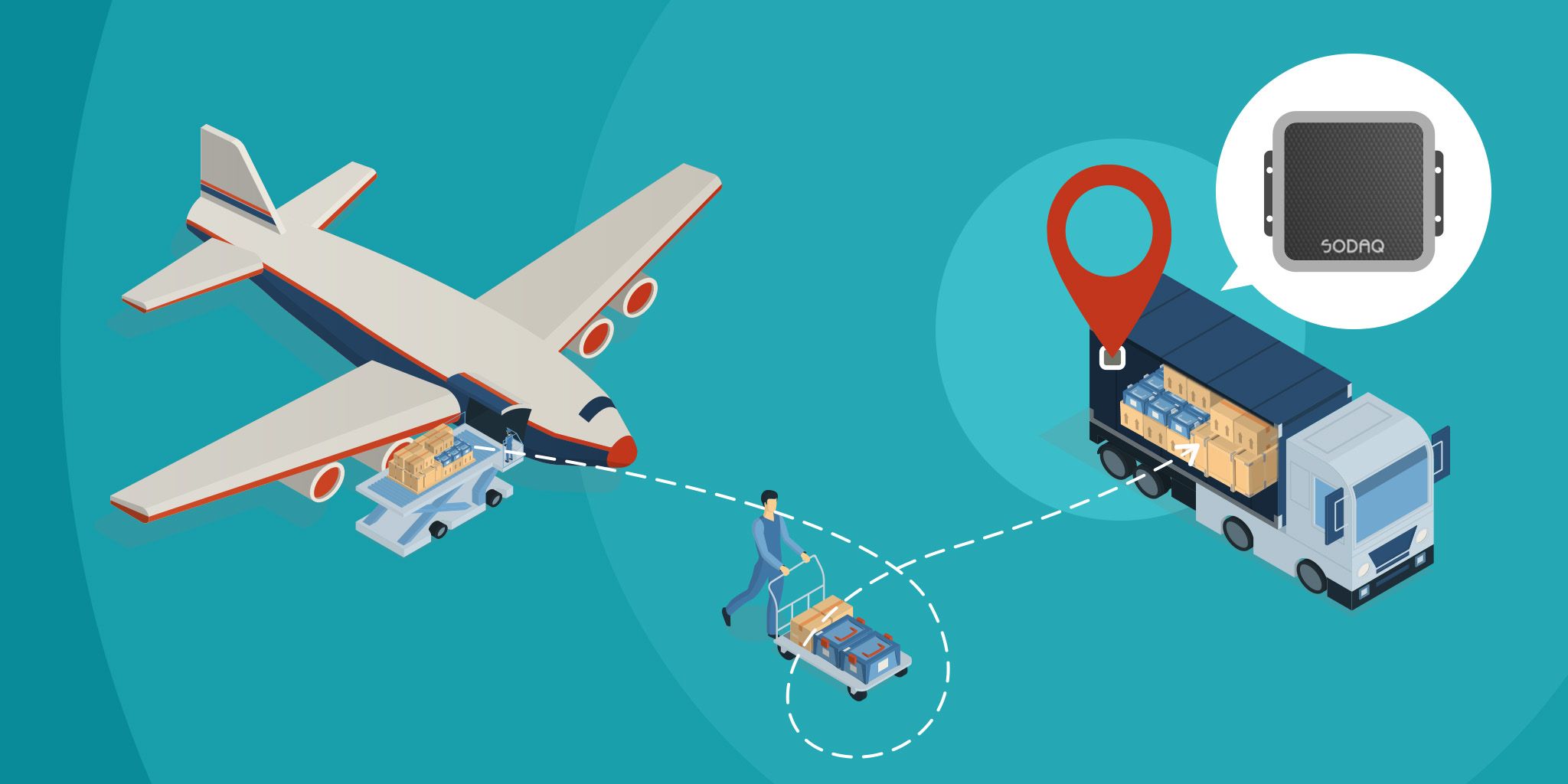
Trolleys and Dollies Tracking for Airports
Track the location and utilization of airport ground support equipment to reduce idle time and improve efficiency.
Track the location and utilization of airport ground support equipment to reduce idle time and improve efficiency.
SODAQ
SODAQ
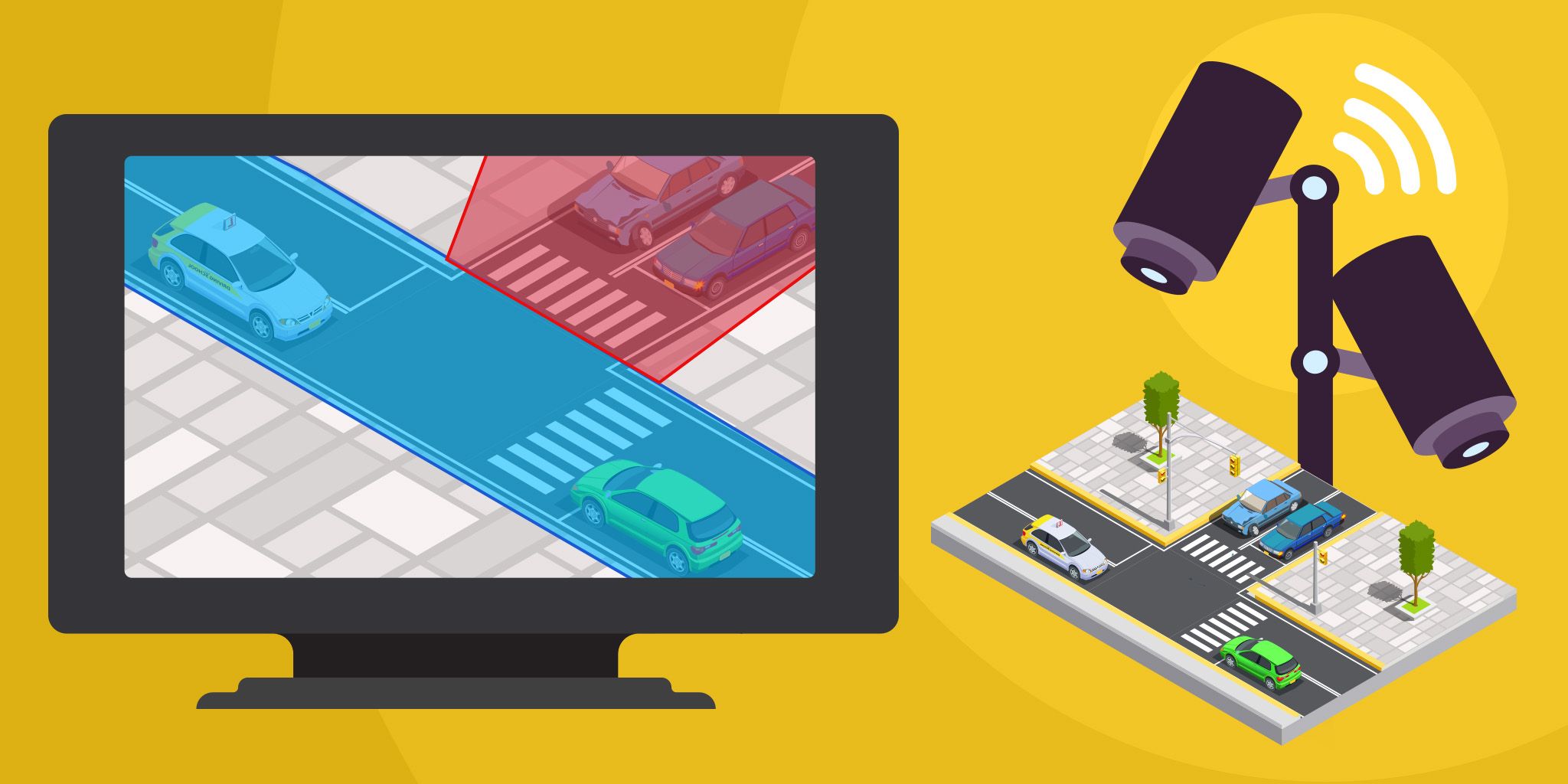
Traffic Optimization for Cities
Turn existing city cameras into AI‑powered intersection monitors that deliver real‑time vehicle counts, speed tracking, and violation detection.
Turn existing city cameras into AI‑powered intersection monitors that deliver real‑time vehicle counts, speed tracking, and violation detection.
Iveda
Iveda

Related Solutions
Supply Chain & Logistics
Unit Load Device Tracking for Airports
Real-time visibility into Unit Load Devices and supporting airport assets with solar-powered tracking and BLE.
SODAQ
Supply Chain & Logistics
Trolleys and Dollies Tracking for Airports
Track the location and utilization of airport ground support equipment to reduce idle time and improve efficiency.
SODAQ
Smart Cities
Traffic Optimization for Cities
Turn existing city cameras into AI‑powered intersection monitors that deliver real‑time vehicle counts, speed tracking, and violation detection.
Iveda