



Logistics Operations Fly Blind Without IoT: How Real-Time Visibility and Asset Tracking Drive Control
Logistics Operations Fly Blind Without IoT: How Real-Time Visibility and Asset Tracking Drive Control

- Last Updated: December 11, 2025
Emily Newton
- Last Updated: December 11, 2025

Imagine logistics operations as a pilot navigating a plane through the night without instruments — only guesswork, intuition and hope. That is how operations function without IoT asset tracking. For organizations aiming for high-performance logistics, the absence of connected systems creates blind spots. Real-time visibility and asset tracking provide actionable insight that transforms operations from reactive to proactive.
The Visibility Gap in Traditional Logistics
Many logistics teams still rely on legacy methods, including spreadsheets, scheduled manual checks and downstream reporting. These systems provide retrospective snapshots rather than live insight, leaving blind spots around asset location, condition and movement.
Without continuous monitoring, teams struggle to identify delays, misplaced inventory or inefficient routing until problems have already escalated. Legacy systems are also difficult to maintain or repair and are increasingly vulnerable to cyberattacks, adding operational and security risks to an already limited visibility framework.
For decision-makers, this lack of visibility introduces structural risks, such as delayed deliveries, suboptimal routing and unseen inventory bottlenecks. Simply put, no visibility means no control. It also limits the ability to optimize costs. Companies may overstock to compensate for unknowns, underutilize critical assets or miss opportunities to consolidate shipments efficiently.
Moreover, customer expectations are evolving rapidly. Clients are increasingly demanding accurate delivery estimates and transparency into the location of their goods at all times. Legacy tracking methods often leave organizations unable to consistently meet these expectations, which can impact trust, retention and competitiveness.
This is where IoT asset tracking comes into play. Connecting vehicles, shipments and inventory to intelligent sensors and real-time monitoring systems gives organizations a clear, actionable view of their operations. This enables faster decisions, more efficient processes and a stronger overall supply chain performance.
Why Real-Time Visibility and Asset Tracking Matter
Real-time visibility and asset tracking provide logistics leaders with a live view of both the location of assets and the conditions they are experiencing. This capability shifts operations from reactive problem-solving to proactive decision-making. By knowing the exact location of vehicles, containers, pallets or critical inventory, teams can respond immediately to disruptions, reroute shipments and maintain consistent service levels.
Monitoring conditions such as temperature, humidity and shocks ensures that sensitive cargo reaches its destination intact, thereby reducing spoilage, loss and customer dissatisfaction. This is especially crucial for cold-chain logistics, pharmaceuticals or high-value goods.
Real-time tracking also enhances the management of returnable assets such as trailers, containers and pallets. Knowing their exact location improves utilization, prevents loss, and reduces replacement or rental costs.
Integrating IoT-enabled systems and other warehouse technologies can significantly boost operational efficiency. For example, advanced warehouse execution systems, AI, and sensor-enabled tools have been shown to increase picking productivity by up to 35% and overall fulfillment capacity by 40%. These gains underscore how real-time visibility directly translates into faster processing, improved resource utilization and a measurable business impact.
Organizations that adopt real-time visibility and IoT asset tracking gain measurable advantages in operational efficiency, cost reduction and customer satisfaction.
The Leverage of IoT Asset Tracking
What does IoT asset tracking look like? At its core, it means attaching sensors or tags to physical assets, like vehicles, trailers, containers, pallets and inventory, and using connected networks to send data — live or near-live — back to central platforms. These platforms visualize asset location, movement and condition, while triggering alerts when values fall outside expected thresholds.
From a logistics operations perspective, IoT asset tracking enables:
- Transparent asset location: Identify the exact location of every asset in real time.
- Continuous condition monitoring: Detect if a shipment has overheated, been jarred or deviated from its planned route.
- Optimized asset utilization: Recognize underused assets and deploy them efficiently to reduce idle time and costs.
- Enhanced risk management: Set geofences and receive alerts when assets leave designated areas, reducing theft and unauthorized movement.
Key Benefits of Real-Time Visibility and Asset Tracking
Implementing IoT asset tracking and real-time visibility transforms logistics operations from reactive to strategic. The following benefits highlight why these capabilities are no longer optional — they are essential for high-performing logistics operations.
Fewer Disruptions, Faster Responses
Real-time visibility lets logistics teams detect delays and reroute shipments before problems escalate. With air cargo last-mile demand rising 78% and delivery vehicles increasing 36%, IoT asset tracking helps optimize routes and maintain on-time deliveries, turning potential disruptions into manageable exceptions.
Optimized Inventory and Asset Utilization
Knowing exactly where assets are and how they are being used enables organizations to optimize resource allocation. Underused trailers, pallets or containers can be redeployed efficiently, reducing idle time and increasing overall asset utilization. At the same time, inventory levels can be balanced more accurately, preventing overstocking or shortages, which reduces carrying costs and improves return on investment.
Enhanced Customer Experience
Real-time tracking provides visibility for internal teams and customers. Accurate estimated time of arrival (ETA) notifications, status updates, and transparent shipment information enhance trust and satisfaction. Customers experience fewer surprises, better predictability and more reliable service, which strengthens brand loyalty and positions the organization as a dependable partner in the supply chain.
Risk Management and Compliance
IoT asset tracking provides real-time insights into inventory, shipments and conditions, helping prevent loss, spoilage or mismanagement. Enabling predictive adjustments and maintaining audit trails supports regulatory compliance, reduces waste and ensures supply chain reliability.
Cost Reduction and Sustainability Gains
Live tracking and visibility reduce unnecessary travel, fuel consumption and vehicle wear by enabling route optimization. Deploying assets where they are most needed helps organizations avoid redundancy and unnecessary trips. Improved asset tracking also minimizes the loss or damage of goods, reduces the need for replacements, and supports sustainability goals by reducing waste and lowering emissions.
Strategic Steps to Implement Real-Time Visibility
Decision-makers can take these steps to embed IoT asset tracking effectively:
- Map assets and processes: Catalog all assets that need tracking and identify current blind spots where live data adds the most value.
- Select appropriate tracking technologies: Match sensors to asset types — Global Positioning System (GPS) and cellular for vehicles, and radio-frequency identification (RFID) or long-range wide area network (LoRaWAN) for indoor inventory.
- Integrate with existing platforms: Data should flow into logistics or enterprise resource planning (ERP) systems for dashboards, alerts and analytics.
- Define actionable key performance indicators (KPIs): Establish measurable goals, such as reducing idle time, minimizing lost pallets, increasing the on-time delivery percentage and lowering fuel costs per mile.
- Build a continuous improvement culture: Leverage IoT data to refine operations, optimize processes and train teams to act on insights.
Why the Time for IoT Is Now
Global logistics complexity is increasing — supply chains span multiple continents, delivery cycles are becoming shorter and customer expectations are getting more stringent. Organizations that implement IoT asset tracking and achieve real-time visibility gain resilience and operational optimization.
Without IoT-driven visibility, logistics operations often work without proper instrumentation. Real-time visibility and asset tracking ensure logistics teams can anticipate challenges, act decisively and maximize efficiency.

The Most Comprehensive IoT Newsletter for Enterprises
Showcasing the highest-quality content, resources, news, and insights from the world of the Internet of Things. Subscribe to remain informed and up-to-date.

New Podcast Episode

Building Real-Time Voice AI Experiences

Related Articles


Related Solutions
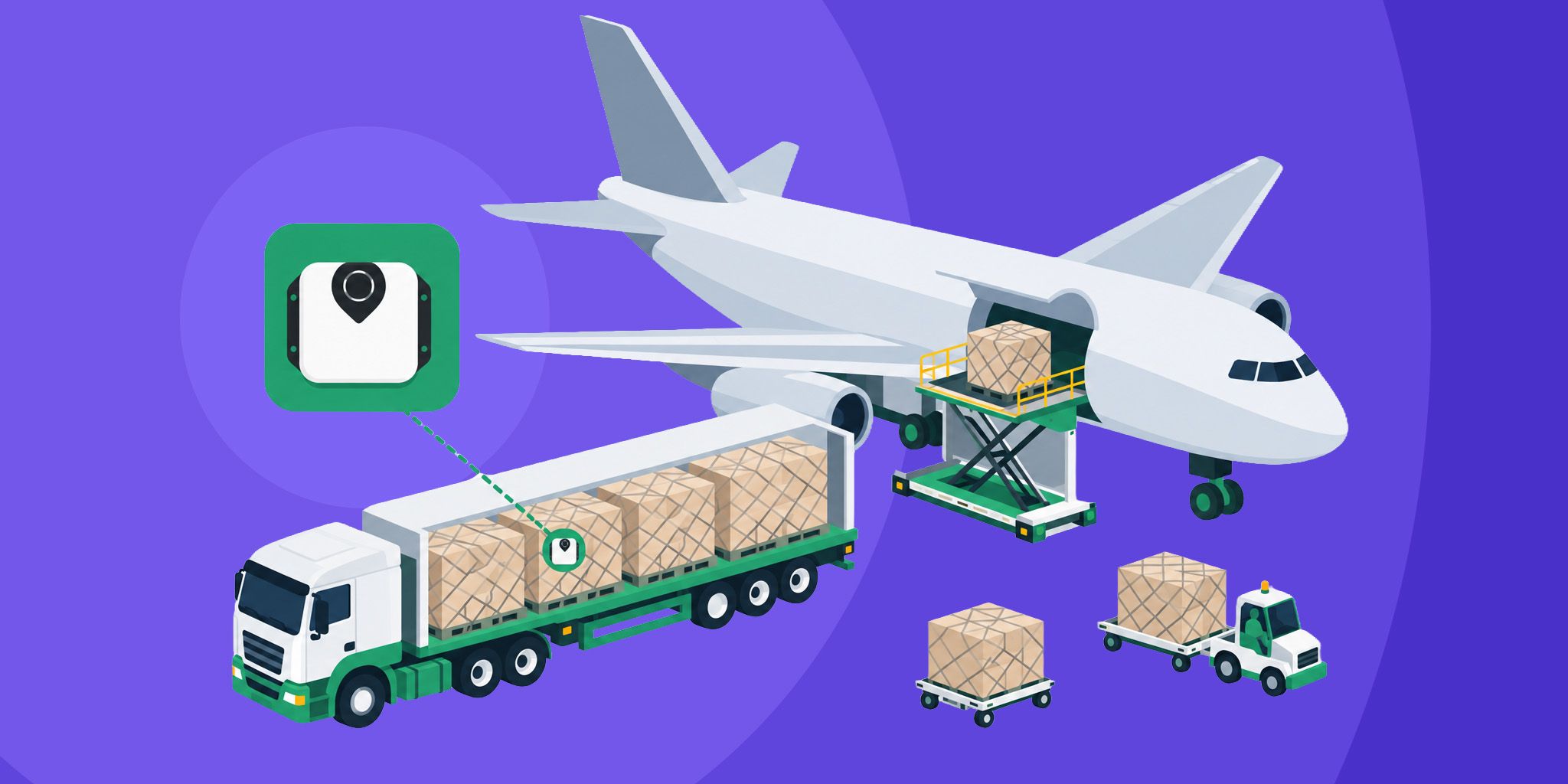
Unit Load Device Tracking for Airports
Real-time visibility into Unit Load Devices and supporting airport assets with solar-powered tracking and BLE.
Real-time visibility into Unit Load Devices and supporting airport assets with solar-powered tracking and BLE.
SODAQ
SODAQ
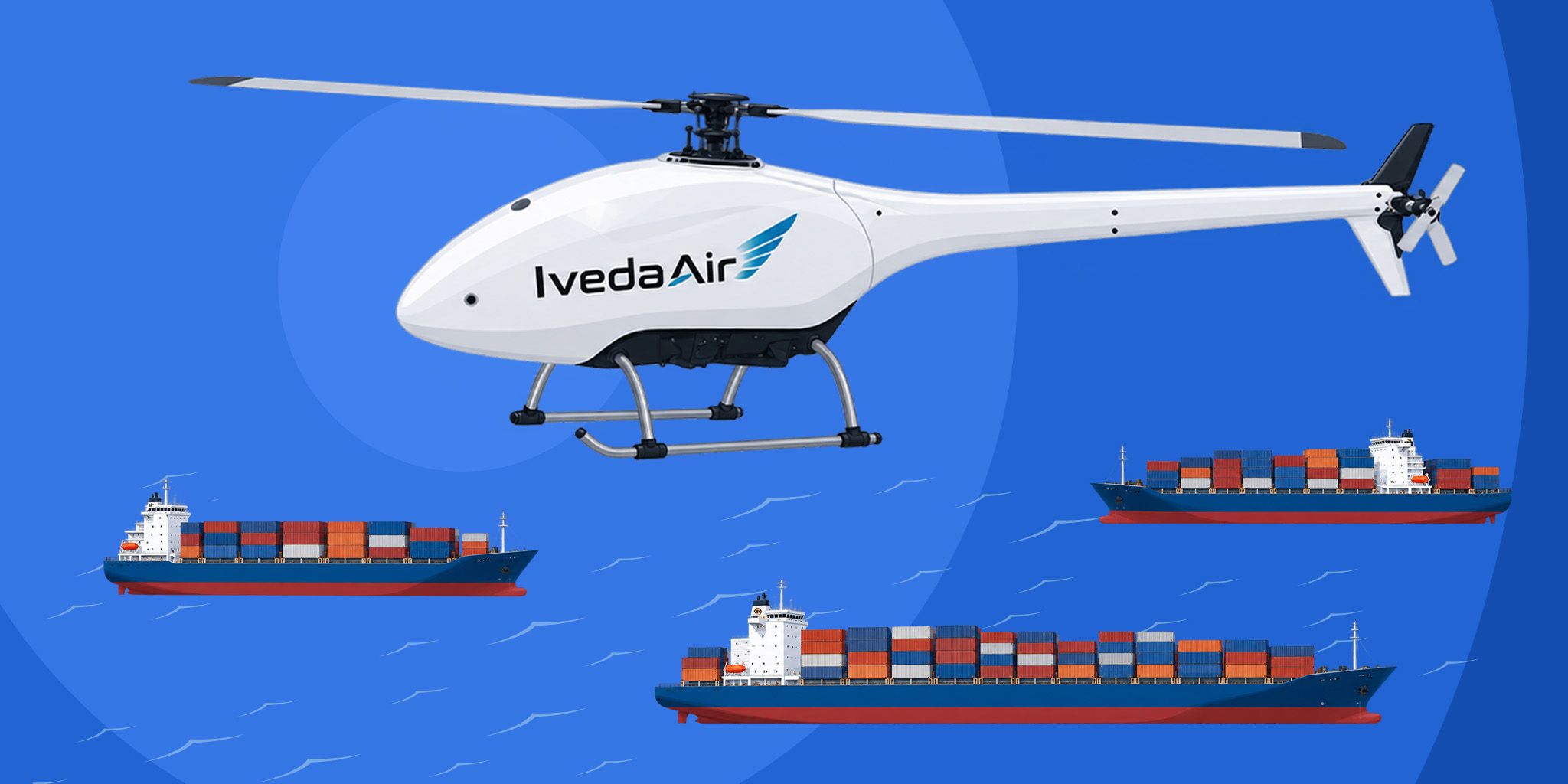
Long-Endurance Aerial Monitoring and Response
AI-powered analytics and mission-ready aircraft for public safety, maritime, search and rescue, and emergency response.
AI-powered analytics and mission-ready aircraft for public safety, maritime, search and rescue, and emergency response.
Iveda
Iveda
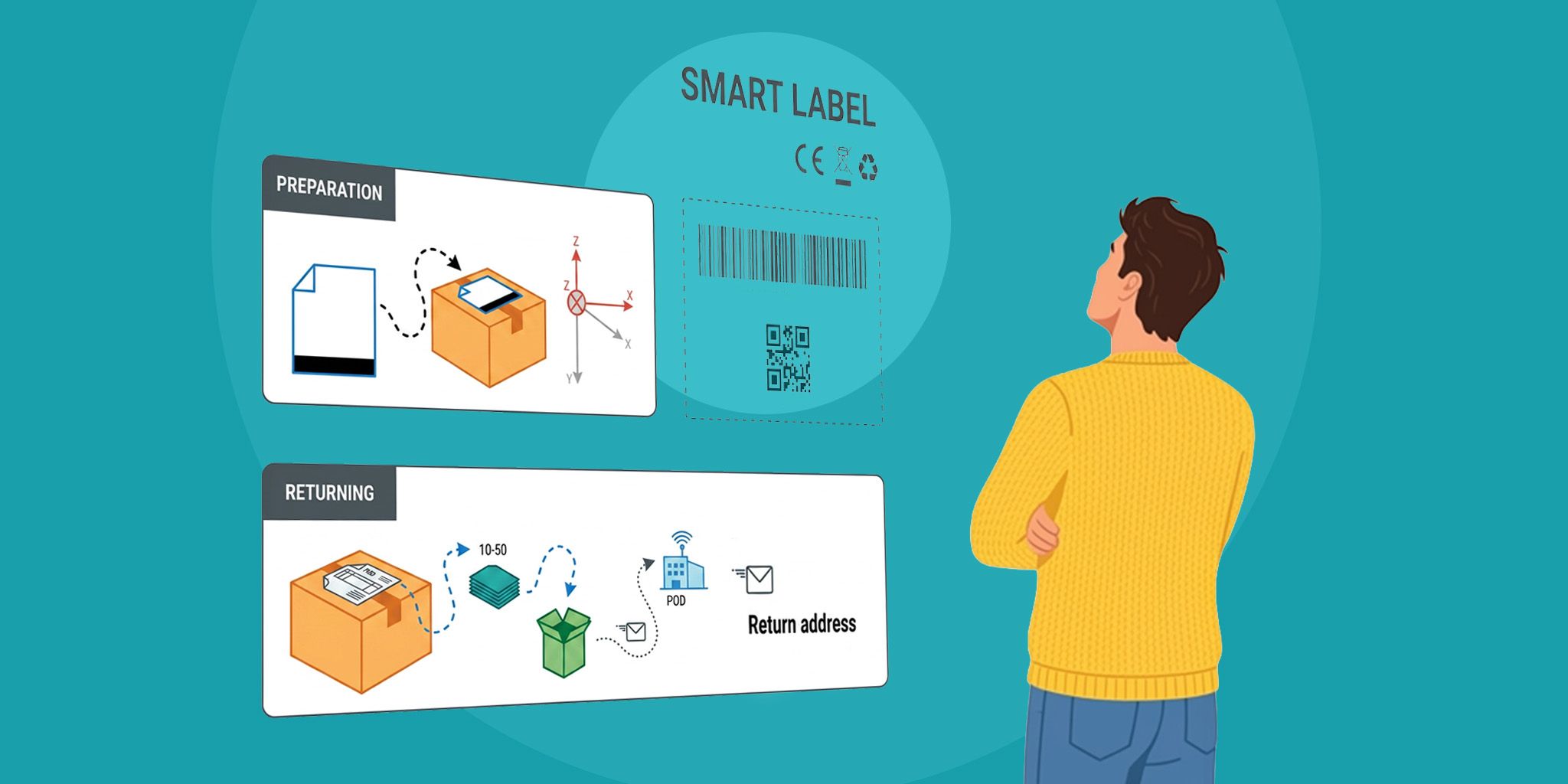
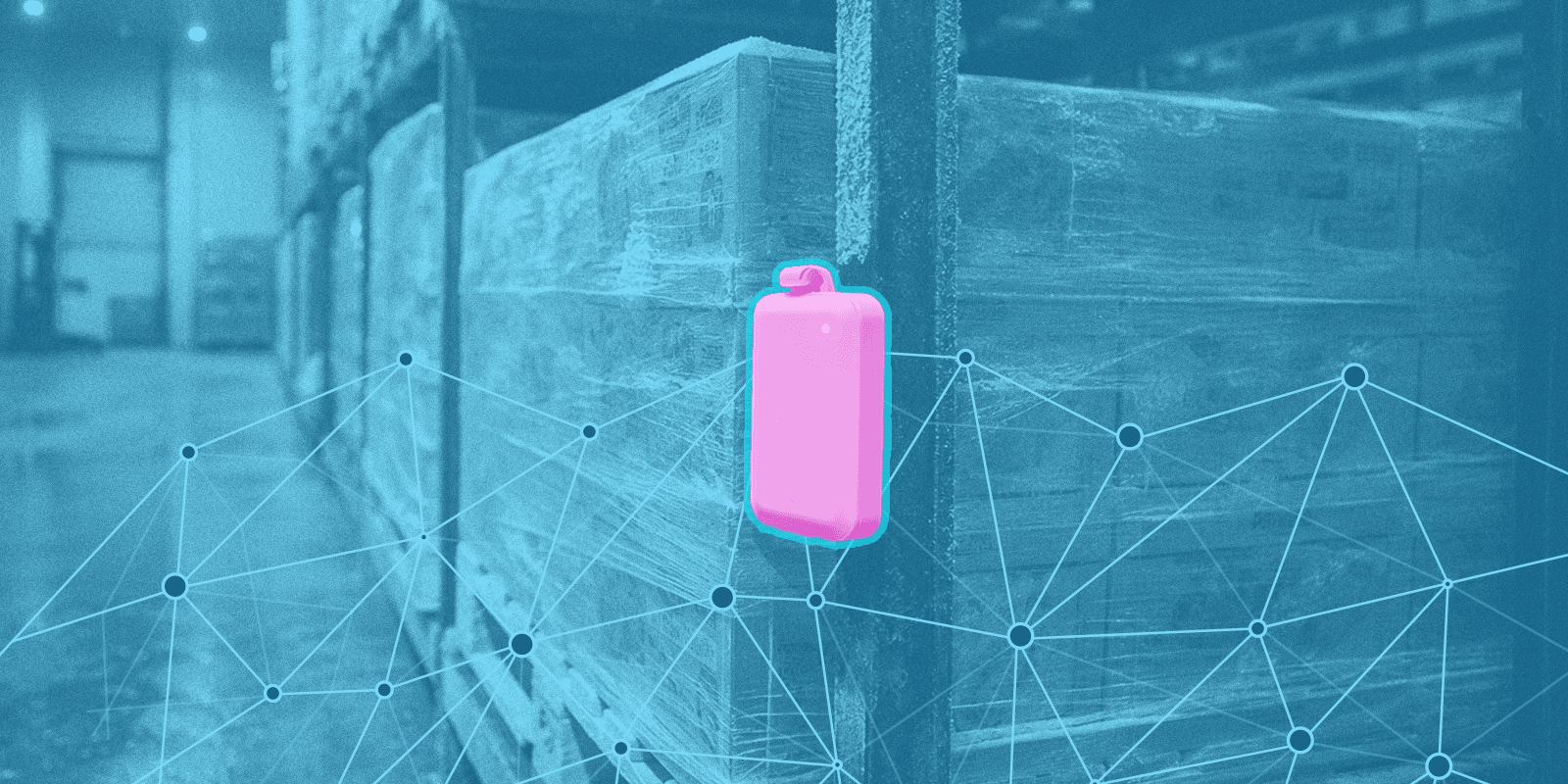
Smart Shipping Label for Supply Chain
Easy-to-deploy shipping label that provides real-time visibility into location, condition, and handling to reduce damage and optimize logistics.
Easy-to-deploy shipping label that provides real-time visibility into location, condition, and handling to reduce damage and optimize logistics.
SODAQ
SODAQ

Related Solutions
Supply Chain & Logistics
Unit Load Device Tracking for Airports
Real-time visibility into Unit Load Devices and supporting airport assets with solar-powered tracking and BLE.
SODAQ
Maritime & Boating
Long-Endurance Aerial Monitoring and Response
AI-powered analytics and mission-ready aircraft for public safety, maritime, search and rescue, and emergency response.
Iveda
Supply Chain & Logistics
Smart Shipping Label for Supply Chain
Easy-to-deploy shipping label that provides real-time visibility into location, condition, and handling to reduce damage and optimize logistics.
SODAQ