



How ML is Uniting with IoT to Transform Remote Collaboration at Work
How ML is Uniting with IoT to Transform Remote Collaboration at Work

- Last Updated: September 3, 2026
Dmytro Spilka
- Last Updated: September 3, 2026
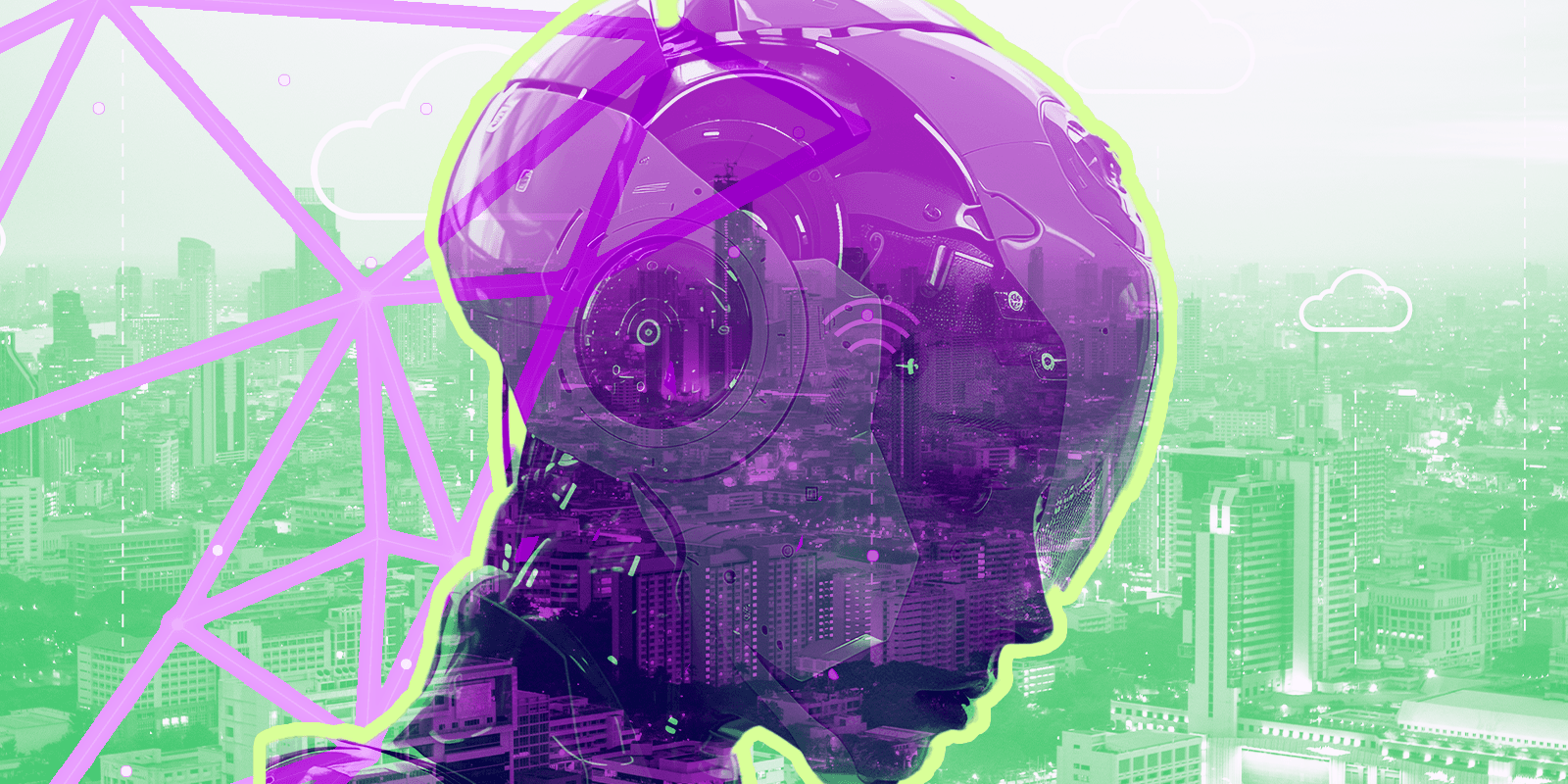
The artificial intelligence boom has had a transformative impact on several high-tech industries, but its integration with IoT devices could fundamentally transform the way we collaborate with our peers in remote working environments.
Machine learning (ML), as a subset of AI, is a natural partner for Internet of Things technology because of its frictionless ability to work with large, unstructured datasets and convert readings into actionable insights.
The way ML and IoT can improve collaboration is through the enablement of smart workplaces, automating environmental adjustments for employees, and powering intelligent communication throughout essential hardware.
There’s also plenty to come from the two emerging technologies, with the generative AI in IoT market size expected to rally from $2.03 billion in 2025 to $2.61 billion in 2026 on its way to reaching a value of $6.99 billion by 2030, representing a CAGR of 28 percent.
Remote Workforce
Given that 35 percent of employees still work remotely in the United States despite post-pandemic initiatives among some employers to bring workers back into the office, it’s clear that the age of WFH is here to stay in some form or another. This means that technology needs to help bridge collaboration gaps between teams working in digital environments.
Studies have suggested that 53 percent of remote workers feel less connected to their colleagues, with engagement scores falling alongside an uptick in turnover rates. This indicates that more needs to be done to ensure that those working remotely can collaborate freely within their teams.
Together, ML and IoT can help to replace the physical gaps that exist between distributed team members. There’s also an emerging array of use cases demonstrating why the technology could help to recapture the in-house office experience that’s been lost in the age of remote work.
Emergence of the Smart Workplace
Working from home can be full of inefficiencies that aren’t present in office environments, but the combination of ML and IoT can help to create a more conducive environment that’s akin to more traditional workplaces, all with the flexibility advantages of remote roles.
One of the biggest losses in remote work environments has been the lack of face-to-face communication between colleagues, which can not only make it more difficult to delegate tasks but also bond with your teams on a similar level to inside the office.
In a 2021 study on the challenges and opportunities of working remotely during the pandemic, 43 percent of surveyed respondents from a wide range of industries listed a “lack of face-to-face communication or lack of eye contact” as their greatest challenge.
But intelligent IoT technologies appear to be replicating more valuable interactions with colleagues in a virtual environment.
Smart cameras are able to deliver more personable experiences remotely with the help of computer vision and machine learning to track active speakers in rooms, automatically adjusting angles and framing so that remote participants get a natural view when collaborating online.
One example of this technology in action is Cisco collaboration devices and the cinematic meeting experiences that they can create through intelligent voice and facial recognition.
The innovation ensures that all participants in meetings will have an unprecedented level of focus on speakers, ensuring that remote participants will always feel far more included at all times.
Powered by RoomOS, the technology means that if you’re a remote worker, you’ll be able to attend work meetings, naturally see those speaking and recognize the reactions of others in the room, making the whole experience far more engaging.
Smart remote workplaces can also naturally adapt to the best conditions for your productivity, meaning that air conditioning units can revert to your personal preferences and printers can automatically order new ink cartridges using ML when their sensors detect low ink levels.
Gaining an Edge
One of the biggest innovations that ML and IoT will herald is the arrival of edge networks, and its use cases have the potential to transform remote collaboration.
Edge computing is built on processing data near the source of data generation, rather than centralized cloud servers.
This means that you can benefit from far lower bandwidth and energy consumption while also boosting the efficiency and responsiveness of IoT devices through real-time data processing and decision-making.
Latency has long been an issue when using IoT hardware to create an in-office environment at remote locations, but edge computing has the potential to address this problem because it can cut input delays down to between 1 and 10 milliseconds, compared to the 50 to 200 millisecond latency of typical centralized data centers.
This reduces the friction you can face when collaborating with peers in real-time and opens the door to more responsiveness when sharing digital whiteboards and voice assistants when managing tasks.
It also means you can seamlessly integrate different tools for collaborative work, such as calendar sharing, file and data sharing tools, different channels for communicating, video conferencing tools, and cloud storage.
The Future of ML and IoT
Machine learning and Internet of Things technology are the two most important innovations that can support the future of remote work.
The role of the technologies is to remove the noise and manual effort that can make meaningful interactions between team members too difficult to foster productivity, which can cause widespread operational shortfalls for organizations.
Uniting ML and IoT means immersive meeting experiences that can transform the way we communicate with one another as well as clients from around the world, while hardware can also autonomously support us in building conducive working environments that are free of the typical inefficiencies that stifle productivity outside of the office.
With a lower-latency experience through edge computing, face-to-face interactions can be replaced with real-time collaboration that’s not only built on meaningful interactions but also on data-driven insights that can be seamlessly cued up by workers for unprecedented clarity in communication.

The Most Comprehensive IoT Newsletter for Enterprises
Showcasing the highest-quality content, resources, news, and insights from the world of the Internet of Things. Subscribe to remain informed and up-to-date.

New Podcast Episode

Building Real-Time Voice AI Experiences

Related Articles


Related Solutions
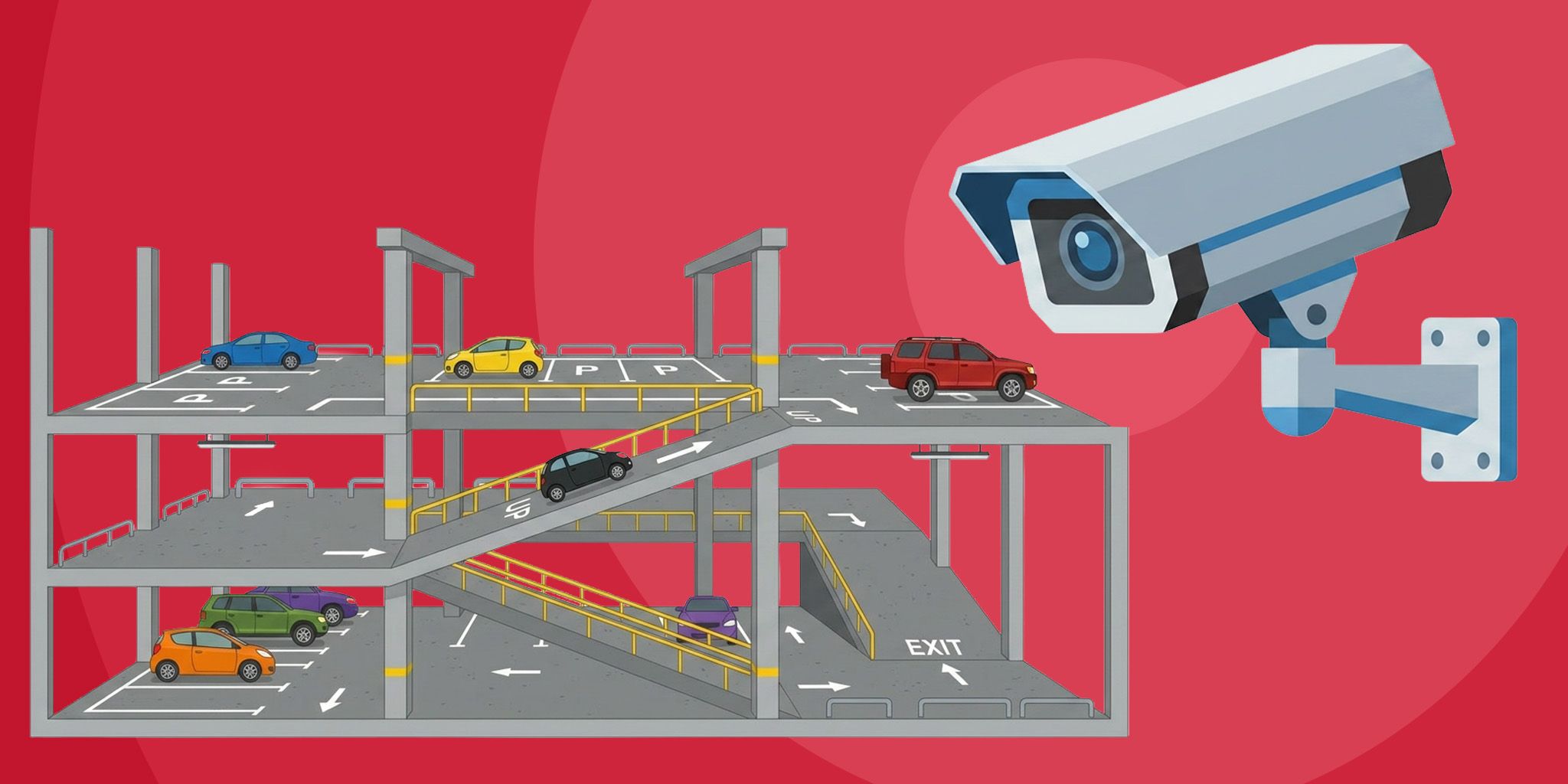
Smart License Plate Recognition
Automate parking enforcement and access control with real-time vehicle identification to improves revenue collection.
Automate parking enforcement and access control with real-time vehicle identification to improves revenue collection.
Conure
Conure

Retail Shelf Utilization Monitoring
Improve inventory management, boost revenue, optimize staff efficiency, and enhance customer experience.
Improve inventory management, boost revenue, optimize staff efficiency, and enhance customer experience.
Leverege
Leverege


Bottom of Basket for Grocery Stores
Enables grocery stores to automatically detect bottom cart items, alert cashiers and help reduce shrinkage
Enables grocery stores to automatically detect bottom cart items, alert cashiers and help reduce shrinkage
Leverege
Leverege

Related Solutions
Smart Cities
Smart License Plate Recognition
Automate parking enforcement and access control with real-time vehicle identification to improves revenue collection.
Conure
Retail
Retail Shelf Utilization Monitoring
Improve inventory management, boost revenue, optimize staff efficiency, and enhance customer experience.
Leverege
Retail
Bottom of Basket for Grocery Stores
Enables grocery stores to automatically detect bottom cart items, alert cashiers and help reduce shrinkage
Leverege