



Digitalizing Oil & Gas: From Pipelines to Methane
Digitalizing Oil & Gas: From Pipelines to Methane
- Last Updated: July 27, 2026
Transforma Insights
- Last Updated: July 27, 2026
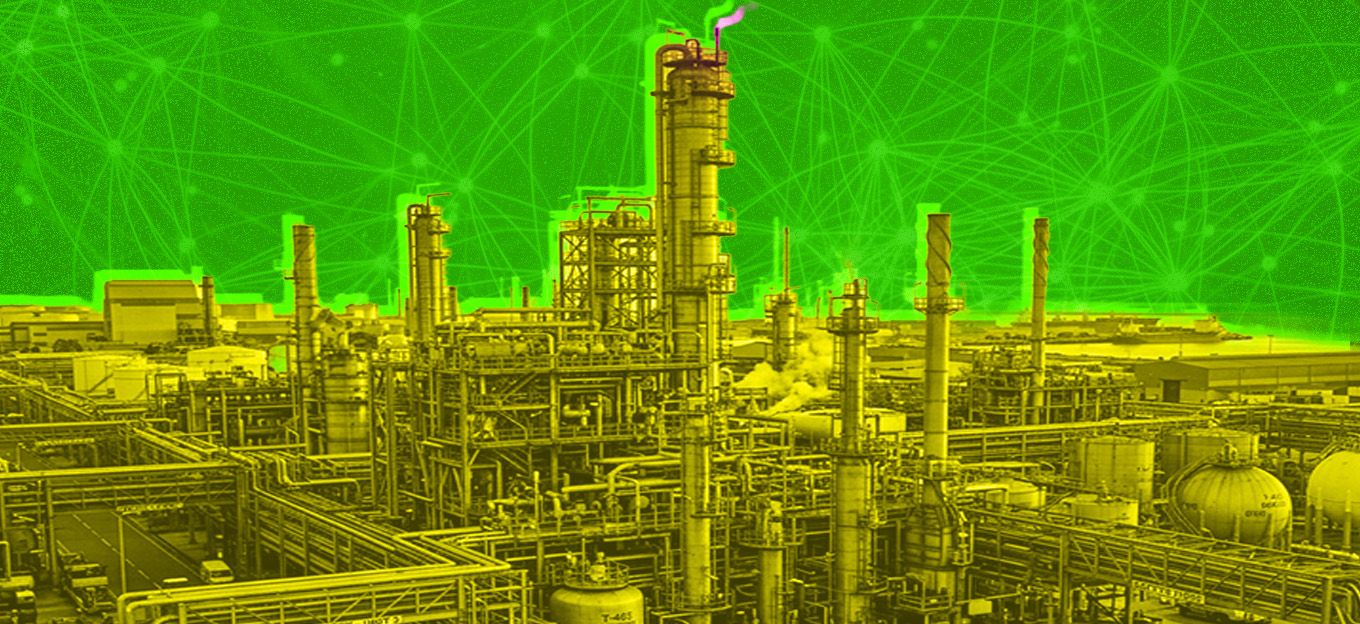
The adoption of digital technologies has transformed many industries over the past decade, enabling greater automation, efficiency, and data-driven decision-making. However, compared to sectors such as manufacturing and retail, the Oil & Gas (O&G) industry has traditionally been slower in embracing digital transformation. This slower pace has largely been due to the industry's unique characteristics, including complex operations, safety-critical processes, stringent regulatory requirements, and the need to operate in remote and harsh environments where reliability is paramount. Unlike a factory or warehouse, Oil & Gas assets are often distributed across thousands of kilometres of pipelines, offshore platforms, refineries, storage terminals, and production facilities. Many operate in deserts, oceans, remote regions, and environmentally challenging locations. As a result, operators have been extra cautious while adopting new technologies.
Historically, this added to several barriers to digitalisation, including limited connectivity in remote locations, concerns regarding reliability and cybersecurity, high deployment costs, fragmented operational systems, and strict regulatory and safety requirements. As a result, many operators continued to rely heavily on periodic inspections, manual data collection, and reactive maintenance models rather than more advanced techniques that rely on, for example, IoT connectivity. However, advances in connectivity technologies and particularly the introduction of private networks and Non-Terrestrial Networks (NTN) are solving many of the connectivity challenges for the industry.
Today, disruptive digital technologies, including IoT-enabled sensors, drones, satellite monitoring are increasingly becoming mission-critical. This blog explores seven key domains of change in the O&G sector that are enabled by digital technologies.
The seven key domains of change are:
Methane emission monitoring
Methane emission monitoring refers to the detection, measurement, and analysis of methane emissions using fixed sensors or satellite-based monitoring to identify leaks and support regulatory compliance and emissions mitigation efforts.
The oil and gas industry is the world's second-largest source of human-caused methane emissions, contributing about 21% of global methane emissions. Growing concerns over methane's impact on climate change have led regulators to introduce stricter requirements, including the European Union's 2024 Methane Regulation. Technology plays a critical role in addressing this challenge, with satellites enabling large-scale emissions monitoring and drones and ground sensors providing precise detection and quantification of leaks at facilities and pipelines. Together, these tools help companies improve emissions visibility, compliance, and mitigation efforts.
Pipeline monitoring
This refers to the continuous monitoring of pipeline integrity and condition to detect leaks and track operational parameters (such as pressure and flow changes), corrosion, or intrusion.
Midstream pipelines are critical to the oil and gas industry, but with more than 72% of European pipelines over 40 years old, the risk of leaks, failures, and associated safety, operational, and financial impacts is increasing. Effective pipeline monitoring helps detect issues early, preventing catastrophic failures and reducing unplanned downtime. Monitoring can be conducted periodically through methods such as drones and satellites or through continuous technologies including cameras, pressure sensors, and acoustic sensors.
Equipment monitoring
Equipment monitoring refers to the continuous monitoring of equipment (such as valves, pumps and wellheads) and critical machinery to enable predictive maintenance and increase efficiency and reduce downtime.
Equipment in extractive industries often operates in harsh and remote environments, making it prone to failures that can cause significant production losses and operational costs. Unplanned downtime from equipment breakdowns can cost companies hundreds of thousands of dollars per day and delay repairs due to challenges in obtaining spare parts. As a result, predictive maintenance has become a key priority, with sensors monitoring parameters such as pressure, temperature, and vibration to enable early fault detection, reduce downtime, optimise production, and improve safety.
Mission-critical communications
This refers to voice and data communications that support emergency response, communication with offsite experts, and remote operations.
Reliable communication is essential for the O&G sector to ensure worker safety, coordination, and emergency response across remote and hazardous operations. Push-to-talk (PTT) services are increasingly migrating from legacy radio systems to cellular, Wi-Fi, and private LTE/5G networks, providing more reliable and feature-rich communications. Private networks support voice, video, messaging, location tracking, and workforce management applications across devices such as smartphones, tablets, and wearables, improving collaboration and operational safety in offshore platforms, refineries, and pipeline sites.
Drilling automation
Drilling automation refers to automated control of drilling operations to improve precision, enhance safety, and reduce non-productive time during drilling activities.
Drilling automation uses remote-controlled equipment, sensors, autonomous vehicles, and intelligent systems to monitor and optimise drilling operations with minimal human intervention. As drilling represents one of the largest cost components in oil and gas, projects, automation offers significant opportunities to reduce capital and operating expenses. By enabling continuous operation and improving precision, automated drilling systems can increase productivity, shorten project timelines, and lower overall drilling costs.
Oil well monitoring
This refers to the monitoring of structural and environmental conditions at oil wells to detect anomalies and prevent failures.
Oil well monitoring is critical for ensuring safe, efficient, and cost-effective extraction by tracking parameters such as pressure, temperature, fluid flow, vibration, and fluid levels in the wells. IoT sensors deployed at wellheads, downhole, and surface equipment provide real-time visibility into well performance, helping operators optimise production and detect leaks, spills, or equipment issues early. This enables better decision-making, reduces maintenance costs and downtime, and ensures that wells remain economically viable to operate, even in remote locations.
Worker safety
Worker safety refers to monitoring of workers health, location and environmental exposure to reduce risk, enable rapid incident response and improve overall safety.
Wearables such as connected helmets, watches, and vests monitor workers and environments in real-time to reduce risks, especially in remote and underground areas. These wearables track health parameters and locations of workers to prevent injuries and monitor their health. Accidents or injuries can also be prevented using AI-enabled CCTV, drones, or robots that analyse workers’ postures, monitor their movement in restricted and unrestricted zones, monitor equipment and vehicle safety, and detect falls.
Summing up: digital adoption is increasing
The Oil & Gas industry has traditionally been cautious in adopting new technologies, but this is changing rapidly. What was once a slow and gradual process is now gaining momentum as operators increasingly recognise the value of emerging digitally transformative technologies.
In today’s Oil & Gas contexts, technology is enhancing visibility, improving safety, and supporting more informed operational decisions. IoT, artificial intelligence, advanced analytics, connected sensors, and remote monitoring platforms are helping operators improve safety, optimise asset performance, reduce emissions, and make faster, data-driven decisions. Rather than representing isolated deployments, these technologies are increasingly becoming part of a broader digital ecosystem that is reshaping how Oil & Gas assets are monitored, managed, and maintained across the value chain.

The Most Comprehensive IoT Newsletter for Enterprises
Showcasing the highest-quality content, resources, news, and insights from the world of the Internet of Things. Subscribe to remain informed and up-to-date.

New Podcast Episode

Building Real-Time Voice AI Experiences

Related Articles


Related Solutions
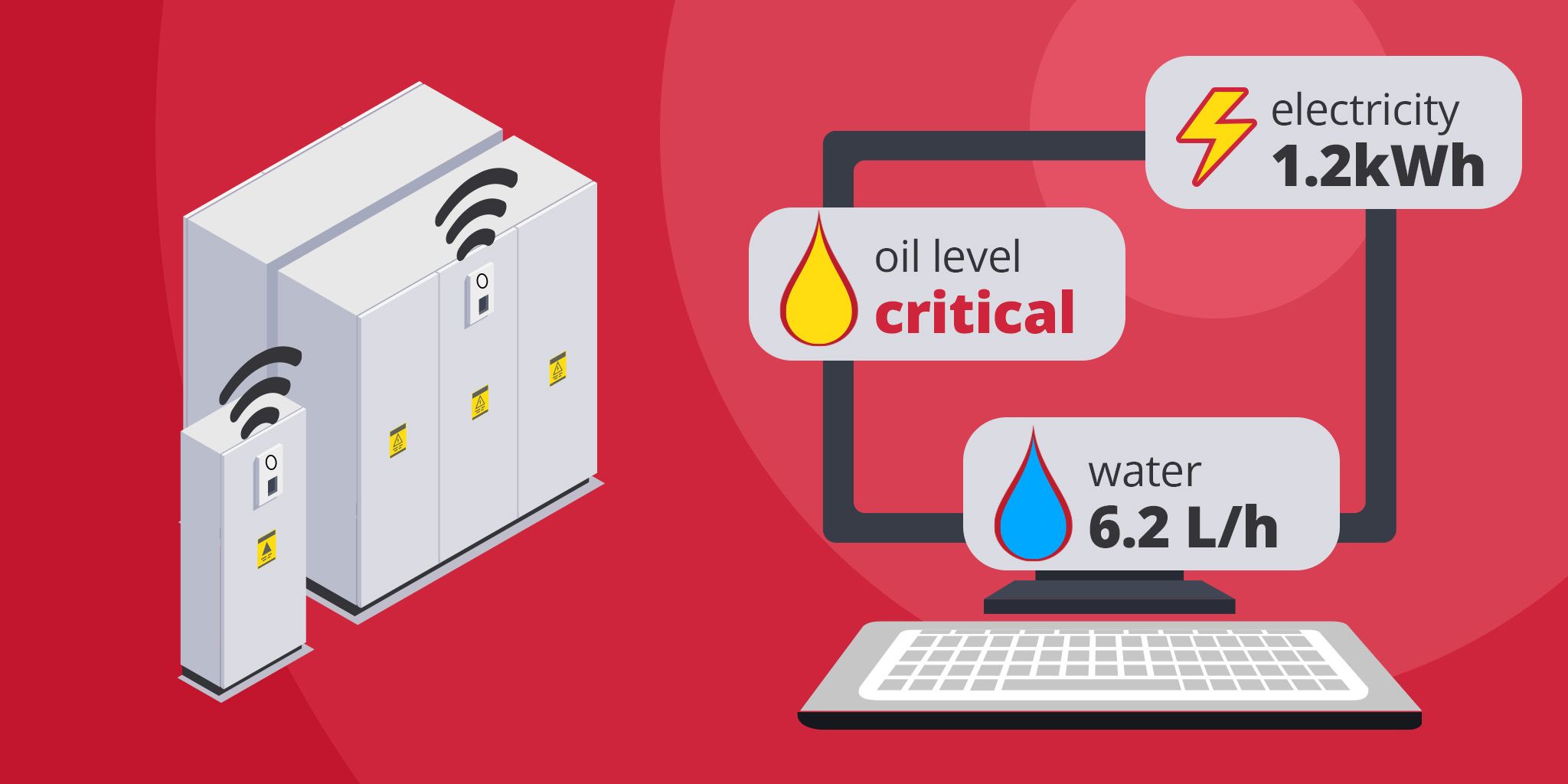
Energy Metering for Utilities
Unified metering for electricity, water, oil, and gas to reduce costs, improve efficiency, and support ESG reporting.
Unified metering for electricity, water, oil, and gas to reduce costs, improve efficiency, and support ESG reporting.
akenza
akenza


Liquid Storage Management
AI-powered liquid level monitoring system to provide tank level data, enable timely refills, prevent leaks and theft, and enhance safety.
AI-powered liquid level monitoring system to provide tank level data, enable timely refills, prevent leaks and theft, and enhance safety.
Iveda
Iveda

Supply Chain Visibility for Oil & Gas
Supply chain solution for oil and gas with real-time tracking and insights, helping to improve agility, optimize operations, and better serve customers.
Supply chain solution for oil and gas with real-time tracking and insights, helping to improve agility, optimize operations, and better serve customers.
FourKites
FourKites

Related Solutions
Utilities
Energy Metering for Utilities
Unified metering for electricity, water, oil, and gas to reduce costs, improve efficiency, and support ESG reporting.
akenza
Oil & Gas
Liquid Storage Management
AI-powered liquid level monitoring system to provide tank level data, enable timely refills, prevent leaks and theft, and enhance safety.
Iveda
Oil & Gas
Supply Chain Visibility for Oil & Gas
Supply chain solution for oil and gas with real-time tracking and insights, helping to improve agility, optimize operations, and better serve customers.
FourKites