



Why Smart Patches Could Change Continuous Health Monitoring
Why Smart Patches Could Change Continuous Health Monitoring

- Last Updated: October 14, 2026
Reetain Raina
- Last Updated: October 14, 2026
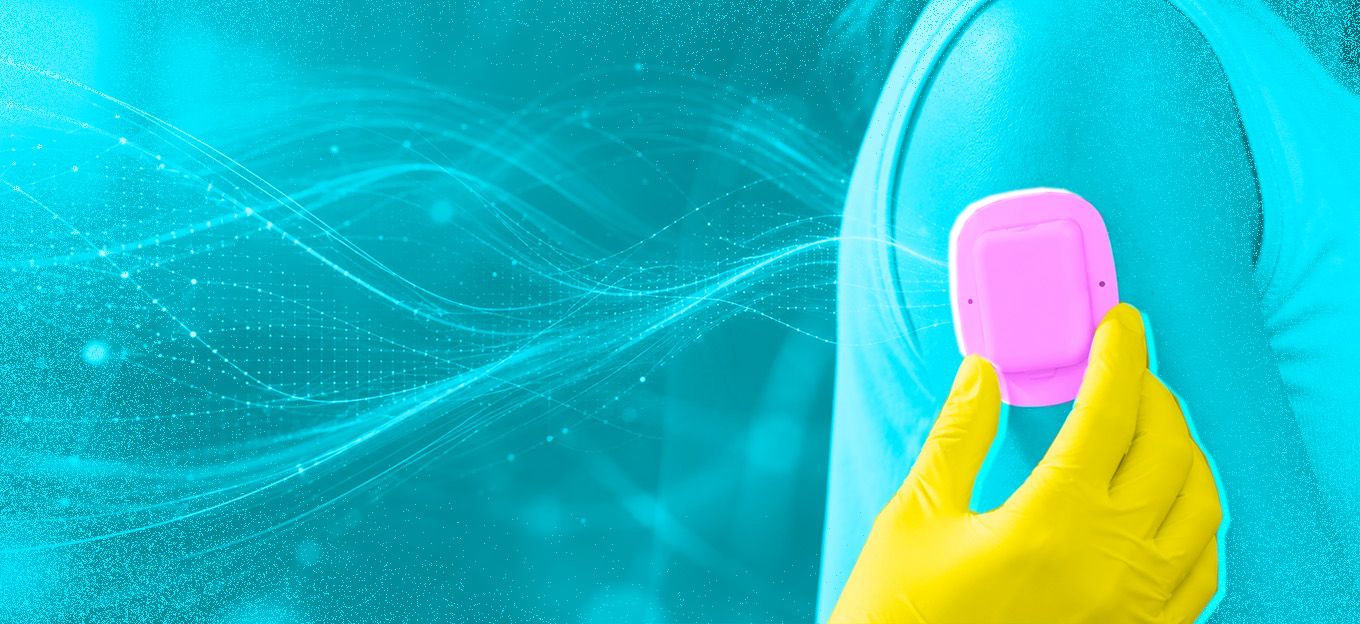
Most health measurements are still taken as snapshots. You check your heart rate after a workout, look at your temperature when you feel unwell, measure glucose at a particular time, or check your hydration after exercising.
The problem is that the human body does not work in snapshots. Heart rate, temperature, sweat composition, and other physiological signals can change throughout the day depending on activity, food, sleep, stress, and the environment.
That makes continuous monitoring interesting. Instead of asking someone to stop and take a measurement, wearable technology can collect signals while they go about their normal activities.
This is where smart patches come in. These thin, skin-mounted wearables are being developed to collect physiological and biochemical information directly from the body, sometimes continuously. Research into wearable biosensors has already explored measurements from sweat, skin, tears, saliva, and other biological fluids.
The bigger question, however, is not whether a patch can collect a signal. It is whether these small devices can collect useful data continuously, comfortably, and reliably enough to make that information meaningful.
What Exactly Is a Smart Patch?
A smart patch is essentially a small wearable sensing system designed to sit on or near the skin. It consists of a few distinct components working together to gather information passively.
First, there is a sensor layer that measures something specific from the body, such as the heart's electrical activity, skin temperature, body motion, or the chemistry of sweat (including glucose, lactate, electrolytes, or pH). Second, processing electronics embedded in the patch process or prepare these raw sensor signals. Third, a communication layer allows the data to move wirelessly to a smartphone, a healthcare platform, a cloud system, or a hospital monitoring network. Finally, an adhesive and skin interface keeps the patch in consistent contact with the body while allowing for natural movement.
A smart patch isn't simply a smaller smartwatch. Its major difference is that researchers can design the sensing surface specifically around the skin and the biological signals physically available there. Recent reviews describe flexible, stretchable, and skin-conformal designs as incredibly important for maintaining reliable contact during everyday physical movement.
Why Put Sensors on the Skin in the First Place?
The skin isn't just a protective layer; it provides a direct gateway to several critical types of physiological information. By maintaining close, uninterrupted contact with the epidermis, a patch can capture electrical signals, such as ECG sensors recording the electrical activity associated with the heart.
Skin temperature can provide essential physiological context about exertion, recovery, or illness. Additionally, sweat contains molecules and electrolytes that researchers can analyze to gauge hydration or metabolic states.
Flexible sensors can also detect mechanical movement, pressure, strain, or subtle changes in body motion. Research into wearable sensing is increasingly focused on collecting information from other biological fluids, maintaining a flexible interface with the body to gather data from tears, saliva, and interstitial fluid.
This leads to a bigger idea: The patch doesn't have to ask the person to provide the measurement. The body can continuously provide the signals.
From One Measurement to a Continuous Health Stream
The traditional approach to health tracking involves a person taking a measurement, recording it, getting another measurement later, and comparing the two. The problem is that important physiological changes can easily happen in the blind spots between those measurements.
A continuous approach changes this dynamic. A smart patch could continuously collect data and build a comprehensive timeline, from waking up, through a morning workout, during meals, through the workday, and into sleep. Instead of seeing isolated measurements, the system could potentially see how different physiological signals react and change over time. A 2026 npj Flexible Electronics review notes that continuous monitoring can capture temporal variations and longer-term trends that intermittent measurements almost always miss.
Continuous monitoring could provide clinicians or monitoring systems with much more context around physiological changes, although whether that information actually improves diagnosis or patient outcomes depends entirely on strict clinical validation.
The Real IoT Story: Where Does the Data Go?
A smart patch is useless in isolation. The complete pipeline is what makes continuous monitoring possible:
Body → Sensors → Patch → Processing → Wireless connection → Smartphone/IoT platform → Data analysis → User or Clinician.
For example, a patch detects a physiological signal. The sensor converts it into electrical data, and embedded electronics process that signal locally. A wireless connection then transfers the information to an app or cloud platform, where software algorithms analyze the changes over time. Ultimately, a healthcare professional or the user can potentially review this processed information.
Recent research is increasingly combining wearable sensors with the Internet of Things (IoT), machine learning, and cyber-physical systems for continuous monitoring. The patch is only the first part of the system. The real value of continuous monitoring comes from what happens to the data after it leaves the skin and enters the analytical ecosystem.
Smart Patches Can Measure More Than One Signal
Instead of one patch measuring one metric, researchers are increasingly combining multiple sensors into a single device. One notable 2021 study developed a patch capable of simultaneously monitoring sweat glucose, ECG, pH, and temperature. The pH and temperature measurements weren't just extra data, they were used to help account for the environmental factors affecting the glucose sensing itself.
Similarly, a 2023 study developed a microfluidic-integrated patch combining glucose and ECG sensing, using the environmental information to improve measurement conditions. This matters because one measurement can be difficult to interpret by itself. A combination of heart rate, temperature, movement, and sweat chemistry can potentially provide more context than any single measurement could alone.
However, the goal is to give the monitoring system more context, not to automatically turn every patch into a diagnostic medical device.
Why Sweat Is Such an Interesting Health Data Source
Sweat can contain a wealth of physiological markers, including electrolytes, glucose, lactate, pH-related information, and other chemical signatures. Researchers have developed patches using microfluidic channels to collect and transport microscopic amounts of sweat directly toward onboard sensors.
A 2025 study explored a wearable patch using biomimetic microfluidic channels to improve sweat collection and sequentially monitor glucose and lactate. We are also seeing early practical applications of this in the consumer market; devices like the Nix Biosensors Hydration Monitor analyze sweat in real-time to tell athletes exactly when, what, and how much to drink based on their unique fluid loss.
But there is a catch: sweat isn't an easy sample to work with. People don't sweat at the same rate, sweat composition can vary drastically based on diet and environment, and people don't always sweat enough during regular daily activities for a sensor to work reliably.
The Hardest Part May Not Be the Sensor
Creating a highly sensitive sensor in a controlled laboratory is one thing. Getting it to work reliably on a moving, sweating human body for hours or days is a much harder engineering challenge.
- Motion artifacts: The skin stretches, bends, moves, and gets wet, which can easily interfere with sensor contact and measurements.
- Sweat collection: A sensor cannot analyze sweat if there isn't enough fluid reaching it, which is why researchers are developing complex microfluidic channels to funnel liquid precisely.
- Sensor drift: The performance and baseline of a chemical sensor can degrade or change over time.
- Calibration: Biological baselines vary wildly between people, making universal accuracy difficult.
- Skin irritation: A patch needs to stay attached with strong adhesives without becoming physically uncomfortable or causing allergic reactions over multi-day wear.
- Energy: Wireless electronics require steady power, but a thin, flexible patch has very limited space for batteries.
Can We Actually Trust the Measurements?
There is a massive difference between the statement, "The sensor detected a signal," and "The sensor produced a clinically reliable measurement." A laboratory prototype might demonstrate promising sensitivity under controlled conditions, but real-world use introduces chaos.
Everyday wear introduces sudden physical movement, different skin types, varying sweat rates, ambient temperature changes, sensor aging, adhesive degradation and environmental electrical interference. Recent reviews from 2026 specifically highlight signal drift, biofouling (where biological material builds up on the sensor and blocks it), user-to-user variability, sample collection consistency, and rigorous clinical testing as largely unresolved issues for mass deployment.
For smart patches to become healthcare tools rather than just interesting laboratory prototypes, researchers will need to show that their measurements remain reliably accurate outside of highly controlled laboratory conditions.
Where Smart Patches Could Fit Into Healthcare
If these engineering hurdles are cleared, smart patches have clear potential applications. For remote patient monitoring, a patch could potentially collect physiological information continuously while a patient recovers safely at home. Regarding chronic condition monitoring, continuous data streams could potentially help track subtle baseline changes associated with specific long-term illnesses.
In post-operative monitoring, wearable sensors could potentially provide additional vital sign information during critical recovery windows without tethering a patient to a hospital bed. For sports and physical activity, patches can already monitor physiological and biochemical signals during extreme exercise to optimize performance and recovery. For elderly care, continuous monitoring could potentially reduce the need for frequent manual measurements in assisted living settings.
Perhaps the most immediate value is for medical research itself: collecting physiological data continuously in the real world rather than relying only on occasional clinic visits.
The Privacy Problem Behind Connected Health
Once health information becomes connected, a massive new question appears: Who gets access to it? A connected patch could potentially generate a massive, continuous stream of deeply personal physiological information.
This creates urgent questions around data ownership, secure cloud storage, end-to-end encryption, third-party access, data sharing with insurance companies, patient consent, and overall cybersecurity. The more connected the health-monitoring system becomes, the more critically important its data architecture becomes. Recent wearable-sensor research frequently identifies privacy, data governance, and secure data management as important challenges for practical, real-world systems.
What the Next Generation of Smart Patches Could Look Like
Researchers are actively working toward patches that are thinner, more flexible, and more physically comfortable to wear for days at a time. Future iterations aim to be highly multi-sensory, completely wireless, optimized for lower power consumption, and better integrated with microscopic microfluidics for fluid analysis.
We are also seeing patches capable of local data processing right on the skin, and some research is exploring AI-assisted processing to clean up messy wearable sensor data before it even hits the cloud. The important shift in the industry is moving away from asking, "Can we measure this?" to asking, "Can we measure it continuously, reliably, comfortably, and securely?"
Smart Patches vs. Smartwatches: Different Jobs
It is natural to compare patches with smartwatches, but they aren't in direct competition. A smartwatch is much better suited for user interaction, delivering notifications, displaying information on a screen, navigation, general activity tracking, and convenient everyday use.
A smart patch is potentially better suited to skin-conformal sensing, continuous biochemical measurements (like analyzing sweat), specialized physiological sensing that requires direct skin contact without moving, lightweight invisible monitoring, and research-oriented data collection.
The two devices could eventually work seamlessly together. A patch could gather the raw physiological data, the smartwatch could act as the user interface and local processor, and the cloud IoT platform handles long-term storage and complex analysis.
Final Thoughts
Smart patches could make health monitoring less about checking a number and more about understanding how that number changes over time. By bringing sensors closer to the skin, they can continuously capture physiological and biochemical signals that traditional wearables may not always measure.
But the real challenge is not collecting more data. It is making that data accurate, comfortable to collect, and useful in real-world conditions.
The future of smart patches may not be about replacing smartwatches. It may be about giving them a closer look at what is happening beneath the surface.

The Most Comprehensive IoT Newsletter for Enterprises
Showcasing the highest-quality content, resources, news, and insights from the world of the Internet of Things. Subscribe to remain informed and up-to-date.

New Podcast Episode
Building Real-Time Voice AI Experiences

Related Articles


Related Solutions
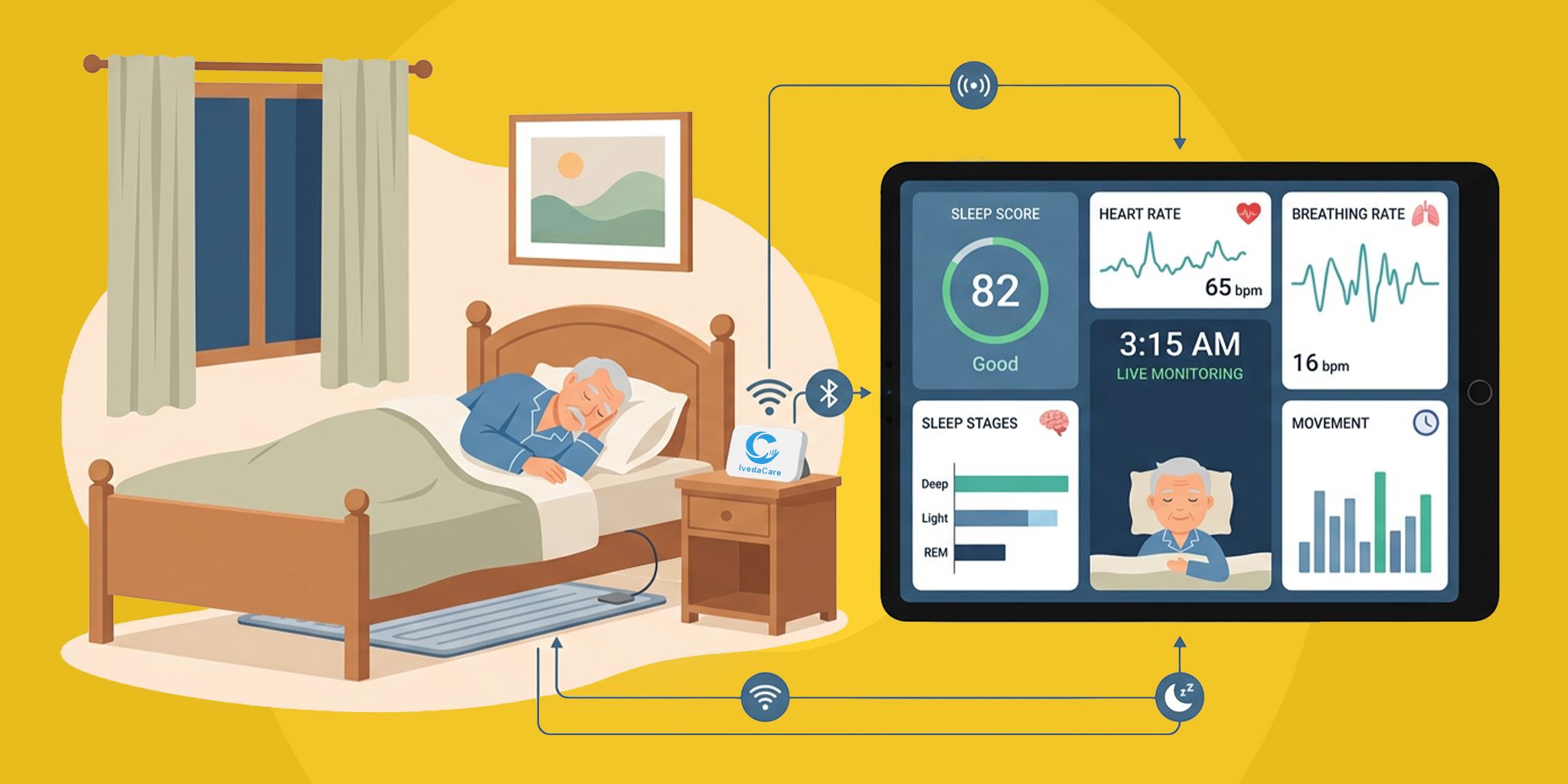
Overnight Health Monitoring
Health insights without cameras or wearables, enabling caregivers to detect issues early and improve resident well-being.
Health insights without cameras or wearables, enabling caregivers to detect issues early and improve resident well-being.
Iveda
Iveda
Vital Signs Monitoring & Connected Care Platform
Consolidates vital signs data from multiple devices to enable real‑time monitoring and scalable connected care across hospitals.
Consolidates vital signs data from multiple devices to enable real‑time monitoring and scalable connected care across hospitals.
imedtac
imedtac

Related Solutions
Healthcare
Overnight Health Monitoring
Health insights without cameras or wearables, enabling caregivers to detect issues early and improve resident well-being.
Iveda
Healthcare
Vital Signs Monitoring & Connected Care Platform
Consolidates vital signs data from multiple devices to enable real‑time monitoring and scalable connected care across hospitals.
imedtac