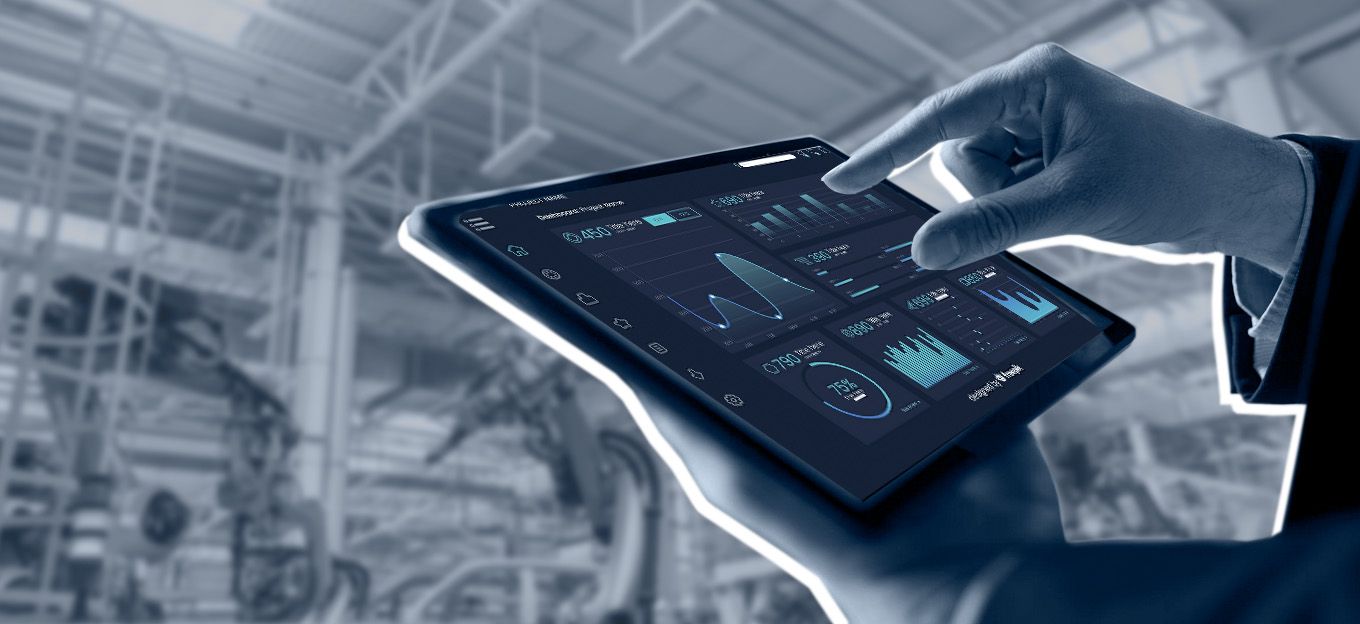
The Battle for Sub-Meter Accuracy: Why BLE AoA is Replacing RSSI in Modern Industrial Tracking
The Battle for Sub-Meter Accuracy: Why BLE AoA is Replacing RSSI in Modern Industrial Tracking

- Last Updated: May 5, 2026
Crepak Technology
- Last Updated: May 5, 2026

Modern industry (Industry 4.0) is integrating smart technology so that machines and products can work together, allowing human involvement to be minimal. With this interconnected system comes the need for real-time data exchange so the operational manager is always in the loop.
But the old RSSI asset-tracking system can only support a limited range, after which the signal strength degrades. Although the signal indicator isn’t obsolete, it cannot fulfil modern industrial needs, where precision matters.
BLE AoA (Angle of Arrival) is an ideal solution for industries that require real-time tracking. Its pinpoint accuracy at a sub-metre level (under 1 m) helps determine the location of every object and person without error. However, accuracy is just one factor. Other considerations nudge modern industries towards AoA instead of RSSI.
Why is Bluetooth AoA Technology a Smarter Choice for Modern Tracking?
Industries have been dependent on RSSI for the longest time. However, the modern tracking requirements are changing with an increased need for precision and clarity. Bluetooth AoA is a smarter investment in modern industrial tracking systems, as it uses the angle of arrival to determine an object or worker’s movement.
Here are why industries are shifting from RSSI to AoA today:
- Sub-Meter Accuracy
RSSI range drops to within 3 to 5 m, but Bluetooth AoA delivers precision to within 0.1 m as well, making it ideal for detecting objects and humans with maximum accuracy. - Extensive Compatibility
The modern tracking system is compatible with Bluetooth 4.0 and above tags, making it easy to integrate with new and existing systems. You don’t necessarily need to replace the present tag system in your warehouse. - Low Energy Consumption
The Angle of Arrival device is made to operate on low power, so you can use it with battery-operated devices. So even if the initial investment is high, the upkeep cost compensates for the same. - Versatile Applications
Modern industries can use Bluetooth Angle of Arrival technology for multiple purposes, including location mapping, geo-fencing, roll call, attendance, and work hour management. - Indoor Asset Tracking
The modern Bluetooth device is suitable for accurately tracking both humans and tools, helping to save time, cost, and effort. So, if workers aren’t able to locate something or if a tool is becoming obsolete, real-time tracking helps identify them easily. - Scaling Capabilities
A BLE AoA is compatible with all Bluetooth trackers present in your vehicles, mobile phones, bracelets, beacons, or watches. Additionally, its robust connectivity supports reliable networking in underground and outdoor environments as well.
Industrial Use Cases for Bluetooth AoA Tracking
BLE AoA is a practical solution for modern industries that look for sub-meter accuracy and precision. Its common applications are:
- Warehouse Management
Tracking inventory, forklifts, and vehicles is important for improving inventory tracking and streamlining everyday operations. It helps locate tools and pallets that workers are unable to identify otherwise and ensures that the loads are leaving/entering the warehouse within the given timeline. - Access Control
Geotagging can help ensure that workers do not enter restricted areas. It triggers the alarm system and ensures compliance with safety protocols in the industrial warehouses. - Collision Avoidance
Continuous tracking of vehicles and workers helps avoid collisions. As soon as two objects come close, the system triggers an instant alert so the workers can slow down or reroute the machinery for safety.
Hybrid BLE RTLS: Redefining Industrial Tracking Systems
Modern industries demand accurate and interoperable location tracking, which the BLE AoA device sufficiently fulfils. However, it forces businesses to choose between precision and high cost. That’s why a hybrid BLE RTLS system is gaining popularity, offering the advantages of accuracy and efficiency.
The Bluetooth AoA technology can be used for critical zones that require sub-meter accuracy. RSSI is more feasible for general monitoring. The combination optimises infrastructure costs and helps scale slowly.
As the technology is upgrading, so are the live tracking systems in modern industries. It is important to invest in a device that fulfils your purpose and provides the information you need.
Frequently Asked Questions
How long does the BLE AoA setup take?
The Bluetooth AoA setup can take several days to weeks, depending on the project complexity, site survey, and network planning.
Is the BLE AoA different from the Bluetooth to WiFi gateway?
Yes, the Bluetooth Angle of Arrival is a technology that determines the location of a geotag. However, a Bluetooth to WiFi gateway is a device that collects data from the Bluetooth device and sends it to the cloud.
Which industries benefit from a BLE AoA tracking system?
BLE Angle of Arrival tracking technology is useful for logistics, manufacturing, construction, retail, and healthcare industries.
How much does the BLE AoA system cost?
The cost of a Bluetooth AoA system depends on the location, kit brand, and service provider.

The Most Comprehensive IoT Newsletter for Enterprises
Showcasing the highest-quality content, resources, news, and insights from the world of the Internet of Things. Subscribe to remain informed and up-to-date.

New Podcast Episode

Building Real-Time Voice AI Experiences

Related Articles