



Things You Didn’t Know Had a SIM Card
Things You Didn’t Know Had a SIM Card

- Last Updated: November 20, 2026
Monogoto
- Last Updated: November 20, 2026
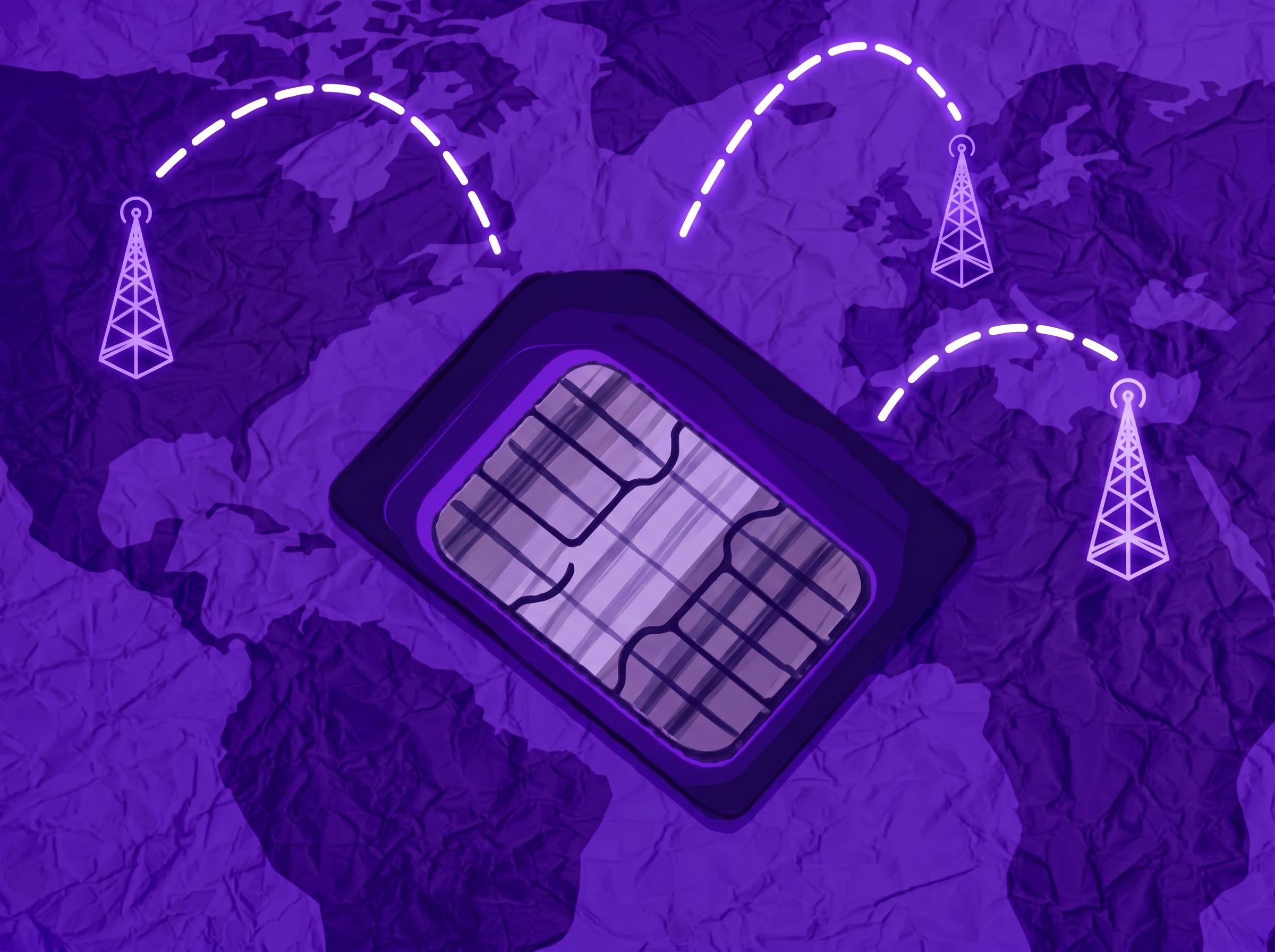
Your phone has a SIM card. Your car probably does too. For most people, that’s where the map of “things on a cellular network” ends. Ours doesn’t. Spend enough time in IoT, and you stop being surprised by what’s online. Septic tanks. Boats nobody has checked on since summer. A zebra doing security work it never signed up for.
Here are six real things our customers connect, and why none of them could get by on a network built for phones.
A zebra on undercover duty
Roughly every 10 hours, a rhino is killed by poachers. The obvious fix is to put trackers on the rhinos. The problem: a tracker on a rhino is also a map to the rhino if that data ever leaks.
So SODAQ and researchers from Wageningen University flipped it. Animals like zebras behave differently around rangers, tourists, and poachers. Watch the zebras, and you can spot trouble without ever broadcasting the rhinos’ location.
Solar-powered, ultra-low-power trackers collect behavior data over a LoRaWAN network, and Monogoto keeps the data moving from the bush to rangers’ alerts.
The zebra gets the tracker. The rhino gets the protection. And the rangers get an early warning without broadcasting the location of the animals they’re trying to protect.
Not your typical IoT deployment.
A septic tank that speaks up before it’s a problem
Nobody thinks about a septic tank until there’s a problem. By then, it’s usually already a pretty unpleasant one.
Traditionally, service companies relied on fixed routes and schedules. Trucks went out whether tanks needed emptying or not, and dispatchers had little visibility once those trucks left the yard.
Rivio is building the tech layer that industry never had: level sensors on tanks, GPS on vacuum trucks, rugged tablets in the cab. Roughly 1,000 devices now report into one platform, so trucks get routed by how full a tank actually is, not by the calendar.
The catch is where these tanks live: marinas, golf courses, construction sites, rural properties. Exactly where coverage thins out. So Rivio runs on multi-network cellular with satellite fallback.
Not glamorous. Extremely essential.
A river gauge that talks to satellites
Cellular networks reach about 90% of the world’s people but only about 15% of its surface. Rivers, groundwater wells and estuaries mostly live in the other 85%.
ISURKI, based in Irún, Spain, has more than 500 ISURLOG dataloggers in the field measuring water level, flow, and pressure. Adding satellite used to mean a separate modem that cost more than the whole datalogger.
Instead, ISURKI used the chip already on the board. With a firmware update and a Monogoto NTN SIM, the same datalogger, antenna, and SIM slot could now connect over satellite.
From receiving the SIMs to the first real sensor reading over satellite? One day.
A hospital disinfection system that skips the Wi-Fi password
Hospitals have enough things to manage. Adding a new device to the hospital Wi-Fi shouldn’t be one of them.
Breezy Med’s Breezy Blue system fogs rooms with aerosolized hydrogen peroxide after manual cleaning, and its Smart Controller logs every cycle to the cloud. Instead of relying on each hospital’s Wi-Fi and IT team, the controllers use cellular and switch among selected carriers based on what works best in each building.
More than 300 units are connected today. If the signal drops, logs are cached and sent once it’s back.
A delivery e-bike that can lock its own steering
Whizz gets high-quality e-bikes into the hands of independent delivery riders in US cities, where bike theft is a real business problem.
The SIMs are installed at the factory, mapped to each bike, and configure themselves the first time the bike comes online. No one inserts anything by hand. If a bike is stolen, Whizz can trigger an alarm, cut the electric assist, and, on newer models, remotely lock the steering.
Congratulations, thief. You now own a very heavy, very loud regular bike.
A boat you haven’t checked on since summer
Cars went connected years ago. According to Boat Fix, only about 5% of recreational boats are wirelessly connected, even though a boat is often one of a person’s most expensive possessions.
Boat Fix tracks battery levels, bilge pump activity, and GPS location, and sends alerts if something goes wrong, a boat drifts, or severe weather approaches.
As CEO Steve Pitsos puts it, once a SIM goes into a boat, “we never see that device again.”
And that’s the point. Everything has to just work, because nobody is standing there to troubleshoot it.
So what do a zebra and a septic tank have in common?
Nobody is standing next to either of them.
Your phone has you. When the bars drop, you notice, walk to the window, or switch to Wi-Fi. A river gauge can’t. A boat in storage can’t. A disinfection controller in a hospital basement definitely can’t.
These devices need to connect wherever they end up, to whatever network is available, whether that’s cellular, satellite, or something in between. They need to stay online for years, switch networks when needed, and be managed remotely when things change.
That’s the part of IoT connectivity people don’t always think about. It’s not just getting a device online. It’s keeping thousands of devices connected across different environments, networks, and conditions, often without anyone physically there to help.
When one of these devices needs to switch networks, you can’t send a technician to every site. The switch has to happen over the air.
Own your connectivity. Not your carrier.

The Most Comprehensive IoT Newsletter for Enterprises
Showcasing the highest-quality content, resources, news, and insights from the world of the Internet of Things. Subscribe to remain informed and up-to-date.

New Podcast Episode

The State of LoRaWAN in 2026

Related Articles


Related Solutions
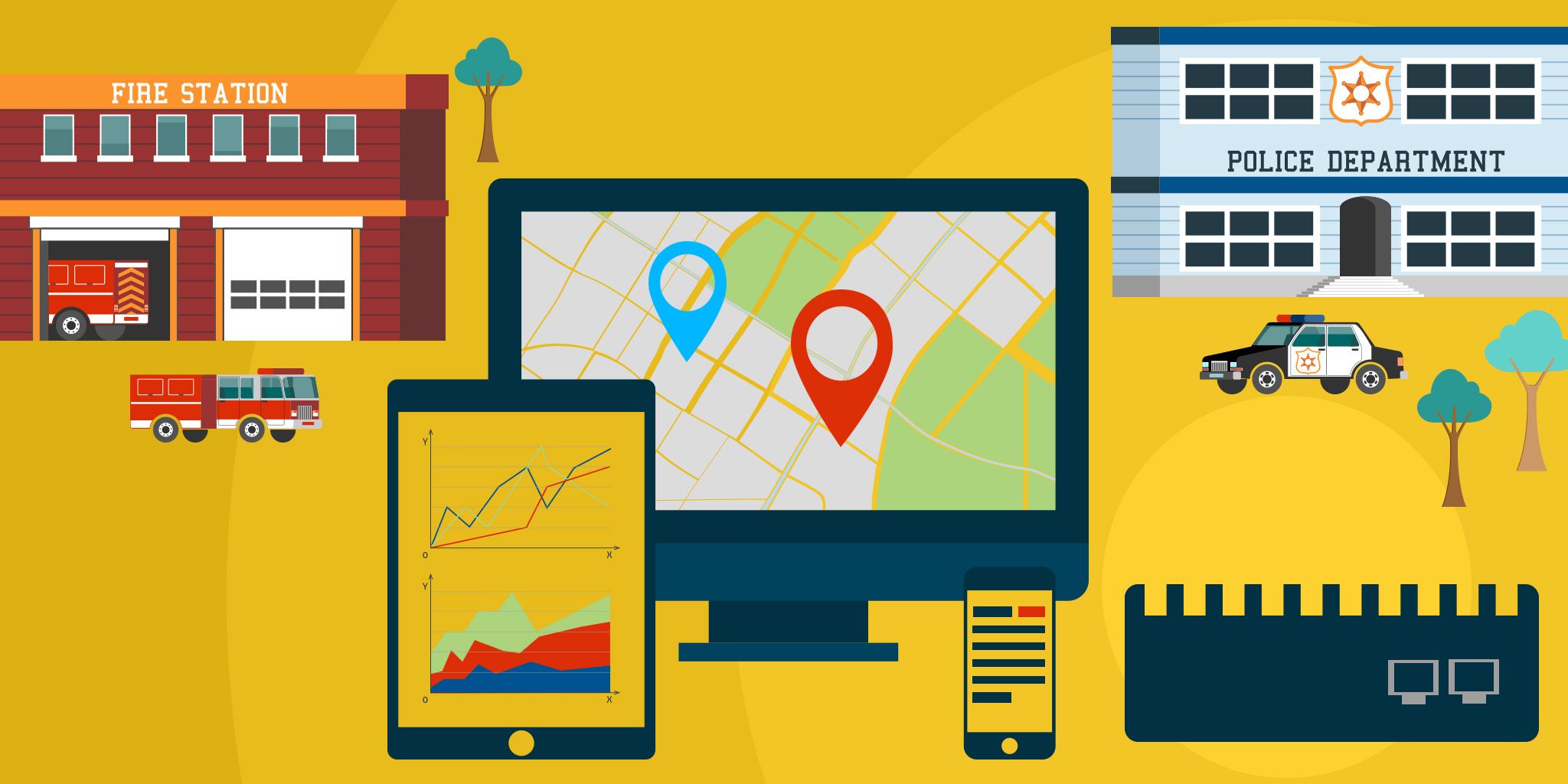
Mobile Networking for Public Safety
Enable data sharing, enhanced situational awareness, and secure communication across vehicles, devices, and command centers.
Enable data sharing, enhanced situational awareness, and secure communication across vehicles, devices, and command centers.
Digi
Digi
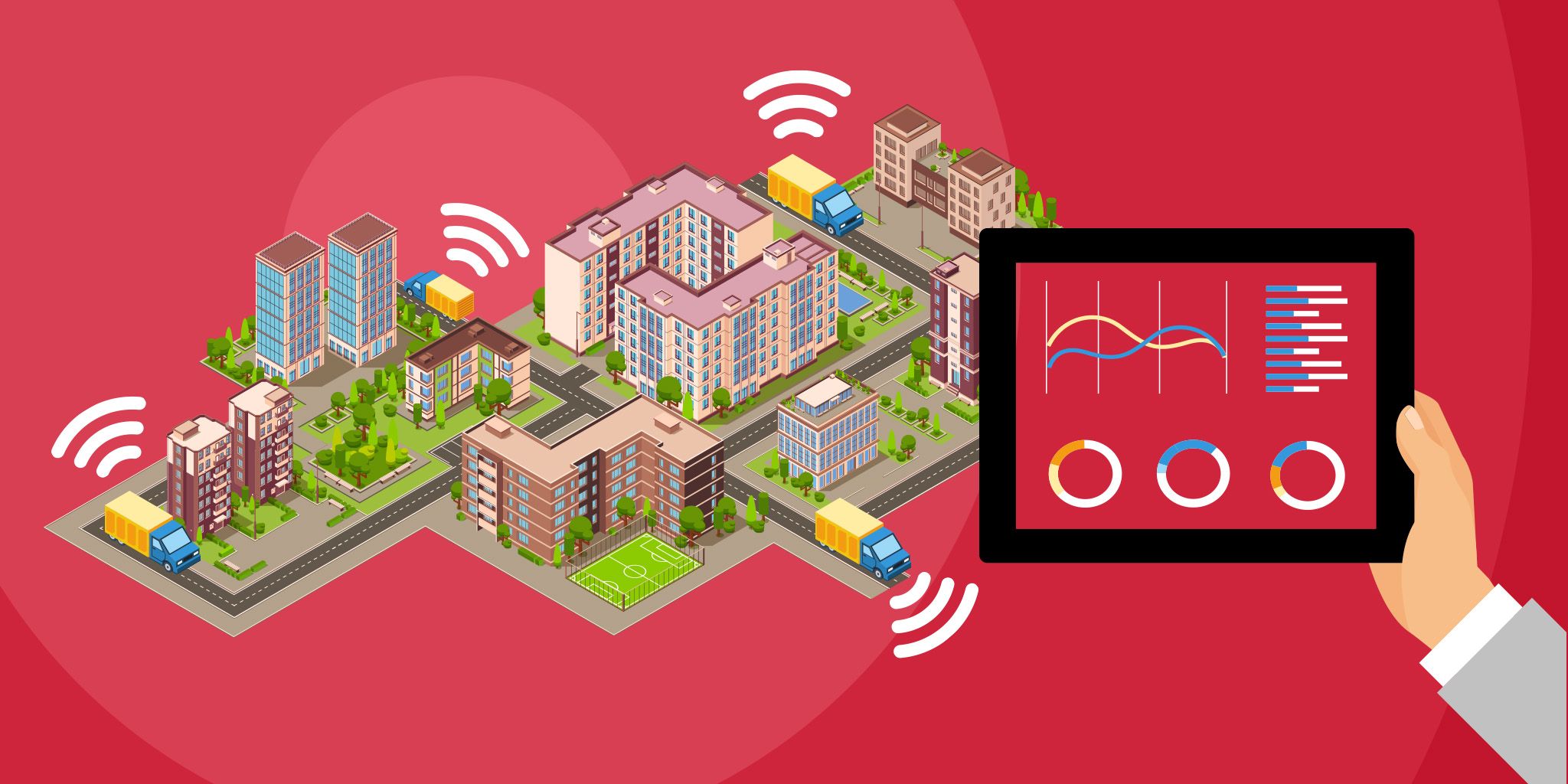
Asset and Inventory Monitoring
Track assets, monitor performance, and maintain persistent connectivity to improve supply chain efficiency, security, and uptime.
Track assets, monitor performance, and maintain persistent connectivity to improve supply chain efficiency, security, and uptime.
Digi
Digi
Primary and Failover Connectivity for Retail
4G/5G cellular networks for enabling uninterrupted retail operations with seamless support and rapid deployment across stores.
4G/5G cellular networks for enabling uninterrupted retail operations with seamless support and rapid deployment across stores.
KORE
KORE

Related Solutions
Smart Cities
Mobile Networking for Public Safety
Enable data sharing, enhanced situational awareness, and secure communication across vehicles, devices, and command centers.
Digi
Supply Chain & Logistics
Asset and Inventory Monitoring
Track assets, monitor performance, and maintain persistent connectivity to improve supply chain efficiency, security, and uptime.
Digi
Retail
Primary and Failover Connectivity for Retail
4G/5G cellular networks for enabling uninterrupted retail operations with seamless support and rapid deployment across stores.
KORE