



NRF 2026: Vision AI Is Growing Up — and Choosing a Side
NRF 2026: Vision AI Is Growing Up — and Choosing a Side

- Last Updated: January 14, 2026
Ryan Chacon
- Last Updated: January 14, 2026
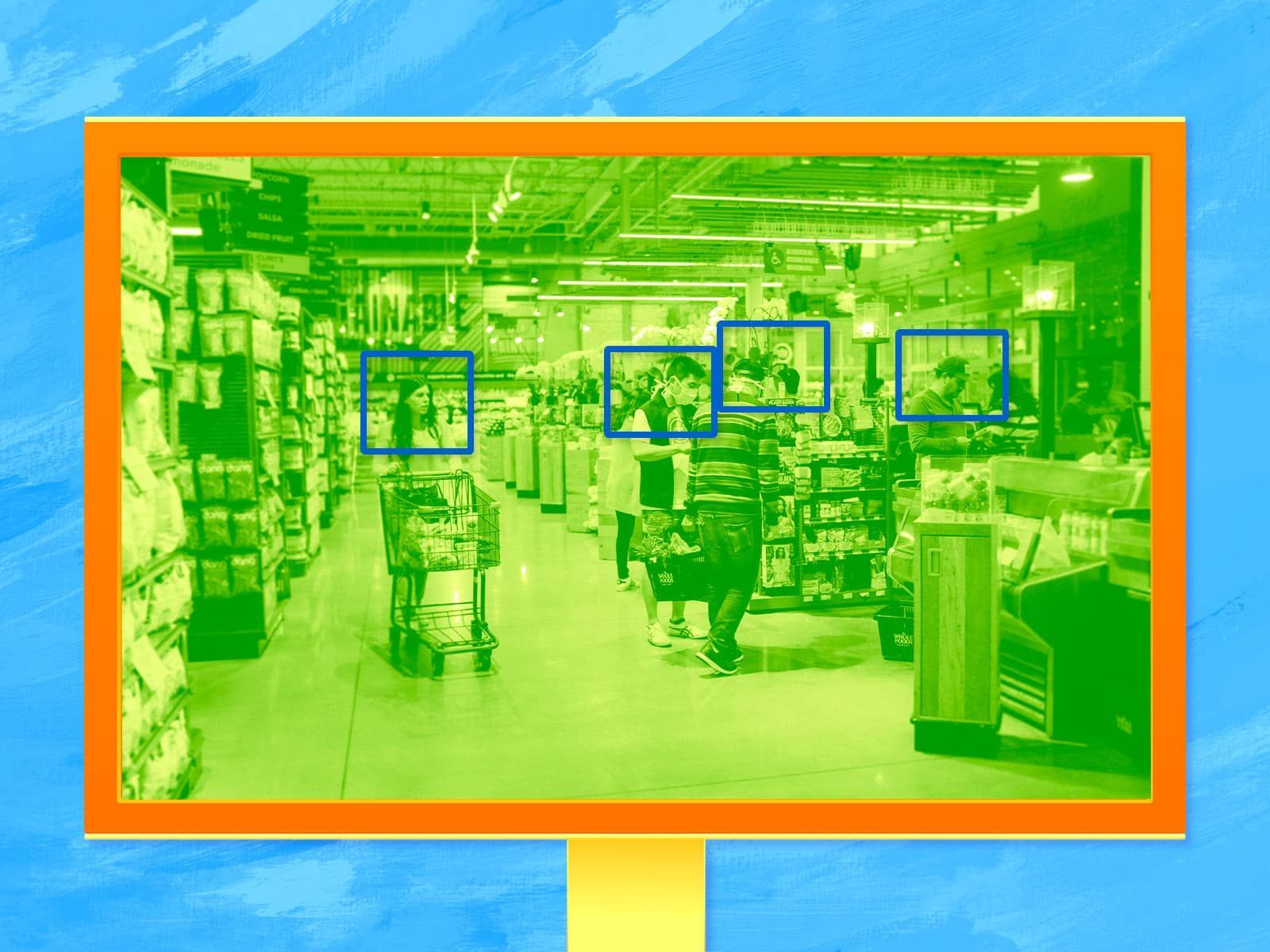
NRF 2026 made one thing clear: Vision AI is no longer a fringe capability or a pilot-only experiment in retail. It has entered a phase of real adoption — and with that comes a necessary shift in how these solutions are built, packaged, and sold.
Rather than showcasing entirely new categories of technology, this year’s show highlighted a familiar dynamic for anyone who lived through the early days of IoT. Vision AI is now facing the same strategic fork in the road that defined which IoT platforms ultimately succeeded — and which struggled to scale.
From Video Security to Operational Intelligence
Many of today’s Vision AI solutions trace their roots back to video security and loss prevention. Cameras were already deployed at scale across retail environments, quietly capturing vast amounts of underutilized data. The addition of AI transformed those systems from passive recording tools into sources of operational intelligence.
Retail-focused use cases such as shrink detection, queue monitoring, dwell analysis, and associate productivity insights are now common conversation points. The technology itself is no longer the differentiator. What matters more is how that technology is positioned and aligned with real-world retail operations.
A Familiar Strategic Divide
Two dominant approaches to Vision AI are emerging — mirroring the early evolution of the IoT market.
Horizontal Platforms: Broad Capability, Broad Messaging
One camp is positioning Vision AI as a horizontal platform — a flexible suite of capabilities marketed as broadly applicable across industries. These platforms emphasize configurability, extensibility, and feature breadth.
This approach will sound familiar to anyone who watched early IoT platforms lead with architecture diagrams and long lists of supported use cases. While powerful in theory, these solutions often place the burden of translation on the customer: turning a general-purpose platform into a business-specific solution.
In practice, this can slow adoption and complicate internal alignment, particularly in retail environments where buyers are focused on operational outcomes rather than technical flexibility.
Purpose-Built Vertical Solutions: Lessons Learned from IoT
The second approach focuses on vertical specificity. These vendors often leverage similar underlying technologies but package, market, and deliver them as purpose-built solutions for a particular retail segment — such as grocery, big-box, or convenience retail.
This strategy mirrors the path taken by many successful IoT companies. Vertical alignment reduces complexity for buyers, shortens time to value, and simplifies ROI justification. Retail operators don’t need to imagine how a platform might apply to their business — the solution is already framed in their language and mapped to their workflows.
In IoT, this vertical-first approach consistently outperformed horizontal platforms in driving adoption and scale.
Hardware-Led vs. Hardware-Agnostic Models
Another key divide becoming increasingly visible is the role of hardware.
Some Vision AI vendors continue to lead with proprietary camera hardware, offering tightly integrated end-to-end systems. Others take a hardware-agnostic approach, focusing on software that can leverage existing camera infrastructure.
From a retailer’s perspective, the appeal of hardware-agnostic solutions is clear. Most retailers already have extensive camera deployments and are under pressure to limit capital expenditures. Software-first approaches enable faster pilots, lower upfront costs, and reduced operational disruption.
While hardware-led models may offer tighter integration, flexibility and deployment speed are increasingly critical buying criteria — suggesting that hardware-agnostic strategies may be better positioned for scale.
What NRF 2026 Revealed About the Road Ahead
NRF 2026 did not introduce Vision AI to retail — it confirmed that the category has reached an inflection point. The competitive landscape is no longer defined by who has AI, but by who delivers clarity, speed to value, and alignment with retail realities.
The IoT market has already shown how this story tends to end. Solutions that are industry-specific, software-led, and operationally focused are more likely to win than broad platforms that require heavy customization and hardware lock-in.
Vision AI is now walking that same path. NRF 2026 simply made it easier to see where it leads.

The Most Comprehensive IoT Newsletter for Enterprises
Showcasing the highest-quality content, resources, news, and insights from the world of the Internet of Things. Subscribe to remain informed and up-to-date.

New Podcast Episode

Building Real-Time Voice AI Experiences

Related Articles


Related Solutions
Smart License Plate Recognition
Automate parking enforcement and access control with real-time vehicle identification to improves revenue collection.
Automate parking enforcement and access control with real-time vehicle identification to improves revenue collection.
Conure
Conure

Smart Parking Lot Management
AI-powered license plate recognition, permit validation, and vehicle classification. Easily deployable via existing IP cameras or wearables.
AI-powered license plate recognition, permit validation, and vehicle classification. Easily deployable via existing IP cameras or wearables.
Iveda
Iveda

Related Solutions
Smart Cities
Smart License Plate Recognition
Automate parking enforcement and access control with real-time vehicle identification to improves revenue collection.
Conure
Buildings & Facilities
Smart Parking Lot Management
AI-powered license plate recognition, permit validation, and vehicle classification. Easily deployable via existing IP cameras or wearables.
Iveda