



Incorporating Wireless Connectivity into Physical Security Solutions
Incorporating Wireless Connectivity into Physical Security Solutions

- Last Updated: January 12, 2026
Kajeet
- Last Updated: January 12, 2026
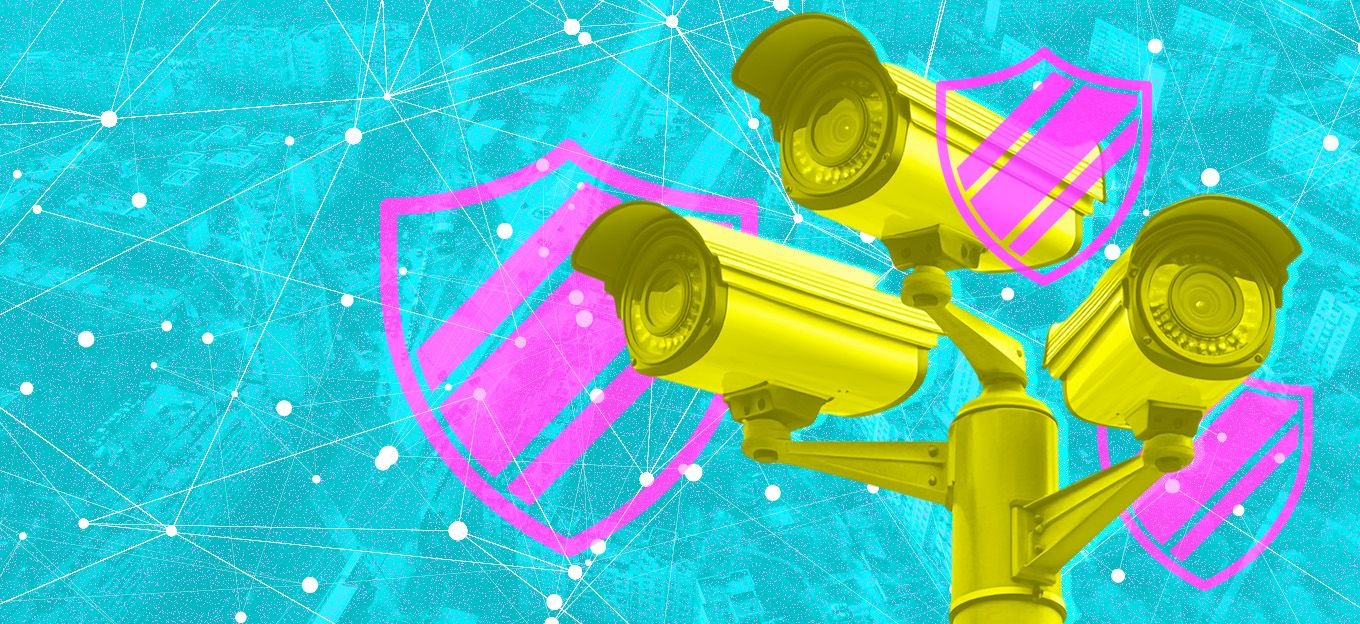
A strong network infrastructure is important for any physical security solution. Without a reliable, secure Internet connection, end users would not be able to leverage essential features of these security systems, such as:
- Real-time alerts
- Data for cloud-based systems
- Integration with connected sensors and devices
- Remote monitoring and management of systems
Within the Genetec State of Physical Security 2026 Report, a respondent stated:
“I see increasing demand for unified platforms that combine physical security, cybersecurity, and business intelligence. Customers want solutions that not only protect assets but also provide measurable ROI and integrate seamlessly with broader enterprise systems.”
As end users unify their systems and rely on real-time insights and AI-driven actions, reliable connectivity will be more important than ever.
So, what is the best way to connect physical security devices, such as cameras, motion detectors, and access controls to the Internet?
Traditionally, providers and end users lean towards hardwiring or connecting devices to the local fiber or cable network. While connecting to the local network is a viable option, it does have limitations for both the technology provider and end users:
- If the primary local network goes down or experiences latency, the system fails, creating security risks and limited functionality.
- Hardwiring may limit where devices can be placed, especially in outdoor or remote areas.
The solution? Integrate LTE/5G into your security system.
Benefits of Adding Wireless Connectivity into Your Physical Security Solution
By adding cellular connectivity into your physical security product offering, you are creating a better experience for your end users and reducing manual workload for your team.
Reliable Connectivity: Whether LTE/5G is used as the primary connection or a backup, it ensures network continuity. This prevents lapses in product uptime, ensuring happier end users, dependable data streams, and the ability to push remote software or firmware updates.
Ease of Set-Up: Traditional, wired solutions take time and expertise to install. Pre-provisioned cellular-enabled devices are delivered to customers ready-to-use, removing barriers to technology deployment and adoption.
Location Flexibility: Cellular-based solutions are inherently more flexible than devices tethered to a building network. This is helpful for:
- Devices placed in outdoor locations
- Devices that need to be portable (e.g., for pop-up events)
Incorporating Wireless Connectivity into Physical Security Solutions
Cellular connectivity can be used in two scenarios:
- As a primary connection for remote sites, outdoor locations, or to create a more seamless set-up experience.
- As a backup connection to kick on in the event of a wired network outage or latency.
These cellular connectivity options can be deployed in two ways:
- An LTE/5G router can be used as a secure access point for multiple devices.
- A SIM card can be installed directly at the device level (e.g., camera, turnstile, gate).
Selecting a Wireless Connectivity Provider
If you are ready to add LTE/5G into your product, consider these three factors when evaluating vendors:
Multi-Carrier Coverage: Ensure you aren't locked into one carrier. Find a provider that offers multi-carrier SIMs to serve the diverse coverage needs of your customer base without juggling multiple contracts.
Device and Data Management: Your connectivity provider should include a platform to view connected device insights and manage data usage, filters, and device health.
Turnkey Solutions: Work with a provider that offers logistics support and delivers ready-to-use, pre-provisioned solutions to minimize your team's workload.
As end users demand more of their security systems—real-time alerts, remote troubleshooting, and AI-driven actions—a reliable Internet connection is crucial. Stay ahead of the curve by incorporating LTE/5G as a primary or backup connection into your physical security solution.

The Most Comprehensive IoT Newsletter for Enterprises
Showcasing the highest-quality content, resources, news, and insights from the world of the Internet of Things. Subscribe to remain informed and up-to-date.

New Podcast Episode

Building Real-Time Voice AI Experiences

Related Articles

Related Solutions

Long-Endurance Aerial Monitoring and Response
AI-powered analytics and mission-ready aircraft for public safety, maritime, search and rescue, and emergency response.
AI-powered analytics and mission-ready aircraft for public safety, maritime, search and rescue, and emergency response.
Iveda
Iveda
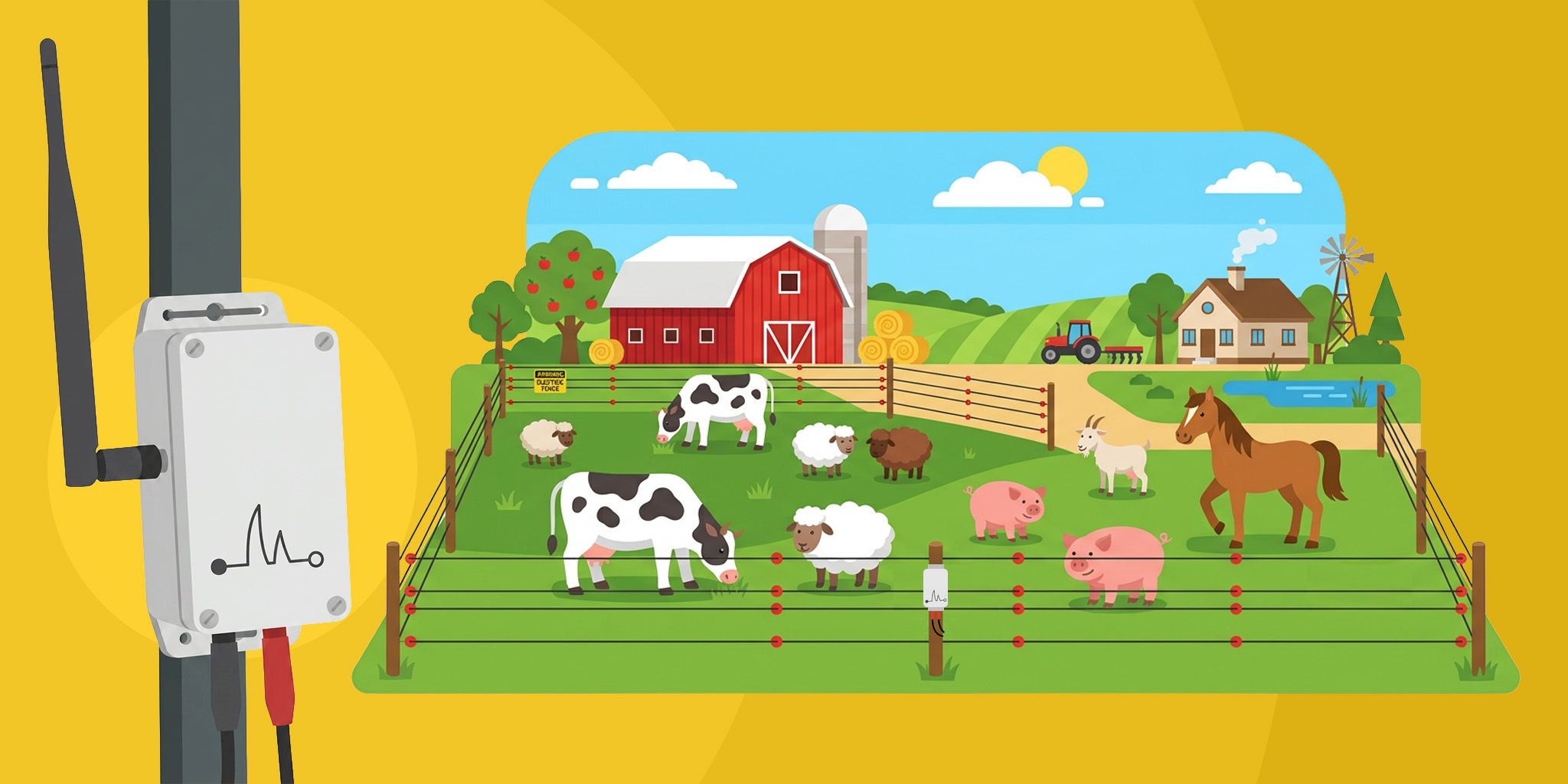
Electric Fence Monitoring for Agriculture
Solar-powered sensors detect faults, voltage drops, and tampering instantly. Receive alerts within minutes and secure your property.
Solar-powered sensors detect faults, voltage drops, and tampering instantly. Receive alerts within minutes and secure your property.
Safora
Safora

Child Safety Badges for Large Venues
Smart badges enable instant reunification, proactive alerts, and a safer, more trusted guest experience.
Smart badges enable instant reunification, proactive alerts, and a safer, more trusted guest experience.
Iveda
Iveda

Related Solutions
Maritime & Boating
Long-Endurance Aerial Monitoring and Response
AI-powered analytics and mission-ready aircraft for public safety, maritime, search and rescue, and emergency response.
Iveda
Agriculture
Electric Fence Monitoring for Agriculture
Solar-powered sensors detect faults, voltage drops, and tampering instantly. Receive alerts within minutes and secure your property.
Safora
Buildings & Facilities
Child Safety Badges for Large Venues
Smart badges enable instant reunification, proactive alerts, and a safer, more trusted guest experience.
Iveda