



How AI and IoT are Creating a Zero-Accident Construction Zone
How AI and IoT are Creating a Zero-Accident Construction Zone

- Last Updated: January 19, 2026
Ellie Gabel
- Last Updated: January 19, 2026
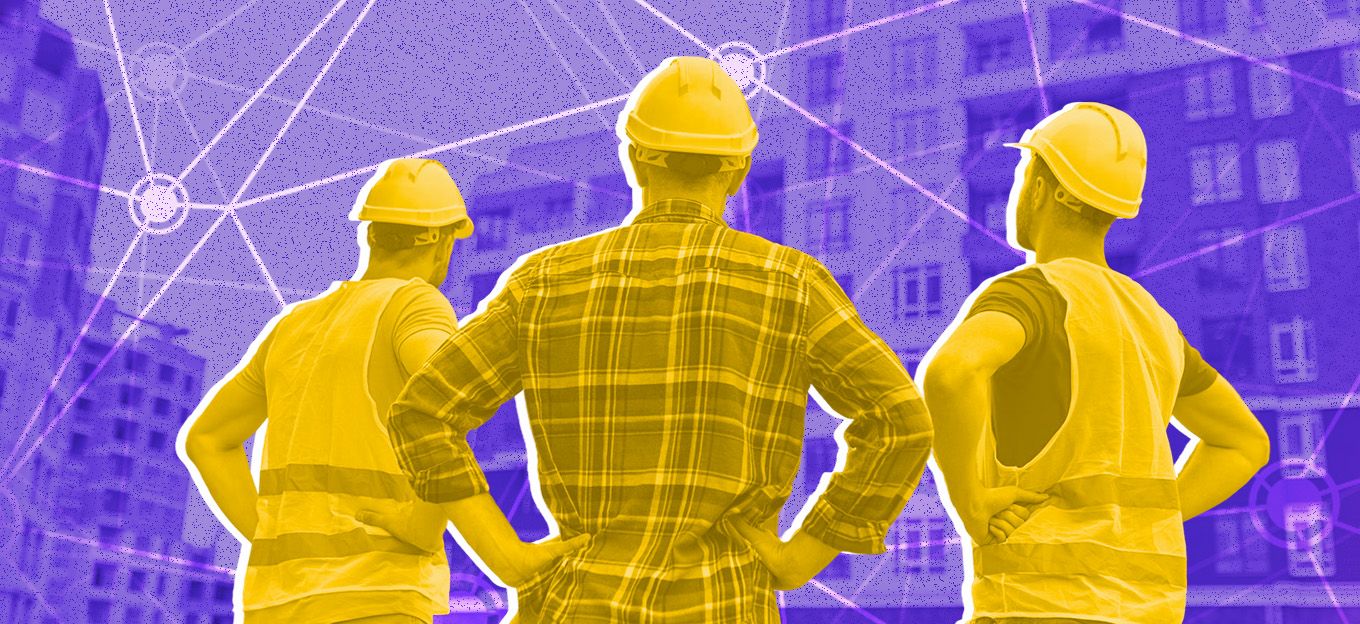
The goal of a zero-accident construction zone is rapidly moving from a theoretical ideal to a practical reality, thanks to the convergence of artificial intelligence (AI) and the Internet of Things (IoT). Traditional safety measures on construction jobsites are largely reactive. Advanced, technology-backed protection, such as AI and IoT, is proactive, taking action before events occur.
Together, these advanced technologies have the potential to create a zero-accident construction zone or jobsite. Predictive analytics, risk mitigation, real-time alerts, and enhanced communication are all enabled by smart tech and signal the start of unprecedented safety levels in construction.
Adapting to Environmental and Situational Hazards
The construction sector had one of the highest fatality rates in 2024, second to transportation and warehousing. The list of common job site risks is long and fairly evident. These hazards include everything from falls from high places and faulty wiring to heat exposure and the dangers of operating heavy machinery.
While preventing common safety events is important, a greater challenge lies in adapting to unique hazards on a case-by-case basis, especially within employee-wide systems. Programmed safety alerts are only effective for repeatable instances, leaving a critical gap. The core difficulties are adapting training for new or dynamic situations and keeping teams vigilant against risks that are not yet known or visible.
By combining predictive analytics, computer vision, and real-time data collected on-site, and blending it all with known information and past scenarios, AI can revolutionize how teams address changing safety risks. It can also be paired with other smart technologies, such as IoT wearables, to enhance job site awareness for both on-site personnel and managers or supervisors, regardless of their physical location.
Building the Data with Smart Technology
Wearables like smartwatches or personal protective equipment (PPE) can be outfitted with sensors to monitor human behaviors and health, and external statistics. Most of these devices already have the capabilities.
Consider helmets, boots, or vests equipped with sensors to monitor a worker’s surroundings. They can gather information on temperatures, sun exposure, air quality, and even the posture of the worker, right down to the actions they’re completing, such as lifting or bending.
Meanwhile, a smartwatch can collect data on body stress levels, heart rate, oxygen levels, and fatigue. All of that information feeds into a central data system, enabling more informed decision-making.
Data can also be collected by equipment sensors or on-site sensors, gathering valuable information about the site, local climate, conditions, or equipment health. This can be used to identify potential hazards or spot invisible dangers, such as poisonous fumes or gases, flammable materials, or other risks.
For visual data, cameras, drones, or visual aids built into wearables can deliver the necessary feedback into the system. These devices can be temporarily relocated to a jobsite, whether on someone’s person or gear, or transported via equipment and tools.
Empowering AI and Deep Learning Systems
Essential information can be sent to AI, machine learning, and neural network-based systems for recognition, analytics, and processing. For example, AI systems can be tailored to identify workers on-site who aren’t following safety measures, particularly those not wearing their PPE, and send alerts to managers.
Those managers could respond by contacting the worker in question, ensuring they put on the right equipment, and then scheduling safety training, thereby avoiding a potentially dangerous event. Alternatively, the AI could be used to analyze live video feeds, spot safety hazards, and flag the necessary contacts — even sending real-time alerts to connected devices like smartwatches or notifying project managers via an app or standard text messages.
To achieve proactive operations, the AI’s predictive algorithms could provide suggestions for upcoming projects, analyzing areas or hazards before anyone is on-site. Firms that are already using predictive-based safety measures have seen a 50 percent drop in incident rates over 12 months, indicating the potential of these technologies to improve safety.
Conducting On-Site Assessment and Reporting
The final piece of the puzzle is how these solutions work together to inform, alert, and promote proactive safety. Imagine a remote AI tool flagging workers on-site to potential hazards, sending notifications directly to their personal wearable devices, such as a pair of smart protective glasses or a helmet with an integrated display.
There are several factors to consider when dealing with heavy machinery that relate to performance or reliability. When equipment hasn’t been adequately maintained or may malfunction, it presents a direct risk to worker safety.
A simple fluid analysis is one of the most effective ways to predict future performance and identify problems before they escalate into failures. AI can read data from the equipment via smart sensors, alerting workers through their wearables so they can avoid the hazardous equipment.
AI could then flag a supervisor, notifying them that the equipment should be marked as inoperational and a replacement is needed. This can be done before the equipment is even transported to the site or if the equipment malfunctions during a project. Either way, the timely identification of a potential problem can help prevent injuries or death. AI can also automate these solutions, take manual observations and report over for supervisors, while streamlining the process.
Simplifying Construction Project Management and Communication
AI, especially agentic solutions, can also be used to improve construction project management, employee management, scheduling, and communication. For instance, fatigue is a major health and safety risk in the workplace. If the system identifies that a team member is severely fatigued, it can step in and offer reprieve and coverage, rescheduling available team members and informing all involved parties.
At a remote jobsite with a distributed team, the system can also alert others when someone is hurt. By arranging the appropriate emergency response, lives can be saved in situations where the event may not be noticed for hours.
Even through the monitoring of vitals, the system could flag someone exposed to high levels of heat and dehydration, allowing a manager to act as soon as possible. This enables better organization and management, especially across long distances, and ensures prompt reactions when time matters most.
Build Resilient, Responsive, and Safer Teams
Technology has the potential to be transformative for worker and jobsite safety. Through the combination of modern AI solutions and IoT-enabled devices, including wearables, PPE, and well-placed sensors, it’s possible to implement lifesaving measures proactively.
Project managers and supervisors can work closely with teams to prevent accidents and damaging events before they occur. Assessing new sites before visiting and monitoring active sites and personal data in real-time can help avoid a vast array of potential complications, keeping everyone safe, alert, and productive.

The Most Comprehensive IoT Newsletter for Enterprises
Showcasing the highest-quality content, resources, news, and insights from the world of the Internet of Things. Subscribe to remain informed and up-to-date.

New Podcast Episode

Building Real-Time Voice AI Experiences

Related Articles

Related Solutions
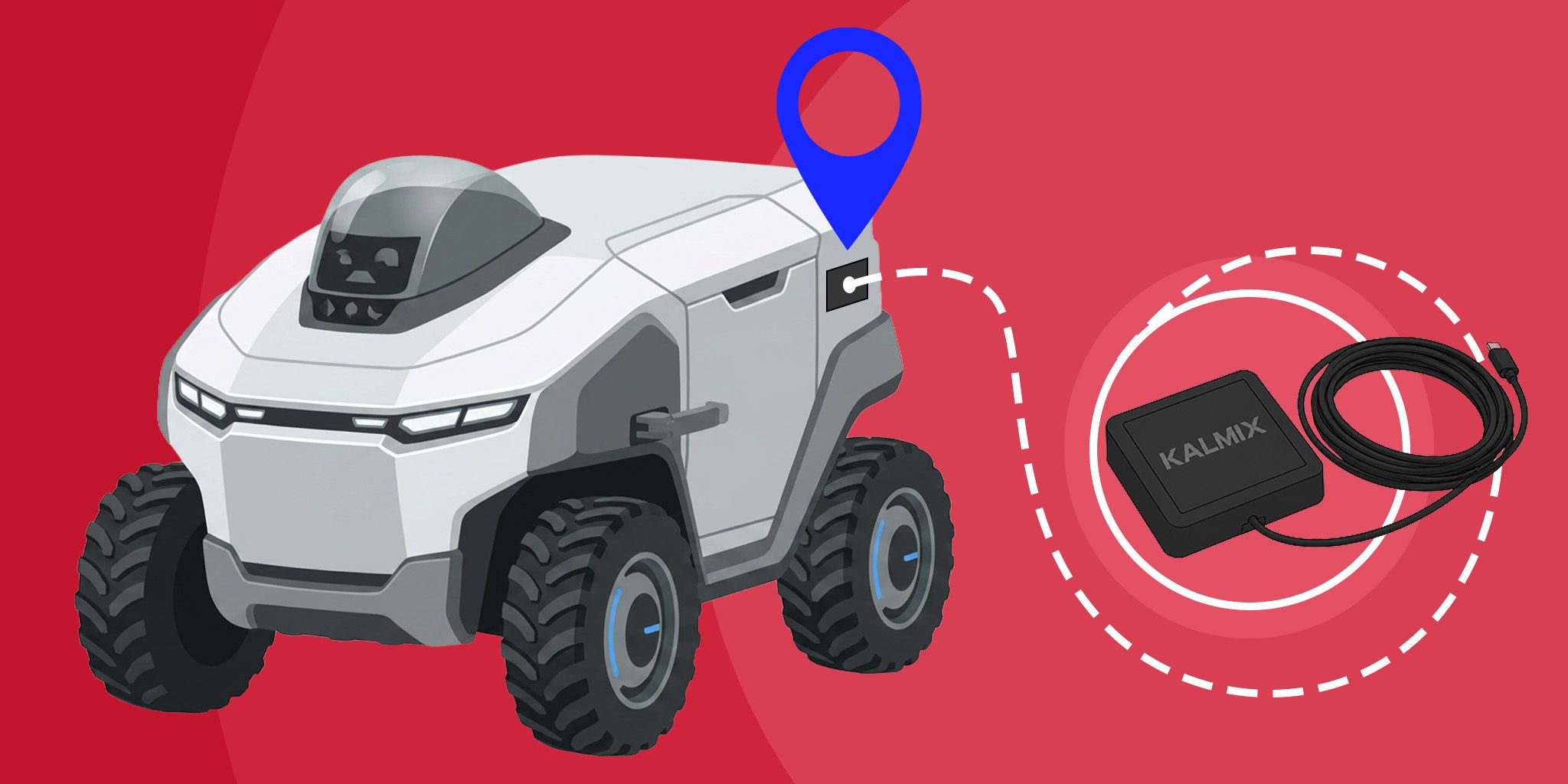
RTK Positioning for Robotics and Field Machines
High-precision positioning. Achieve centimeter-level accuracy without the complexity of building custom hardware from scratch.
High-precision positioning. Achieve centimeter-level accuracy without the complexity of building custom hardware from scratch.
Kalmix
Kalmix
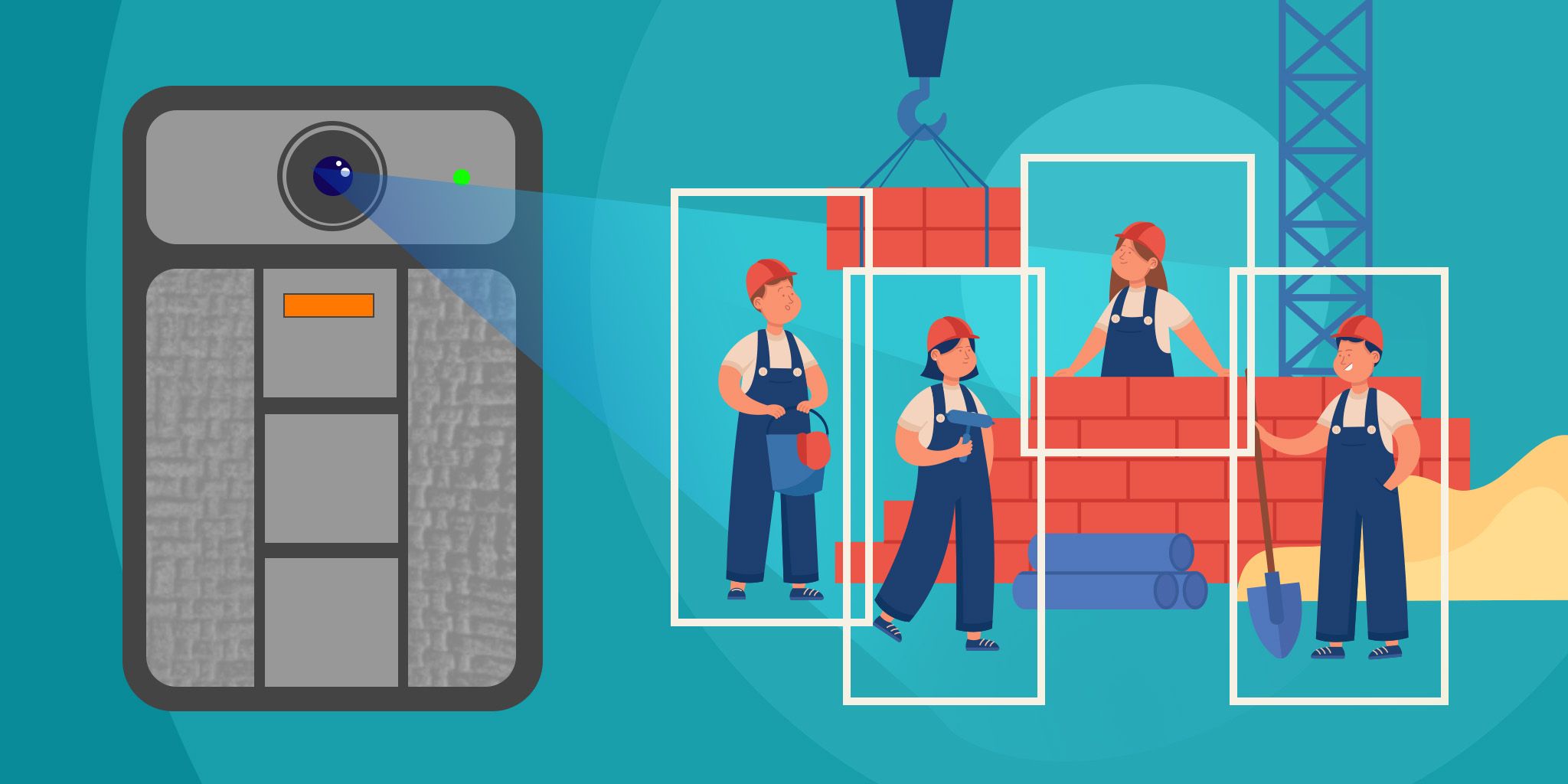
Construction Site Safety Monitoring
AI-powered wearables for real-time PPE compliance monitoring, hazard detection, and incident documentation.
AI-powered wearables for real-time PPE compliance monitoring, hazard detection, and incident documentation.
Iveda
Iveda
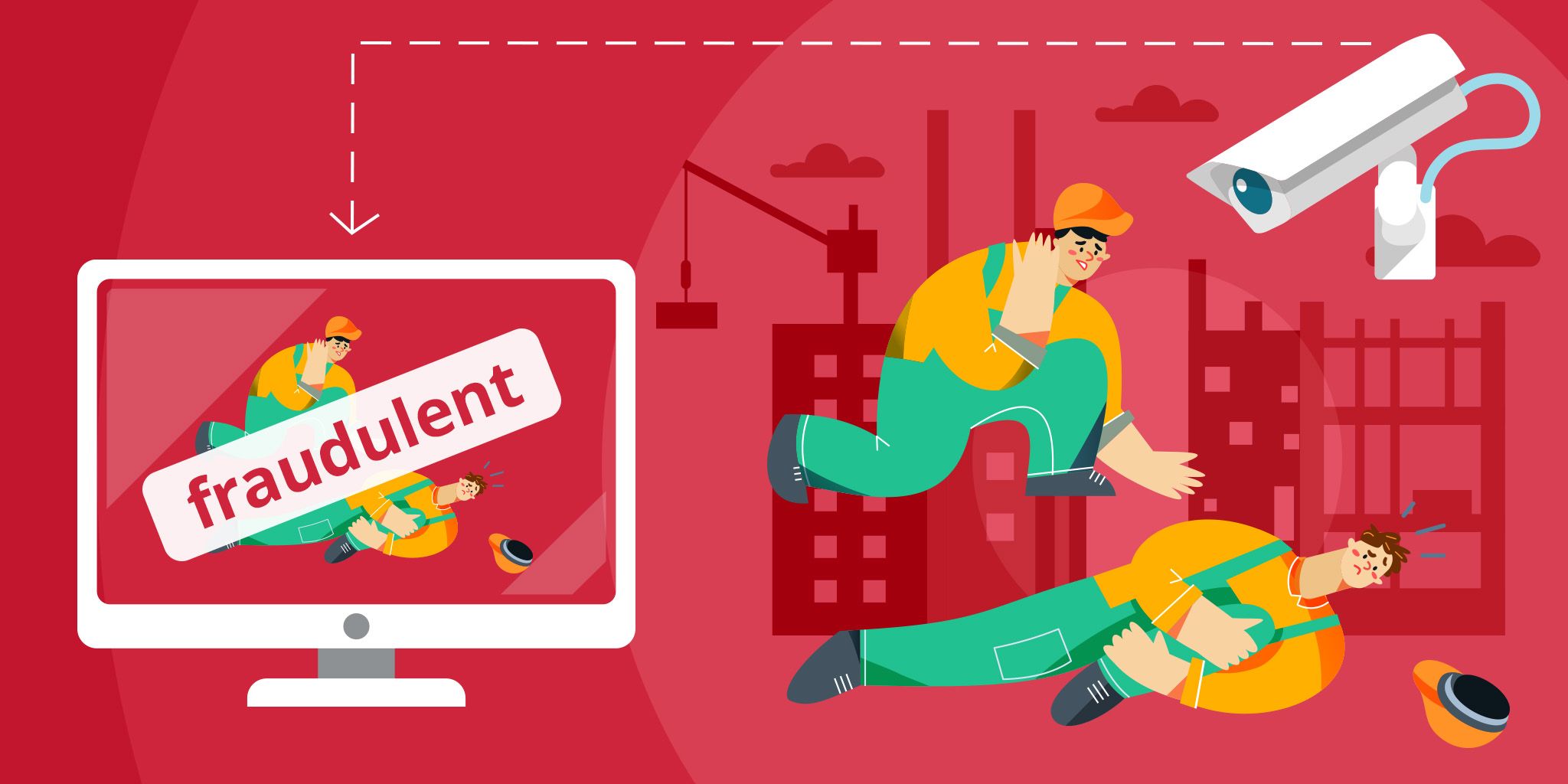
Workers' Compensation Fraud Prevention
Quickly verify claims, reduce investigation time, and protect your bottom line with AI-powered video surveillance and analytics.
Quickly verify claims, reduce investigation time, and protect your bottom line with AI-powered video surveillance and analytics.
Iveda
Iveda

Related Solutions
Industrial
RTK Positioning for Robotics and Field Machines
High-precision positioning. Achieve centimeter-level accuracy without the complexity of building custom hardware from scratch.
Kalmix
Construction
Construction Site Safety Monitoring
AI-powered wearables for real-time PPE compliance monitoring, hazard detection, and incident documentation.
Iveda
Construction
Workers' Compensation Fraud Prevention
Quickly verify claims, reduce investigation time, and protect your bottom line with AI-powered video surveillance and analytics.
Iveda