


From Oilfields to Smart Construction Sites: Where Remote IoT Is Headed in 2026
From Oilfields to Smart Construction Sites: Where Remote IoT Is Headed in 2026

- Last Updated: January 22, 2026
Aaron Smith
- Last Updated: January 22, 2026

Modern industry increasingly relies on remote IoT, which utilizes connected sensors and devices in hazardous or inaccessible locations. It’s being used on construction sites, inside power grids, and across supply chains. This tech is quickly changing how many businesses operate.
Why Remote IoT Matters
Industrial work is complicated and multifaceted. On a construction site, you typically see cranes, trucks shuttling in and out, and workers balancing numerous jobs. Utility companies must keep track of extensive miles of cables and pipes that run through mountains, fields, and city blocks.
Mining sends people deep underground or to remote deserts, where the environment presents a variety of hazards. Remote IoT enables companies to monitor operations without sending a crew to the site.
Industry Applications
Here are some of the major areas where IoT is being used today.
Construction
On job sites, IoT is used to track equipment, materials, and even workers’ safety. Wearable devices can flag signs of fatigue or send alerts when someone strays too close to machinery. Structural monitors can warn if scaffolding is stressed.
One emerging practice is the use of digital twins, in which live data from the site is fed into a virtual model, allowing managers to track progress from afar.
Energy and Utilities
Utilities have embraced IoT early. They are relying on smart meters and grid sensors to maintain a balance between supply and demand almost minute by minute. Renewable sites, such as wind and solar farms, don’t require a technician walking the grounds every week, as most of their performance can be monitored from a control room miles away.
IoT has become especially useful for oil and gas site applications. Using remote sensors, it is possible to monitor flow rates, pressure, and temperature in wells and pipelines. Vibration and corrosion monitors are among the equipment offshore rigs use to provide early warnings, thereby preventing downtime and making it safer for workers in high-risk areas.
Mining and Heavy Industry
Mines have a reputation for being tough places to work in. Underground IoT sensors can monitor air quality, temperature, and ground movement. The same applies to autonomous haul trucks and drilling machines, which rely on connected systems to regulate safety and efficiency.
A key shift here is edge computing, which processes data on-site rather than sending it back to headquarters. This ensures safety alerts are immediate, even in areas with poor connectivity.
Keeping Devices Connected
Several networks are essential for successfully implementing IoT.
SD-WAN
A software-defined vast-area network is a technology that enables businesses to centrally administer multiple types of connections, including fiber, LTE, microwave, and satellite. This automates traffic redirection when an outage occurs.
Private LTE
A private LTE network runs much like a cellular network used by carriers, but exclusively for a business. This network can be beneficial for communications on large industrial campuses that lack reliable Wi-Fi coverage, especially when computing devices, vehicles, and handsets all require secure connectivity.
These tools form the infrastructure that enables other components, such as cameras, sensors, and control systems, to stay connected.
Smart Physical Security
With the increasing connectivity of infrastructure, even physical security systems are turning smart. Some standard components include:
Networked Security Cameras
Having cameras on a network allows for live and recorded video from plants, substations, and distant facilities to be transmitted back to monitoring teams. Cameras can detect any motion, trespass, or dangerous activity.
Smart Cards and Access Systems
The electronic access control system replaces or supplements the conventional lock-and-key system. This involves monitoring who enters and exits restricted spaces and enforcing separate access for each person.
Security Notifications
When a potential problem is detected, such as a disturbance or an unauthorized person or vehicle in a restricted area, notifications can be delivered instantly to personnel through a dashboard, text message, or email.
Environmental And SCADA Sensors
A great deal of value in IoT involves sensors that most of us will never lay eyes on. These sensors are installed on equipment, in pipes, or on structures to silently monitor necessary conditions.
Environmental Sensors
These can measure temperature and humidity in equipment rooms and panels. Motor, transformer, structural component, shock, and vibration sensors can detect overheating, vibration, or changes in the surroundings that may indicate an issue.
SCADA and Process Sensors
Sensors that manage large and complex operations are extremely valuable. For water treatment plants, secure, reliable data streaming from sensors enables operators to monitor water quality, equipment status, and process conditions in real time.
In addition to taking measurements, SCADA systems can automatically trigger remote actions, such as adjusting valves, starting or stopping pumps, or generating alarms.
Utility Substations
Innovation is required in electrical substations, which are essential for transmitting power to the required places. They are often in remote areas and unmanned. IoT technology enables:
- Effective, continuous monitoring of transformer temperature and breaker status.
- Video surveillance and motion detection near fences and gates.
- Controlled access using key cards or codes.
- Communications back to control centers to view all data (such as alarm conditions, equipment status, and video feeds).
In this case, the related systems are not used to replace existing equipment but to provide enhanced visualization and rapid response capabilities.
Remote IoT is Here to Stay
Remote IoT is way more than just another tech buzzword. It’s becoming standard in industries that depend on heavy equipment and a variety of assets. Each time companies integrate IoT into their routine work, the benefits accumulate. There is less risk, lower costs, and progress on sustainability goals. The businesses that adapt to this new tech will have a significant advantage in the coming years.

The Most Comprehensive IoT Newsletter for Enterprises
Showcasing the highest-quality content, resources, news, and insights from the world of the Internet of Things. Subscribe to remain informed and up-to-date.

New Podcast Episode

Building Real-Time Voice AI Experiences

Related Articles


Related Solutions
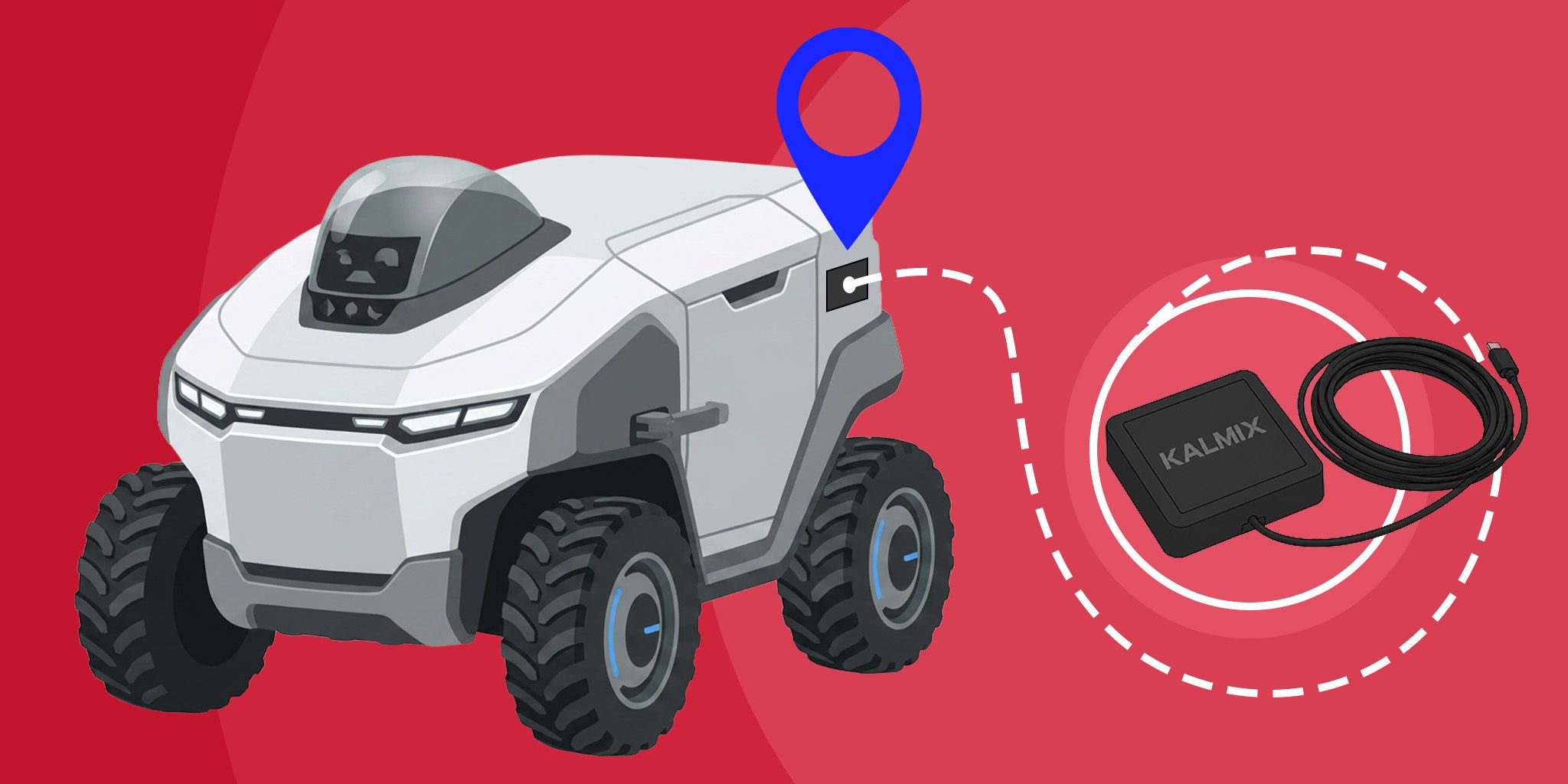
RTK Positioning for Robotics and Field Machines
High-precision positioning. Achieve centimeter-level accuracy without the complexity of building custom hardware from scratch.
High-precision positioning. Achieve centimeter-level accuracy without the complexity of building custom hardware from scratch.
Kalmix
Kalmix
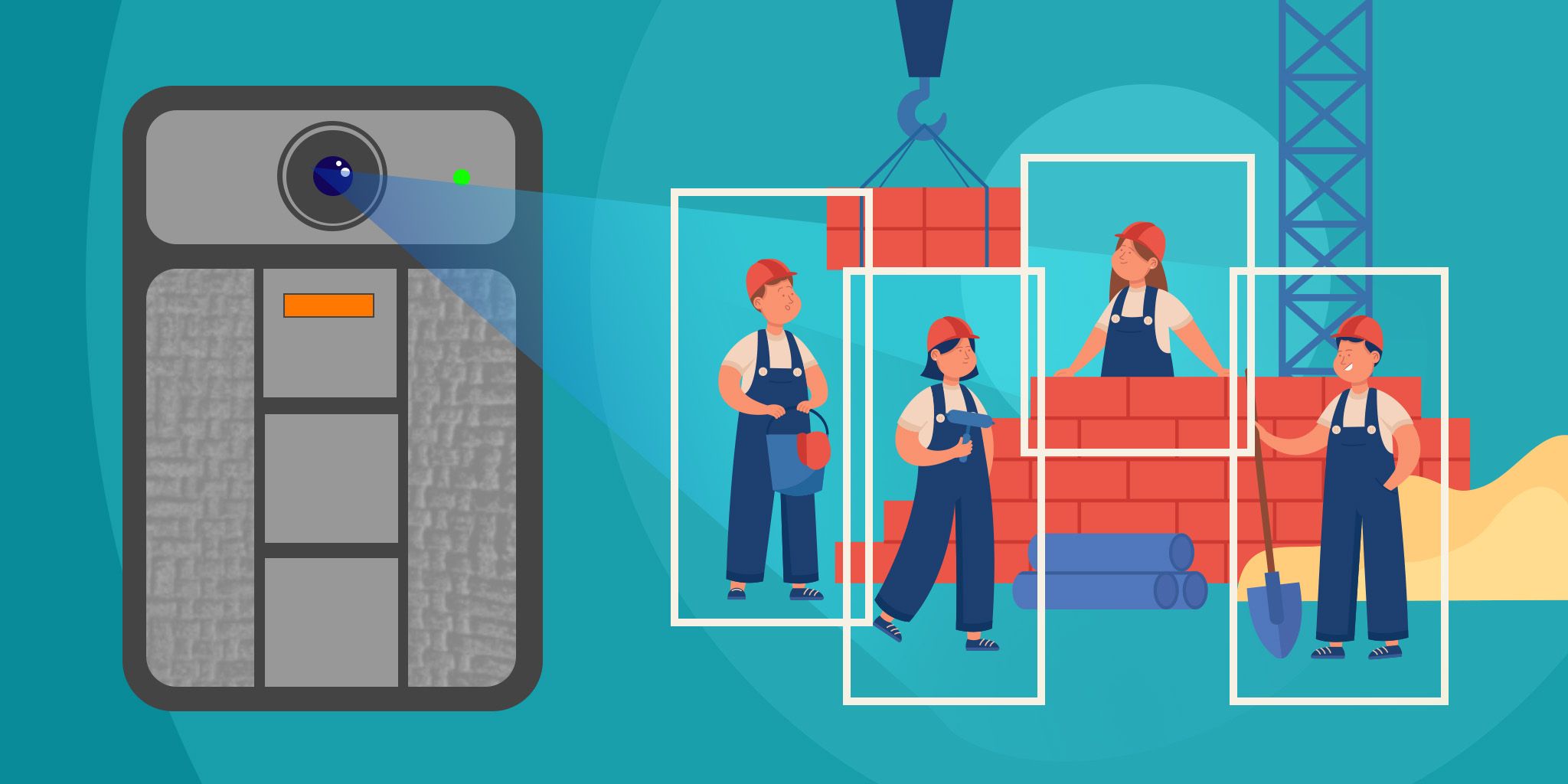
Construction Site Safety Monitoring
AI-powered wearables for real-time PPE compliance monitoring, hazard detection, and incident documentation.
AI-powered wearables for real-time PPE compliance monitoring, hazard detection, and incident documentation.
Iveda
Iveda
Workers' Compensation Fraud Prevention
Quickly verify claims, reduce investigation time, and protect your bottom line with AI-powered video surveillance and analytics.
Quickly verify claims, reduce investigation time, and protect your bottom line with AI-powered video surveillance and analytics.
Iveda
Iveda

Related Solutions
Industrial
RTK Positioning for Robotics and Field Machines
High-precision positioning. Achieve centimeter-level accuracy without the complexity of building custom hardware from scratch.
Kalmix
Construction
Construction Site Safety Monitoring
AI-powered wearables for real-time PPE compliance monitoring, hazard detection, and incident documentation.
Iveda
Construction
Workers' Compensation Fraud Prevention
Quickly verify claims, reduce investigation time, and protect your bottom line with AI-powered video surveillance and analytics.
Iveda