


How AI Improves OTA Updates
How AI Improves OTA Updates

- Last Updated: December 5, 2025
Zac Amos
- Last Updated: December 5, 2025

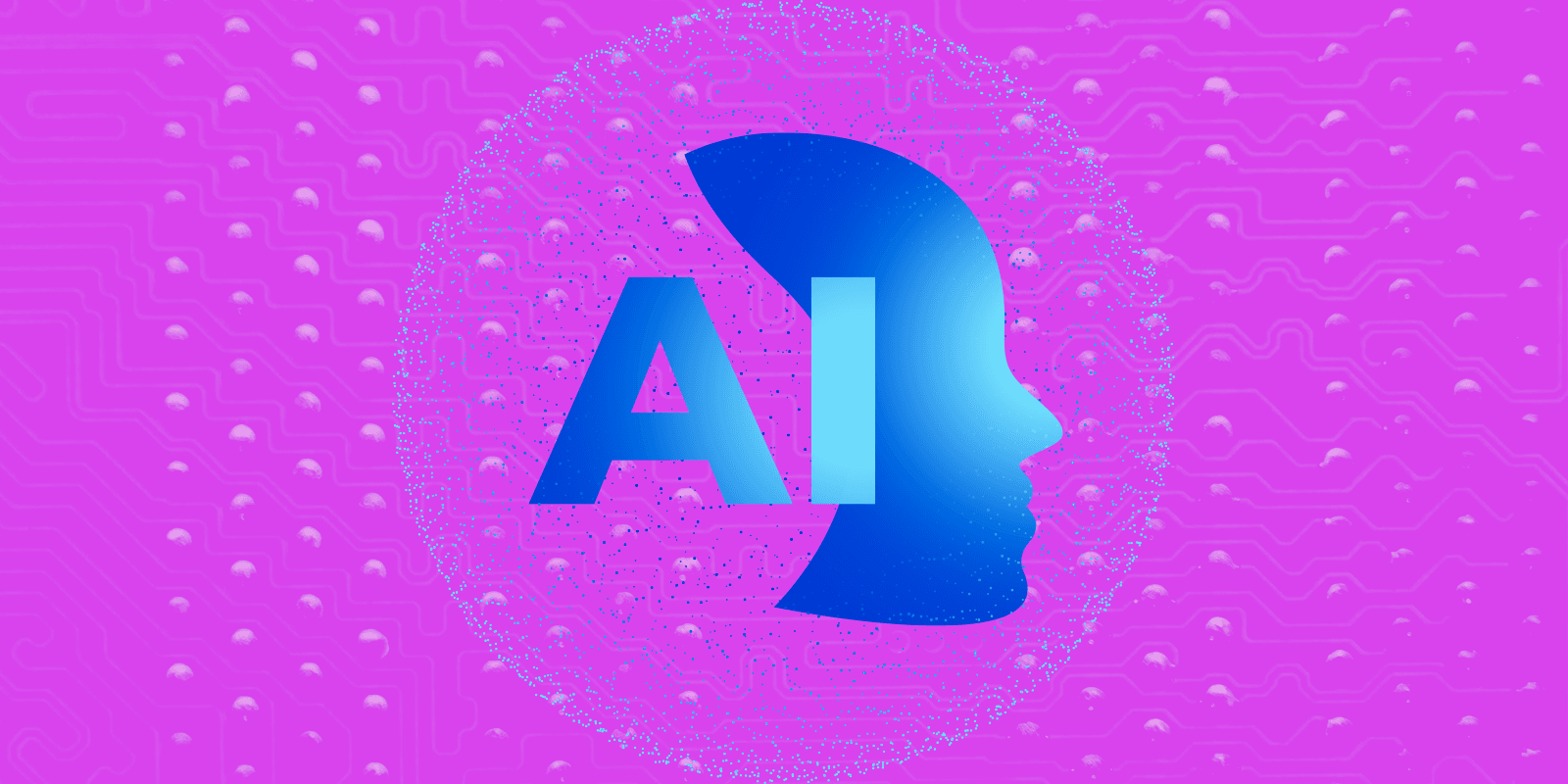
Over-the-air (OTA) software updates for computers, mobile phones, home gadgets, and more devices are sent wirelessly via Wi-Fi or another online method. Unfortunately, they are not fast or efficient enough to meet the current needs of both consumers and software providers. Implementing artificial intelligence (AI) into the processes can improve OTA updates in several critical ways.
5 Benefits of Using AI for OTA Updates
AI can enhance the efficiency of processes across industries. Automating tasks can streamline the speed of many different programs, and OTA updates are no exception. Here are the key advantages of integrating AI into OTA updates.
1. Improves Efficiency
An issue with OTA updates is that they often deliver updates at the wrong time. This can stall the update if the user is busy on the device when they receive the notification. AI can utilize intelligent scheduling to determine the optimal time for delivering updates, such as when the device is powered off or not in use, and install it then so it’s ready for the next use. This keeps the update from disrupting the user.
AI can detect issues within the device and send updates catering to that issue directly to the source. This eliminates the need to update the entire system and prevents the update from interrupting other processes. It can also consider the specific device being updated and configure the update to best suit that particular system.
2. Secures Data
Sensitive information must be protected, especially in an online setting where updates are continuously streamed in. IoT and other devices frequently require updates and are at risk of being exploited by cybercriminals. Furthermore, according to a survey of 25% of employees with home offices, most are unaware of the security protocols on their own devices. AI works to alleviate some of this uncertainty and stress.
AI can enhance the security of an updated system by identifying areas for improvement and addressing them promptly. It monitors the system's performance to identify where issues arise and require correction, helping maintain a device’s stability after an update.
3. Ensures Reliability
AI quickly aids OTA updates by addressing issues within the system. It features predictive error monitoring to identify when a system or its accompanying update is failing to meet the device's needs. AI tests updates to ensure they improve the system correctly and identify bugs early, thereby increasing the likelihood of success in real-world scenarios. These tests ensure that updates run smoothly and maintain the device's reliability.
AI can consider customer opinions and reviews to enhance the quality of the update. It conducts its own feedback analysis, primarily based on user reviews, to identify areas that need improvement. AI-powered assistants can also sufficiently assist customers with the new aspects of the update and resolve any issues users encounter.
4. Enhances Flexibility
Some systems, such as IoT devices, contain multiple components that require continuous updates to operate efficiently. AI is flexible, allowing it to identify updates and send them directly to the devices they are intended for, creating a cycle of improvements across connected devices.
AI also implements updates to its own system. When developers send an update for the AI directly to the AI, it updates itself, eliminating the need for someone to update or disable it manually.
5. Scales Updates
AI’s ability to enhance various processes associated with OTA updates enables it to scale these updates more effectively. Making the updates more efficient means that more processes can be improved simultaneously with fewer risks than before. This can avoid unnecessary disruptions or drawbacks, even with large updates.
When AI handles routine tasks, human developers can concentrate on more complex improvements to a device. This approach enables frequent, substantial updates that can introduce new device layouts and resolve multiple bugs or glitches. These capabilities can provide a competitive edge.
Practice Caution When Using AI
While AI can significantly enhance the operations of OTA updates, the technology is still in development and prone to errors. Failed updates can cause malfunctions. Ensuring that AI correctly implements device updates is crucial to maintaining user satisfaction and protecting against viruses and other threats.
Humans should still be tasked with monitoring the AI and reporting any discrepancies to keep the entire program running smoothly. They should utilize real-time dashboards to track key performance metrics and test updates incrementally through staged rollouts first. Audits, feedback loops and fail-safe mechanisms should also be implemented. These precautions can help ensure the successful integration of AI in OTA updates.
The Power of AI and OTA Updates
OTA updates must meet the needs of a rapidly growing market. AI can fill this gap by improving the traditional OTA update system, keeping devices secure and up to date at peak efficiency without interrupting users.

The Most Comprehensive IoT Newsletter for Enterprises
Showcasing the highest-quality content, resources, news, and insights from the world of the Internet of Things. Subscribe to remain informed and up-to-date.

New Podcast Episode

Building Real-Time Voice AI Experiences

Related Articles


Related Solutions

Smart Community Management for HOAs
AI-powered community monitoring with real-time visibility into entrances, parking, and shared spaces.
AI-powered community monitoring with real-time visibility into entrances, parking, and shared spaces.
Iveda
Iveda
Construction Site Safety Monitoring
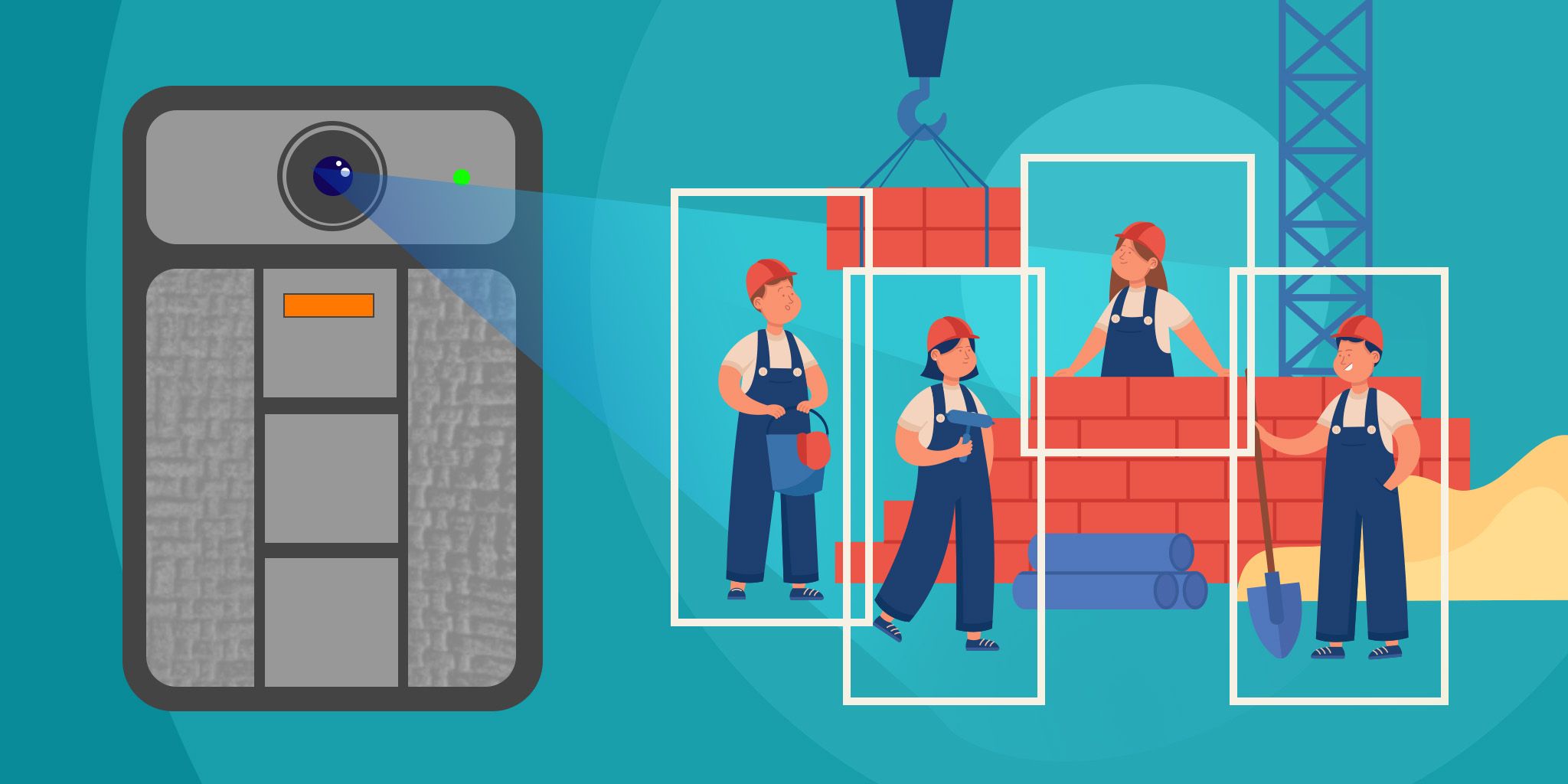
AI-powered wearables for real-time PPE compliance monitoring, hazard detection, and incident documentation.
AI-powered wearables for real-time PPE compliance monitoring, hazard detection, and incident documentation.
Iveda
Iveda
Workers' Compensation Fraud Prevention
Quickly verify claims, reduce investigation time, and protect your bottom line with AI-powered video surveillance and analytics.
Quickly verify claims, reduce investigation time, and protect your bottom line with AI-powered video surveillance and analytics.
Iveda
Iveda

Related Solutions
Buildings & Facilities
Smart Community Management for HOAs
AI-powered community monitoring with real-time visibility into entrances, parking, and shared spaces.
Iveda
Construction
Construction Site Safety Monitoring
AI-powered wearables for real-time PPE compliance monitoring, hazard detection, and incident documentation.
Iveda
Construction
Workers' Compensation Fraud Prevention
Quickly verify claims, reduce investigation time, and protect your bottom line with AI-powered video surveillance and analytics.
Iveda