


5 Ways AI Can Enhance Your Vendor Procurement Success Rates
5 Ways AI Can Enhance Your Vendor Procurement Success Rates

- Last Updated: April 20, 2026
Dmytro Spilka
- Last Updated: April 20, 2026

With the support of machine learning (ML) and natural language processing (NLP), AI technology can reduce costs, enhance efficiency, mitigate risks, and secure better contract terms with vendors.
We’re already seeing evidence of AI’s industry potential. As many as 64% of procurement leaders anticipate that artificial intelligence, particularly generative AI, will transform their roles over the next five years.
Despite this, only around 4% of procurement teams have adopted AI at scale so far, highlighting that the technology is still in its formative stages.
With this in mind, let’s take a deeper look at five ways that artificial intelligence can enhance your vendor procurement success rates and how they can drive supply chain efficiency at scale for adopters.
1. Intelligent Supplier Discovery
AI has the potential to significantly enhance the sourcing process by identifying and vetting potential vendors on a fully automated basis, not only improving supplier discovery but also increasing the chance of successful partnerships.
Critically, artificial intelligence algorithms can scour big data, including financial filings, news, and custom records, to identify specialized suppliers that meet diverse business needs, reducing sourcing time and streamlining procurement by bypassing the need for human intervention.
This data-driven approach to vendor evaluation means that businesses will no longer need to rely on manual RFx (Request for X) evaluations and instead can lean on AI to analyze historical supplier performance, credit health, and even ESG credentials to accurately rank vendors for a responsive shortlisting process.
2. Predictive Risk Management
The greatest advantage of artificial intelligence in vendor procurement is that it leverages a shift from reactive firefighting to proactive, perpetual risk mitigation.
Unlike human-based risk management strategies in supply chain management, AI tools can continuously crawl the web, scour news items, and monitor financial reports to flag prospective disruptions such as supplier bankruptcy, natural disasters, or geopolitical challenges long in advance.
One example of this technology in action can be found with Home Depot, which is leveraging cloud-based Google AI technologies like ML, computer vision, and generative AI to enhance its inventory management and improve its supply chain efficiency without the threat of unforeseen risks.
Artificial intelligence mapping tools can also identify risks beyond Tier-1 suppliers, working to reveal hidden dependencies and concentration risks, like discovering that multiple suppliers rely on the same distressed sub-tier manufacturer, for instance.
3. Autonomous Contract Management
One of the biggest advantages of AI in improving vendor procurement success rates is its ability to undertake contract management processes on an autonomous basis. This helps to reduce the time spent on legal review and ensures that contracted terms are actually followed.
NLP ensures that the mechanics of autonomous contract management are well supported by reading, summarizing, and extracting essential terms such as renewal dates and liabilities from complex, lengthy contracts in a matter of minutes, significantly reducing the time taken to manually review them.
Artificial intelligence will then flag deviations from standard policies during negotiations, while monitoring for instances of contract leakage in a way that supports greater levels of compliance for all parties involved.
4. Cost Optimization
Artificial intelligence allows procurement professionals to access advanced insights that can support the best possible pricing and terms when it comes to negotiations with vendors.
The technology has the ability to analyze vast datasets based on historical transaction data and market pricing to deliver real-time benchmarks, helping to provide a holistic perspective while strengthening negotiation positions.
There are also more use cases emerging with firms adopting AI assistants to autonomously handle negotiations with tail-end suppliers, helping to save employees time while working in the background to secure stronger discounts or more advantageous payment terms.
5. Demand Forecasting
By improving the accuracy of demand planning, artificial intelligence is playing a key role in aligning production with the actual operational needs of businesses.
Thanks to ML tools, AI models can analyze historical data, market signals, and even social media trends to significantly enhance accuracy when anticipating demand.
In practice, this helps to provide a balance for inventory levels in a more precise way. Artificial intelligence reduces unnecessary procurement costs and prevents expensive rush orders or production shutdowns caused by stockouts.
This more comprehensive demand overview can also help businesses to negotiate more appropriate contracts with vendors for their short and long-term needs.
The Road to Vendor Procurement Success
Artificial intelligence is expected to become a key technology for adopters to utilize as a means of enhancing their vendor procurement success rates.
The ability of the technology to curate benchmarks for more precise pricing and to match demand to supply chain needs means that it will be easier than ever for firms to cut costs and save plenty of time in securing the services of efficient vendors.
As a cost and time-saving tool, there’s no doubt that AI is a critical technology for supply chain management, and its adoption can lead to new levels of efficiency at a time when disruptions are growing in their frequency.

The Most Comprehensive IoT Newsletter for Enterprises
Showcasing the highest-quality content, resources, news, and insights from the world of the Internet of Things. Subscribe to remain informed and up-to-date.

New Podcast Episode

Building Real-Time Voice AI Experiences

Related Articles


Related Solutions
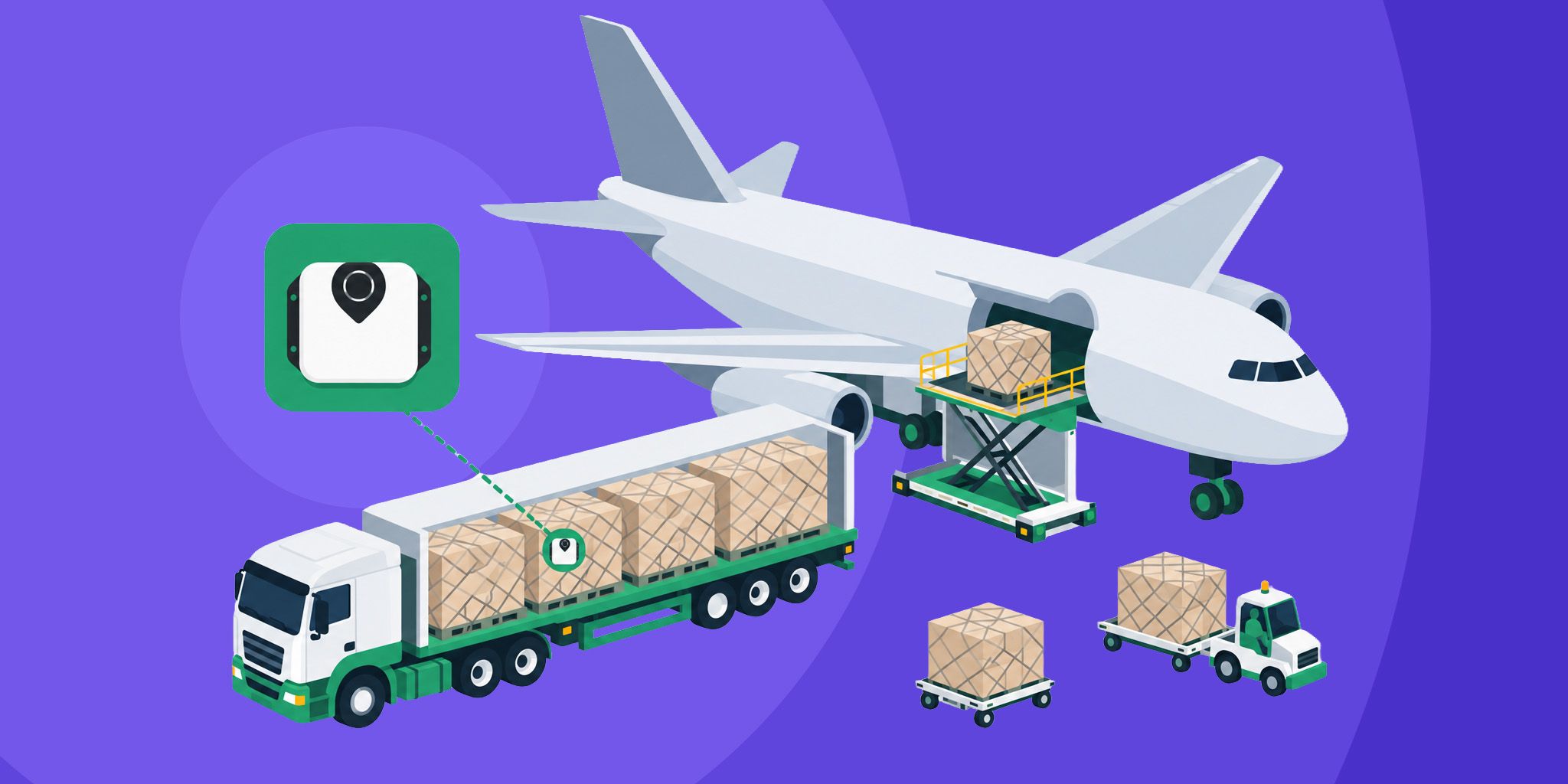
Unit Load Device Tracking for Airports
Real-time visibility into Unit Load Devices and supporting airport assets with solar-powered tracking and BLE.
Real-time visibility into Unit Load Devices and supporting airport assets with solar-powered tracking and BLE.
SODAQ
SODAQ
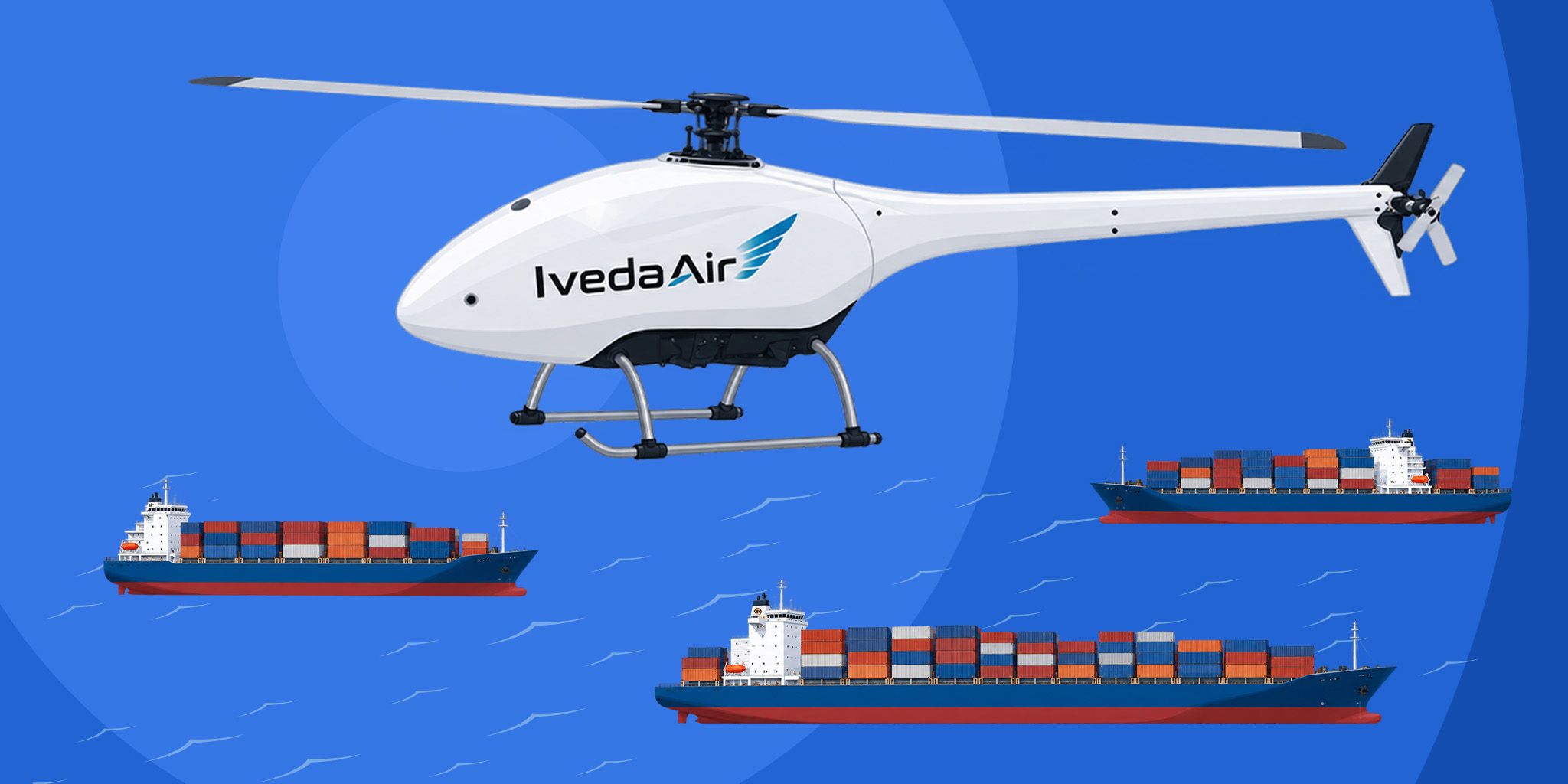
Long-Endurance Aerial Monitoring and Response
AI-powered analytics and mission-ready aircraft for public safety, maritime, search and rescue, and emergency response.
AI-powered analytics and mission-ready aircraft for public safety, maritime, search and rescue, and emergency response.
Iveda
Iveda
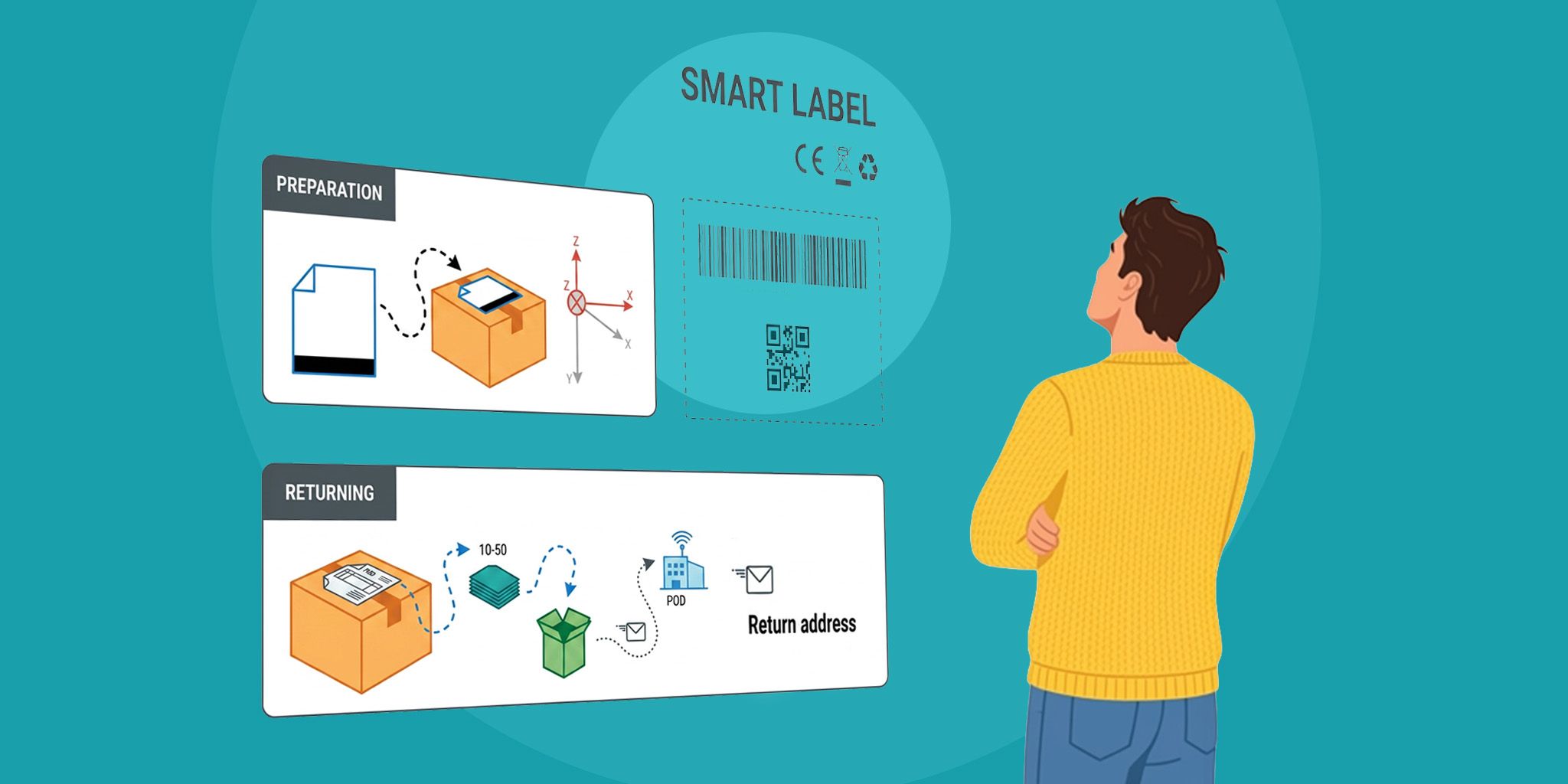
Smart Shipping Label for Supply Chain
Easy-to-deploy shipping label that provides real-time visibility into location, condition, and handling to reduce damage and optimize logistics.
Easy-to-deploy shipping label that provides real-time visibility into location, condition, and handling to reduce damage and optimize logistics.
SODAQ
SODAQ

Related Solutions
Supply Chain & Logistics
Unit Load Device Tracking for Airports
Real-time visibility into Unit Load Devices and supporting airport assets with solar-powered tracking and BLE.
SODAQ
Maritime & Boating
Long-Endurance Aerial Monitoring and Response
AI-powered analytics and mission-ready aircraft for public safety, maritime, search and rescue, and emergency response.
Iveda
Supply Chain & Logistics
Smart Shipping Label for Supply Chain
Easy-to-deploy shipping label that provides real-time visibility into location, condition, and handling to reduce damage and optimize logistics.
SODAQ