



Smart Logistics: The Invisible Infrastructure Behind Connected Care
Smart Logistics: The Invisible Infrastructure Behind Connected Care

- Last Updated: April 27, 2026
Puneet Jain
- Last Updated: April 27, 2026

It's surprising how little visibility there is once a medication leaves the pharmacy in a world where medical professionals can track a heartbeat in real time. One major gap in modern healthcare is the disconnect between analog delivery and digital clinical care.
I have frequently witnessed this happen during my time as a CTO of Phox Health. The hospital's ability to collect and analyze data has improved dramatically. The clinical experience is now rich and organized thanks to EHRs, remote monitoring, and predictive algorithms.
But that intelligence disappears as soon as a prescription reaches the “last mile.” Patients lose timely access, pharmacies lose visibility, and health systems lose control.
This isn’t a small operational issue. The WHO estimates that roughly 50 percent of patients don’t take their medications as prescribed, often due to access or delivery barriers. Meanwhile, McKinsey reports that 20–30 percent of temperature-sensitive medications are compromised during transit globally due to broken cold-chain controls.
We’re digitizing care everywhere except the part that physically completes it. Smart Logistics can close that gap and redefine reliable access.
The Hidden Link Between Care and Delivery
While healthcare has transformed through digitization, the delivery layer hasn’t kept pace because it wasn't designed as a clinical function. Delivery networks were built to move packages, not to safeguard high-value medication with clinical requirements.
Because of this, pharmacy operations leaders are more responsive to this gap. Precision is essential: the right drug, in the right condition, at the right time. However, the chain-of-custody information and real-time visibility required to safeguard that accuracy are lost once a medication leaves the pharmacy.
The result isn’t just operational inefficiency; it’s clinical vulnerability. A delayed antibiotic, a warm biologic, or a missed handoff can directly impact outcomes. And unlike other parts of the care journey, the last mile is still governed by systems that can’t sense, predict, or adapt in real time.
By treating delivery as an extension of care, Smart Logistics closes a gap that traditional models were never built to handle.
From Movement to Intelligence: What Smart Logistics Actually Means
Once we accept that the last mile was never designed for healthcare, the next step is figuring out what should take its place. Smart Logistics isn’t simply a faster delivery model; it’s a new architecture built for care, precision, verification, and real-time adaptation.
Smart Logistics turns each delivery into a continuous data stream instead of a point-to-point transfer. Movement becomes something that can be sensed and orchestrated.
Smart Logistics relies on four layers:
#1: The Telemetry Layer: Continuous Condition Awareness
Sensors track temperature, humidity, vibration, tilt, and custody transitions, creating a real-time profile of the medication’s state. In traditional delivery, this data doesn’t exist; here, it becomes the foundation for every downstream decision.
#2: The Connectivity Layer: Real-Time Sync Across the Network
Information must move as smoothly as the medication itself. Cloud services give the network a shared view, while edge devices make quick decisions when conditions shift. The result is a continuous feed of the delivery’s location, condition, and environment.
#3: The Intelligence Layer: Predictive Signal Processing
AI models compare route patterns, weather, and past handoff behavior. Instead of simply monitoring, the system begins to anticipate risk, detecting temperature drift early, forecasting delays, and adjusting ETAs on the fly.
#4: The Orchestration Layer: The Logistics Operating System
Modern OS solutions bring these signals together to coordinate dispatching, condition monitoring, exceptions, courier workflows, and patient communication. The OS doesn’t just record data; it turns it into decisions that protect the medication in motion.
Together, these layers transform delivery from a manual courier process into a smart, adaptive infrastructure designed to preserve the clinical integrity of every medication it moves.
The Future of Smart Logistics: From Prediction to Autonomy
Predictive capability is only the beginning. As IoT expands, smart logistics will shift from anticipating issues to autonomously managing delivery. The next decade will bring a shift from human-dependent logistics to intelligent networks that coordinate themselves.
Autonomous and drone-based delivery will expand access for patients in rural, underserved, and mobility-limited regions. Edge computing will allow critical routing and environmental decisions to happen locally, without waiting on cloud latency, giving delivery networks the split-second responsiveness clinical care demands.
The healthcare logistics market is already moving in this direction. Analysts project it will surpass $170B by 2030, driven by connected devices, automated workflows, and real-time data infrastructures.
In this future, smart logistics becomes the connective tissue supporting equitable access to therapies.
When Delivery Becomes Part of Care
Across my work in healthcare technology, one idea has stayed constant: a medication is only as effective as the system that delivers it.
Smart Logistics changes the last mile from a point of vulnerability into a predictable, connected extension of clinical care. It ensures that treatment doesn’t end at the prescription but continues all the way to the patient’s door, safely, on time, and under the conditions required for it to work.
As healthcare moves toward a more distributed, connected future, the systems that get care to people will matter just as much as the systems that diagnose or prescribe. The next era of IoT won’t be defined by devices that monitor patients, but by the intelligent networks that deliver care to them.

The Most Comprehensive IoT Newsletter for Enterprises
Showcasing the highest-quality content, resources, news, and insights from the world of the Internet of Things. Subscribe to remain informed and up-to-date.

New Podcast Episode

Building Real-Time Voice AI Experiences

Related Articles


Related Solutions
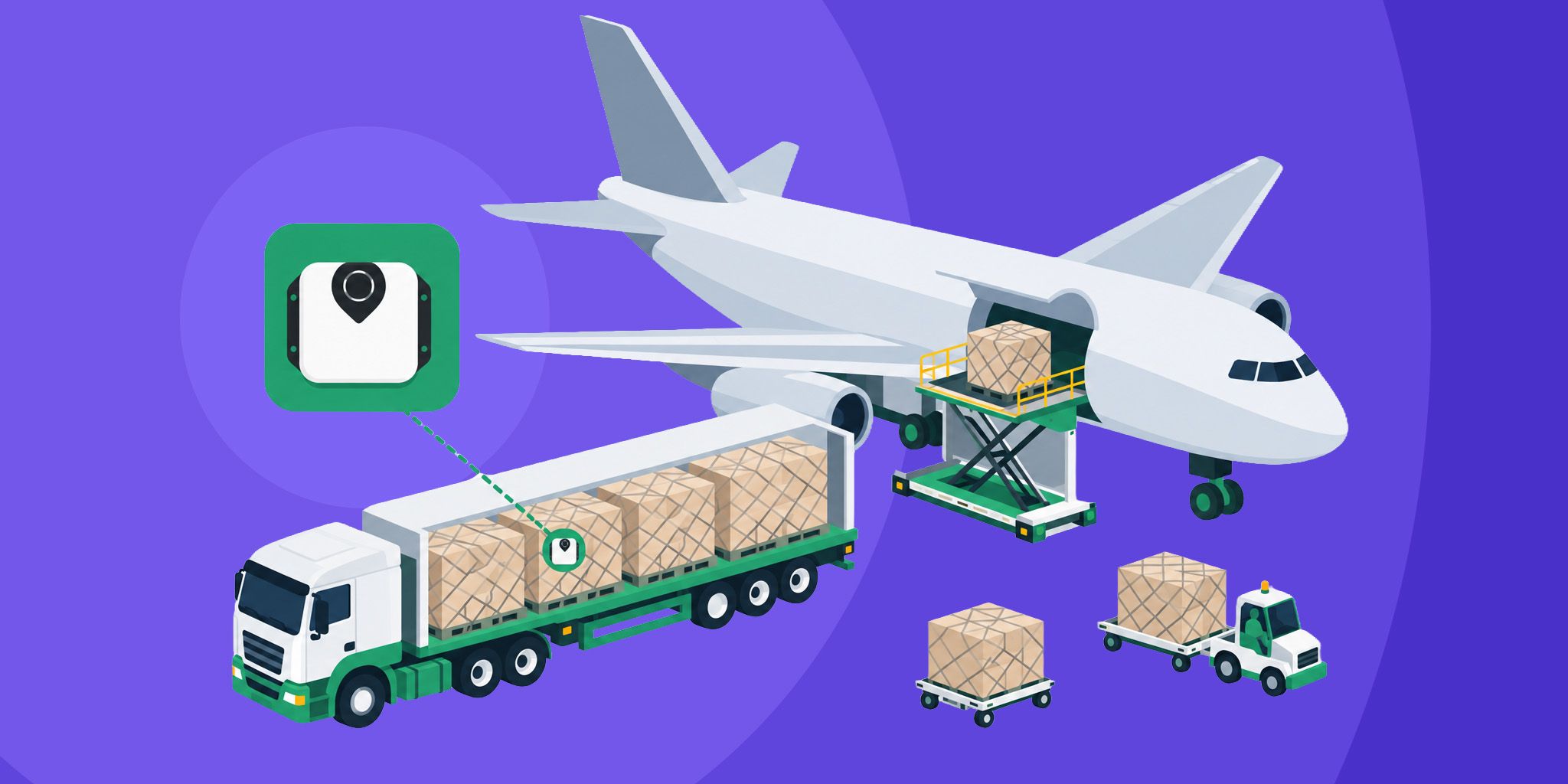
Unit Load Device Tracking for Airports
Real-time visibility into Unit Load Devices and supporting airport assets with solar-powered tracking and BLE.
Real-time visibility into Unit Load Devices and supporting airport assets with solar-powered tracking and BLE.
SODAQ
SODAQ
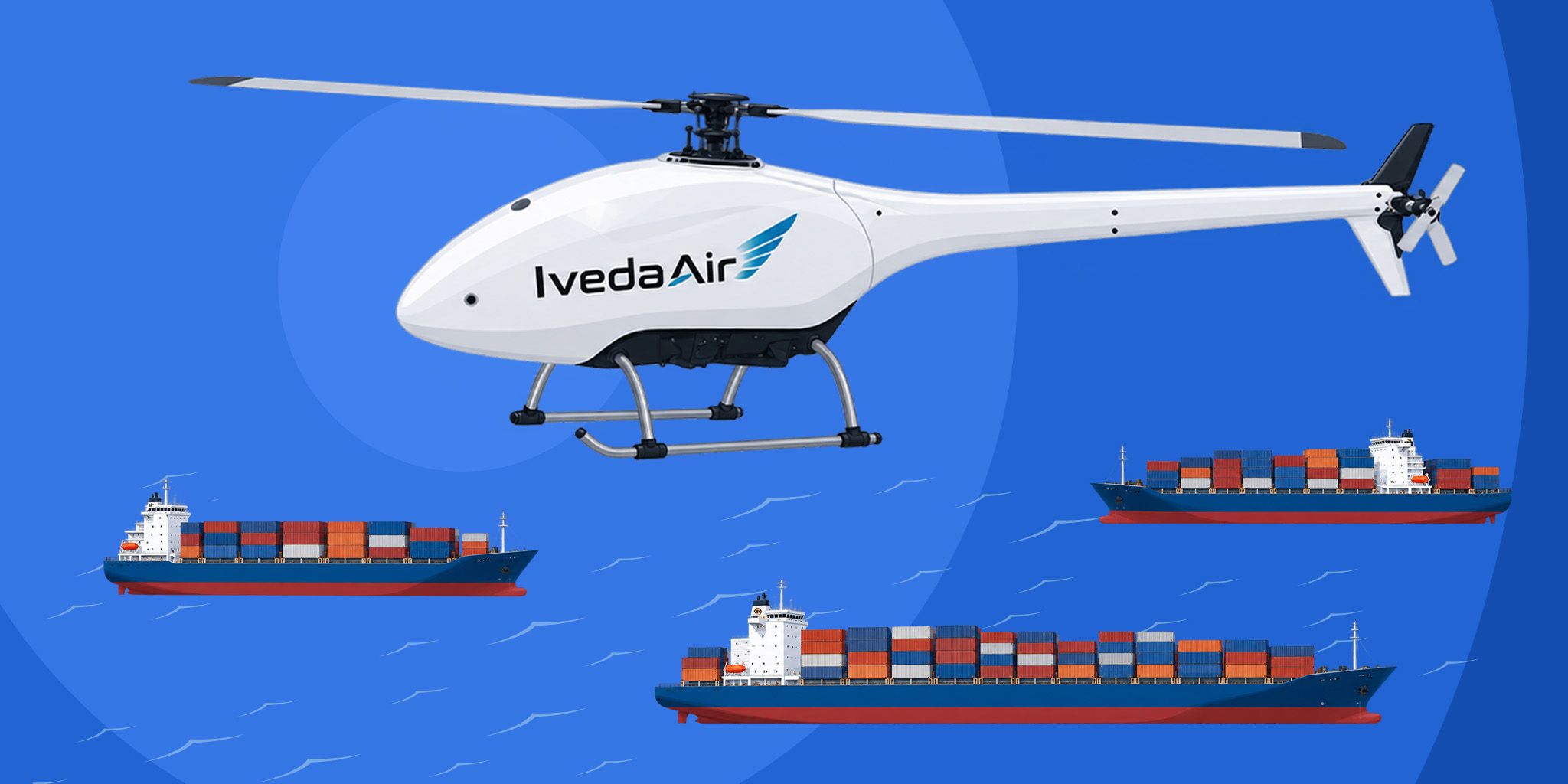
Long-Endurance Aerial Monitoring and Response
AI-powered analytics and mission-ready aircraft for public safety, maritime, search and rescue, and emergency response.
AI-powered analytics and mission-ready aircraft for public safety, maritime, search and rescue, and emergency response.
Iveda
Iveda
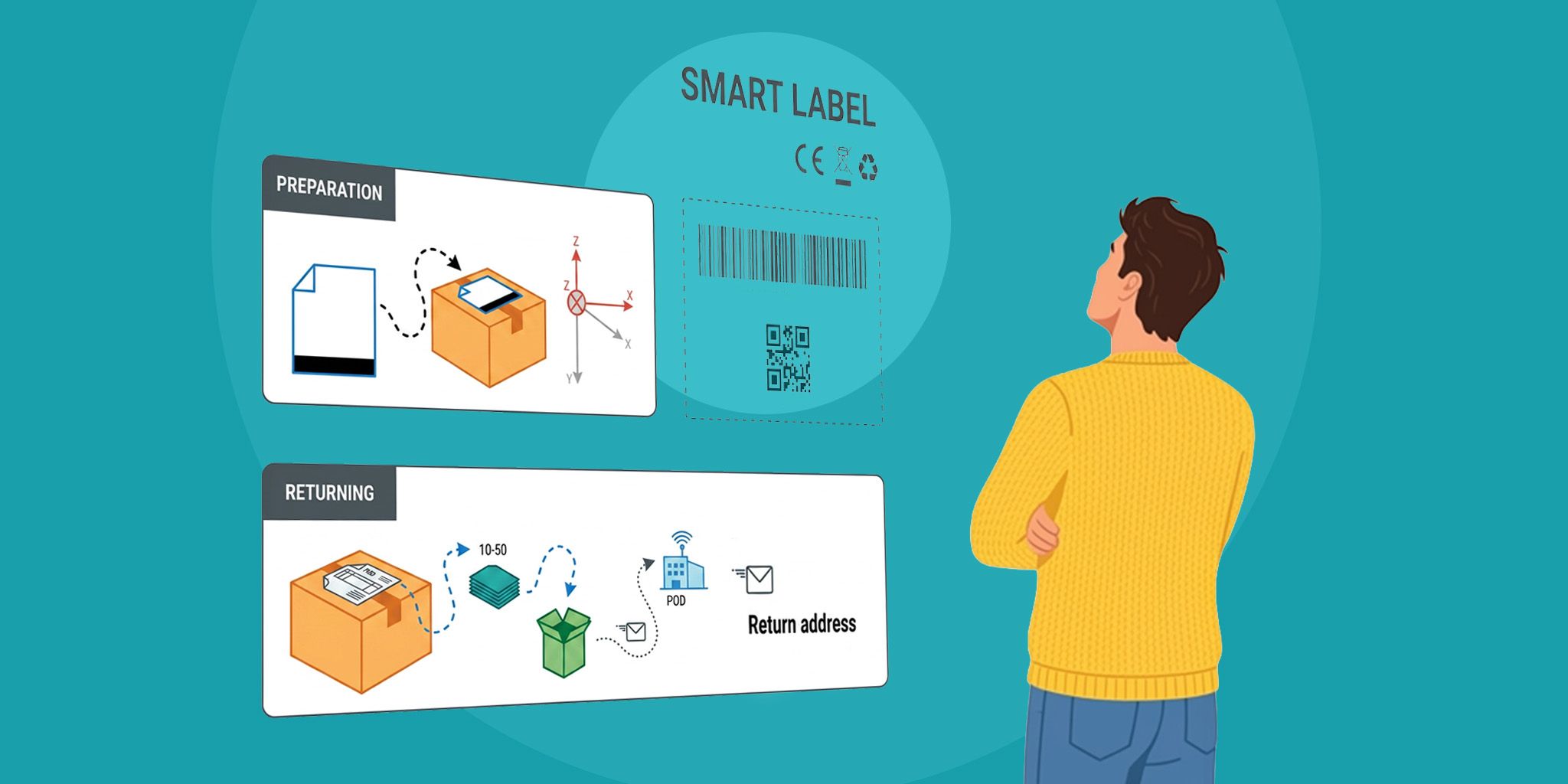
Smart Shipping Label for Supply Chain
Easy-to-deploy shipping label that provides real-time visibility into location, condition, and handling to reduce damage and optimize logistics.
Easy-to-deploy shipping label that provides real-time visibility into location, condition, and handling to reduce damage and optimize logistics.
SODAQ
SODAQ

Related Solutions
Supply Chain & Logistics
Unit Load Device Tracking for Airports
Real-time visibility into Unit Load Devices and supporting airport assets with solar-powered tracking and BLE.
SODAQ
Maritime & Boating
Long-Endurance Aerial Monitoring and Response
AI-powered analytics and mission-ready aircraft for public safety, maritime, search and rescue, and emergency response.
Iveda
Supply Chain & Logistics
Smart Shipping Label for Supply Chain
Easy-to-deploy shipping label that provides real-time visibility into location, condition, and handling to reduce damage and optimize logistics.
SODAQ