From Reactive to Autonomous: The Evolution of the Household Robot
From Reactive to Autonomous: The Evolution of the Household Robot

- Last Updated: June 30, 2026
Narwal
- Last Updated: June 30, 2026
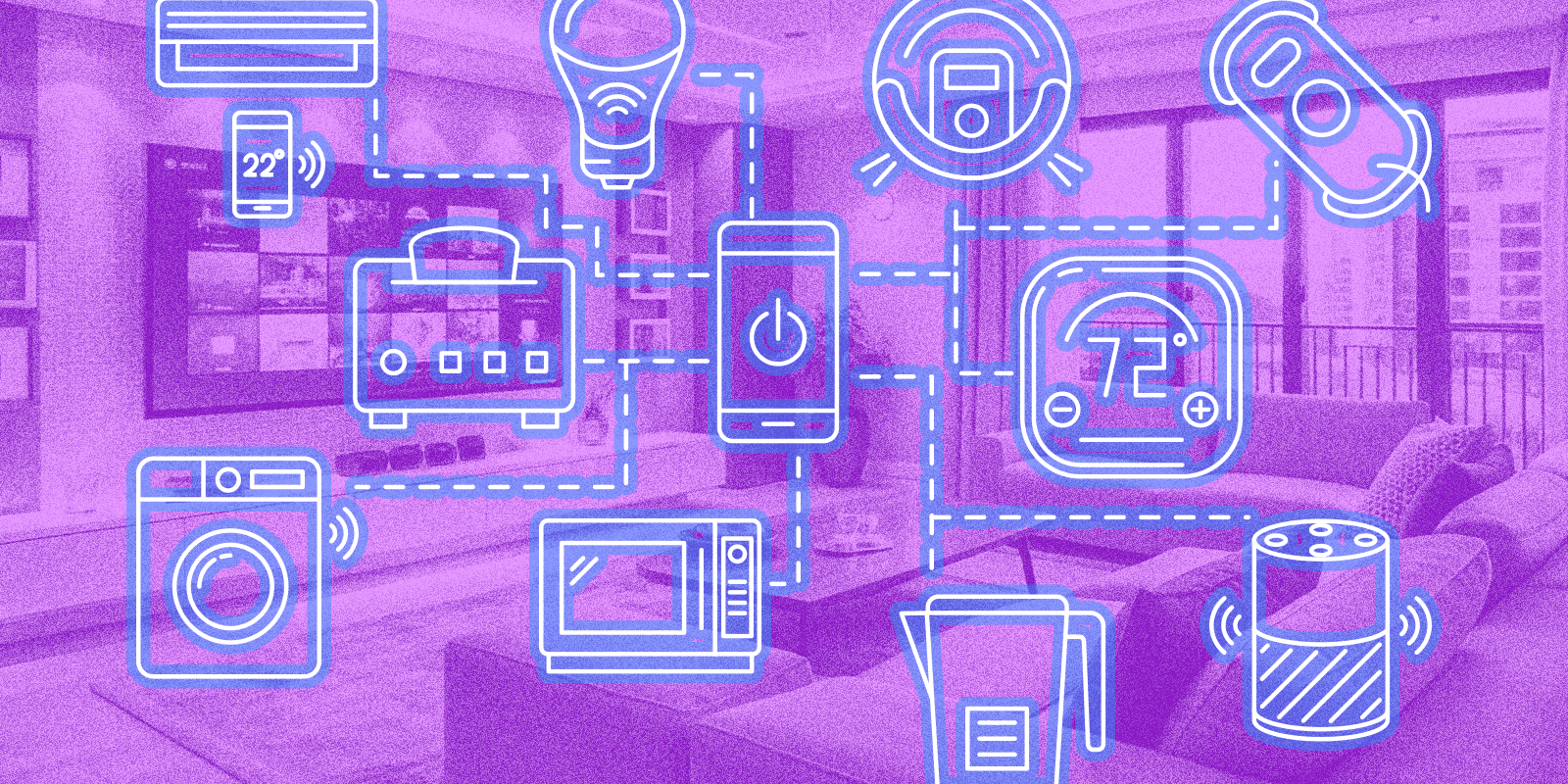
We may be calling it the “smart home,” but it is mostly human smarts that are powering the connected devices and app-controlled appliances within it.
Despite rapid advances in IoT, most household technologies are fundamentally reactive, waiting for instructions, following schedules, and executing narrowly defined tasks doled out to them by the homeowner.
But there’s a meaningful shift afoot. Home robotics is moving beyond responsiveness toward autonomy and anticipating needs, interpreting context, and acting on its own.
The tools we operate are evolving into systems that actively manage aspects of our environment. The shift is defined by three emerging capabilities: independent execution, event-aware coordination, and health-first intelligence.
These capabilities mean household robots are beginning to operate less like appliances and more like adaptive, embedded infrastructure.
Commands vs. Context
Smart home devices are great at following instructions. Whether triggered by voice, an app, or a preset schedule, they perform tasks reliably, though only when they are prompted. Even the most advanced robotic vacuums, for example, rely on pre-mapped layouts and scheduled routines. They clean where and when they are told.
But thanks to computer vision, environmental sensing, and edge-based artificial intelligence, this picture is beginning to change. These capabilities mean robotic vacuums are no longer asking, “What should I do next?” but “What needs to be done right now?”
Rather than navigating blindly across a floor plan, future robots will assess their surroundings in real time. They will distinguish between different types of debris, for example, a liquid spill versus dry dust, and determine the appropriate response. This requires semantic understanding or recognizing not just objects but their properties and implications.
The result is a system that adapts dynamically. It doesn’t simply clean, but makes decisions about how to clean, when to clean, and whether cleaning is necessary at all.
All of this happens without the user initiating the task or even noticing it.
Building Trust Through Gradual Autonomy
Independent execution is the direction robotics is moving in. But devices that act independently must do so in ways that feel helpful to people, not intrusive. This is the way autonomous systems build trust.
One emerging approach called “opt-in autonomy” helps build this trust. Rather than granting full independence immediately, systems begin by informing users of detected issues and suggested actions. A robot might identify a mess and ask whether it should handle similar situations automatically in the future. Over time, as users gain confidence, they can delegate more authority.
Autonomy should not feel imposed but earned. This is especially true in the home, where privacy and control are paramount.
Event-Aware Environments
The second pillar of autonomous home robotics extends beyond physical perception into temporal awareness. Today’s devices operate on fixed schedules: vacuuming every Tuesday morning, for example. But real life is never static, and neither are household needs.
Event-aware systems introduce a new level of coordination by integrating with external data sources, such as personal calendars and other connected devices. Instead of cleaning on a pre-set timetable, a robotic system can align its actions with the rhythms of its user’s daily life.
An event-aware system, for example, can anticipate the need for a clean environment when a planned dinner party approaches and initiate a deep-cleaning cycle beforehand. After the event, it can be deployed again for cleanup.
Capabilities like these reflect the shift toward what might be called a borderless smart home, where digital and physical systems blend together. Calendars, sensors, appliances, and robotics converge into a unified ecosystem that responds holistically to real-world events.
From Cleanliness to Health Intelligence
Traditionally, household robots have been associated with convenience and cleanliness. But as sensing and processing capabilities improve, these devices are becoming platforms for environmental intelligence.
A robot that treats the home daily is uniquely positioned to monitor conditions over time. By analyzing patterns, for example, persistent dampness near a window, it can address issues before they escalate. Early detection of mold-prone environments, elevated allergen levels, or unusual air quality conditions can transform the robot from a cleaning tool into a preventive health system.
This health-first approach reframes the value of home robotics. It is no longer just about keeping up appearances but about safeguarding well-being. In this context, the robot becomes part of a broader environmental monitoring network and can trigger responses in other systems, such as HVAC or air purification.
Privacy at the Edge
As these systems grow more capable, they also become more data-intensive. Visual recognition, environmental sensing, and calendar integration all raise legitimate privacy concerns. The challenge going forward will be to upgrade intelligence without compromising security.
Edge computing, or processing data locally on the device rather than transmitting it to the cloud, offers a solution. By performing onboard analysis, robotic devices interpret their environment without sharing sensitive information externally. Data that must be shared can be encrypted and tokenized, ensuring that users retain control over what leaves the device.
Local processing doesn’t just shore up security but also reduces latency, enabling faster decision-making and more responsive behavior.
Natural Interaction Through Language
Another key enabler of the next generation of autonomous systems is the evolution of human-machine interaction. Traditional smart home interfaces rely on structured commands, often requiring users to learn specific phrasing or workflows.
But integrating large language models (LLMs) changes this dynamic. By enabling conversational, context-aware interaction, LLMs allow users to communicate with devices in natural language. A simple statement like There’s mud by the back door triggers a series of actions that culminate in the mess being cleaned up.
This shift reduces the gap between intention and execution.
Progress toward context-aware and proactive robotic systems is accelerating, even though significant challenges remain. The most pressing issues are not with hardware but with contextual reasoning, seamless interoperability across devices and platforms, and other advanced capabilities.
But as these are addressed, the smart home of the future, where systems coordinate across domains, anticipate needs, and operate quietly in the background, looks to be within reach.
The evolution from reactive to autonomous robotics represents more than a technological upgrade. It is a fundamental rethinking of how we interact with our environments. In this new paradigm, the home is not just connected but aware, adaptive, and actively engaged in supporting daily life.

The Most Comprehensive IoT Newsletter for Enterprises
Showcasing the highest-quality content, resources, news, and insights from the world of the Internet of Things. Subscribe to remain informed and up-to-date.

New Podcast Episode

Building Real-Time Voice AI Experiences

Related Articles