



Top Connectivity Trends for 2026: What Enterprises Need to Know
Top Connectivity Trends for 2026: What Enterprises Need to Know

- Last Updated: January 23, 2026
Monogoto
- Last Updated: January 23, 2026

Every year brings a familiar moment of clarity for the technology industry. The signals start to align, the noise fades, and the direction of the year ahead comes into focus. Not because of a single announcement or breakthrough, but because the same themes begin to surface everywhere.
For connectivity, 2026 marks one of those inflection points. Enterprises are no longer debating if connectivity needs to change, but how fast. Static architectures, fixed identities, and manual oversight are giving way to systems that are adaptive, programmable, and intelligent by design.
Here are the key connectivity trends shaping 2026, and what enterprises need to know as they prepare for what’s next.
1. The Rise of Hybrid Networks
The boundaries between network types are dissolving. Enterprises are no longer thinking in terms of private or public or terrestrial or satellite. They want unified connectivity that spans all of it and behaves like a single, intelligent system.
- Private + Public Convergence Enterprises want the control and security of private LTE/5G combined with the coverage of public infrastructure. Software-defined approaches that treat all networks as programmable resources, rather than fixed assets, will dominate. The result? Greater resilience, better performance, and far less operating complexity.
- Wi-Fi Offload Integration Wi-Fi is no longer a parallel network; it is part of the connectivity fabric. Enterprises are seamlessly steering traffic between cellular and Wi-Fi based on cost, performance, and availability. This is especially valuable for campus, warehouses, and retail environments where Wi-Fi infrastructure already exists but cellular provides backup and mobility.
- Non-Terrestrial Networks (NTN) With 3GPP Release 17 and 18 standardizing satellite integration, we're seeing real convergence between terrestrial and LEO/GEO satellite connectivity. Hybrid connectivity is becoming a baseline requirement for logistics, maritime operations, and remote infrastructure, with automatic failover rather than manual intervention.
The through-line: connectivity is becoming a software-orchestrated fabric across all available infrastructure, rather than a collection of siloed network types.
2. Virtualizing the SIM
The physical SIM card is rapidly becoming obsolete. We're witnessing a full virtualization of device identity.
- eSIM and iSIM Adoption Remote provisioning and multi-IMSI profiles are now standard for connected vehicles, wearables, and industrial IoT deployments where physical access is limited or impossible. Device design is no longer locked in upon manufacturing; it’s assigned, updated and optimized over time.
- Soft SIM and NuSIM SIM functionality is increasingly moving into software or existing secure elements. This eliminates dedicated SIM hardware, reduces bill of material (BOM) costs, and enables true over-the-air identity management at scale.
- SGP.32 and Device-Initiated Control The GSMA's new SGP.32 specification brings consumer-grade eSIM flexibility to IoT. Unlike SGP.02, which required server-to-server orchestration, SGP.32 enables device-initiated profile downloads. Devices can automatically switch operators based on coverage, cost, or policy, without manual workflows.
The through-line: connectivity identity becomes fully decoupled from hardware: programmable, portable, and policy-driven.
3. Security Becomes a Core Requirement
Security is no longer an afterthought. In 2026, it’s becoming an expectation driven by regulation, risk, and scale.
- Regulatory Pressure European regulations and global scrutiny around IoT security, roaming transparency, and data sovereignty are forcing enterprises to take connectivity security seriously. Compliance is no longer optional, and ad-hoc security approaches don’t scale.
- Visibility and Auditability Enterprises demand complete visibility into their connectivity estate. Which devices are connected, from where, and doing what? Full audit trails for regulatory reporting, internal governance, and incident response.
- Zero-Trust at the Network Layer Zero-trust principles are moving deeper into the connectivity stack itself. Mutual authentication, encrypted tunnels by default, behavioral analytics, and automated threat response are becoming table stakes as IoT attack surfaces expand.
The through-line: connectivity providers must offer security tooling as a core capability, not an add-on.
4. The Rise of AI-Driven Agents
Perhaps the most transformative trend for 2026: autonomous AI agents managing connectivity without human intervention. As networks grow more complex, manual oversight simply doesn't scale and as a result, specialized agents are emerging across the connectivity stack.
- Sales Intelligence Agent These agents monitor usage patterns, contract terms, and market pricing to identify optimization opportunities. They flag devices on the wrong rate plans, recommend pool consolidations, and surface early signals of churn risk or expansion readiness.
- Network Optimization Agent By continuously analyzing performance metrics across carriers and geographies, these agents automatically steer traffic to the best-performing path for each application type. Over time, they learn from historical patterns to anticipate demand spikes before they happen.
- Threat Detection Agent Security-focused agents establish behavioral baselines for every device, watching for anomalies that could indicate SIM swap attacks, compromised endpoints, or rogue devices. Suspicious activity can trigger automatic isolation of suspicious devices or remediation workflows.
- Resilience Agent Resilience agents monitor network health in real-time, detecting carrier outages or degraded links before they impact operations. They dynamically orchestrate failover, maintaining redundancy policies for critical devices without human intervention.
- Compliance and Policy Agent As devices cross borders, these agencies track regulatory requirements by jurisdiction, enforce geo-fencing rules, and generate audit trails for compliance reporting, automatically and continuously.
The through‑line: connectivity management is shifting from reactive dashboards to autonomous, intelligent systems.
Looking Ahead: Connectivity in 2026
Together, these trends point to a clear shift in 2026. Connectivity is no longer a static utility; it’s becoming a living, adaptive layer of the digital stack. For enterprises, the implication is simple: success won’t come from adding more networks or locking into rigid architectures. It will come from the ability to program connectivity, shaping how devices connect, secure themselves, optimize performance, and comply with policy across networks and geographies in real time. Because in 2026, connectivity isn’t something you simply deploy. It’s something you continuously adapt to.
If you’re exploring what software-defined connectivity looks like in practice, the best way to understand it is to try it. Our IoT connectivity starter kit lets you test global, multi-network connectivity, experiment with policies and controls, and see how intelligent orchestration works in real-world conditions, with no long-term commitment.

The Most Comprehensive IoT Newsletter for Enterprises
Showcasing the highest-quality content, resources, news, and insights from the world of the Internet of Things. Subscribe to remain informed and up-to-date.

New Podcast Episode

Building Real-Time Voice AI Experiences

Related Articles




Related Solutions
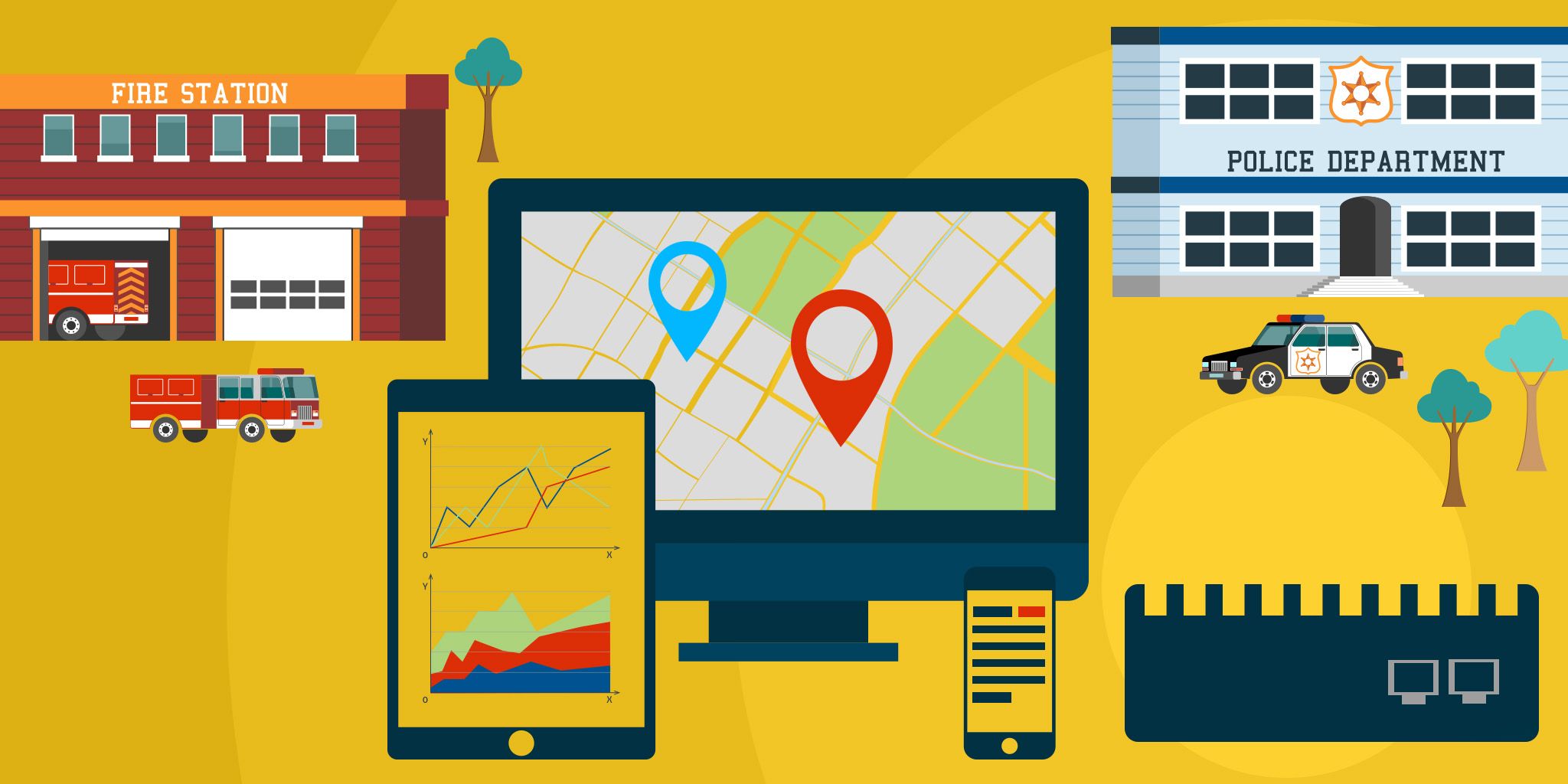
Mobile Networking for Public Safety
Enable data sharing, enhanced situational awareness, and secure communication across vehicles, devices, and command centers.
Enable data sharing, enhanced situational awareness, and secure communication across vehicles, devices, and command centers.
Digi
Digi
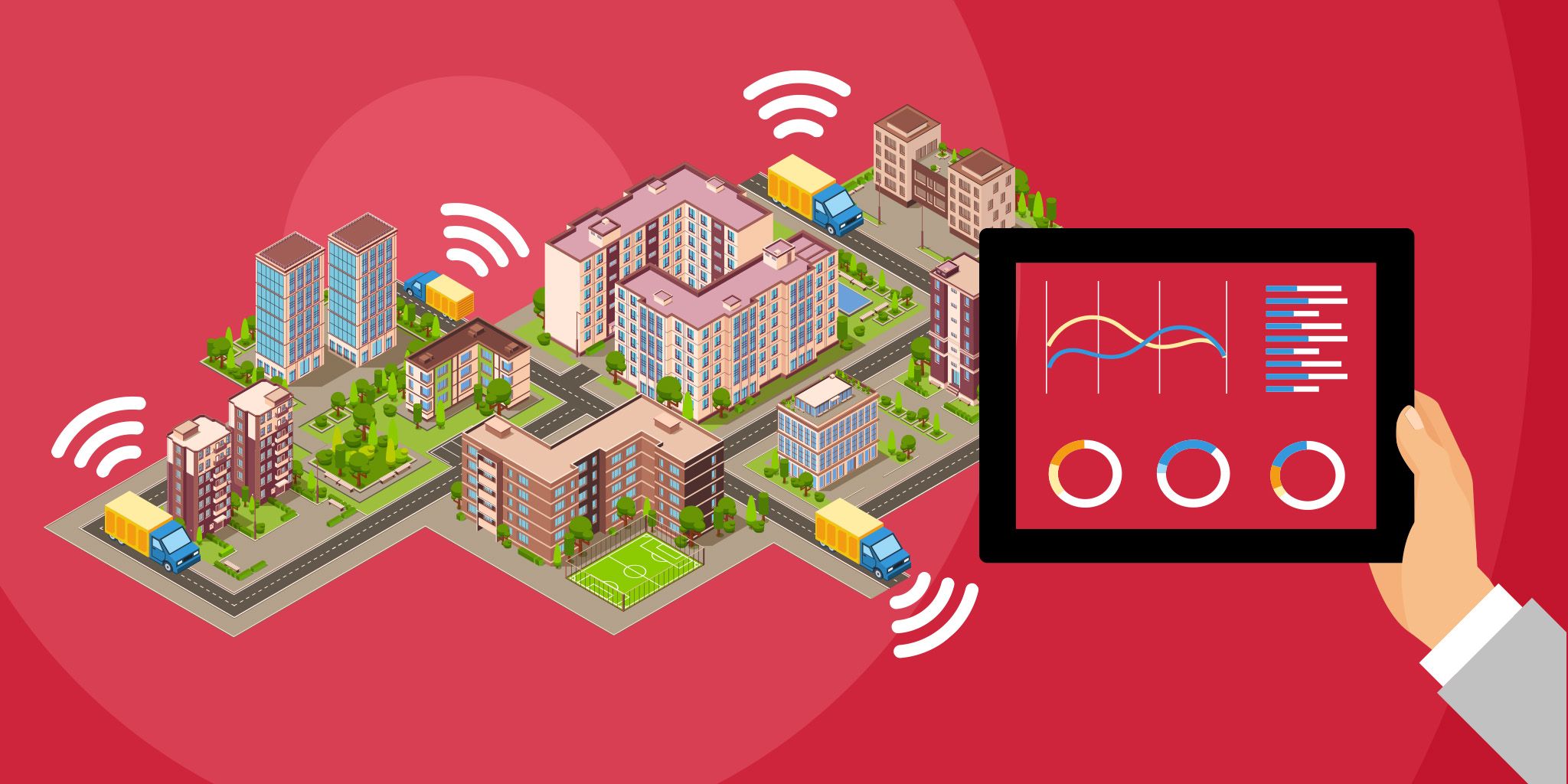
Asset and Inventory Monitoring
Track assets, monitor performance, and maintain persistent connectivity to improve supply chain efficiency, security, and uptime.
Track assets, monitor performance, and maintain persistent connectivity to improve supply chain efficiency, security, and uptime.
Digi
Digi

Primary and Failover Connectivity for Retail
4G/5G cellular networks for enabling uninterrupted retail operations with seamless support and rapid deployment across stores.
4G/5G cellular networks for enabling uninterrupted retail operations with seamless support and rapid deployment across stores.
KORE
KORE

Related Solutions
Smart Cities
Mobile Networking for Public Safety
Enable data sharing, enhanced situational awareness, and secure communication across vehicles, devices, and command centers.
Digi
Supply Chain & Logistics
Asset and Inventory Monitoring
Track assets, monitor performance, and maintain persistent connectivity to improve supply chain efficiency, security, and uptime.
Digi
Retail
Primary and Failover Connectivity for Retail
4G/5G cellular networks for enabling uninterrupted retail operations with seamless support and rapid deployment across stores.
KORE