



Digital Twins in Energy: A Strategic Guide
Digital Twins in Energy: A Strategic Guide

- Last Updated: July 2, 2026
Mehul Rajput
- Last Updated: July 2, 2026
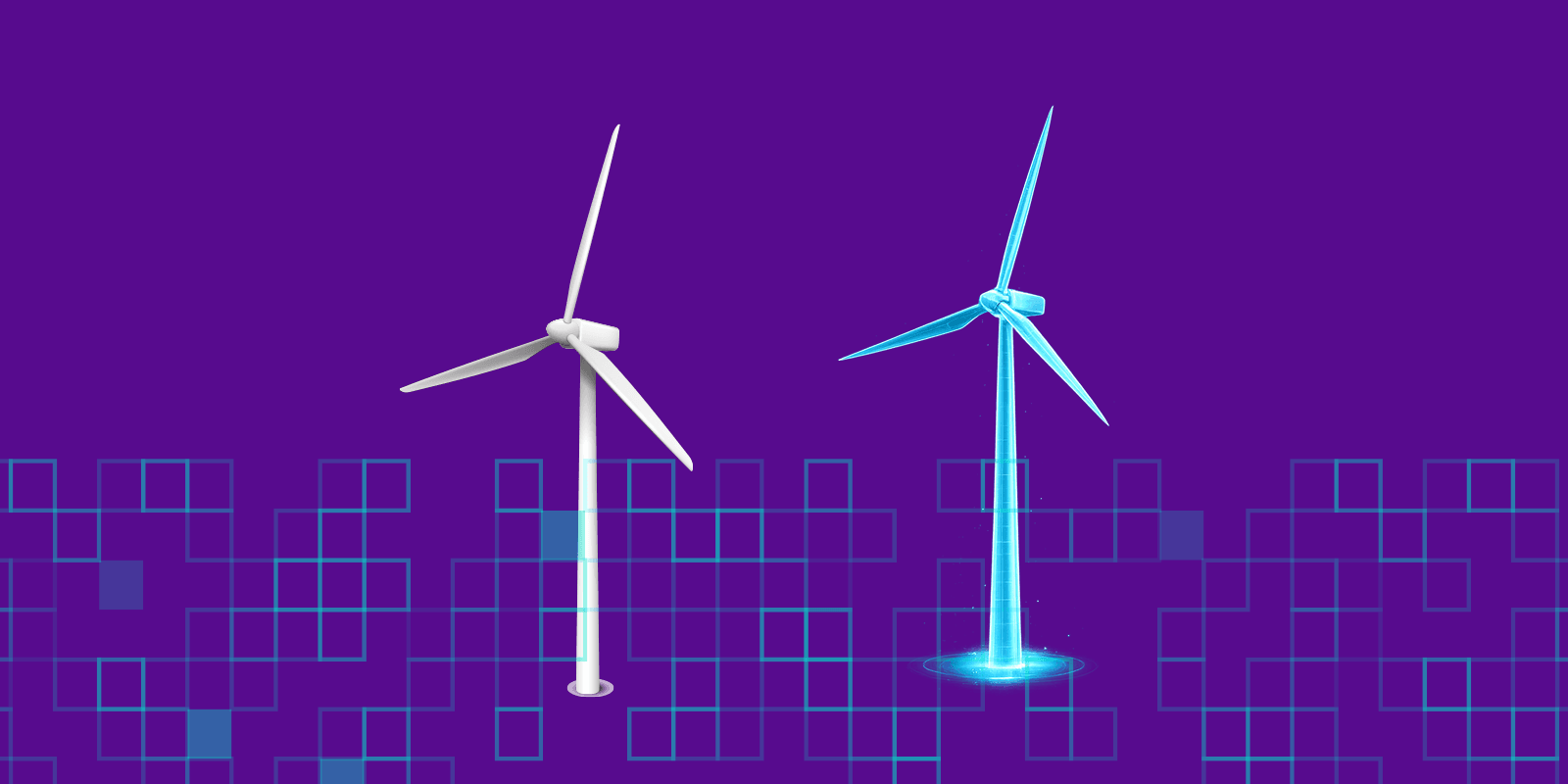
The energy sector is under more pressure than it has ever been. Aging infrastructure, volatile demand, the rapid integration of renewables, and tightening emissions regulations have made operational complexity the new normal.
Utilities, grid operators, and energy companies are seeking smarter ways to monitor assets, predict failures, and optimize performance without shutting down systems or deploying costly field teams.
Digital twins have emerged as one of the most practical answers to that challenge. Not as a buzzword, but as a working technology that energy companies are already using to reduce costs, improve reliability, and plan for a future that looks nothing like the past.
This guide walks you through what digital twins actually are in the context of energy systems, why they matter right now, how different types are being used across the sector, and what it realistically takes to implement one.
What Is a Digital Twin in the Energy Sector?
A digital twin is a real-time virtual replica of a physical asset, system, or process. In energy, that could mean a single wind turbine, a substation, a pipeline network, or an entire smart grid. The twin pulls live data from sensors, SCADA systems, IoT devices, and operational databases to mirror what is happening in the physical world at any given moment.
What makes a digital twin different from a traditional simulation or 3D model is the continuous, bidirectional data flow. The model updates as conditions change, allowing operators to test scenarios, run what-if analyses, and identify risks without touching the actual asset.
For organizations exploring how to build these capabilities, working with a specialist in digital twin development services can significantly shorten the path from concept to deployment, especially for complex energy infrastructure, where data integration and real-time modeling demand serious engineering depth.
Why the Energy Industry Is Investing in Digital Twins Now
The timing is not accidental. Several forces have converged to make digital twin adoption not just attractive but strategically necessary.
Grid complexity is increasing fast. As distributed energy resources, battery storage, and electric vehicle charging enter the mix, managing grid stability through traditional methods is becoming harder and riskier. Operators need predictive tools, not just reactive ones.
At the same time, the cost of sensors and cloud computing has dropped substantially over the past decade. What once required significant capital investment in hardware can now be deployed at scale using cloud-native platforms and commercially available IoT devices. The infrastructure for real-time data collection no longer limits adoption the way it once did.
There is also a workforce angle. As experienced engineers retire and institutional knowledge walks out the door, digital twins preserve operational intelligence in a form that is accessible to newer teams. A junior engineer analyzing a digital twin can access the same depth of system understanding that previously required years of field experience.
Regulatory pressure is adding further momentum. Emissions reporting requirements, grid reliability mandates, and increasing scrutiny around energy asset performance are pushing companies to invest in systems that provide better visibility and documentation of how assets are operating.
Types of Digital Twins Used in Energy Systems
Not all digital twins serve the same purpose, and understanding the different types helps clarify where the technology adds the most value.
Asset-Level Digital Twins
These focus on individual physical components, such as transformers, turbines, compressors, or heat exchangers. They are the most common starting point for energy companies because the data requirements are more manageable and the ROI is easier to demonstrate.
A digital twin of a gas turbine, for example, can track thermal efficiency, vibration patterns, fuel consumption, and maintenance cycles in real time.
System-Level Digital Twins
These model interconnected infrastructure, such as a distribution network or a pipeline system across multiple stations. They are more complex to build but provide a much richer picture of how changes at one point ripple through the entire system.
Grid-Level Digital Twins
Utilities and transmission system operators are increasingly developing twins of entire grid regions. These enable scenario planning for demand surges, integration of new generation sources, and real-time response to faults or outages. They are also valuable for long-term capital planning, where the cost of getting infrastructure decisions wrong is enormous.
Process Digital Twins
In oil, gas, and thermal power generation, process twins model chemical and thermodynamic processes rather than physical structures. They help operators optimize reaction conditions, reduce waste, and improve energy efficiency across production workflows.
Real-World Applications Across the Energy Value Chain
Predictive Maintenance for Power Generation Assets
One of the most immediate and measurable uses is predictive maintenance. Rather than scheduling maintenance at fixed intervals or waiting for equipment to fail, digital twins analyze patterns in sensor data to flag anomalies before they become failures.
A gas turbine digital twin that detects unusual vibration signatures in a bearing can trigger a maintenance alert weeks before the bearing would physically fail.
That early warning translates directly into avoided emergency repairs, reduced downtime, and lower maintenance costs.
Siemens Energy has implemented digital twins across gas turbine fleets globally, using continuous monitoring to extend asset life and reduce unplanned outages. The results have demonstrated measurable reductions in maintenance costs compared to traditional interval-based approaches.
Optimizing Renewable Energy Performance
Renewable energy assets present a unique operational challenge. Output depends on conditions that are inherently variable and difficult to predict, such as wind speed, solar irradiance, temperature, and humidity.
A digital twin gives operators a framework to correlate those conditions with actual performance and identify where the asset is underperforming relative to its theoretical potential.
For a wind farm, a digital twin can model aerodynamic interactions between turbines, identify wake effects that reduce energy capture, and simulate layout adjustments to improve overall yield. It can also model degradation curves for turbine blades, helping operators decide when blade replacement becomes economically justified.
For a deeper look at how this applies specifically to investment planning and risk reduction, the analysis on digital twins in renewable energy offers a useful perspective on using synthetic data to stress-test renewable portfolios before capital is committed.
Grid Stability and Demand Forecasting
Transmission and distribution operators are using digital twins to model load flows, voltage stability, and fault scenarios across their networks. When a new large industrial customer connects to the grid, or when a solar farm with significant output is added to the mix, operators can simulate the impact before it happens rather than discovering stability issues in real time.
This simulation capability is also valuable for demand response programs. By modeling how different curtailment strategies affect grid stability, operators can design more effective demand response interventions that maintain reliability while reducing peak load costs.
Pipeline Integrity Management in Oil and Gas
Digital twins of pipeline networks allow operators to monitor pressure, flow rates, and temperature continuously across thousands of kilometers of infrastructure.
When the model detects a deviation from expected parameters, it can pinpoint the most likely location and cause, whether a developing corrosion issue, a third-party interference event, or an equipment anomaly at a compressor station.
Shell and other major operators have implemented pipeline digital twins as part of broader integrity management programs, using continuous data from inline inspection tools and pressure sensors to maintain real-time assessments of pipeline condition.
Key Benefits That Drive Adoption
The business case for digital twins in energy is built on several overlapping value streams.
Reduced unplanned downtime is typically the most immediate financial benefit. Across power generation and transmission, an unplanned outage can cost hundreds of thousands of dollars per day. Predictive maintenance driven by digital twin monitoring can significantly cut the frequency and duration of those events.
Improved capital allocation is another major benefit. Digital twins help operators understand the true condition of their assets rather than relying on age or generic maintenance schedules.
That means capital replacement decisions are based on actual degradation, not conservative assumptions, which frees up budget for higher-priority investments.
Better regulatory compliance is becoming increasingly important as emissions reporting and grid reliability standards tighten. Digital twins provide detailed, timestamped records of asset performance that simplify audits and demonstrate due diligence to regulators.
Faster engineering and planning cycles matter most at the system design level. Utilities planning grid expansions can use digital twins to simulate years of operation under different demand scenarios, evaluating investment options with a level of confidence that traditional modeling tools simply cannot match.
Challenges
Digital twins are not a plug-and-play solution. The organizations that get the most value from them are the ones that go in with a clear understanding of what the implementation actually requires.
Data quality and integration are the most common stumbling blocks. A digital twin is only as accurate as the data feeding it.
Older energy infrastructure often has limited sensor coverage, inconsistent data formats, and legacy SCADA systems that were not designed with modern integration in mind.
Before a twin can deliver value, significant work is typically required to clean, standardize, and integrate operational data.
Organizational alignment is also underestimated. A digital twin that is technically sophisticated but not embedded in actual workflows quickly becomes shelfware.
The most successful implementations involve operations teams from the beginning, ensuring the twin surfaces information in ways that fit how decisions are actually made.
Cybersecurity deserves serious attention. A digital twin with real-time access to operational systems creates a potential attack surface that did not exist before.
Energy infrastructure is already a high-priority target for cyber threats, and digital twin deployments need to be architected with that risk explicitly addressed.
Finally, the ongoing cost of maintaining model accuracy should not be underestimated. As physical assets change, as configurations are modified, and as new equipment is added, the digital twin needs to be updated to stay relevant. That requires a sustained commitment of engineering resources that organizations sometimes fail to plan for.
Building a Digital Twin Strategy That Holds Up
A few principles consistently distinguish successful energy digital twin programs from ones that stall after the initial pilot.
Start with a specific operational problem rather than a broad mandate to "implement digital twins." The clearest successes come when there is a well-defined question to answer, whether that is reducing maintenance costs for a specific asset class or improving outage response times in a particular grid region.
Invest in data infrastructure early. The modeling layer of a digital twin gets the attention, but the data pipelines that feed it are where most of the implementation difficulty lives.
Underinvesting in data quality and integration is the single most common reason digital twin projects underperform.
Plan for interoperability. Energy organizations typically run a mix of assets from different vendors, each with proprietary data formats and communication protocols. A digital twin strategy that does not address interoperability from the start will hit walls quickly as it scales.
Measure outcomes from the beginning. Establish baseline metrics before deployment, define what improvement looks like, and track results consistently. That discipline is what turns a pilot into a scalable program and builds the internal business case for continued investment.
Where Digital Twins in Energy Are Heading
The next wave of digital twin development in energy is being shaped by advances in artificial intelligence, edge computing, and the continued expansion of sensor networks.
AI-driven twins are moving beyond descriptive and diagnostic capabilities toward genuinely prescriptive recommendations.
Rather than telling an operator that a component is showing signs of stress, next-generation twins will recommend specific interventions, rank them by cost and effectiveness, and simulate the outcome of each option before a decision is made.
Edge computing is enabling digital twins to operate closer to the asset, with lower latency and reduced dependence on cloud connectivity. That is particularly relevant for remote infrastructure like offshore wind farms or rural substations, where network reliability is a constraint.
As the energy transition accelerates, the role of digital twins in planning and operating increasingly complex, decentralized grids will only grow, making a well-defined Digital Twin Strategy essential for long-term success.
Organizations that build these capabilities now, and build them well, are positioning themselves to manage that complexity with confidence rather than scrambling to catch up.
Digital twins are not the future of energy operations. For the companies investing in them seriously, they are already the present.

The Most Comprehensive IoT Newsletter for Enterprises
Showcasing the highest-quality content, resources, news, and insights from the world of the Internet of Things. Subscribe to remain informed and up-to-date.

New Podcast Episode

Building Real-Time Voice AI Experiences

Related Articles

Related Solutions
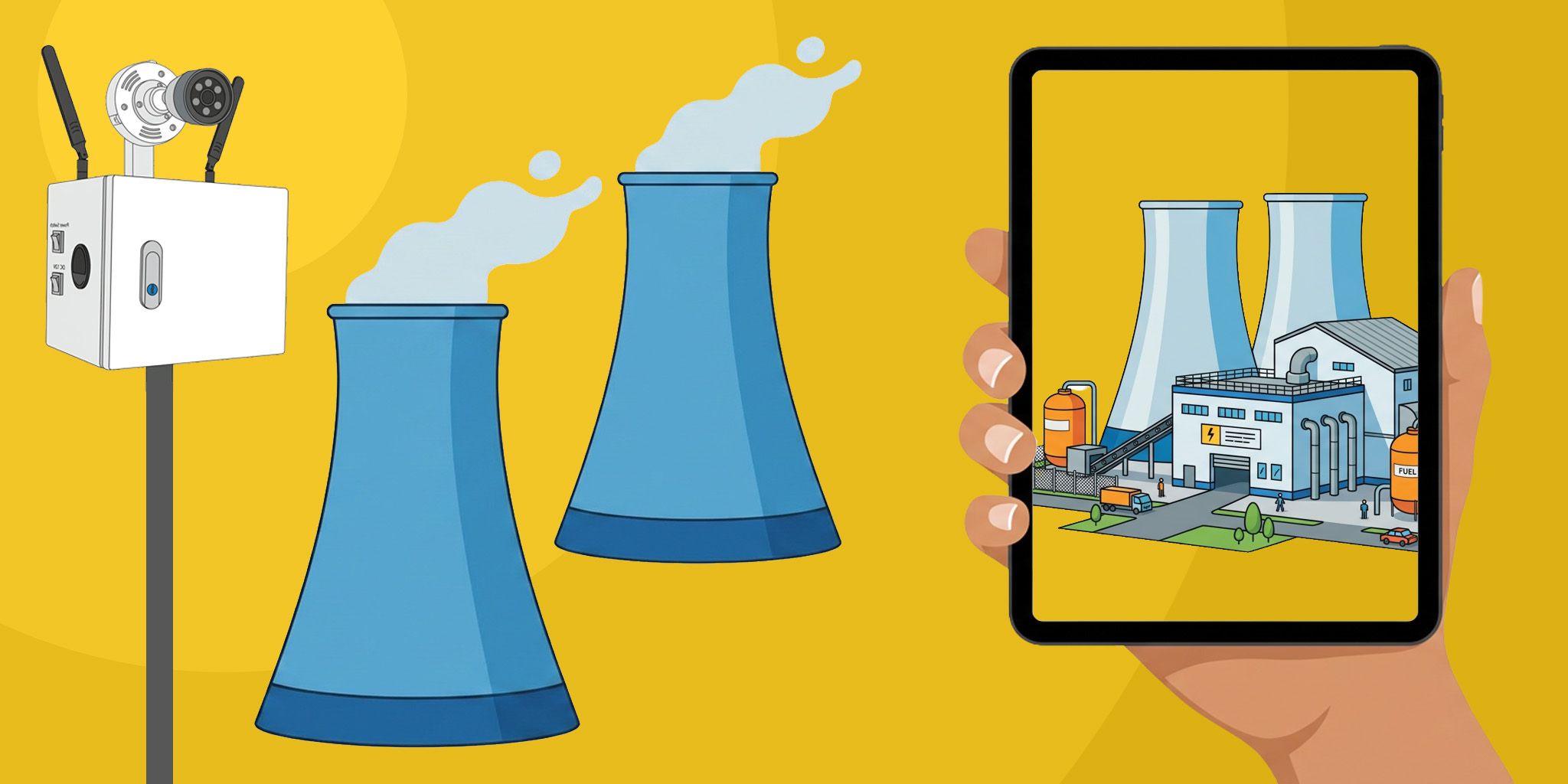
Power Plant Safety for Operators
Deploy instant, AI-powered monitoring across power generation facilities with a portable, plug-and-play solution.
Deploy instant, AI-powered monitoring across power generation facilities with a portable, plug-and-play solution.
Iveda
Iveda
Energy Metering for Utilities
Unified metering for electricity, water, oil, and gas to reduce costs, improve efficiency, and support ESG reporting.
Unified metering for electricity, water, oil, and gas to reduce costs, improve efficiency, and support ESG reporting.
akenza
akenza

Smart EV Charging Station Management
Monitor and optimize EV charging stations in real time to ensure reliability, efficiency, and seamless driver access.
Monitor and optimize EV charging stations in real time to ensure reliability, efficiency, and seamless driver access.
Prylada
Prylada

Related Solutions
Utilities
Power Plant Safety for Operators
Deploy instant, AI-powered monitoring across power generation facilities with a portable, plug-and-play solution.
Iveda
Utilities
Energy Metering for Utilities
Unified metering for electricity, water, oil, and gas to reduce costs, improve efficiency, and support ESG reporting.
akenza
Smart Cities
Smart EV Charging Station Management
Monitor and optimize EV charging stations in real time to ensure reliability, efficiency, and seamless driver access.
Prylada