How Edge AI Is Transforming Wearable Devices
How Edge AI Is Transforming Wearable Devices

- Last Updated: May 18, 2026
Shradha Puri
- Last Updated: May 18, 2026
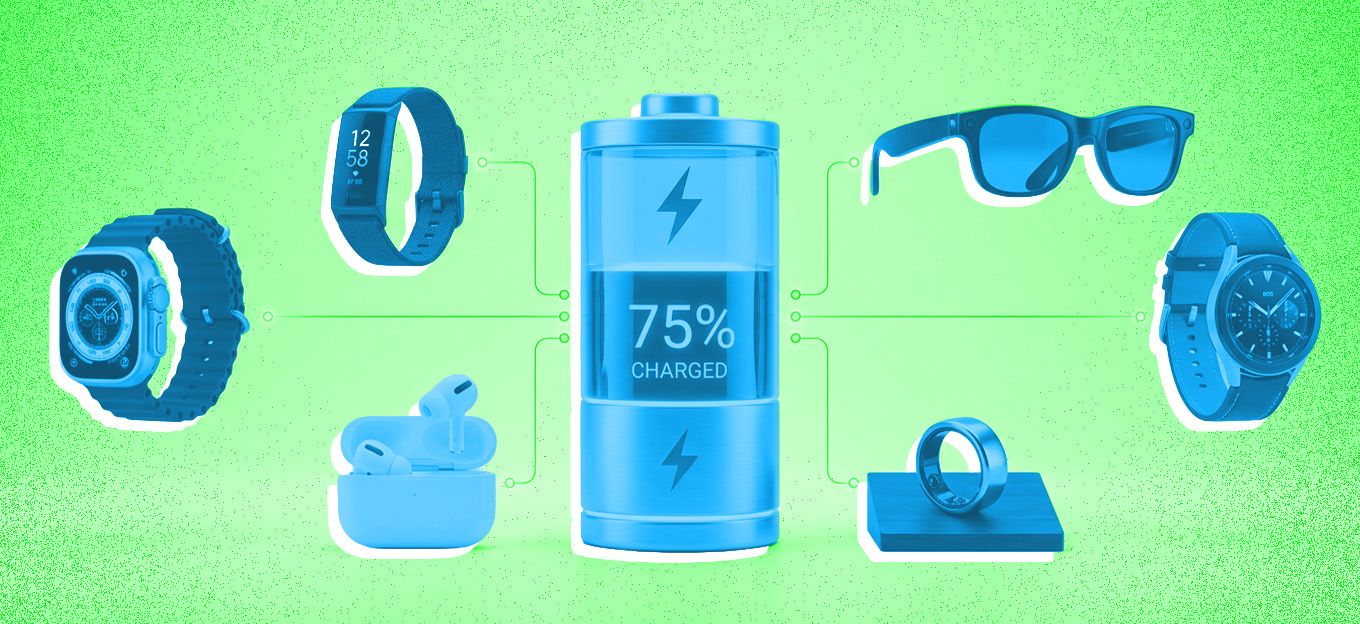
Wearables have slowly made their way into our day-to-day lives. Whether it's your smartwatch reminding you that you’ve been sitting for too long, the earbuds tracking your heart rate during workouts, or the smart ring letting you know that you slept poorly during the night, it all seems to fit in perfectly.
But there seems to be a subtle shift happening behind the scenes. Up until recently, wearables operated as simple data collectors. They would collect the data and upload it to the cloud, from where it was analyzed and delivered back to the companion app on your phone. This was convenient; however, there were some downsides, such as delays, lack of privacy, and a significant reliance on a good Wi-Fi connection.
Today, the whole situation is changing in favor of users’ preferences. The rise of Edge AI enables moving intelligence from the cloud to the wearable device itself. In other words, wearables no longer simply collect data but also process it, analyze it, and react to it on the spot.
This may seem insignificant at first, yet this small step changes the overall user experience. Think faster feedback, more privacy, better reliability, and not having to move around looking for a decent signal. If you care about the privacy of your health data, especially after the Flo lawsuit fiasco, this shift is worth paying attention to.
What Is Edge AI in Wearables?
Have you ever worn a smartwatch or a fitness tracker? If so, you are well aware of the amount of information these devices collect. Steps, heart rate, sleep, stress, workouts, all of it.
But what many people do not understand is where that data actually goes. Traditionally, all information gathered by such a device was transferred to a cloud server. This was a place where the actual “thinking” took place, and the device itself was merely a tool for data collection.
With Edge AI, all this changes. Rather than transferring raw data to a server or other device, modern wearables process it directly within themselves. The analysis performed by the AI algorithm occurs on-device, in real time, and without requiring an internet connection.
Why Wearables Are Moving Away from the Cloud
For basic functions like step counting, the delays introduced by processing data in the cloud are not a problem because they do not require immediate feedback. Even monitoring sleep can wait until morning.
But as wearables started doing more serious things like ECG readings, blood oxygen tracking, stress detection, and fall detection, the delays started to matter. Sending data to the cloud takes time. Sometimes it’s only a few seconds, but sometimes longer if your connection is weak. That delay might not seem like a big deal until you think about situations where timing actually matters.
And then there’s the simple reality of connectivity. Not everyone is always online. Even in cities, connections drop. In rural areas or while traveling, connectivity itself is spotty. So the industry started shifting. Instead of depending on the cloud for everything, it made more sense to push intelligence directly into the device.
Faster, Real Insights That Actually Help
This is probably the biggest difference you’ll actually feel as a user.
Edge AI allows your wearable device to provide you with feedback without first consulting the cloud server for instructions. It already has what it needs.
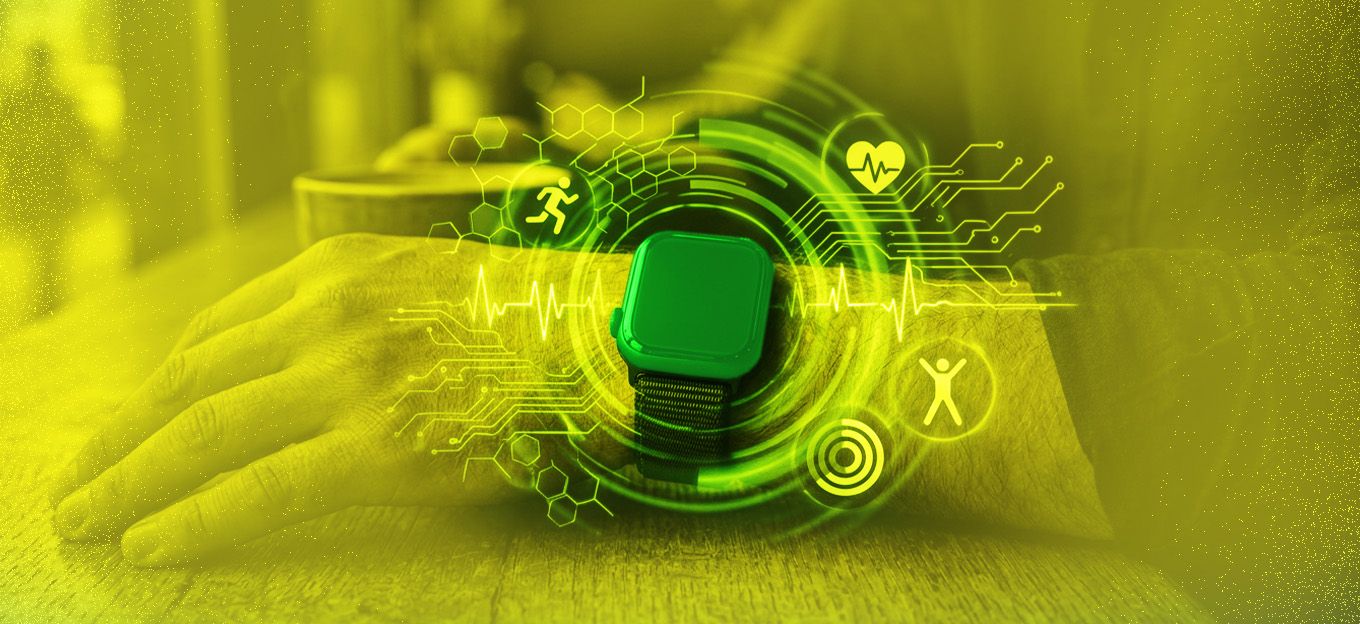
Take heart rate monitoring, for instance. If your watch detects anything unusual, you will receive an instant notification. There is no need to wait for your device to sync or send data to a different server.
The same is true for your workouts. The latest wearable models can analyze your movement in real time during activities such as running or weightlifting. That means you will be able to receive feedback during the exercise session rather than several hours later when there is nothing you can do to improve your performance.
This also shows up in smaller ways, such as voice assistants, noise-cancellation technologies, or smart glasses. They can respond to changes in your environment almost instantly.
It just feels more responsive, and the whole experience is much faster. And once you get used to that, there’s no going back.
Better Privacy: Keeping Your Data on Your Device
Only when issues crop up do people realize that privacy is an important aspect of wearables. After all, your wearable device knows quite a lot about you. Your heart patterns, sleep patterns, and sometimes even your location and habits.
When everything is processed in the cloud, that data has to travel. It gets stored, analyzed, and sometimes shared across systems. Edge AI technology saves considerable effort there.
In most cases, no raw data will be transferred at all. What gets shared, if anything, is summary reports or alerts about possible issues, not the full dataset. That lowers the risks of any privacy breach. Since there is no transmission, less opportunity for leakage of sensitive data.
More and more countries are also becoming strict regarding the protection of personal data and how it is handled. For users, it’s simpler. You don’t have to think too much about where your data is going because most of it isn’t going anywhere.
Smarter Health Tracking That Feels Personal
Wearables have been promising “personalized insights” for years, but much of it has felt generic. You’d get the same advice as everyone else. Sleep more, move more, drink water, and get in more sunlight.
With Edge AI, this is starting to change. Why? Because the processing happens on your device, it can continuously learn from your patterns. Not in a generalized, cloud-trained way, but in a very specific, you-focused way.
Your baseline heart rate and temperature, your sleep rhythm, your stress triggers. For example, while a traditional wearable might inform you that your heart rate is elevated relative to other users’ averages, a modern one could warn you that your rate is above normal only for you—that’s already much more valuable.
The same goes for fitness. Some wearables now adjust workout recommendations based on how recovered you are that day, not just your long-term goals. Cardiac monitoring is another field that benefits greatly. It enables the device to analyze your ECG data locally and find irregular patterns much faster. Not always accurately, but definitely better than the old methods.
Mental health tracking is evolving, too. Subtle changes in sleep, movement, and even voice patterns can hint at stress or fatigue. Edge AI helps detect those patterns faster and more privately. It’s still early, but it’s moving in the right direction.
Works Even Without the Internet
This one gets overlooked until you really need it. Edge AI allows your wearable to operate without going online. If you’re hiking, traveling, or simply in an area that has a bad signal, your device doesn’t suddenly become useless. It can still track and alert.
That matters more than people think.
The ability of your smartwatch or bracelet to detect falls, irregular heartbeats, or other emergencies isn’t dependent on it having a good connection. This is another reason wearables with edge AI are generally more reliable.
You don’t have to rely on constant syncing or the internet for basic functions. In places where connectivity can be highly variable across regions, this is a practical advantage and can make all the difference.
Trade-Offs You Should Know About
It’s not all perfect. Running AI on a tiny device isn’t easy. Wearables don’t have the same power as your phone or a cloud server. That means everything has to be optimized.
The complexity of models needs to be taken into account throughout the process. It means that the accuracy and battery consumption of a wearable need to be balanced.
Speaking of which, battery usage remains a problem. Even with the reduced energy required for data transfer, AI model processing consumes additional energy. That’s why you’ll see brands talking a lot about new chips and efficiency improvements.
Accuracy is another area to watch. These systems need to work across different people, skin tones, activity levels, and environments. That’s not simple. With so many complexities in individual data, the question of reliability and accuracy arises. If your watch tells you something is wrong, what do you do with that information? Not everything flagged by AI is a real issue, and not everything gets caught.
So while the tech is improving, it’s still a tool. Not a replacement for medical advice.
What This Means for the Future of Wearables
It is clear where we are heading. The role of wearables is shifting from being trackers to becoming assistants. Quiet ones that sit in the background and step in when needed. And Edge AI is one of the driving factors behind this transition.
As chips get better and models get smaller, more features will move on-device. Real-time translation in earbuds. Translating voice in real time on the earbud, smarter coaching during workouts, and continuous health monitoring that actually feels useful instead of overwhelming.
There is also a push toward combining multiple sensors. Combining data from a motion sensor, a heart rate sensor, body temperature, EDA (stress), and possibly other biomarkers on-device yields more accurate insights.
We are already seeing an increase in specialized wearables in addition to smartwatches and smart rings. For instance, devices focused on specific needs like chronic conditions, sports performance, or elderly care.
And then there’s the bigger picture. As more devices around us become “smart,” processing data locally makes the whole system more efficient and private. It’s a quiet shift, but it’s happening fast.
Should You Care? The Bottom Line
If you’re buying a wearable today, edge AI isn’t always clearly listed on the spec sheet. But it’s already shaping how these devices behave.
You’ll notice it in faster responses, features that work without the internet, and how your data is handled. You don’t need to understand the technical side to benefit from it.
The point is, your devices will become capable of reading you and acting accordingly, even without transmitting any of your data elsewhere. That makes them more useful, efficient, reliable, and a bit more trustworthy. And honestly, that’s what most people wanted from these devices in the first place.

The Most Comprehensive IoT Newsletter for Enterprises
Showcasing the highest-quality content, resources, news, and insights from the world of the Internet of Things. Subscribe to remain informed and up-to-date.

New Podcast Episode

Building Real-Time Voice AI Experiences

Related Articles