



How IoT-Enabled Asset Management Is Extending the Lifecycle of Enterprise Devices
How IoT-Enabled Asset Management Is Extending the Lifecycle of Enterprise Devices

- Last Updated: August 20, 2026
Andrej Kovacevic
- Last Updated: August 20, 2026
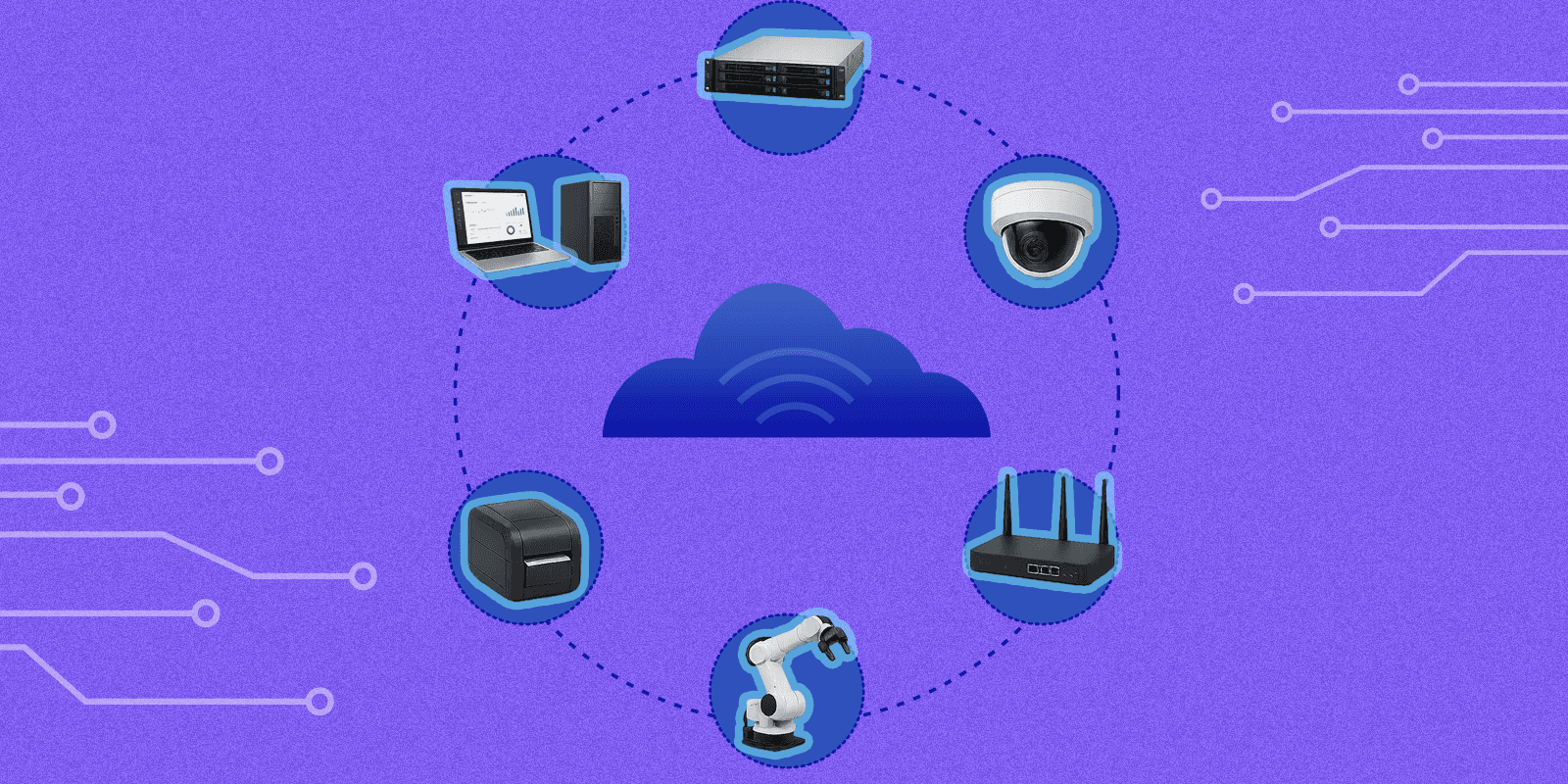
Every year, businesses cycle through millions of laptops, servers, networking gear, and phones as they upgrade their tech. The surprising part, though, is that most of that equipment still works fine. It no longer fits the company, whether that's a performance gap or a security policy that's moved on without it. Doesn't mean the device is done, though. It can be repaired, tested, restored, and sent back out into the world to keep doing useful work.
That reality has quietly built up a whole refurbishment economy. Companies are looking for smarter ways to control costs, shore up their supply chains, and cut down on environmental impact. Stretching the life of enterprise electronics checks all three boxes at once, which is probably why it's stopped being an afterthought and started being an actual strategy.
Why Businesses Are Extending Device Lifecycles
If you've ever had to hand back a laptop that worked just fine because your company was rolling out newer models, you've already seen this in motion. A lot of organizations refresh their tech on a set schedule rather than waiting around for something to actually break.
But buying all-new hardware every time gets expensive fast. Refurbishing what already exists means businesses hold onto more capital while employees still get equipment they can rely on. That matters even more when new hardware is a headache to source, and let's be honest, manufacturing slowdowns and shipping delays have made that a fairly regular headache lately.
Then there's sustainability, which carries real weight here too. Building electronics eats up raw materials, energy, and a tangle of global supply chains. Every extra year a device stays in service is one less new product that has to be made, and that adds up when it comes to carbon emissions and e-waste, especially now that so many companies are publicly reporting on their environmental goals.
What Happens After a Device Leaves the Office
Once a company retires a batch of equipment, it doesn't just get boxed up and forgotten in a storage closet or shipped off to a recycler. There's an actual process behind it.
It starts with collection. Devices get pulled from offices or data centers and moved to facilities built for this kind of work, where technicians go through each item and assess its condition.
Then comes the step that probably matters most: data destruction. Nothing moves forward until every scrap of business data has been wiped using certified methods. That's not optional. It protects sensitive company information and keeps organizations on the right side of privacy and compliance rules.
After that, testing. Storage drives, memory, batteries, screens, and ports—all of it gets checked. Devices come out the other side graded, both on how they look and how they perform.
From there it’s the fixing part. Some devices need almost nothing. A new battery, maybe a keyboard swap, done. Others need a lot more. New components, software updates, a proper cleaning, several rounds of quality checks before anyone signs off. Either way, by the time a device finishes the process, it often runs close to how it did on day one.
How IoT Is Transforming Electronics Lifecycle Management
IoT sensors and connected asset tracking systems are changing how enterprises monitor, maintain, and recover electronic equipment. Instead of waiting until devices fail or become obsolete, organizations can collect real-time data about performance, usage patterns, battery health, and operating conditions.
That visibility changes everything. Rather than retiring equipment on a blanket schedule, teams can act on what a device is actually telling them, deciding to repair, redeploy, or retire based on real condition. Devices entering refurbishment also arrive with a documented history attached, which speeds up grading once they reach the facility.
Why Refurbished Technology Is Becoming Mainstream
Refurbished tech used to carry a certain stigma. It used to be seen as the option you settled for when the budget didn't stretch far enough. That's not really true anymore.
Big corporations buy refurbished now. So do schools, hospitals, and government agencies. All of them are chasing the same thing: solid performance without paying full price. Plus, testing standards have tightened up considerably, and quality control has gotten strict enough that refurbished devices behave a lot more predictably than they once did.
There's an environmental angle too. Electronic waste is one of the fastest-growing waste streams on the planet right now. Every device pulled back into service instead of tossed in a landfill is one less contribution to that pile. It also means squeezing more value out of materials that were already mined, refined, and manufactured once.
More organizations are folding refurbishment into something bigger: a circular economy strategy. Rather than the old buy, use, dispose cycle, companies are keeping products moving through repair, reuse, and resale as much as they can.
The Technology Behind Modern Lifecycle Services
The refurbishment industry today runs on a lot more than technicians with a toolkit. Advanced software and automated systems now play a big role in making sure devices actually meet quality standards before they go back into circulation.
Automated testing platforms can chew through thousands of devices and catch hardware problems a person might miss. Grading systems have gotten standardized enough that buyers know exactly what they're getting, no vague promises, no crossing fingers.
Every device also gets tracked through a serial number, start to finish. Where it came from, what got fixed, where it ended up eventually, all of it logged. That kind of visibility is often what makes compliance and asset management possible at all.
Data security runs through the entire process, not just one step of it. Providers offering secure ITAD services lean on certified data erasure and tracking procedures to make sure nothing recoverable is sitting on a device before it gets refurbished or resold.
Then there's reporting. Platforms now give companies a real look at recovery rates, environmental impact, financial returns on retired assets, the numbers that actually justify the whole investment. Modern lifecycle management providers combine refurbishment expertise with technologies such as IoT monitoring, automation, and analytics to improve visibility across the entire asset lifecycle, from the moment a device is retired to the moment it finds a second owner.
The Future of Electronics Is Circular
Things are getting smarter from here. With the role artificial intelligence plays, it is already helping technicians catch hardware issues faster, spotting patterns buried in performance data that would take a human a lot longer to notice, if they noticed at all.
Predictive maintenance is following close behind. Instead of waiting for a component to fail, businesses can watch device health in real time and swap out parts before anything actually breaks down.
As these tools mature, reuse rates should keep climbing across the industry. More manufacturers are also designing products with repairability in mind from the start, which makes the whole circular supply chain a lot easier to build and, more importantly, easier to keep running.
Conclusion
A device doesn't stop being valuable just because it got unplugged and shipped out of an office. Collection, secure data removal, testing, repair, refurbishment, and resale. Run a piece of equipment through that whole process, and it can keep earning its keep for years, all while cutting costs and keeping waste out of landfills.
The next generation of enterprise technology isn't only about faster processors or sleeker hardware. It's also about getting more out of every device across its entire lifecycle. As refurbishment and circular practices keep maturing, expect more organizations to stop treating retired equipment like junk and start treating it like what it actually is: an asset still worth something.

The Most Comprehensive IoT Newsletter for Enterprises
Showcasing the highest-quality content, resources, news, and insights from the world of the Internet of Things. Subscribe to remain informed and up-to-date.

New Podcast Episode

Building Real-Time Voice AI Experiences

Related Articles



Related Solutions

Asset Monitoring for Refrigeration Equipment
Protect refrigerated assets and maintain product quality with automated, real-time equipment monitoring.
Protect refrigerated assets and maintain product quality with automated, real-time equipment monitoring.
SmartSense by Digi
SmartSense by Digi

Unit Load Device Tracking for Airports
Real-time visibility into Unit Load Devices and supporting airport assets with solar-powered tracking and BLE.
Real-time visibility into Unit Load Devices and supporting airport assets with solar-powered tracking and BLE.
SODAQ
SODAQ

Smart Marina Management
Real-time visibility into marina assets, utilities, and security. Monitor, manage, and monetize marina resources more efficiently.
Real-time visibility into marina assets, utilities, and security. Monitor, manage, and monetize marina resources more efficiently.
Smarter Technologies
Smarter Technologies

Related Solutions
Supply Chain & Logistics
Asset Monitoring for Refrigeration Equipment
Protect refrigerated assets and maintain product quality with automated, real-time equipment monitoring.
SmartSense by Digi
Supply Chain & Logistics
Unit Load Device Tracking for Airports
Real-time visibility into Unit Load Devices and supporting airport assets with solar-powered tracking and BLE.
SODAQ
Maritime & Boating
Smart Marina Management
Real-time visibility into marina assets, utilities, and security. Monitor, manage, and monetize marina resources more efficiently.
Smarter Technologies