


A Deep Dive Into the IoT That Powers Modern Universities
A Deep Dive Into the IoT That Powers Modern Universities

- Last Updated: January 7, 2026
Devin Partida
- Last Updated: January 7, 2026
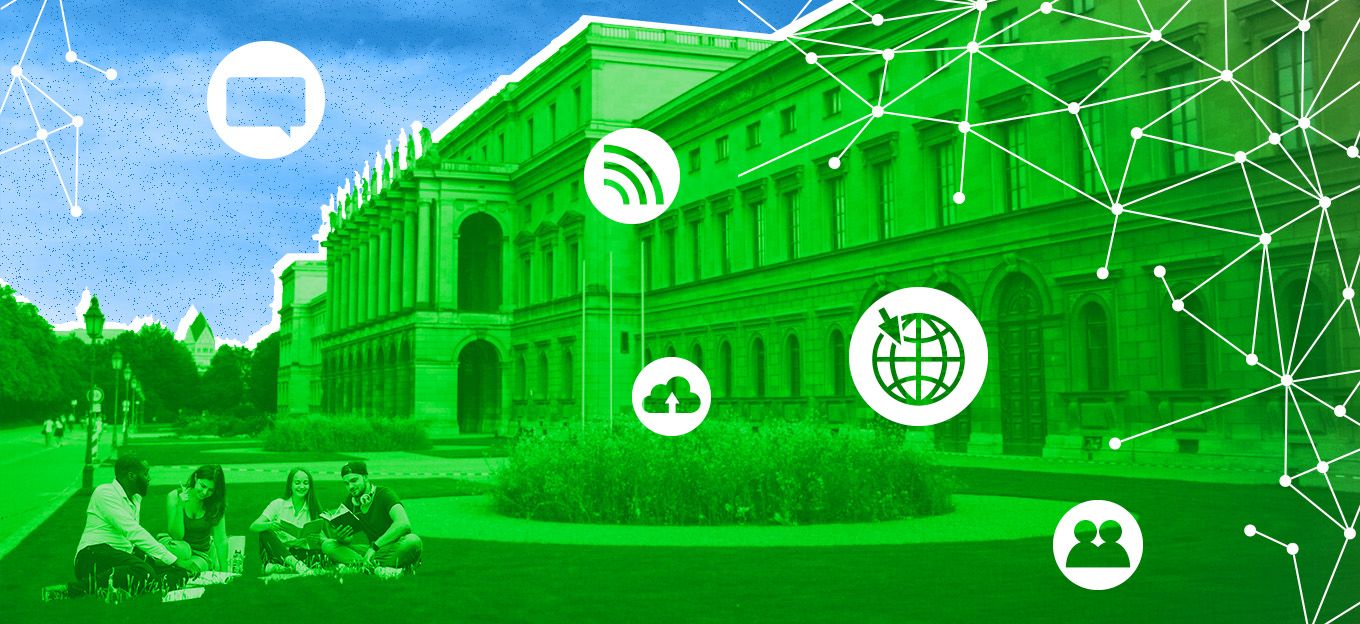
IoT devices are transforming the future of automation and sustainability. Modern universities are utilizing them to enhance student experiences and strengthen campus credibility, and these systems cover a wide range of applications. It’s helpful for school officials to examine specific examples and consider important factors before deploying them.
Impact of IoT Applications Within Modern University Campuses
IoT applications impact higher learning institutions in several ways. Here are some of the most influential areas.
Transform Operations
IoT devices transform traditional operations into efficient, modern systems. They automate menial tasks, leaving room for students and faculty to focus on more important things, such as learning and teaching. Using these devices also saves universities money in the long run since collected data helps streamline operations.
Enhance Student Experiences
IoT devices enhance student experiences in many ways. They can make getting to campus easier and improve classroom settings through data collection and enhanced feedback. For example, some sensors can adjust temperatures and air quality in classrooms to increase focus. These devices also track buses to ease student transportation around campus.
Improve Sustainability
Sustainability is a common goal for universities, especially large ones. IoT devices help campuses reach their goals by ensuring HVAC works efficiently. Since these systems account for 40%-60% of energy usage in buildings, limiting waste is essential. IoT devices can identify problematic areas and make adjustments. Smart gardens powered by IoT devices also enhance a campus’s sustainability, especially if they support native wildlife.
Examples of IoT Deployments
Campus administrators deploy IoT devices in many ways in modern universities. Here are a few specific examples, but developers continually create new technology.
Smart Building Management
Smart building management is one area where campuses utilize IoT devices. Some systems regulate temperatures to maintain a comfortable environment for students and faculty. They also lower the settings in unoccupied rooms for maximum efficiency. Air quality sensors enhance a classroom’s oxygen level to aid students’ focus. Smart lighting systems feature bulbs with adjustable brightness and motion sensors for sustainability.
Campus mailrooms are also becoming smarter through digital solutions. Package volume and delivery have grown by 21% at universities, putting a strain on employees. Systems can take a picture of students’ mail and send it directly to their email. This reduces manual labor and allows staff to focus on other issues instead of menial tasks.
Connected Transportation
IoT devices also streamline student and faculty transportation. Some systems track buses so students know which stop to go to and when the next bus will arrive. Others can detect open parking spots and identify the best places to park. These applications alleviate students’ transportation concerns and enable them to focus on their studies.
Personalized Learning Solutions
IoT devices also provide personalized learning solutions for students and professors. They record data in lab classrooms that people can monitor from anywhere on campus. Other systems can track library books, easing librarians’ workloads. IoT devices also feature noise detection capabilities to monitor and minimize distractions during lectures.
Important Factors When Utilizing IoT
IoT devices operate on campuses for beneficial purposes, but the data and sensors themselves are vulnerable to hackers. Ensure each device has data encryption technology and secure multifactor identification to deter attackers.
Security
IoT devices face security risks. Hackers can infiltrate systems and locate camera footage, hindering people’s privacy. Attackers can also turn off lights and damage lab data. Consider this when implementing IoT devices into a building’s infrastructure.
Data Privacy
Student data is also in jeopardy when implementing IoT devices that automate tasks. Health information and grades are available to hackers without proper cybersecurity protocols. Attackers can also access and sell enrollment information. Ensure this sensitive data is protected by multiple layers of security.
Ethical Considerations
There are also several ethical considerations when utilizing IoT devices on college campuses. Because they collect student data, organizations must follow privacy laws, such as FERPA and CIPA. Some freshmen could still be minors, which introduces another set of robust regulations. Consider this when implementing devices in universities. Constant surveillance is also an ethical concern. Students may have to sign waivers before attending smart universities.
Integration
Older campuses also present a unique challenge. Some of these universities feature buildings that are over a hundred years old. This makes it difficult to properly implement IoT devices since they do not integrate well with archaic systems. Still, this can be addressed without eliminating historic structures. Retrofitting is a common solution to this problem.
Underlying Issues
IoT devices make mistakes just like other electronic devices. When utilizing them on college campuses, the consequences are troublesome. If motion lights turn off during a lecture or data collection malfunctions in an important lab experiment, valuable time and energy are wasted remedying the issue. Technology advances every day, and developers are working to alleviate these concerns, but universities should consider them regardless. Implement backup protocols and incident response plans to limit this impact.
Implementing IoT Devices
IoT devices improve college campuses in many ways, but they also raise security and ethical concerns when collecting large amounts of data and interconnecting numerous systems. Overall, they greatly enhance modern universities and create smart campuses where convenience, sustainability and improved learning are valued.

The Most Comprehensive IoT Newsletter for Enterprises
Showcasing the highest-quality content, resources, news, and insights from the world of the Internet of Things. Subscribe to remain informed and up-to-date.

New Podcast Episode

Building Real-Time Voice AI Experiences

Related Articles


Related Solutions

Campus Security for Schools
Body cams for campus security and real-time AI video analytics to identify threats, monitor facilities, and coordinate rapid responses.
Body cams for campus security and real-time AI video analytics to identify threats, monitor facilities, and coordinate rapid responses.
Iveda
Iveda

Smart Access Control for Educational Facilities
Take control of classrooms, dorms, labs, and school facilities with real-time alerts and fully trackable digital key usage.
Take control of classrooms, dorms, labs, and school facilities with real-time alerts and fully trackable digital key usage.
Digital Keys
Digital Keys

Campus Safety Monitoring for Schools
Utilize AI technology to offer rapid threat detection and real-time alerts for enhanced campus security and monitoring.
Utilize AI technology to offer rapid threat detection and real-time alerts for enhanced campus security and monitoring.
Iveda
Iveda

Related Solutions
Education
Campus Security for Schools
Body cams for campus security and real-time AI video analytics to identify threats, monitor facilities, and coordinate rapid responses.
Iveda
Education
Smart Access Control for Educational Facilities
Take control of classrooms, dorms, labs, and school facilities with real-time alerts and fully trackable digital key usage.
Digital Keys
Education
Campus Safety Monitoring for Schools
Utilize AI technology to offer rapid threat detection and real-time alerts for enhanced campus security and monitoring.
Iveda