



Reducing Food Deserts with IoT
Reducing Food Deserts with IoT

- Last Updated: December 9, 2025
Touio
- Last Updated: December 9, 2025

When we think about where our food comes from, many of us immediately picture a grocery store. For healthy food, we swing by the produce section and grab what we want…right? Well, unfortunately, that is not the case for some families.
Many individuals face daily obstacles that prevent them from going to a grocery store and buying fresh, nutritious foods like fruits and vegetables. Traditionally, these individuals live in low-income neighborhoods and do not have easy access to healthy and/or affordable food. These areas are known as “Food Deserts”.
Food Deserts
The USDA identifies two types of food deserts. The first type is identified as low-income, urban areas where a significant number of people live farther than a mile away from the nearest grocery store. The second is identified as low-income, rural areas where people live more than 10 miles away from the nearest grocery store.
In 2021, after moving back to Charlotte, I had an opportunity to work with a local church and neighborhood association situated in a food desert who were trying to bring healthy and affordable produce to those in need within their community.
They had decided to create a community garden by growing the produce themselves and distributing it to their neighbors. With the help of the local county health department, we were able to get the supplies to start the building process. Everyone was excited and ready to contribute. Even the church pastor was getting his hands dirty.
Once the garden boxes were built and the crops were planted, all we had to do was water the crops and wait to harvest. How hard could it be?
Well, let me tell you, it was no easy walk in the park. We immediately started to face resourcing issues and had problems getting volunteers to regularly water the crops. Those that were watering were either underwatering or overwatering. This led to reduced crop output. Basically… the crops were dying.
Eventually, I ended up being the main caretaker of the garden and found myself volunteering a lot of my time to keep the garden producing healthy crops. This was simply not sustainable.
Being a techie and constantly trying to make things easier with technology, I immediately started to think about how I could use the Internet of Things (IoT) to automate the watering process. The solution would need to automatically turn on/off the water supply, reduce water wastage, and remove the need for human intervention.
LPWA for Connectivity
Low Power, Wide Area (LPWA) networking protocol (specifically LoRaWAN®) provides long-range, low-power wireless connectivity, which comes with tremendous benefits. Deployed sensors have longer battery life, can communicate further distances, and can receive bi-directional communication, which is perfect for predictive and preventive maintenance applications.
A typical LoRaWAN deployment consists of a network server, gateways, sensors, and an application for data processing. The diagram below depicts a traditional LoRaWAN architecture.

Based on the above information and a little of my own research on irrigation, I reached out to vendors and began sourcing hardware and materials suitable for my requirements. The following is what I determined was needed to make this work:
- A LoRaWAN Network Server
- A LoRaWAN Gateway
- A LoRaWAN soil moisture sensor
- A LoRaWAN irrigation valve controller
- An analytics platform
- An irrigation water valve
- An irrigation water valve solenoid
- Irrigation plumbing material (PVC pipe, couplings, tees, adapters, etc.)
Immediate Results
Once the installation was complete and the system was running properly, we saw immediate results in the reduction of water usage (around 90 percent). We also saw an increase in volunteering due to the reduction in commitment needs.
At the end of the crop season, we produced more crops than we expected and had a surplus, which we ended up donating to a local non-profit organization that distributed the food to other neighborhoods.
To date, we have completed 8 seasons with no hiccups. I have also been asked to install the same solution at 4 other communities, and the requests keep coming in.
I’m happy to see how IoT has contributed to reducing food deserts, and I plan to continue doing my part to help as many communities as I can. LoRaWAN has proven to work and make a positive difference in the world.
I am grateful to have had the opportunity to bring this technology to my hometown, and we all can play our part in making the world a better place, but it doesn’t have to be a hard and challenging experience.

The Most Comprehensive IoT Newsletter for Enterprises
Showcasing the highest-quality content, resources, news, and insights from the world of the Internet of Things. Subscribe to remain informed and up-to-date.

New Podcast Episode

Building Real-Time Voice AI Experiences

Related Articles


Related Solutions
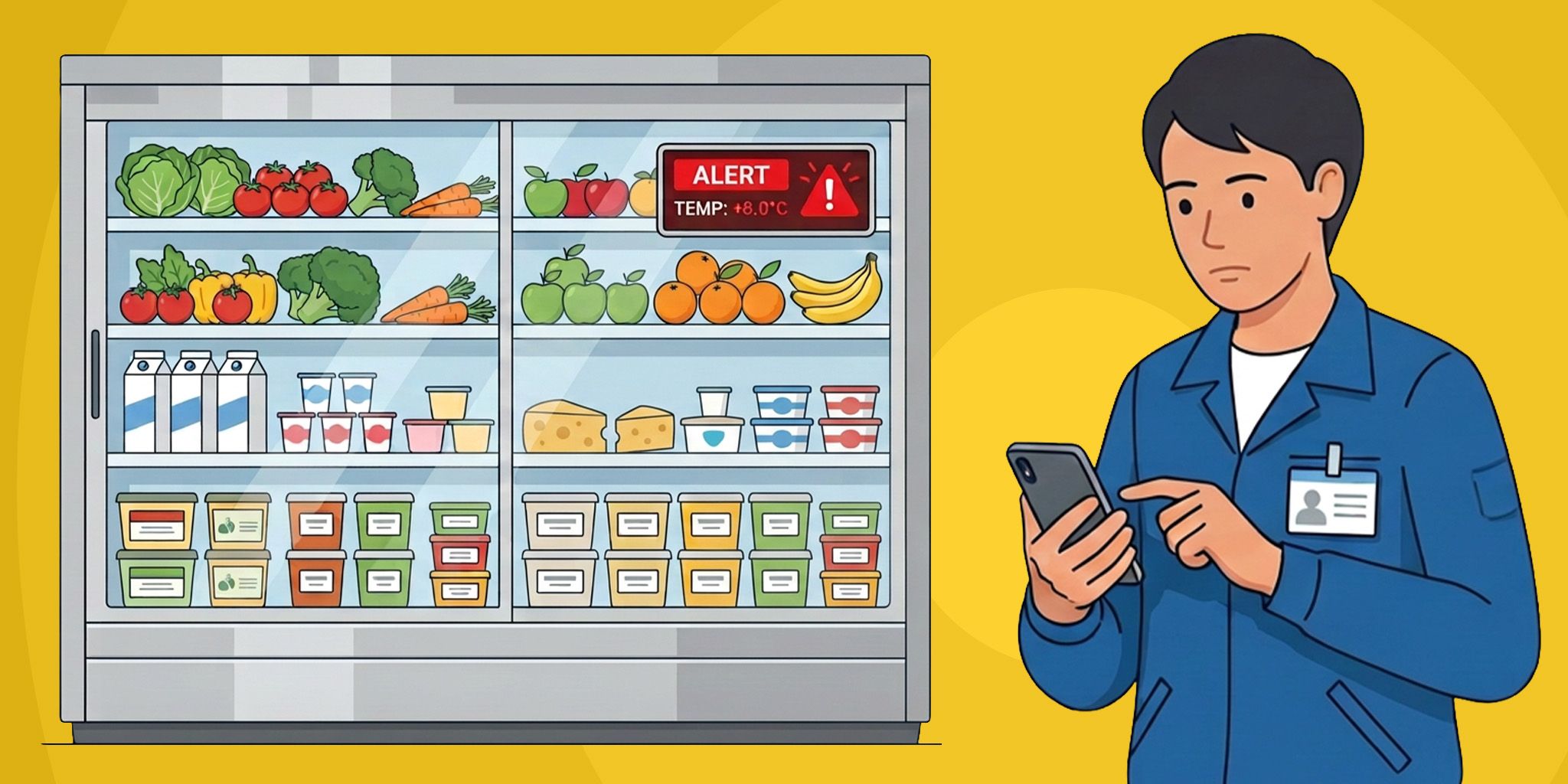
Asset Monitoring for Refrigeration Equipment
Protect refrigerated assets and maintain product quality with automated, real-time equipment monitoring.
Protect refrigerated assets and maintain product quality with automated, real-time equipment monitoring.
SmartSense by Digi
SmartSense by Digi
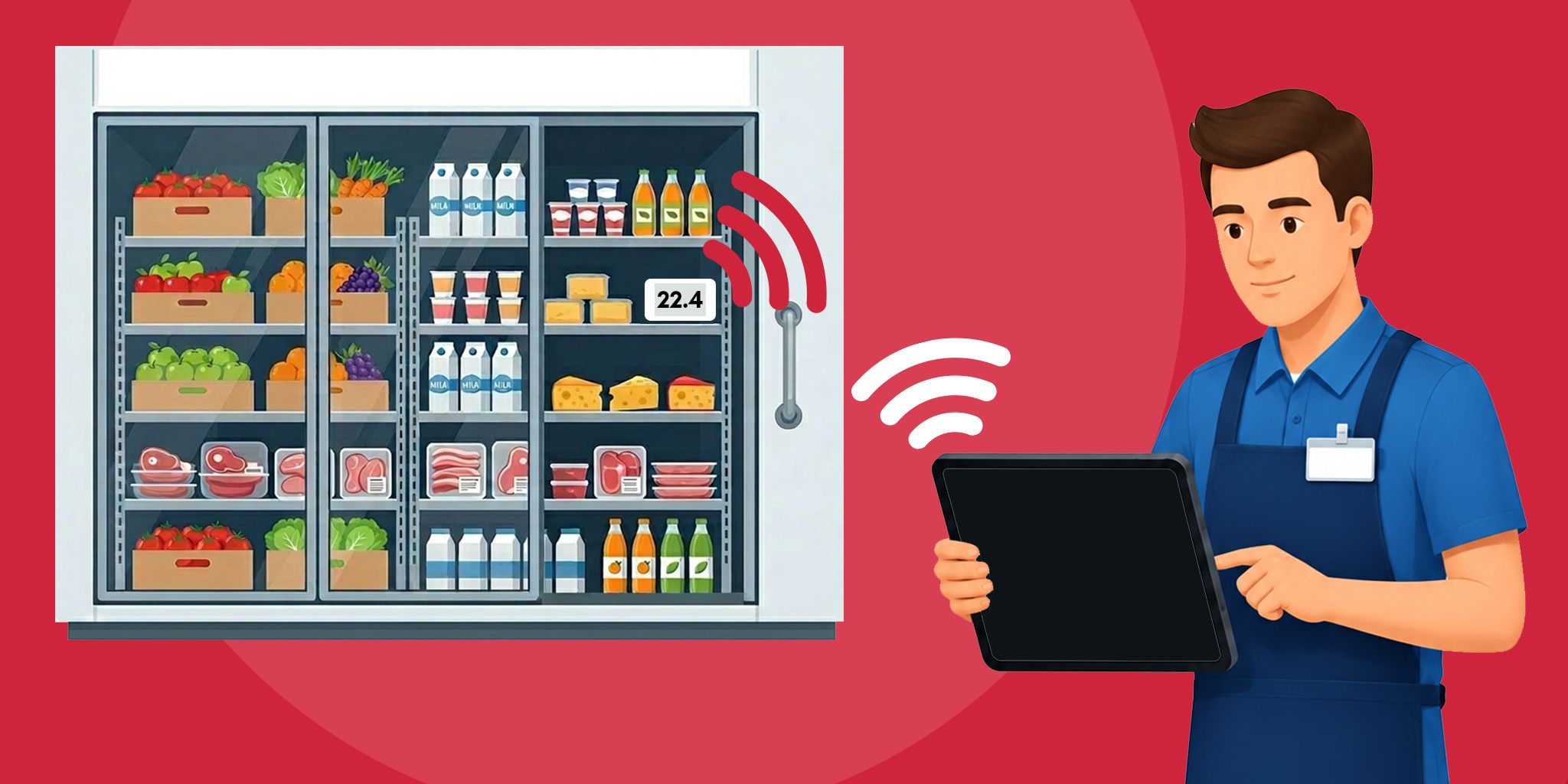
Food Safety Monitoring
Ensure food safety and eliminate manual processes with automated compliance and food condition tracking.
Ensure food safety and eliminate manual processes with automated compliance and food condition tracking.
SmartSense by Digi
SmartSense by Digi
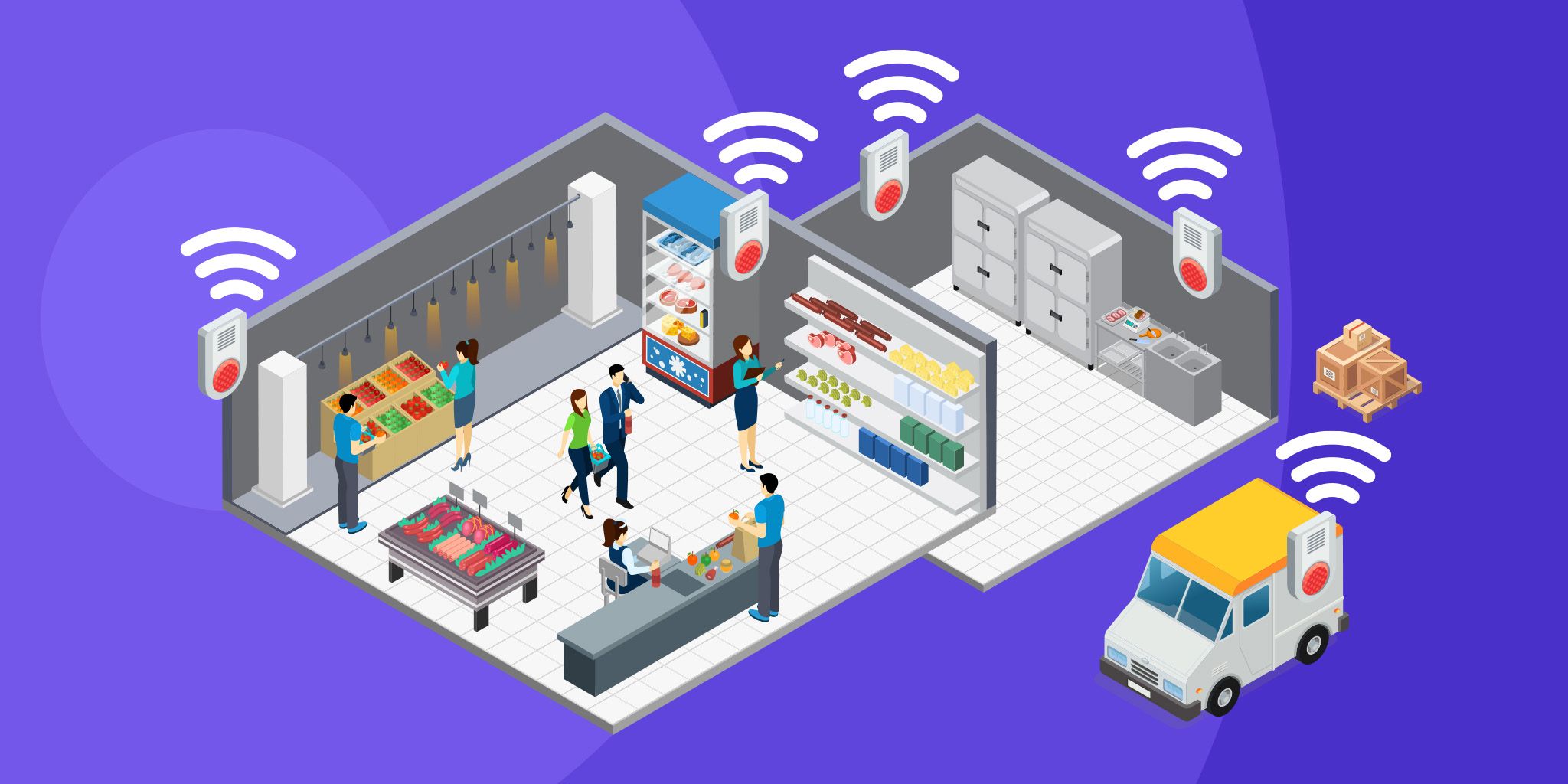
Sensing-as-a-Service for Grocery Stores
Environmental monitoring, compliance tracking, and real-time alerts to help grocers protect perishable goods and streamline labor.
Environmental monitoring, compliance tracking, and real-time alerts to help grocers protect perishable goods and streamline labor.
SmartSense by Digi
SmartSense by Digi

Related Solutions
Supply Chain & Logistics
Asset Monitoring for Refrigeration Equipment
Protect refrigerated assets and maintain product quality with automated, real-time equipment monitoring.
SmartSense by Digi
Retail
Food Safety Monitoring
Ensure food safety and eliminate manual processes with automated compliance and food condition tracking.
SmartSense by Digi
Retail
Sensing-as-a-Service for Grocery Stores
Environmental monitoring, compliance tracking, and real-time alerts to help grocers protect perishable goods and streamline labor.
SmartSense by Digi