



SHM Software: Real-Time Monitoring and Predictive Maintenance in Smart Infrastructure
SHM Software: Real-Time Monitoring and Predictive Maintenance in Smart Infrastructure

- Last Updated: December 11, 2025
SURVIOT Monitoring
- Last Updated: December 11, 2025

As global infrastructure ages, maintaining safety and reliability becomes increasingly complex. Bridges, tunnels, and urban structures face constant stress from traffic, weather, and environmental change — making traditional, periodic inspections less effective.
This challenge has accelerated the rise of Structural Health Monitoring (SHM) software, powered by IoT sensors, real-time analytics, and AI-driven insights. By continuously capturing structural data, SHM platforms enable engineers to move from reactive maintenance to proactive, data-based strategies.
Modern cloud-based SHM systems integrate sensors, data analytics, and visualization into a unified platform, transforming how we monitor and manage physical assets.
What Is SHM Software and How Does It Work?
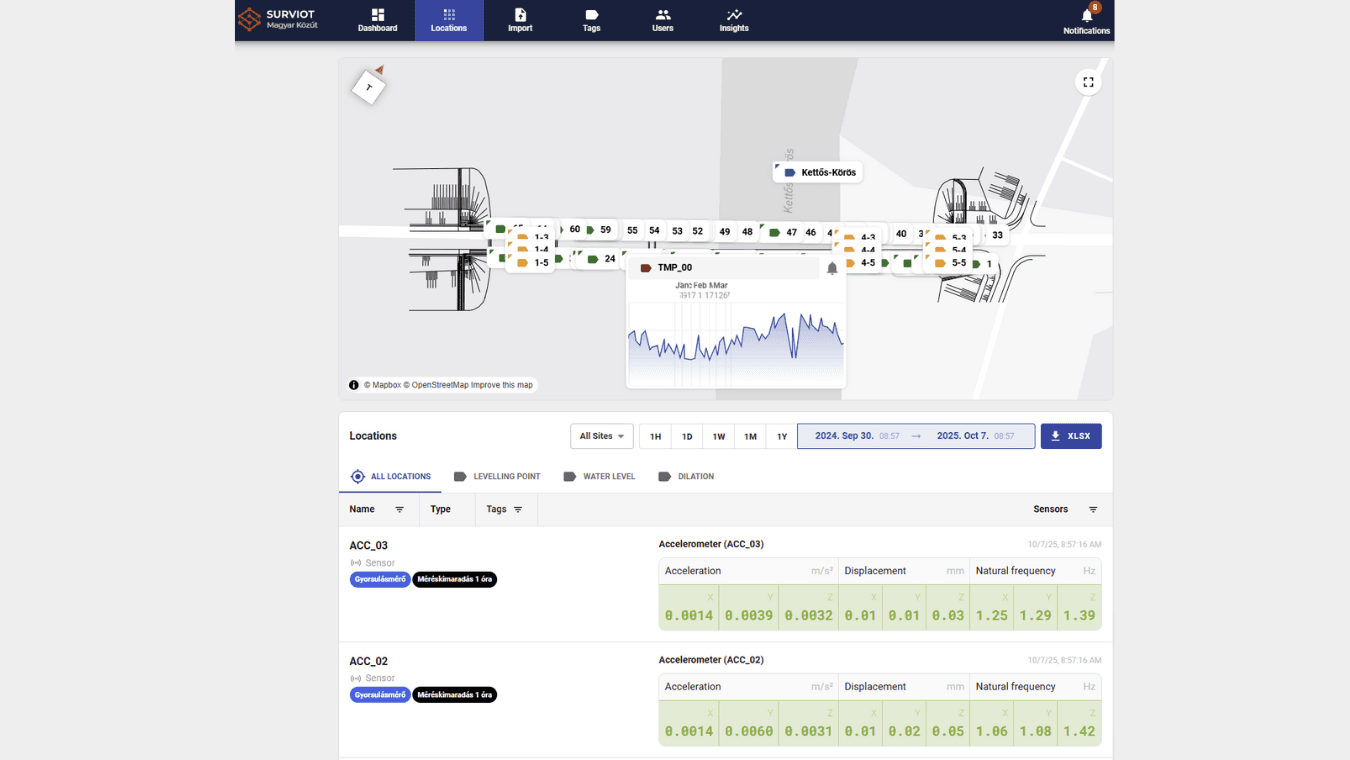
Structural Health Monitoring (SHM) software collects and analyzes physical data from structures in real time. Using a network of IoT sensors—such as GNSS, strain gauges, and accelerometers—it measures vibration, deformation, and other physical parameters to assess structural integrity.
Each sensor transmits its readings wirelessly to a central cloud platform, where data is processed, visualized, and compared against baseline models. Engineers can then identify anomalies, detect potential damage, and plan maintenance based on real evidence rather than assumptions.
This kind of real-time structural monitoring is scalable and adaptable, supporting various infrastructure types—bridges, tunnels, buildings, or even city-wide systems.
For example, an SHM software platform may connect hundreds of sensors across multiple bridges, feeding continuous data into an infrastructure monitoring dashboard for instant analysis and alerts.
The Role of IoT and AI in SHM
The true power of SHM lies in IoT connectivity and AI-powered data analysis. IoT enables a constant flow of high-resolution data from sensors deployed across large or remote structures. AI and machine learning models then interpret this data, identifying patterns and predicting potential failures before they occur.
By integrating sensor data analytics and automated structural assessment, engineers can:
- Detect anomalies early
- Evaluate the impact of load, vibration, or temperature changes
- Simulate extreme conditions using digital twins
- Reduce maintenance costs and improve operational safety
This predictive approach not only enhances reliability but also contributes to sustainability by extending the lifespan of critical assets.
Cloud-Based SHM Systems and Digital Twins
Cloud technology enables engineers to manage data from multiple sites simultaneously. A cloud-based SHM system allows for:
- Centralized, scalable data storage
- Real-time performance evaluation
- Automated alerts and reporting
- Seamless integration with IoT and BIM systems
Through digital twins for structural health technologies, operators can simulate how structures behave under stress or time. This creates a virtual mirror of the physical asset—helping identify where intervention is needed most.
Applications of SHM Software
1. Bridge Monitoring Software
Bridges are critical yet vulnerable assets, subject to constant environmental and mechanical stress. Bridge monitoring software allows for continuous measurement of strain, tilt, and vibration at multiple points. Engineers can act on data-driven insights, detect deterioration early, and reduce downtime without relying solely on manual inspections.
2. Civil Infrastructure Monitoring
In tunnels, dams, and public facilities, IoT-based SHM systems enhance safety by continuously monitoring structural performance under dynamic loads. By automating data collection and analysis, civil infrastructure monitoring software reduces inspection risks and provides decision-makers with immediate feedback.
3. Smart City SHM Platforms
Urban environments require integrated monitoring across bridges, buildings, and other public structures. A smart city SHM platform connects these assets into a single, cloud-managed network. Real-time data helps municipalities detect risks, optimize maintenance, and plan infrastructure upgrades efficiently.
From Data to Decisions
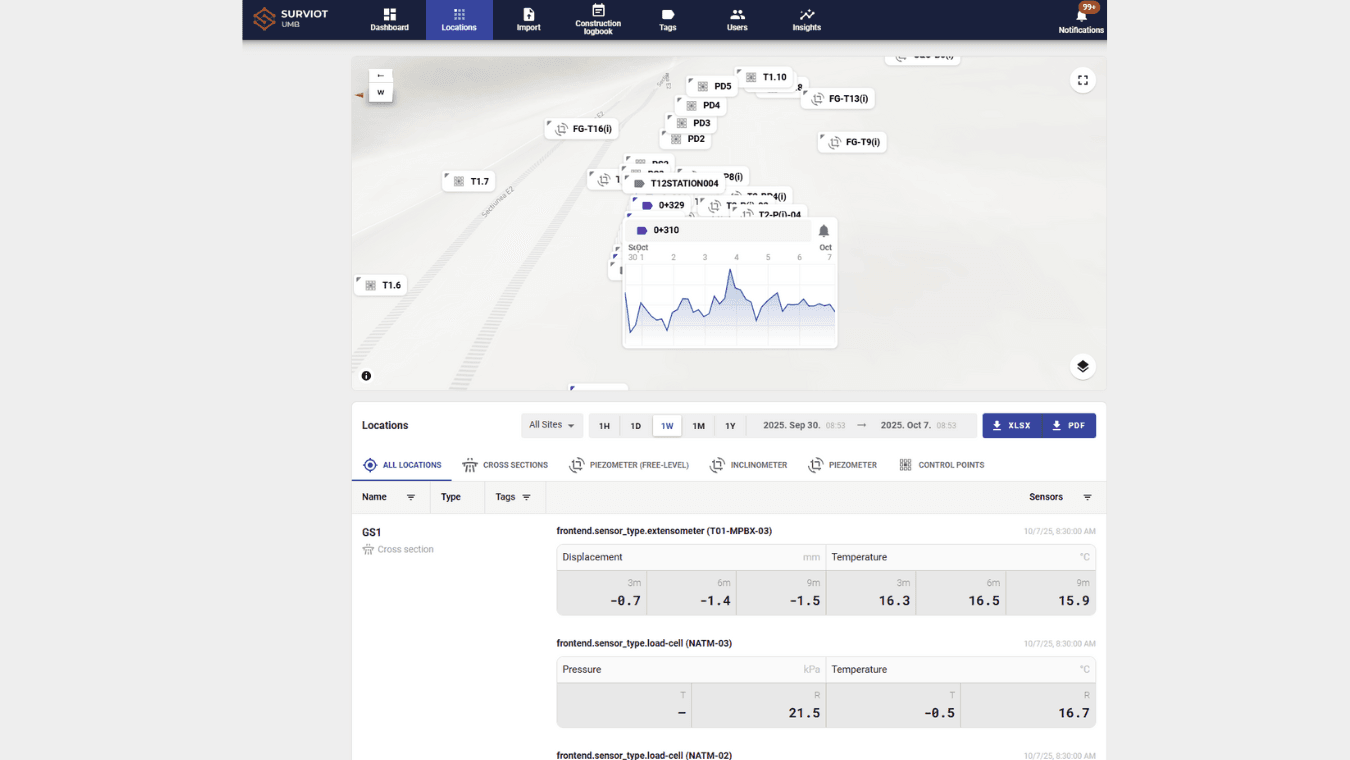
Data is only valuable when it leads to action. Data visualization for infrastructure monitoring translates complex measurements into clear dashboards, allowing quick decisions and automated alerts.
A well-designed infrastructure monitoring dashboard highlights deviations, performance trends, and structural anomalies—helping teams maintain focus on safety, stability, and efficiency.
Predictive Maintenance: The Next Step
Traditional maintenance methods depend on scheduled inspections. Predictive maintenance, powered by AI-based SHM software, changes that paradigm. With predictive analytics, operators can:
- Reduce unplanned outages
- Extend the operational lifespan of structures
- Optimize maintenance schedules
- Prevent costly emergencies
Ultimately, predictive maintenance transforms infrastructure management from reactive to preventive.
The Future of SHM Software
The next generation of SHM software will merge IoT, AI, and BIM (Building Information Modeling) into a unified ecosystem. These systems will not only measure but also learn and adapt, turning data into automated decisions.
As cities and companies invest in smarter, more resilient infrastructure, real-time SHM technology will become the backbone of sustainability, safety, and innovation.

The Most Comprehensive IoT Newsletter for Enterprises
Showcasing the highest-quality content, resources, news, and insights from the world of the Internet of Things. Subscribe to remain informed and up-to-date.

New Podcast Episode

Building Real-Time Voice AI Experiences

Related Articles

Related Solutions
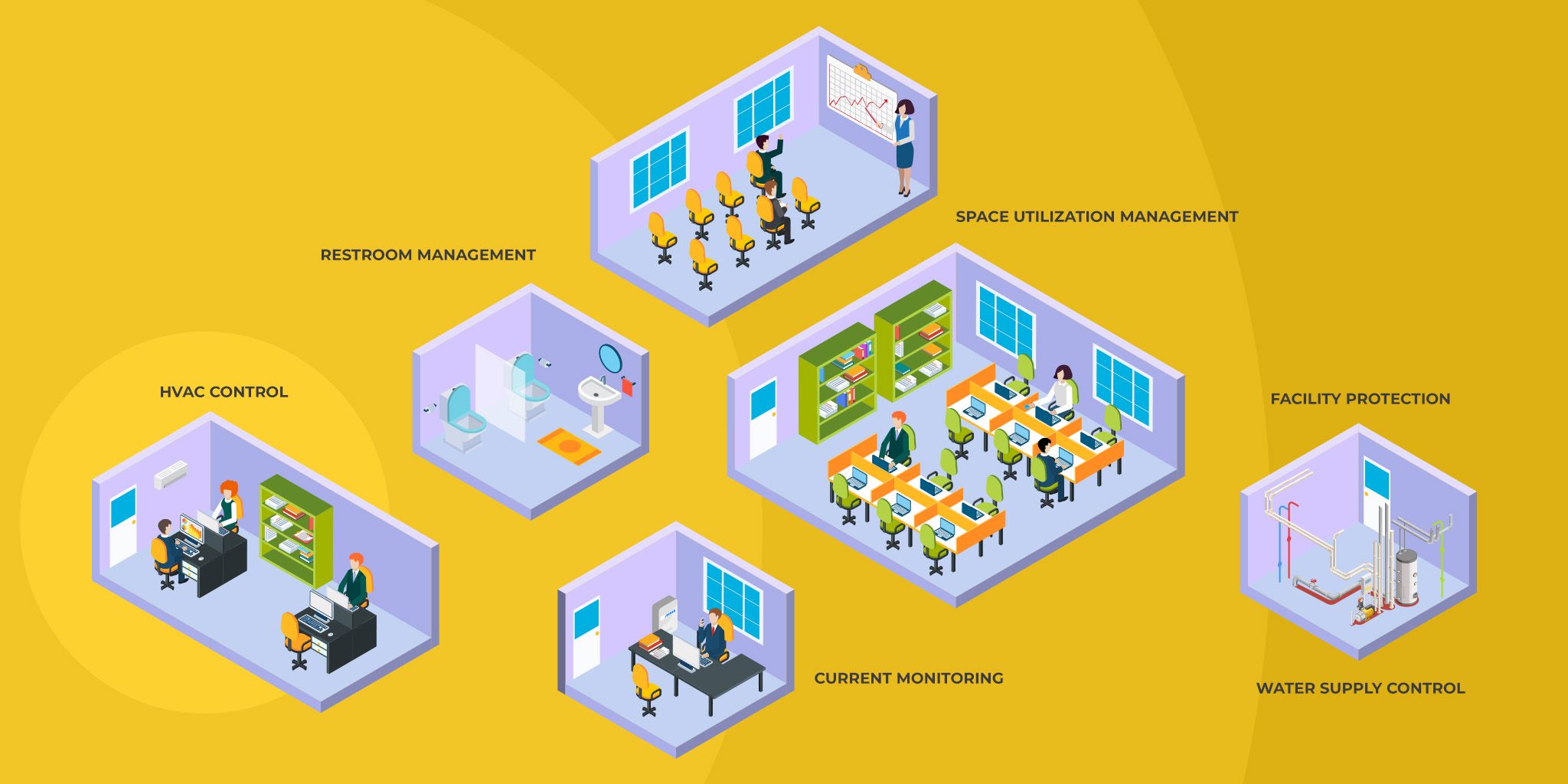
Smart Facility Management
Real‑time data and intelligent automation for efficient and sustainable building operations. Reduce risk, improve occupant comfort, and ensure optimal performance.
Real‑time data and intelligent automation for efficient and sustainable building operations. Reduce risk, improve occupant comfort, and ensure optimal performance.
Milesight
Milesight

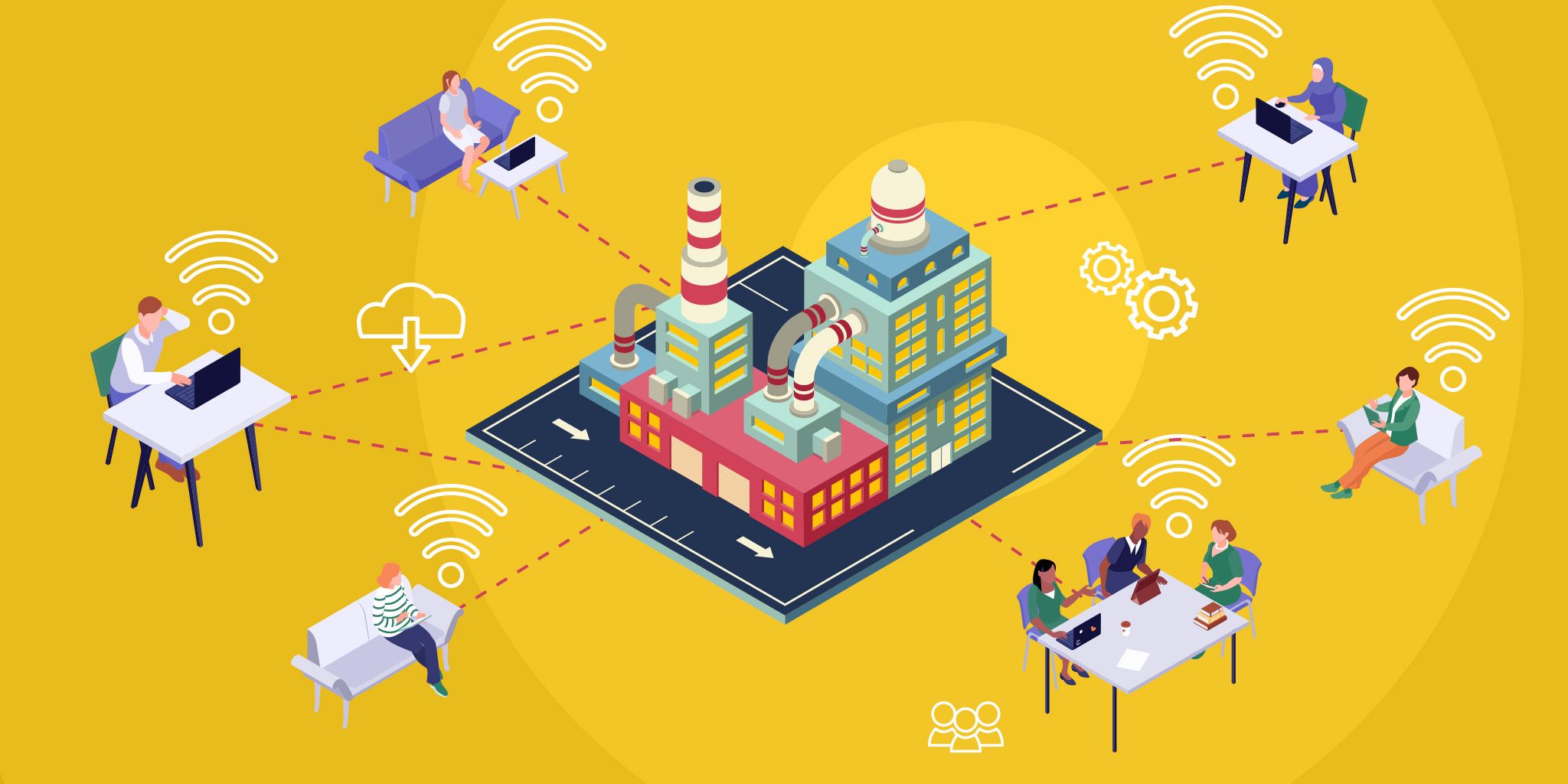
Asset Performance Management for Manufacturers
Monitor, manage, and optimize your equipment with real‑time health checks, predictive maintenance, and lifecycle tracking.
Monitor, manage, and optimize your equipment with real‑time health checks, predictive maintenance, and lifecycle tracking.
IoT83
IoT83

Pump and Motor Monitoring and Intelligence
Discover time-to-failure insights, track degradation, and prevent downtime with real-time monitoring and predictive AI.
Discover time-to-failure insights, track degradation, and prevent downtime with real-time monitoring and predictive AI.
VROC
VROC

Related Solutions
Buildings & Facilities
Smart Facility Management
Real‑time data and intelligent automation for efficient and sustainable building operations. Reduce risk, improve occupant comfort, and ensure optimal performance.
Milesight
Manufacturing
Asset Performance Management for Manufacturers
Monitor, manage, and optimize your equipment with real‑time health checks, predictive maintenance, and lifecycle tracking.
IoT83
Industrial
Pump and Motor Monitoring and Intelligence
Discover time-to-failure insights, track degradation, and prevent downtime with real-time monitoring and predictive AI.
VROC