



How Smart Sensors Are Enabling The Next Generation Of Autonomous Systems
How Smart Sensors Are Enabling The Next Generation Of Autonomous Systems

- Last Updated: May 18, 2026
Marotta Controls
- Last Updated: May 18, 2026
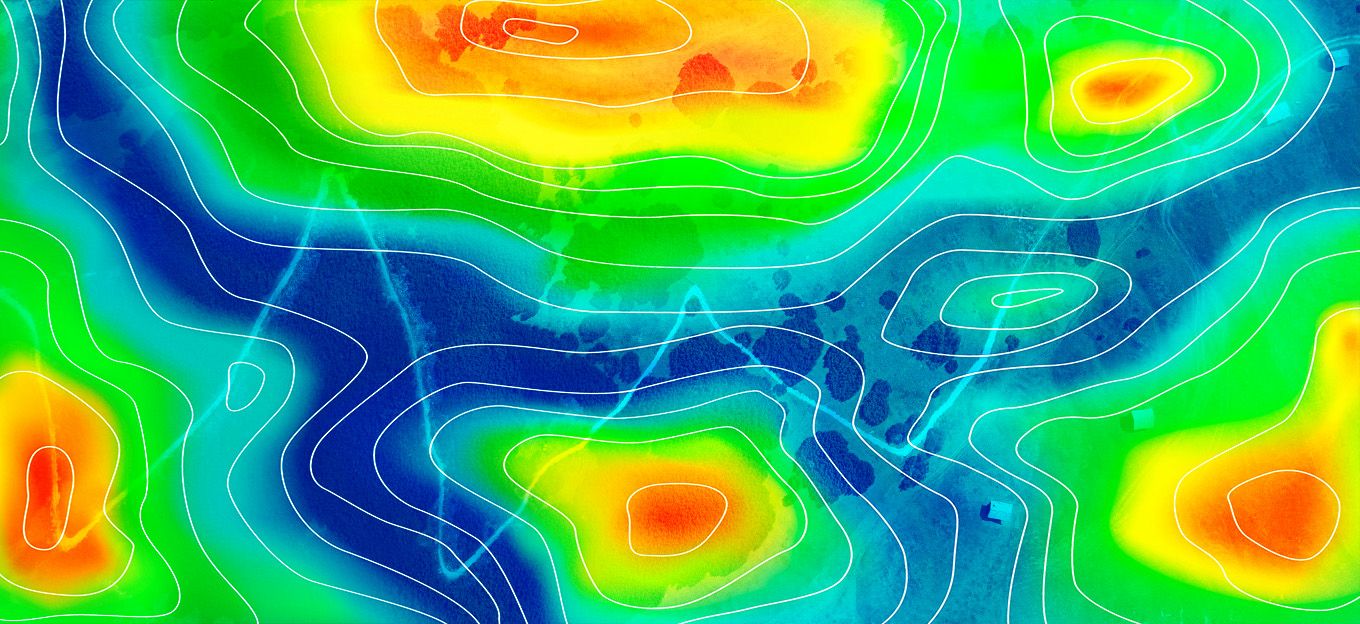
System automation has its fingers in virtually every industry, with applications ranging from office lighting to robotics and manufacturing. Autonomous systems were something of a joke for years due to the technology's inconsistent and unpredictable performance.
That viewpoint is changing dramatically, due to the introduction of smart sensors and other tools. Engineers place smart sensors into IoT devices to gain greater information about the environment and other conditions necessary for appropriate function. This guide shows how these technologies are leading to rapid innovation in autonomous systems.
Advanced Sensing Technologies Revolutionizing Autonomy
Sensing technology has improved significantly in the past few years. Each of these innovations fits together into a whole that increases the quality, speed, and accuracy of autonomous systems. IoT devices integrating these advanced sensing technologies can increase operational efficiency and performance in industries like transportation, security, and manufacturing.
LiDAR
Understanding the environment starts with an accurate 3D representation. Light detection and ranging, commonly known as LiDAR, is an advanced sensing technology relying on lasers. The system generates laser pulses of light that bounce off surfaces to estimate size and general appearance.
This tool is a critical element of modern flight for planes and helicopters, as well as for mapping the ocean floor and other generally inaccessible areas. It can improve emergency response and accurate navigation, as well as increase human and robotic awareness of each space.
Cameras
Cameras used to require a human to evaluate footage and determine the relevance of any image, but advanced sensing technology has automated many of these responsibilities. A modern camera with IoT sensors and other tools can provide remote monitoring, local processing of data, and smart alerts.
High-definition video offers robots opportunities to identify obstacles and even engage with humans or pass messages to other locations. These tools are important elements of surveillance and security, to ensure that the footage provides an accurate representation and alerts for humans to take action.
Motion Sensors
Autonomous transportation is becoming a greater part of present community function. People are increasingly dependent on autonomous vehicles for deliveries, assessment of areas inhospitable to humans, and even the transport of passengers.
Safe use involves the integration of motion sensors into IoT devices. Motion sensors detect movement, assessing distance and other attributes. This technology allows the vehicle to avoid hitting obstacles or moving objects, which can help to protect the equipment and minimize disruption in the immediate environment.
Edge-Enabled IoT Devices
Building systems that increase autonomy often requires IoT technology and edge computing. Edge computing describes the integration of data collection and processing within a shorter range to reduce latency and improve the quality of the response. With edge-enabled devices, robots can identify hazards or obstacles more rapidly, so they can pivot to a safer position, critical for use in transportation.
These devices also contribute to more effective production in the manufacturing of critical devices like compressor systems, as the equipment can meet more of its own needs without requiring human intervention.
Building the autonomous system of the future demands local data management and immediate processing. As communities and businesses become more dependent on automated systems, accuracy, security, and safety become critical aspects of equipment function.
By considering the ways that smart sensors fit into the greater picture of autonomy, it is possible to understand how these devices continue to revolutionize industry after industry.

The Most Comprehensive IoT Newsletter for Enterprises
Showcasing the highest-quality content, resources, news, and insights from the world of the Internet of Things. Subscribe to remain informed and up-to-date.

New Podcast Episode

Building Real-Time Voice AI Experiences

Related Articles


Related Solutions
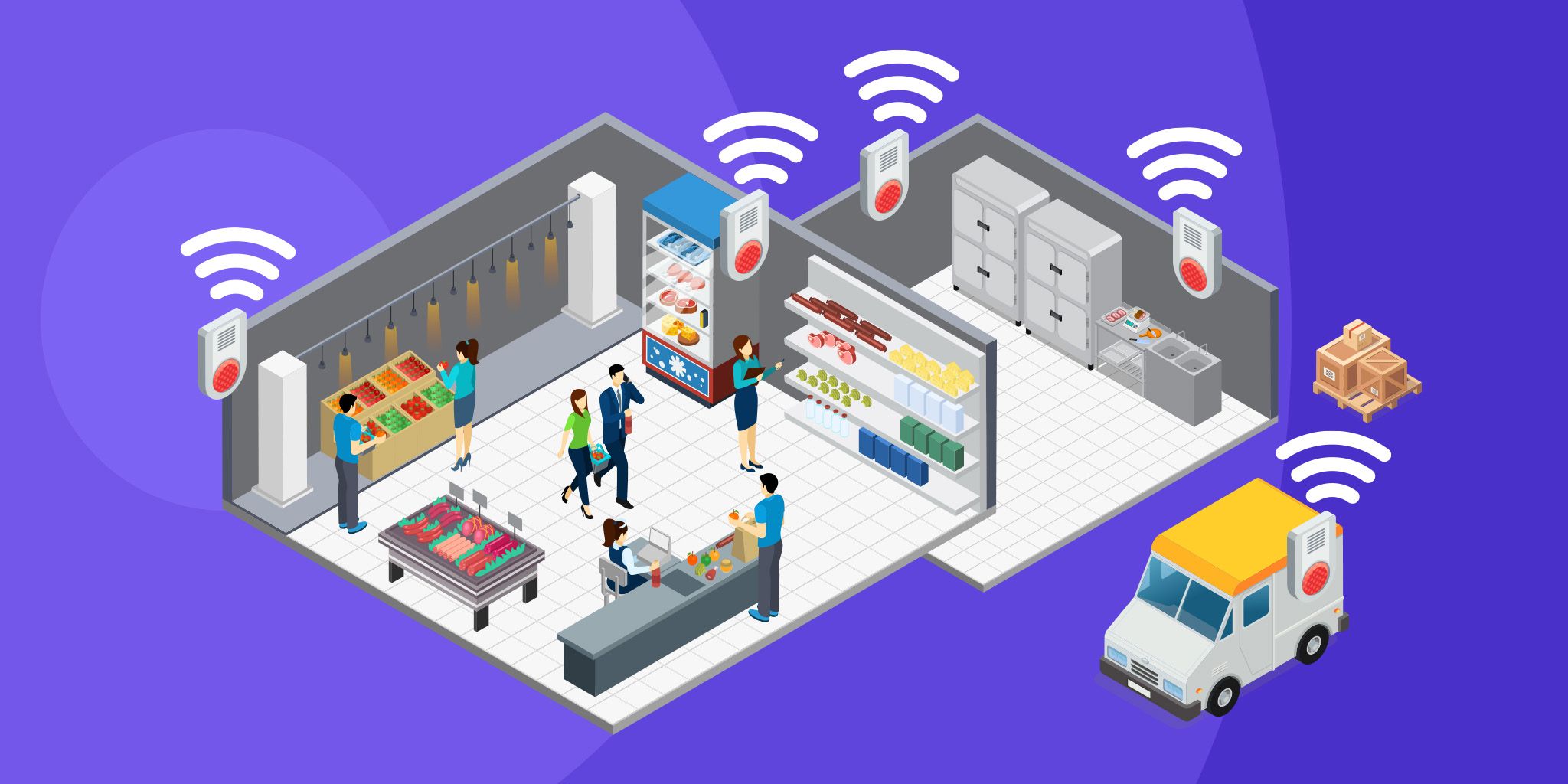
Sensing-as-a-Service for Grocery Stores
Environmental monitoring, compliance tracking, and real-time alerts to help grocers protect perishable goods and streamline labor.
Environmental monitoring, compliance tracking, and real-time alerts to help grocers protect perishable goods and streamline labor.
SmartSense by Digi
SmartSense by Digi
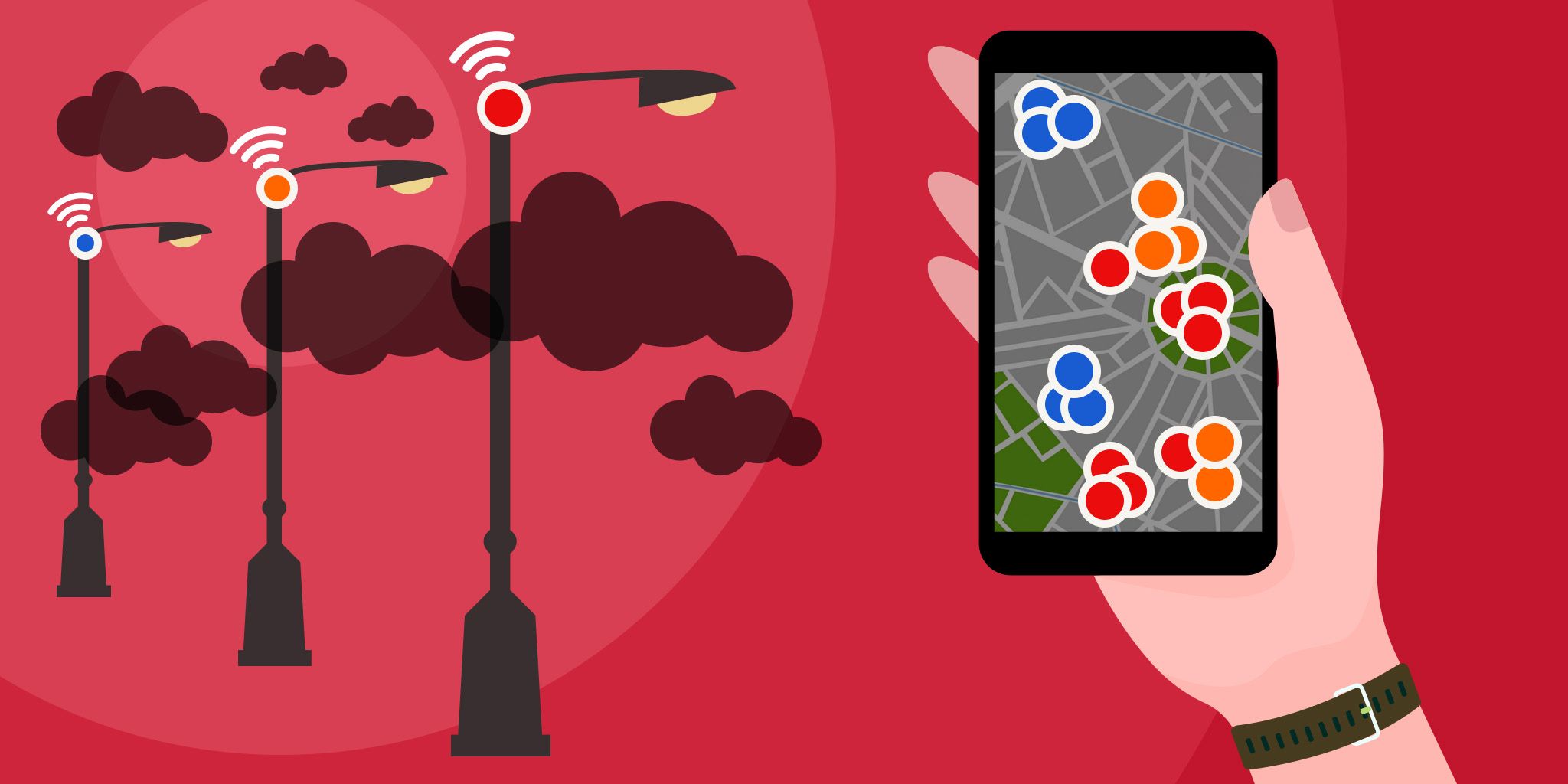
Air Quality Monitoring for Cities
Empowers governments to improve public health and achieve clean air goals with real‑time, hyperlocal pollution data.
Empowers governments to improve public health and achieve clean air goals with real‑time, hyperlocal pollution data.
SODAQ
SODAQ

Related Solutions
Retail
Sensing-as-a-Service for Grocery Stores
Environmental monitoring, compliance tracking, and real-time alerts to help grocers protect perishable goods and streamline labor.
SmartSense by Digi
Smart Cities
Air Quality Monitoring for Cities
Empowers governments to improve public health and achieve clean air goals with real‑time, hyperlocal pollution data.
SODAQ