How Smart Sensors Are Streamlining Complex Commercial Insurance
How Smart Sensors Are Streamlining Complex Commercial Insurance

- Last Updated: March 9, 2026
Devin Partida
- Last Updated: March 9, 2026

Verifying what happened before an entity made a commercial insurance claim is not always easy. Until recently, representatives gathering the relevant information had to rely on customer accounts of the circumstances, along with supplementary data like police reports.
Things have changed due to the rise of connected sensors, which collect real-time data that allows insurers to confirm events and even mitigate risks before customers have reasons to file claims.
Incentivizing Safe Behaviors
Everyone wins when commercial drivers consistently demonstrate safe behaviors. The outcomes should reduce accidents, leading to fewer claims and a lower likelihood of people experiencing life-altering consequences after being involved in wrecks.
The ability to track how operators act behind the wheel allows insurance companies to determine whether a particular individual may have an above-average risk of getting into a crash or posing a threat to themselves and others.
Customers can also benefit, such as if the compiled data shows they consistently drive safely. In one example, two companies collaborated to offer an insurance product for commercial truck customers that relies on real-time telematics data. Participants can receive discounts of up to 10 percent on their premiums.
Because many platforms collect information on events such as hard braking, sharp turns, abrupt stops, and quick acceleration, insurance companies quickly obtain information that suggests whether particular drivers demonstrate aggressive tendencies.
If fleet managers also use similar tracking mechanisms, they can decide when individuals need one-on-one coaching or if drivers’ busy schedules may make them too tired to remain safe while operating their vehicles.
Getting Accurate Information About the Reasons for Claims
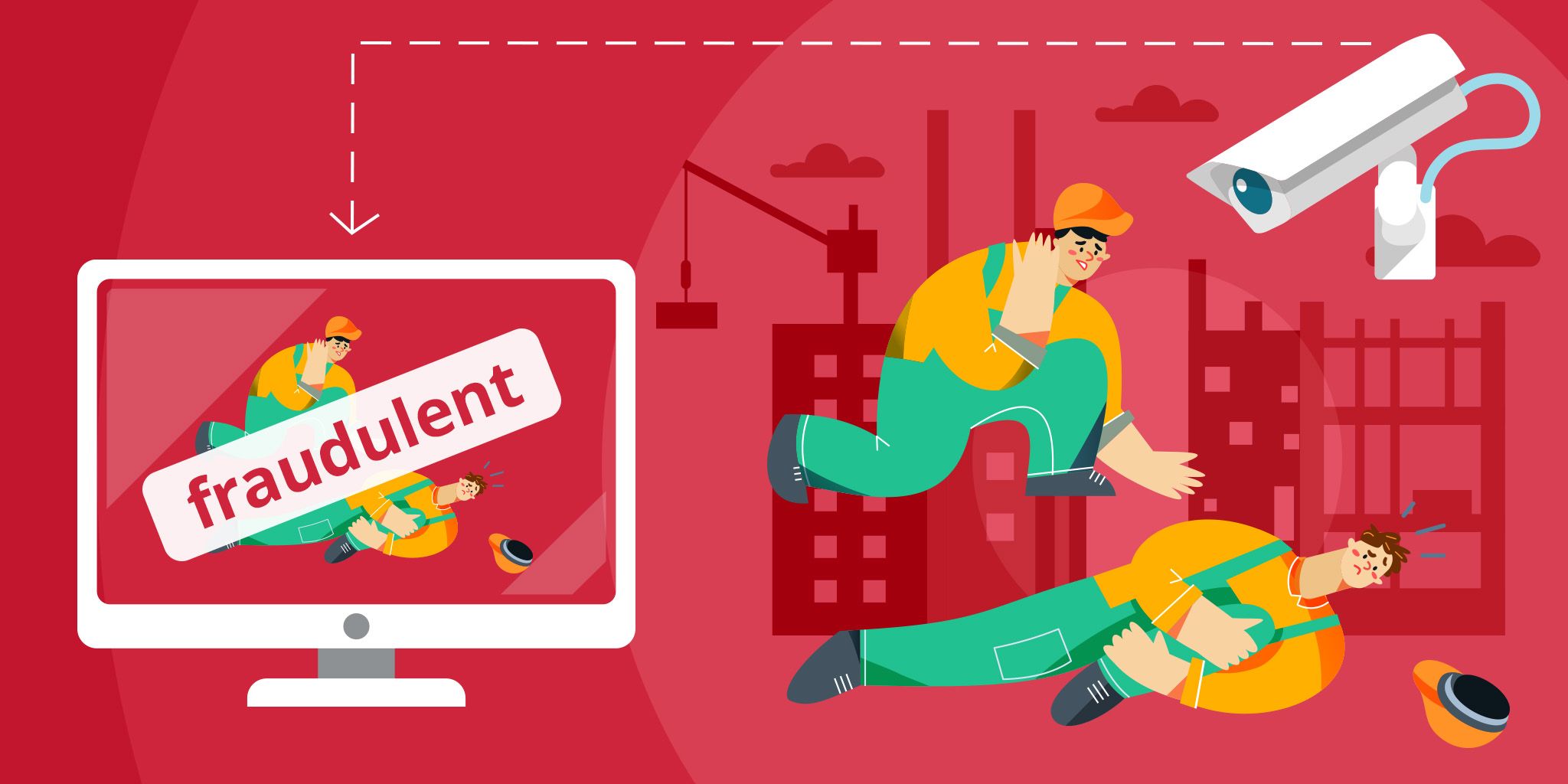
Insurance company leaders know that fraud is a genuine concern. Many use technology like artificial intelligence algorithms and data analytics platforms to pinpoint whether a claim is legitimate or requires further investigation.
Connected sensors enhance these processes by providing in-depth information about the surrounding environment. It may include temperature, moisture levels, and even unusual sounds, such as those linked to potential break-ins.
Insurance companies already verify customers’ claims in other ways, such as sending adjusters to assess the damage before approving someone's claim. Affected parties may similarly protect their interests by hiring independent adjusters. Many will assess damage for free and then take an average of 10 percent of the final settlement amount as their fee.
Connected sensors will not replace human insights, but they can provide more context for adjusters' assessments while increasing the likelihood that only valid claims are paid out.
Some options even offer proactive information, like warnings about a burst pipe that occurred when a commercial building was closed for the weekend or season. If the property owners did not have that information, they would not know when the water damage started, or even that it happened.
In one case, decision-makers at the Ellis Island Museum deployed sensors for 24/7 monitoring via a wireless network. These additions allowed staff to detect and remediate unusual moisture throughout the building. The relevant insurer also rewarded this commercial customer with deductible relief and premium credits.
Obtaining Property: Level Insights While Protecting Privacy
Before the widespread availability of connected sensors, many insurers decided whether to offer coverage to a commercial client based on relatively broad geographic information, such as details associated with specific ZIP codes.
Technological progress has unlocked tremendous granularity, enabling insurance company representatives to pinpoint risks for individual properties. That data helps them create detailed profiles that reveal the likelihood that natural disasters will significantly threaten a specific apartment building, for example.
One entity has used its technology to collect data about 2.4 billion building footprints and identify the flood and wildfire risks across Europe and North America. It specializes in a process called geocoding, which has become more popular in the commercial insurance industry because it allows users to move beyond studying general areas. This business analyzes risks after confirming the location of a specific property's rooftop.
It also adheres to specific procedures to safeguard privacy, including the removal of personal data. Such steps have become increasingly important, especially as more consumers realize they cannot always trust brands and other external entities to protect sensitive information.
Exploring the Link Between Privacy and Customer Willingness
Commercial clients may initially like the idea of paying less for insurance after agreeing to have sensors installed or property-level assessments performed. Any enthusiasm will likely wane if they worry about their information being sold or leaked without their consent or knowledge.
Many sensors — including some used by commercial insurers — collect health data, which often contains extraordinarily personal details. Companies may use it to encourage employees to make healthier choices, like increasing their exercise or cutting down on junk food, in exchange for points redeemable for perks.
Many wearable device brands establish data-sharing practices with third-party companies. These agreements may raise privacy risks as more businesses handle sensitive data. Insurers interested in using connected sensors must understand potential concerns and actively reduce them where possible.
Reducing Complexity with Real-World Data
Countless factors may raise the complexity of commercial insurance claims. Professionals working in this industry must find reliable ways to maintain accuracy and trustworthiness while boosting productivity.
Connected sensors help by removing much of the ambiguity surrounding submitted claims. Combining that collected data with human expertise brings mutually beneficial outcomes for customers and insurance company team members.

The Most Comprehensive IoT Newsletter for Enterprises
Showcasing the highest-quality content, resources, news, and insights from the world of the Internet of Things. Subscribe to remain informed and up-to-date.

New Podcast Episode

Building Real-Time Voice AI Experiences

Related Articles