



The Role of Software-Defined Connectivity in Remote Patient Monitoring
The Role of Software-Defined Connectivity in Remote Patient Monitoring

- Last Updated: April 10, 2026
Monogoto
- Last Updated: April 10, 2026
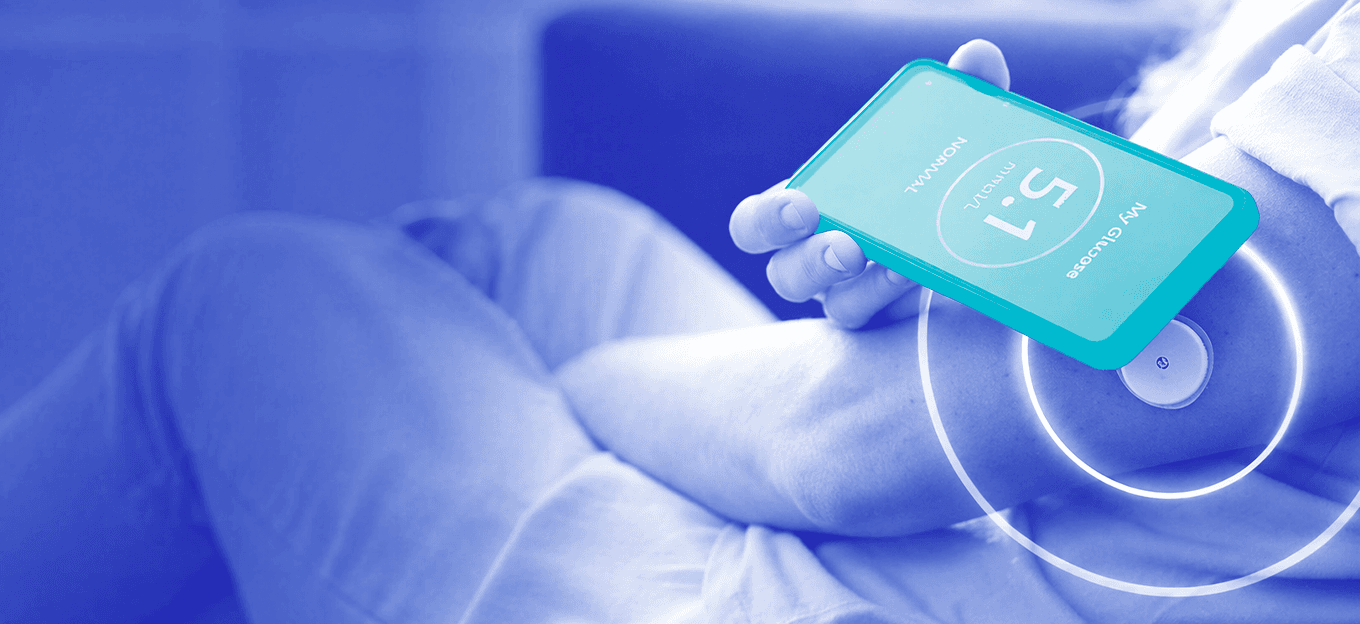
Why cellular-first, API-managed connectivity is the key to scaling RPM, wearables, and connected health devices
Remote patient monitoring (RPM) is experiencing explosive growth. Driven by expanding reimbursement models, aging populations, and the proven clinical value of continuous data, healthcare providers are deploying tens of thousands of connected devices into patients’ homes: blood pressure cuffs, glucose monitors, pulse oximeters, cardiac monitors, and a rapidly expanding ecosystem of wearables.
The devices are ready. The care models are proven. The clinical outcomes are measurable. But at scale, one thing consistently breaks: the connectivity.
This is the overlooked challenge in remote patient monitoring. The most sophisticated monitoring device in the world is useless if it cannot reliably transmit its data, especially for the patients who need it the most — elderly patients, chronic care patients, and those in rural or underserved areas.
As healthcare delivery shifts further into the home, connectivity can no longer be treated as an afterthought. It has become woven into the clinical, operations and patient experience layers of healthcare.
That’s where software-defined connectivity changes the equation.
The WiFi Bottleneck in RPM No One Wants to Talk About
Most RPM platforms today are designed around a WiFi-first connectivity model.
The assumption is straightforward: the patient has a home internet connection, the device pairs to their router, and data flows to the cloud.
In a demo setting, this works flawlessly. However, in the real-world, it is the single largest source of friction, support costs, and patient dropout in RPM programs.
Consider your typical RPM patient: a 74 year old managing hypertension and early-stage heart failure. Her physician prescribes a connected blood pressure cuff to transmit daily readings to her care team. Her physician prescribes a connected blood pressure cuff to transmit daily readings to her care team. When the device arrives, she is immediately met with the hurdle of connecting it to her WiFi. This requires finding a password, navigating a complex setup process, or troubleshooting issues like router resets and firmware updates. For many elderly patients, these technical barriers are enough to cause them to abandon the program entirely.
RPM providers are aware of this friction. To overcome this, they invest in call centers, home technicians, and build elaborate onboarding flows with simplified instructions. However, these workarounds add cost, delay time-to-data, and still result in significant attrition.
The fundamental problem is not the onboarding process, but rather the architectural decision to make the patient responsible for maintaining the network connection their medical device depends on.
Cellular: The Always-On Connectivity Layer for RPM
Cellular connectivity eliminates this entire category of WiFi problems. With embedded cellular, the device powers on, connects automatically, and begins transmitting.
- No passwords.
- No routers.
- No support calls.
The patient’s only responsibility is to use the device as directed.
This is far more than a UX improvement. It is a fundamental shift in how RPM programs can scale. When you remove the connectivity burden from the patient, you remove the single biggest barrier to sustained engagement, particularly among elderly populations where RPM delivers the highest clinical value.
It also provides something Wi-Fi alone cannot: always-on fallback resilience.
WiFi may be the primary data path when available, but acts as the always-connected backdoor. When a patient’s router goes down, an ISP has an outage, or a device is accidentally unplugged, cellular ensures the device remains online and the care team stays informed. For healthcare, this fallback is not optional; it is essential. A patient with congestive heart failure cannot wait for their home internet to reconnect before their weight scale reports a dangerous fluid retention trend.
There is a common objection to cellular-first RPM regarding cost, but this concern is largely a relic of consumer data pricing models.
RPM devices transmit remarkably small amounts of data. A blood pressure reading is only a few hundred bytes. Glucose measurements are even smaller. Even continuous cardiac monitoring generates modest data volumes by cellular standards.
When paired with pooled data plans and software-defined controls, cellular often becomes more cost-effective than the support burden of Wi-Fi-first deployments.
Beyond RPM: The Connected Health Device Spectrum
While RPM devices represent the most immediate use case, the same connectivity challenge extends across a growing spectrum of connected health products. As connected healthcare expands, more device categories now require secure, always-on, location-independent connectivity.
- Clinical Wearables. Continuous glucose monitors, cardiac rhythm sensors, and activity trackers move with the patient across home, work, and travel. These devices cannot depend on any single WiFi network.
- Connected Therapeutic Devices. Smart inhalers, connected insulin pens, and medication adherence systems need reliable transmission to ensure care teams see real patient behavior - not missing data.
- Home Medical Equipment. CPAP machines, dialysis units, and oxygen concentrators increasingly rely on connectivity for remote monitoring, proactive maintenance, and care escalation.
- Point-of-Care Diagnostics. Portable testing devices used in pharmacies, mobile clinics, and field settings often operate in environments where WiFi may be unavailable or unreliable.
Across every category, the requirement is the same: reliable connectivity that follows the patient, not the building.
What Software-Defined Connectivity Changes
Cellular is the right transport for connected health. But putting a SIM card in a device is only the beginning. What transforms cellular from a basic utility into a true healthcare infrastructure layer is software-defined management — the ability to control, secure, debug, and continuously adapt the connectivity layer through APIs long after deployment.
Resiliency through multi-carrier failover. A single-carrier SIM is a single point of failure. Software-defined connectivity enables a single SIM to connect across multiple carriers, automatically selecting the strongest available network and failing over seamlessly when one degrades. For patients in rural areas with spotty single-carrier coverage, this can be the difference between a working device and a doorstop. For healthcare organizations, it means national and even global deployments without carrier-by-carrier negotiations.
API-Driven Recovery and Fleet Protection. When you are managing ten thousand connected blood pressure cuffs across twenty states, you cannot rely on manual troubleshooting. Software-defined connectivity provides a comprehensive API to provision devices, monitor connectivity health, detect anomalies, and trigger recovery workflows across thousands of endpoints in real time.
Comprehensive audit logs and debugging. Healthcare requires accountability for how patient data moves across networks. Software-defined connectivity captures detailed logs of every connection event, network transition, API request, and policy enforcement action.
When a compliance audit requires evidence of encryption enforcement or network segmentation, these logs are immediately available. When a device exhibits intermittent connectivity issues, engineers can trace the full history of its network behavior remotely — turning what would be a costly field investigation into a diagnostic query.
Data residency and regulatory compliance. HIPAA compliance for data in transit is non-negotiable. But as connected health programs scale across states and borders, the regulatory picture grows more complex. Data residency requirements, rules governing where patient data can be processed and routed, vary by jurisdiction and are becoming increasingly stringent. Software-defined connectivity enables granular control over data routing, ensuring that traffic is directed through approved networks and geographies. Encryption, access controls, and network segmentation are enforced at the connectivity layer itself, not bolted on at the application level.
Predictable, scalable economics. Healthcare margins on RPM programs are tight. Software-defined connectivity with pooled data plans and transparent pricing eliminates the overage surprises and contract complexity that come with traditional carrier relationships. Organizations can forecast connectivity costs accurately and scale confidently.
Post Launch Adaptability
One of the most significant advantages of software-defined connectivity is the flexibility it provides after devices ship.
In traditional connectivity models, manufacturing decisions, such as carrier selection, network configuration, and security policies, are often permanent. Modifying these later can require device recalls, SIM swaps, or firmware updates.
Software-defined connectivity removes these barriers by making the connectivity layer programmable through APIs and a centralized cloud platform. This allows healthcare teams to update routing rules, change carrier priorities, enforce new security policies, without ever touching the device.
This post-launch adaptability fundamentally shifts the risk profile of connected health product development. Teams can launch with confidence, knowing connectivity remains a living, improvable component of their product, rather than a fixed constraint.
In an industry shaped by evolving regulations and shifting threat landscapes, the ability to adapt in real-time is no longer a nice to have. It’s a competitive and clinical necessity.
Designing for the Patient, Not the Network
The true measure of RPM success is not the technology stack, it is whether patients actually use it. Engagement and adherence determine clinical outcomes, reimbursement performance, and long-term program viability. And nothing undermines engagement faster than connectivity friction.
When we design connectivity for healthcare, we need to start from a simple question: what does the patient experience? If the answer involves WiFi passwords, router troubleshooting, or app-based network configuration, failure has already been introduced.
Cellular-first, software-defined connectivity is not just a technical architecture choice. It is a patient experience decision. A clinical outcomes decision. A regulatory compliance decision.
It simplifies onboarding, reduces support burden, improves continuity of care, and future-proofs the product without asking the patient to do anything differently.
The devices are ready. The care models are proven. The reimbursement structures are in place. It’s time for the connectivity layer to catch up.

The Most Comprehensive IoT Newsletter for Enterprises
Showcasing the highest-quality content, resources, news, and insights from the world of the Internet of Things. Subscribe to remain informed and up-to-date.

New Podcast Episode

Building Real-Time Voice AI Experiences

Related Articles




Related Solutions
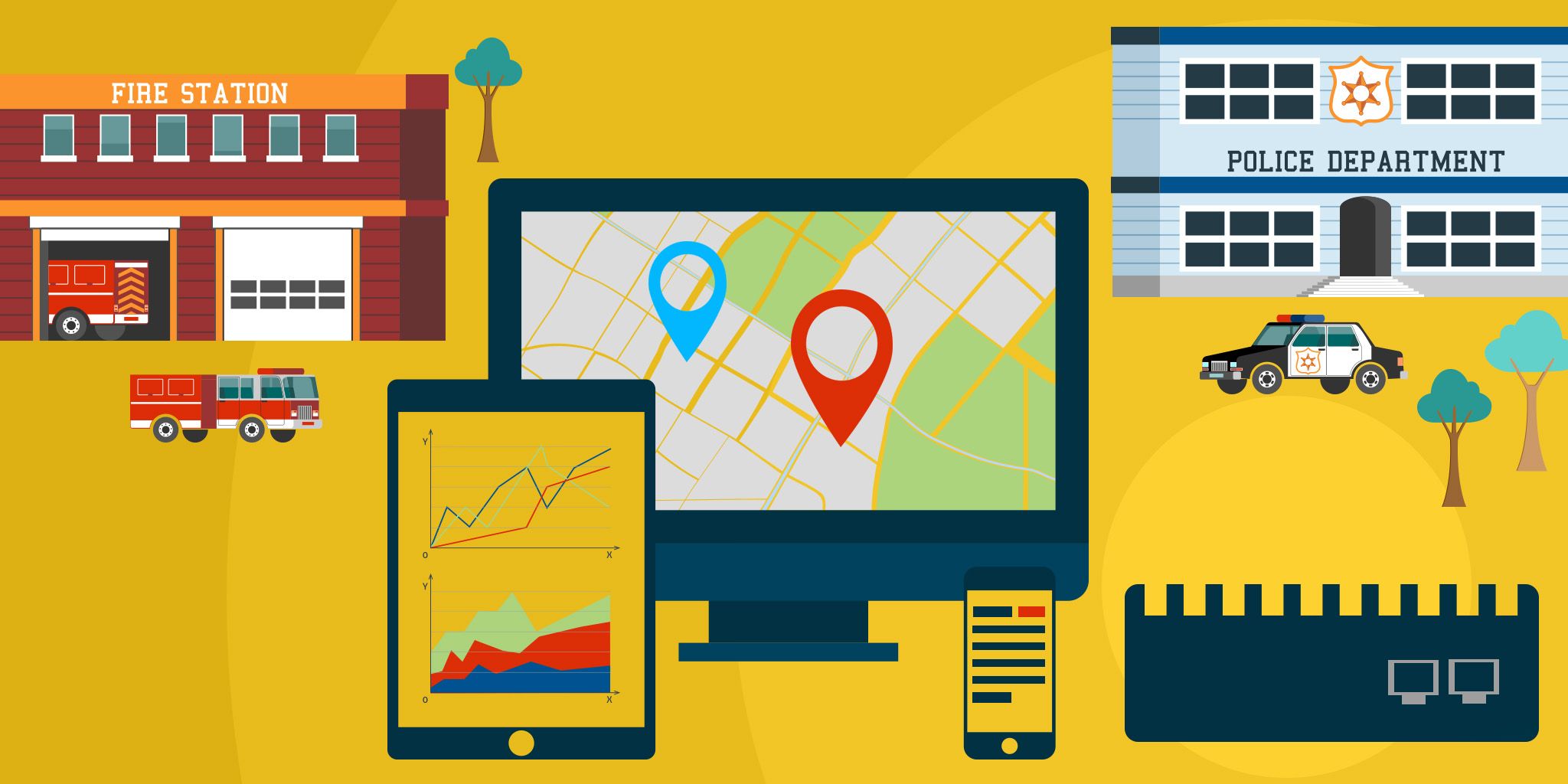
Mobile Networking for Public Safety
Enable data sharing, enhanced situational awareness, and secure communication across vehicles, devices, and command centers.
Enable data sharing, enhanced situational awareness, and secure communication across vehicles, devices, and command centers.
Digi
Digi
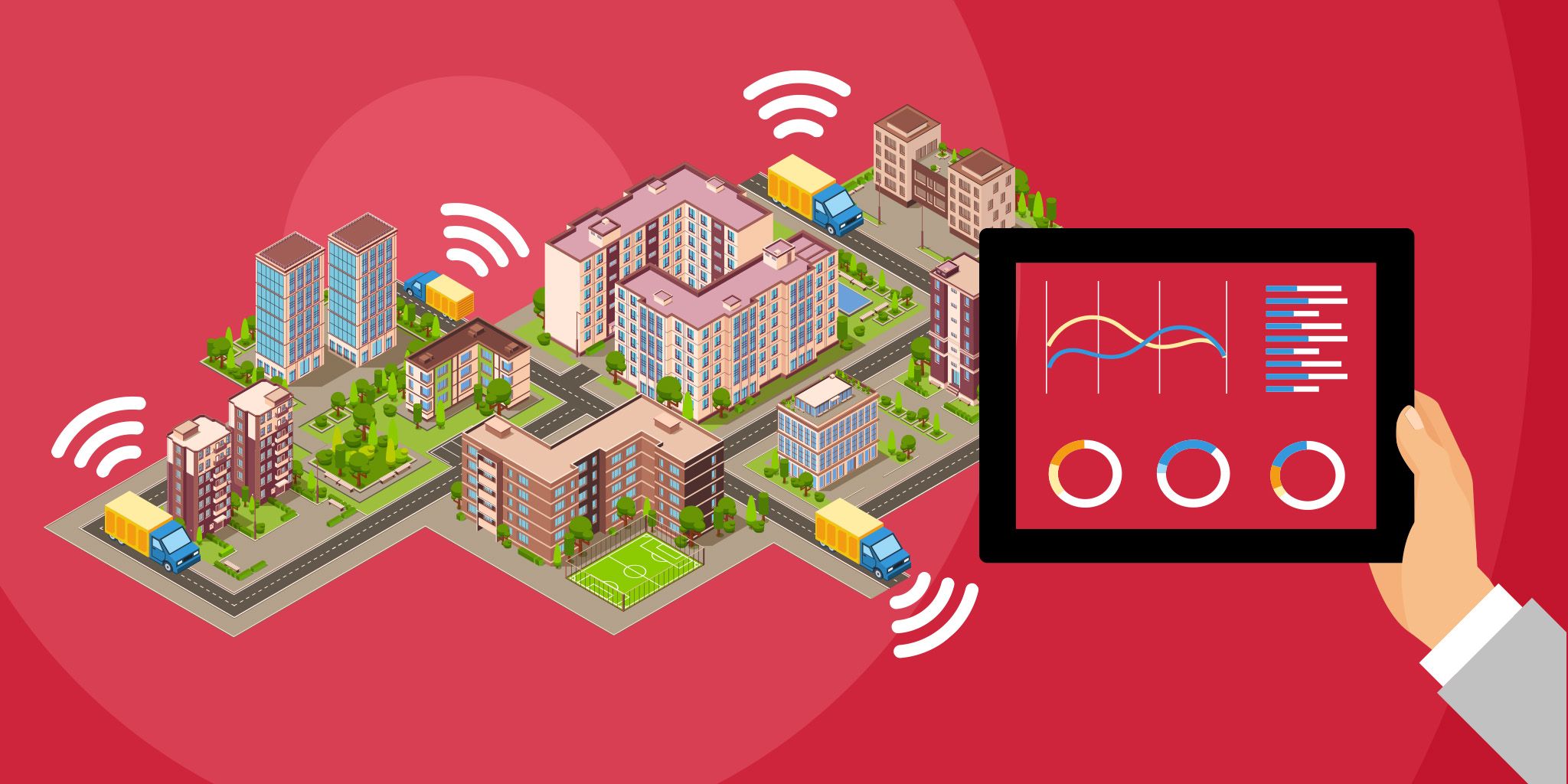
Asset and Inventory Monitoring
Track assets, monitor performance, and maintain persistent connectivity to improve supply chain efficiency, security, and uptime.
Track assets, monitor performance, and maintain persistent connectivity to improve supply chain efficiency, security, and uptime.
Digi
Digi

Primary and Failover Connectivity for Retail
4G/5G cellular networks for enabling uninterrupted retail operations with seamless support and rapid deployment across stores.
4G/5G cellular networks for enabling uninterrupted retail operations with seamless support and rapid deployment across stores.
KORE
KORE

Related Solutions
Smart Cities
Mobile Networking for Public Safety
Enable data sharing, enhanced situational awareness, and secure communication across vehicles, devices, and command centers.
Digi
Supply Chain & Logistics
Asset and Inventory Monitoring
Track assets, monitor performance, and maintain persistent connectivity to improve supply chain efficiency, security, and uptime.
Digi
Retail
Primary and Failover Connectivity for Retail
4G/5G cellular networks for enabling uninterrupted retail operations with seamless support and rapid deployment across stores.
KORE