



How Modern Software Solutions Help Utilities Integrate Renewable Energy
How Modern Software Solutions Help Utilities Integrate Renewable Energy

- Last Updated: October 6, 2026
Alex Shkliarska
- Last Updated: October 6, 2026

A decade ago, most grids were built around a handful of predictable generators — a couple of coal plants, maybe a nuclear station, steady output around the clock. Now thousands of rooftop solar arrays, wind farms, and home battery systems feed power into the same lines, and voltage swings when a cloud passes over a neighborhood. That mismatch between old infrastructure and new generation patterns is why utilities are rushing to replace decades-old control software before the next heatwave or storm front exposes the gap.
The Smart Grid Stability Problem: Why Classic SCADA Falls Short
SCADA (Supervisory Control and Data Acquisition) was designed for a world with maybe a few hundred controllable assets — big plants, big substations, predictable load curves. It polls sensors every few seconds, aggregates data centrally, and lets an operator make decisions from a control room. That worked fine when generation was centralized. It doesn't work when you've got 40,000 residential solar inverters and a growing fleet of EV chargers all injecting or pulling power unpredictably, sometimes changing output within seconds.
Here's the practical problem: a SCADA system built in the 2000s typically has a polling cycle measured in seconds, sometimes tens of seconds. A cloud bank rolling over a solar farm can knock out 60% of generation in under two minutes. By the time the old system registers the drop and an operator responds, frequency has already deviated outside safe bounds. Utilities in California and Texas have both logged incidents where solar ramp-down events outpaced dispatcher reaction time by a wide margin — this is the so-called "duck curve" problem, and it's only getting steeper as more distributed solar comes online.
A few specific limitations keep showing up in utility postmortems:
- Polling latency — legacy SCADA often can't refresh below a 4–10 second interval across a full distribution feeder, too slow for fast-ramping DER events.
- One-way visibility — many older systems monitor substations and feeders but have no direct line of sight into behind-the-meter assets like rooftop solar or home batteries.
- Manual dispatch logic — operators still make curtailment and switching decisions by phone or radio in some regions, which simply doesn't scale past a certain DER penetration.
- No predictive layer — SCADA reacts to what's already happened; it doesn't forecast what's about to happen weather-wise.
To close that gap, utilities are pairing legacy SCADA with newer orchestration layers and, increasingly, bringing in outside expertise to build the automation logic that ties it all together. Balancing volatile solar and wind output against a grid's baseload requires dispatch algorithms and IoT integration that most in-house IT teams weren't originally staffed to build, so many operators are turning to a utilities software development company to design that automated dispatch layer and connect the sensor hardware feeding it. Vendors such as GE Digital and Siemens are pursuing similar integration work from the hardware-and-controls side, which tells you this isn't a one-vendor problem — it's an industry-wide re-architecture.
DERMS and ADMS in Action: Turning Scattered Assets Into a Managed Ecosystem
This is where DERMS (Distributed Energy Resource Management Systems) and ADMS (Advanced Distribution Management Systems) come in, and it's worth separating the two because they're constantly conflated.
What ADMS actually does
ADMS platforms (Schneider Electric's EcoStruxure ADMS and Oracle Utilities' network management suite are two widely deployed examples) sit above SCADA and add fault location, automatic feeder reconfiguration, and volt/VAR optimization. Think of ADMS as the layer that keeps the wires themselves healthy: rerouting power around a downed line, adjusting voltage regulators, isolating faults before they cascade.
What DERMS adds on top
DERMS is the piece that specifically manages the distributed resources (rooftop solar, community batteries, EV charging networks) as a coordinated fleet rather than thousands of independent, invisible devices. A well-implemented DERMS platform can:
- Aggregate output forecasts from tens of thousands of individual solar inverters into a single feeder-level projection
- Issue curtailment or export limits to specific clusters of DERs without shutting down an entire feeder
- Coordinate EV charging schedules to avoid transformer overload during evening peak
- Treat behind-the-meter batteries as a "virtual power plant" that can be dispatched during a shortfall
ABB and Siemens both offer grid-edge hardware that feeds directly into these platforms, and SAP for Utilities has been pushing deeper into asset and billing integration so that DER data doesn't just stay in an operations silo — it flows into customer billing and demand-response programs too. That integration matters more than it sounds like on paper: a utility that can't connect DERMS output to customer billing systems ends up running two disconnected views of the same grid.
Predictive Forecasting: Machine Learning Meets Weather Data
Ask any grid operations director what keeps them up at night and "tomorrow's cloud cover" is a real answer. Solar and wind output is only as predictable as the weather, so the forecasting layer has become one of the most heavily invested-in pieces of modern utility software.
Modern platforms pull in satellite imagery, numerical weather prediction models (NOAA's HRRR model is a common input in North America), and historical generation curves, then run them through machine learning models trained on a specific site's actual output history — not just generic weather-to-power conversion tables. The output is typically a 24–48 hour rolling forecast, refreshed every 15 minutes to an hour as new weather data comes in.
Why does the refresh interval matter so much? Because a forecast issued at 6 AM for 2 PM peak solar is only useful if it's being corrected as cloud patterns actually develop through the morning. GE Digital's forecasting tools and several regional ISOs' internal models now target forecast error rates under 5% for day-ahead solar generation at the fleet level — a number that was closer to 15–20% just five or six years ago. That improvement alone changes how much reserve capacity a utility has to hold on standby "just in case," which has direct cost implications.
Sounds like a lot of moving parts, right? It is, but the payoff is concrete: better forecasts mean utilities can schedule conventional generation and storage dispatch with real confidence instead of padding everything with expensive spinning reserve.
Frequency Regulation and BESS: Millisecond-Level Response
Grid frequency in most regions has to stay within a tight band — 50 Hz or 60 Hz depending on where you are, with acceptable deviation typically around ±0.2 Hz before automatic protection systems start tripping. Wind and solar don't respect that band on their own; they ramp up and down with the weather.
Battery Energy Storage Systems (BESS) are the fix, and the software controlling them is arguably more important than the batteries themselves. When wind output drops suddenly — say a gust front passes and turbine output falls 40% in ninety seconds — modern grid management software doesn't wait for an operator. It detects the frequency deviation, calculates the required response, and dispatches power from the nearest BESS installation automatically. The best-performing systems get that response time down to somewhere between 100 and 500 milliseconds, compared to the 8–15 minutes it used to take to spin up a gas peaker plant as backup.
That's not a small difference. That's the difference between a customer never noticing a dip and a localized brownout.
Peak shaving works on a similar logic but on a longer timescale — instead of reacting to a sudden frequency event, the software predicts an afternoon demand peak hours ahead and discharges stored battery capacity gradually to flatten it, reducing the need to fire up expensive peaker plants at all. Utilities running combined BESS-plus-peak-shaving programs have reported shaving 10–20% off summer peak demand charges in pilot programs across the Southwest US.
Key Operational Metrics Utilities Are Now Tracking
None of this matters if it doesn't move the numbers reported to regulators and boards. The metrics grid operations teams are watching most closely right now:
- Curtailment rate — the percentage of available renewable generation forced offline because the grid couldn't absorb it. Utilities with mature DERMS deployments have pushed this from double digits down toward 2–4% in some California and Texas ISO zones.
- Frequency deviation window — how consistently the grid holds within that ±0.2 Hz band during high-DER-penetration hours, now trackable in near real time rather than through after-the-fact incident reports.
- DER interconnection time — how long it takes to approve and connect a new solar or storage project to the grid. This used to run 6–9 months in many jurisdictions; automated hosting-capacity analysis tools are cutting that down to weeks, in some pilot programs to single-digit days for straightforward residential systems.
- Forecast accuracy (MAPE) — mean absolute percentage error on day-ahead generation forecasts, now a standard KPI reported alongside more traditional reliability metrics like SAIDI and SAIFI.
Put those four together, and you get a pretty honest picture of whether a utility's software stack is actually doing its job or just generating dashboards nobody acts on. The infrastructure conversation isn't really about swapping one vendor's platform for another's — it's about whether the forecasting, dispatch, and asset-management layers actually talk to each other in real time. That's the part most legacy deployments still get wrong, and it's the part every major vendor in this space — DXC, GE Digital, Siemens, Schneider Electric, Oracle Utilities, SAP, ABB — is racing to solve first.

The Most Comprehensive IoT Newsletter for Enterprises
Showcasing the highest-quality content, resources, news, and insights from the world of the Internet of Things. Subscribe to remain informed and up-to-date.

New Podcast Episode

Building Real-Time Voice AI Experiences

Related Articles


Related Solutions
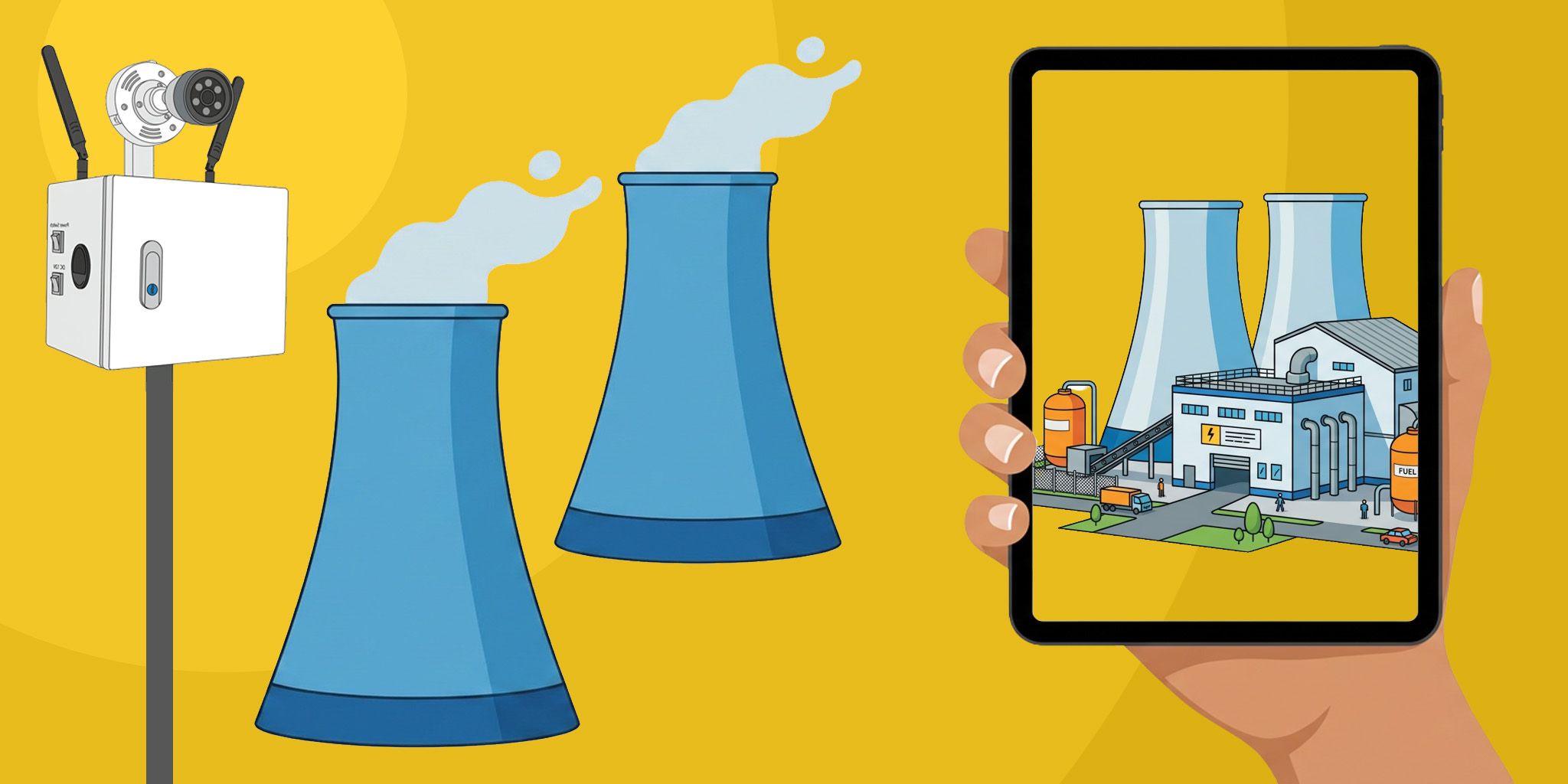
Power Plant Safety for Operators
Deploy instant, AI-powered monitoring across power generation facilities with a portable, plug-and-play solution.
Deploy instant, AI-powered monitoring across power generation facilities with a portable, plug-and-play solution.
Iveda
Iveda
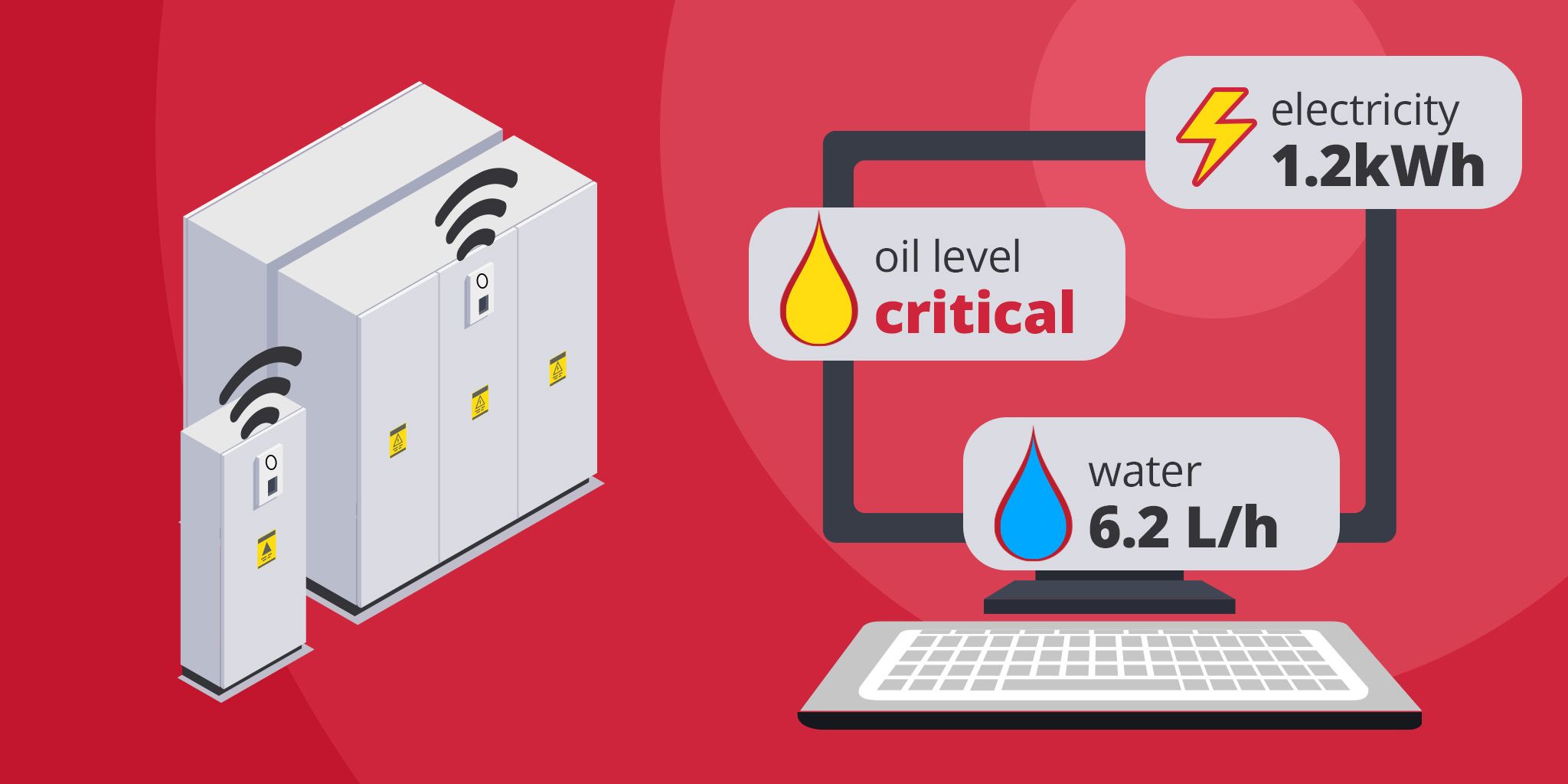
Energy Metering for Utilities
Unified metering for electricity, water, oil, and gas to reduce costs, improve efficiency, and support ESG reporting.
Unified metering for electricity, water, oil, and gas to reduce costs, improve efficiency, and support ESG reporting.
akenza
akenza

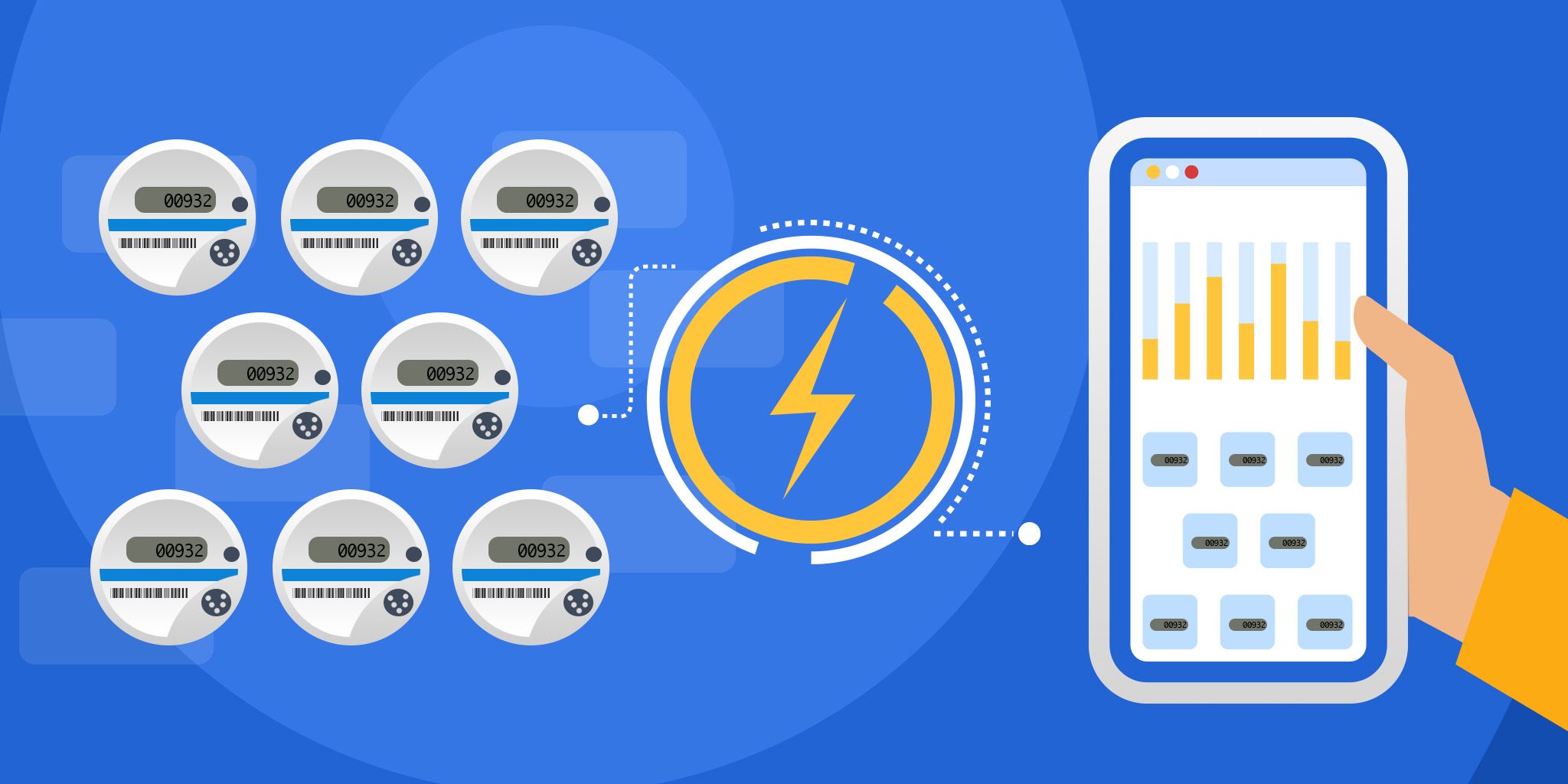
Smart Metering for Infrastructure
Automated meter readers for gas, water, and electric to enable accurate billing, simplified sub-metering, and insights.
Automated meter readers for gas, water, and electric to enable accurate billing, simplified sub-metering, and insights.
Smarter Technologies
Smarter Technologies

Related Solutions
Utilities
Power Plant Safety for Operators
Deploy instant, AI-powered monitoring across power generation facilities with a portable, plug-and-play solution.
Iveda
Utilities
Energy Metering for Utilities
Unified metering for electricity, water, oil, and gas to reduce costs, improve efficiency, and support ESG reporting.
akenza
Utilities
Smart Metering for Infrastructure
Automated meter readers for gas, water, and electric to enable accurate billing, simplified sub-metering, and insights.
Smarter Technologies