



The Architect’s New Role in an AI Agent-Driven Enterprise
The Architect’s New Role in an AI Agent-Driven Enterprise

- Last Updated: June 11, 2026
Kalaranjani Sathishkumar
- Last Updated: June 11, 2026
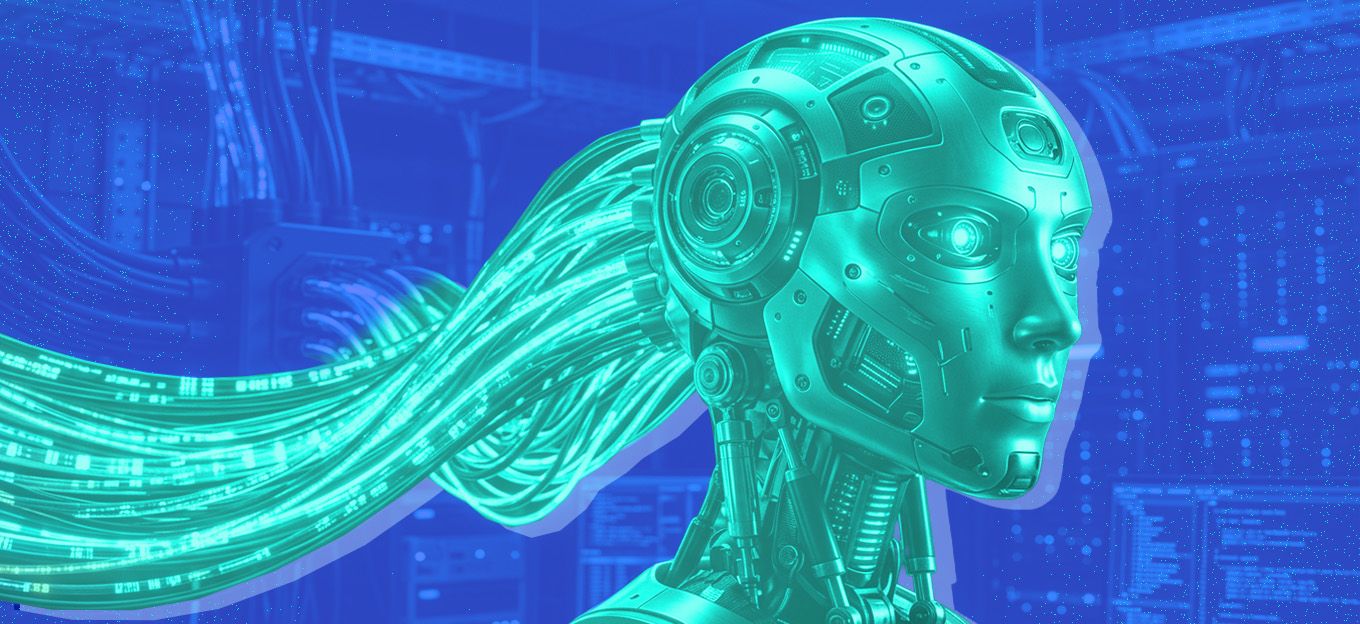
Artificial intelligence (AI) agents perform tasks that traditional automation never could. A conventional workflow follows a fixed script. An agent selects its tools mid-task, remembers what happened several steps earlier, and adjusts course when the results fall short. That difference sounds incremental, but it changes what architects need to plan for.
The systems designed today must account for software that thinks, acts, and occasionally makes errors. Governance, security, and observability cannot be afterthoughts layered onto a finished design. They must be built into the foundation. By understanding the patterns, organizational shifts, and risk considerations, architects can develop reliable strategies for an agent-driven future.
Agentic Architecture vs. Traditional Systems
Traditional automation follows a predetermined path, with every step scripted in advance. When something unexpected happens, the workflow either fails outright or routes the problem to a human. AI agents operate on different principles, pursuing goals rather than following a fixed set of rules.
As a result, they evaluate the situation and select the tool that best fits the task at hand. When a result doesn’t hold up, the agent changes direction and tries again. That’s a genuinely different kind of behavior, and it has real consequences for those building the systems underneath.
There are three distinguishing categories. First, automation handles specific, repeatable tasks without human input. Second, generative AI assistants help with decisions but remain under active user direction. Third, autonomous agents go further, setting their own subgoals and holding onto context from one session to the next.
Unless explicitly stopped, they will continue iterating until the goal is met. These differences aren’t merely theoretical, because each category places a different set of demands on the underlying architecture.
Building for such an agent is not simply a matter of adding features to something already in place. The planning assumptions shift, and scalability and security must be reconsidered from the ground up. Observability, which was frequently a secondary concern in older designs, becomes a core requirement. Retrofitting it later for a system that was never designed with it in mind is rarely practical.
Integration, Observability, and Reliability Patterns
Designing integration patterns for an agentic system begins with accepting that the agent will occasionally be wrong. A human-in-the-loop checkpoint is one solution, placing a reviewer at critical points where errors will have the greatest impact, such as immediately before a transaction clears.
Agent-to-agent orchestration is another pattern in which a larger task is split across specialized agents. One agent coordinates the work, another executes it, and a third validates the output. Hybrid workflows combine the two approaches, using traditional automation for steps that require consistency, while reserving agent decision-making for steps where judgment is required. AWS documentation on agentic development outlines several such patterns, and adapting them is often more efficient than rebuilding infrastructure from scratch.
Observability makes an agentic system traceable and explainable. Decision tracing performs much of this function. Logging prompts, tool calls, and intermediate reasoning provide developers with the ability to replay events when issues occur.
Behavioral monitoring identifies different problems, such as a steady decline in the agent’s success rate on a familiar task or unexplained shifts in tool usage. Semantic traceability builds on these capabilities by linking each action back to the originating business intent.
This connection supports debugging and auditing requirements. Without these layers in place, agent activity becomes a black box that internal teams cannot troubleshoot and external stakeholders cannot evaluate.
Deliberate guardrails improve reliability. Key measures include:
- Confidence scoring: Assign a probability to each agent's decision, enabling downstream systems to approve, escalate, or reject actions based on established thresholds.
- Hard constraints: Prevent unauthorized behavior by enforcing limits such as spending caps, data access boundaries, and actions that require human approval.
- Audit trails: Document every decision, tool call, and input in a format that supports compliance reviews and internal investigations.
With those guardrails in place, organizations can expand autonomy incrementally while maintaining visibility into performance and identifying when human intervention is necessary.
Organizational and Architectural Shifts
The people who once executed these processes are now supervising them. A team that previously followed workflows step by step now sets goals, evaluates results, and intervenes when agents wander off course. The architect’s role is evolving as well.
The traditional responsibility of mapping every integration and data flow up front is shifting to an orchestration strategy, where the emphasis is on defining policies and boundaries and mapping out escalation paths when something goes wrong. Industry analysis characterizes this shift as a fundamental redefinition rather than a gradual change.
What began as single-purpose generative AI assistant deployments has expanded into autonomous agent ecosystems operating across multiple cloud platforms. Enterprises such as JPMorgan Chase already treat agentic AI as a foundation rather than an experiment.
Risks, Governance, and Security
Risks originate from multiple sources. Each tool an agent uses, and each dataset it accesses creates a new attack surface. Agents may behave in ways that a conventional system would not. Additional concerns include data privacy exposures, model bias, and operational risks such as privilege creep, compliance gaps, and reduced oversight, which become apparent only after they occur.
To combat these risks, governance must be embedded into system design rather than added after deployment. McKinsey’s guidance on safe deployment outlines the approach, emphasizing security by design, policy enforcement at every decision point, and monitoring that treats agents as active participants rather than passive tools.
Measuring Success
Traditional key performance indicators (KPIs) do not fully capture success in agentic systems. An agent may achieve high uptime and throughput while still producing poor outcomes. Task success rate is a more meaningful metric when defined by whether the underlying goal is achieved.
Autonomy rate is also crucial, tracking the share of work the agent completes without human intervention. Cost per execution and productivity gains close the loop by linking agent performance to the original deployment objectives.
Designing for the Future
A consequential design decision affecting architects today has little to do with any specific AI model. Rather, it centers around whether the systems they build will support agents from multiple vendors or lock the organization into a single provider.
It’s essential to treat vendor-agnostic compatibility as a core requirement, not a future consideration, and that this principle extends to every layer of the architecture. Governance frameworks, for example, cannot remain static when agents evolve through iterative learning. Security must be addressed from the initial design conversation rather than bolted on later.
Finally, teams need to measure whether increased autonomy leads to better outcomes before expanding its scope. This moment calls for a full architectural rethinking, rather than incremental adjustments. Organizations that recognize this shift toward agentic, vendor-agnostic, and security-first architecture early will gain a meaningful competitive advantage.

The Most Comprehensive IoT Newsletter for Enterprises
Showcasing the highest-quality content, resources, news, and insights from the world of the Internet of Things. Subscribe to remain informed and up-to-date.

New Podcast Episode

Building Real-Time Voice AI Experiences

Related Articles




Related Solutions

Smart Community Management for HOAs
AI-powered community monitoring with real-time visibility into entrances, parking, and shared spaces.
AI-powered community monitoring with real-time visibility into entrances, parking, and shared spaces.
Iveda
Iveda

Construction Site Safety Monitoring
AI-powered wearables for real-time PPE compliance monitoring, hazard detection, and incident documentation.
AI-powered wearables for real-time PPE compliance monitoring, hazard detection, and incident documentation.
Iveda
Iveda
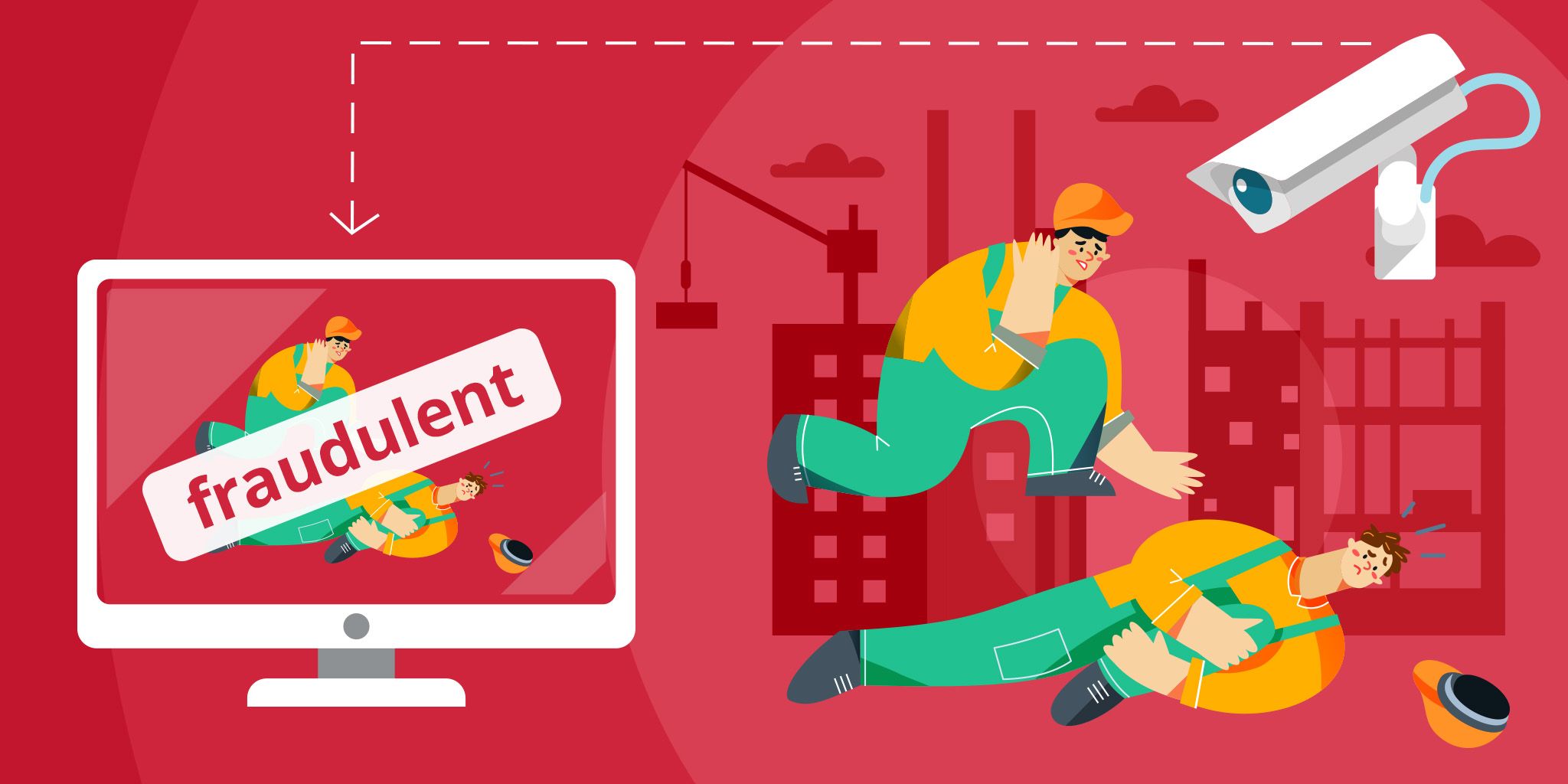
Workers' Compensation Fraud Prevention
Quickly verify claims, reduce investigation time, and protect your bottom line with AI-powered video surveillance and analytics.
Quickly verify claims, reduce investigation time, and protect your bottom line with AI-powered video surveillance and analytics.
Iveda
Iveda

Related Solutions
Buildings & Facilities
Smart Community Management for HOAs
AI-powered community monitoring with real-time visibility into entrances, parking, and shared spaces.
Iveda
Construction
Construction Site Safety Monitoring
AI-powered wearables for real-time PPE compliance monitoring, hazard detection, and incident documentation.
Iveda
Construction
Workers' Compensation Fraud Prevention
Quickly verify claims, reduce investigation time, and protect your bottom line with AI-powered video surveillance and analytics.
Iveda