Your Wearable Doesn't Need More Data. It Needs Better Interpretation.
Your Wearable Doesn't Need More Data. It Needs Better Interpretation.

- Last Updated: August 27, 2026
Shradha Puri
- Last Updated: August 27, 2026
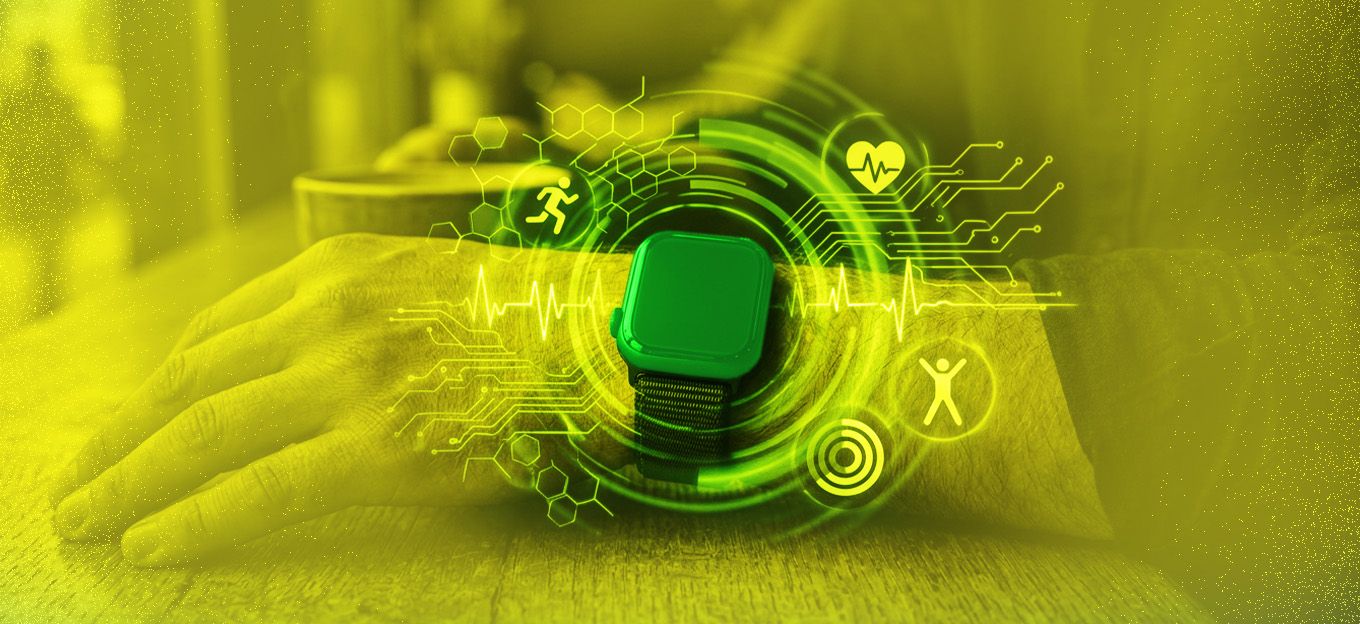
For quite some years now, I've been wearing some sort of combination of a smart ring, a smart watch, or a screenless band, and if I were to tell you the most useless number I've ever seen in all these years, it would be raw data or the scores. Not because these numbers are wrong. Most likely, they're right. What you're not told is how to act on this information.
This is where the wearable market falls short, and that doesn't get talked about enough. Every brand wants to make an announcement about the launch of a new sensor, improved battery life, sleeker design, and so on and so forth. What's being overlooked in this process is the key aspect that's stopping an expensive ring from making someone healthier, which is interpretation, not data.
We Have More Data Than We Know What to Do With
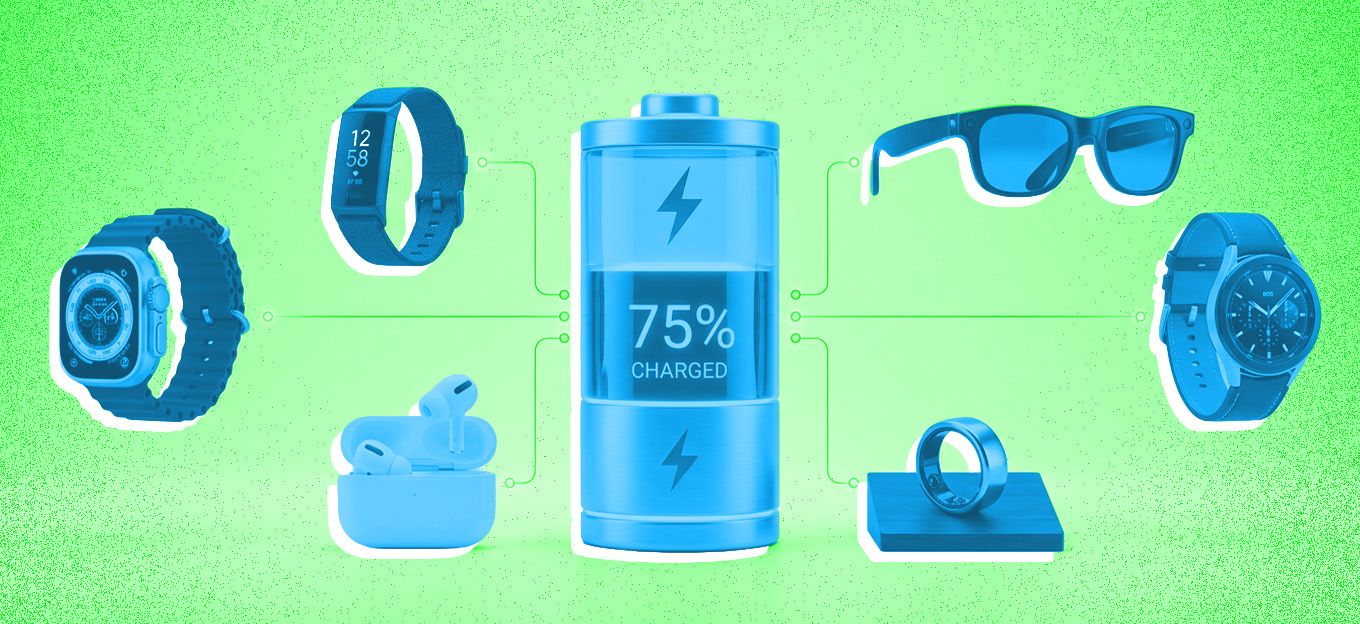
Sensors work well. From Oura, Whoop, Ultrahuman, to even your basic Apple Watch series, they collect heart rate, temperature, breathing rate, sleep stages, HRV, SpO2, and sometimes glucose data by partnering with companies that collect this info. That is an insane amount of biological data that is collected from your body every night while you sleep.
But the thing is, if you ask people what their HRV trend means for their Tuesday, you will receive a blank look. People check their score, feel validated or guilty for a moment, and continue doing whatever they were going to do without changing a thing.
This is not a problem with a user; this is a design problem.
I fell into that trap as well. Last year, I dedicated three whole months to checking my readiness score every morning like it was a Cosmo horoscope. If the number was good, then I would feel ready for the day. If it was low, then I would cancel all plans, not work out, even get a little short with people because the app told me I was "not recovered." In retrospect, I was not responding to what my body felt. I was responding to a number without any context at all and letting that control my entire mood for an entire day.
Data Without Context Is Just Noise with a Nice Font
Here’s what’s important to know about any metric like the resting heart rate. A person with a 58 bpm reading can mean two entirely different things depending on whether he is a marathoner who is recovering from training or a person who has just landed after a 14-hour flight and had two glasses of wine on the plane.
The same chart but totally different understandings. The majority of fitness apps show charts first and context afterwards.
Context Beats the Raw Number Every Time
The combination of a decrease in HRV and "you have slept 45 minutes less than your normal, and your room is hotter than usual" will be helpful. The combination of a decrease in HRV without any context will just add stress and create some reluctance to go to the gym because of things which you probably don't even have to worry about. I've witnessed how my friends obsessed with reaching a certain "good" readiness rating transformed the wellness tool into one which they could fail.
Personalized Baselines, Not Population Averages
Most wearables are still based on universal standards that don’t take into account everyone's physiology, and this becomes clear when we talk about gender-specific functions such as cycle monitoring and recovery score, which is calculated using an algorithm mostly trained on data from male athletes. A personalized 30-day rolling baseline will give you a lot more information than "normal range: 40 to 100 ms."
From Chart to Instruction
The most impressive execution I have seen recently is the introduction by Oura of GLP-1-related analysis, which doesn't just show you lean body mass trends, but actually contextualizes it against medication use and gives you something closer to a recommendation. This is where we need to take all health tracking in general, from "here is your data" to "here is what your particular trend probably means and here is what you should change this week."
Who's Actually Getting This Right
A few brands are clearly thinking about this the right way.
The PowerPlugs from Ultrahuman don’t appear to be features as much as little translators sitting atop the raw data of your metabolism and sleep, steering you towards one tiny change rather than throwing five charts at you. WHOOP Coach is trying to solve the same problem, interpreting your numbers for strain and recovery to tell you whether today is your day to push or recover. And even on the gut health side of things, Suna is basing its entire pitch on determining what that single variable in your life is causing your bloating, not showing you a chart full of percentages from your microbiome.
None of these products are quite there yet, but they’re trying to solve the right problem.
These wearable companies aren't competing against Oura and Whoop with sensors; they believe that anyone who can articulate a few metrics more effectively than everyone else collecting the most metrics ineffectively is the winner. That's a solid bet too, I'd say. Most people don't need a dashboard; they need an explanation.
Why This Actually Matters, Beyond Convenience
This isn't only about improving app usability. Misinterpretation has consequences.
- The devices are discarded after just a few months of use because the daily value has lost all meaning for them.
- Constant worrying about your body metrics creates a health problem by itself, particularly for those who tend to over-track themselves.
- Real valuable insights, such as a gradual increase in resting heart rate, become invisible among daily values that start from scratch each morning.
It is the time when the initial excitement of getting an "ooh look at my sleep score" wears out and a user understands that the application did not give them any insight at all.
What Better Interpretation Should Actually Look Like
If I were building a wearable app from scratch, interpretation would be the precursor to polish in design. A few things I'd want baked in from day one:
- Trends over individual readings all the time: One poor night of sleep isn't going to kill you. But three weeks of decreasing HRV along with an increasing resting heart rate should prompt a discussion, even with a physician.
- Common language over clinical language: No one wants to see how high or low their SDNN is. What they want to know is if this is a good day to work hard or a good day to go easy.
- One recommendation over several metrics: This is why those apps that will succeed in the long run will be the ones that can take a wall of data and boil it down to a single action item in one sentence.
- An acceptance of uncertainty: Wearable devices are useful for trends, not for diagnostics, and the apps that make them appear so are setting people up for both false alarms and false security.
The Real Opportunity Here
Each time this industry goes through an upgrade in hardware, a plateau eventually occurs. They'll get batteries that perform a bit better and a bit more accuracy in their sensors and then reach a point when each subsequent upgrade provides negligible improvements to the actual person wearing that product.
It won't be a new chip that will take things to the next level but rather the company that will find a way to make sense of the information already gathered by this chip for people who are not biohackers or data scientists and do not need to read manuals to understand it.
We already have all the sensors we need to collect data from the body of each person and conduct a research study. What we lack is a mediator between all this data and the actual person wearing the device that translates biology into action on Tuesday.
This is the true potential in wearables nowadays. Not additional information. The narrative behind the information we already have.
It won’t be the brands with the most expensive sensor suite in five years. It will be the ones that can convince their customers to articulate in one sentence what difference their device made in their lives by virtue of being there on their wrist or finger. Go and ask 100 owners of these wearables that very question and tell me how many of them actually have an answer. I’d wager not too many.

The Most Comprehensive IoT Newsletter for Enterprises
Showcasing the highest-quality content, resources, news, and insights from the world of the Internet of Things. Subscribe to remain informed and up-to-date.

New Podcast Episode

Building Real-Time Voice AI Experiences

Related Articles