



Why Do Industrial IoT and AI Projects Stall After the Dashboard? (And How to Get Them Moving)
Why Do Industrial IoT and AI Projects Stall After the Dashboard? (And How to Get Them Moving)

- Last Updated: November 4, 2026
Infysion
- Last Updated: November 4, 2026
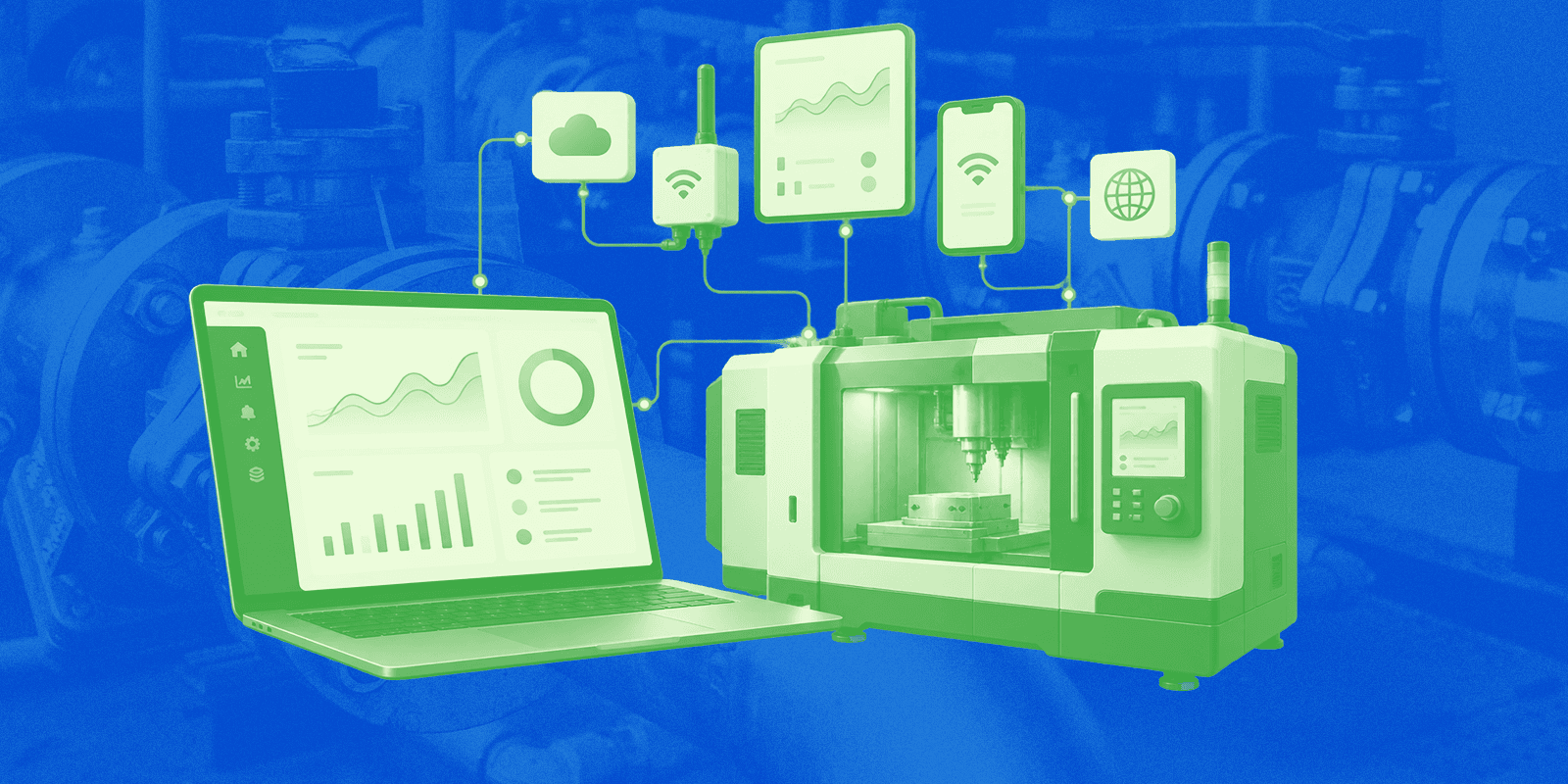
Most industrial IoT and AI projects don't fail. They stall.
The sensors stream. The model scores. The dashboard gets checked every morning. Eighteen months later, nothing has changed except the number of charts. The problem usually isn't the technology. It's everything that happens after the model produces an answer.
A Scenario You May Recognize
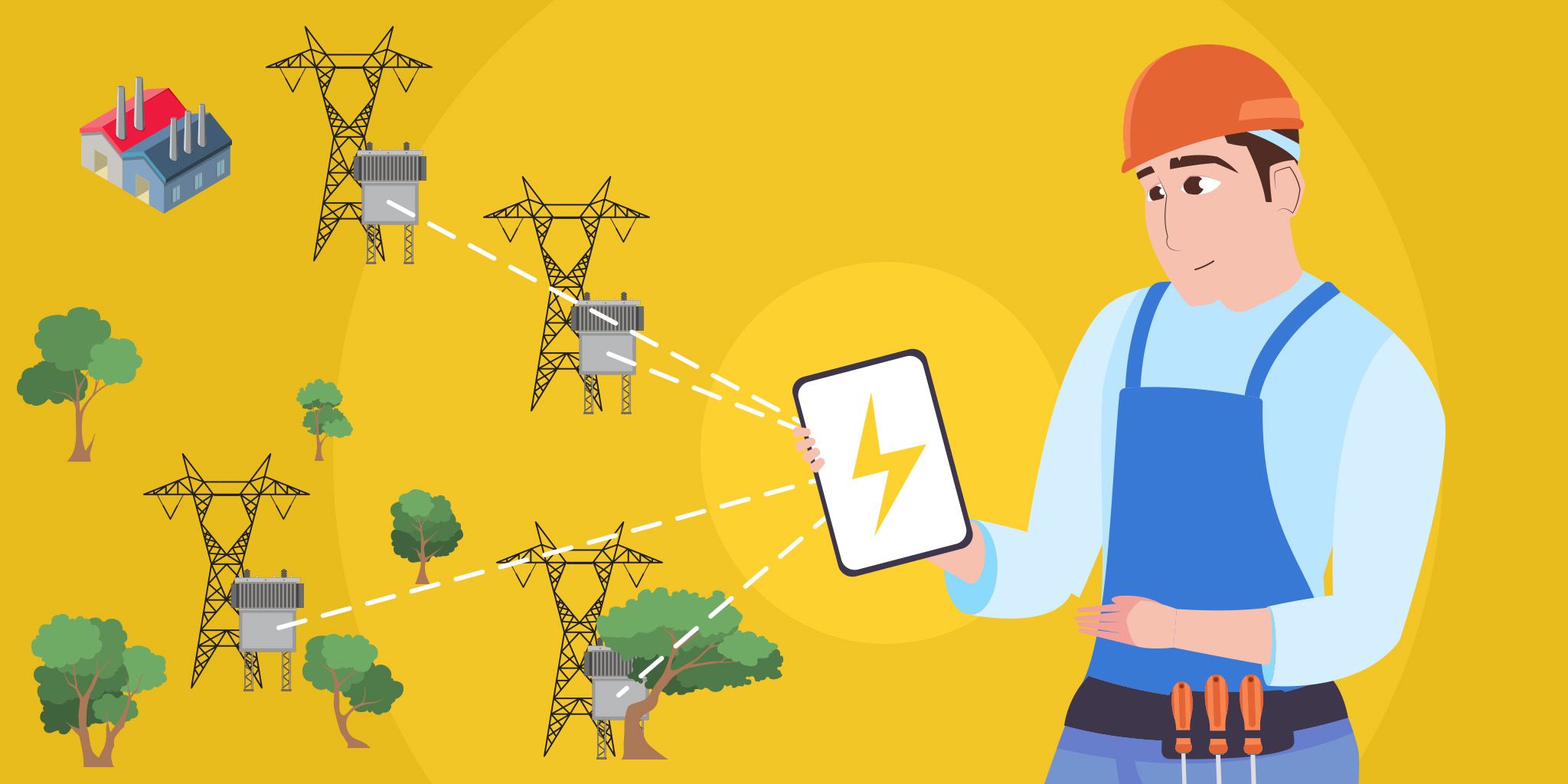
Take an illustrative case: a utility with sensors on its transformer fleet that track gas levels in the oil, temperature, and load. A model trained on that history flags one unit as trending toward a fault. The alert lands on a dashboard. An analyst sees it the next morning and emails the asset manager. The asset manager wants a second opinion and asks field engineering. Engineering schedules an inspection for the next outage window.
The model did its job in seconds. The organization took eleven days.
This is decision latency: the time between a signal becoming available and an action being taken on it. In many industrial environments, it is the largest and least measured source of lost value, and it is invisible to anyone who only tracks model accuracy.
Where the Time Actually Goes
Break any detection-to-action chain into stages and measure each one:
- Detection: the model scores the data (usually seconds to minutes)
- Triage: someone decides whether the alert is real
- Authorization: someone with the right authority approves a response
- Work creation: a work order is raised in the maintenance management system (the software where repair and inspection jobs live)
- Execution: the work gets scheduled and done
- Feedback: the outcome is recorded and fed back to the model
In stalled programs, stage 1 is automated, and stages 2 to 4 are manual, sequential, and dependent on specific people being available. Stage 6 often doesn't exist at all. Adding a better model improves only the stage that was already fast.
The Three Gaps Behind the Stall
1. Decision rights live in people's heads.
Ask who can take a feeder offline on a model's recommendation, at what confidence level, and with whose sign-off. In most organizations, the honest answer is "it depends on who's on shift." Experienced operators carry these rules as hard-won judgment. That works for humans and fails completely for automation, because an automated system can only act inside boundaries that are written down in a form it can evaluate.
2. The insight is not wired to the system of action.
If a recommendation has to be re-typed into a maintenance system by a person, you have built a very expensive reporting tool. The integration that matters isn't between the model and the dashboard. It's between the model and the maintenance management system, with context attached: asset ID, failure mode, evidence, recommended action, urgency window.
3. There is no feedback loop.
When an engineer overrides a recommendation, the reason is rarely captured. When an inspection confirms or refutes a flagged fault, that result rarely reaches the model. Without labeled outcomes, you can't measure how often alerts are right, can't tune thresholds, and can't build the trust that earns more autonomy. The program stays at "advisory" permanently, because there's no evidence to justify anything else.
Autonomy Is a Dial, Not a Switch
The useful reframe is to stop asking "should AI act?" and start asking "how much autonomy does this decision deserve, and what evidence would justify more?" A practical way to structure it is a set of autonomy tiers, assigned per decision type rather than per system:
- Tier 0, Observe: Surfaces anomalies with no recommendation. Example: a trend flag on pump vibration.
- Tier 1, Recommend: Proposes an action with evidence. Example: "Inspect bearing within 14 days."
- Tier 2, Act with approval: Drafts the work order, and a human approves in one step. Example: a pre-filled work order routed to the planner.
- Tier 3, Act within bounds: Executes automatically if all guardrails pass. Example: auto-creating low-risk inspection tasks under a cost and criticality ceiling.
- Tier 4, Act and report: Handles a whole class of decisions end to end. Example: reserved for well-understood, low-consequence, reversible decisions.
Two points matter here. First, different decisions in the same plant will sit at different tiers, and that's correct. Auto-creating an inspection task is a very different risk from changing a setpoint. Second, in industrial settings, safety systems and the equipment controls that run the process should stay out of scope early on. A sensible first boundary is that AI writes to the maintenance and planning layer, never to the control layer.
Write the Rules Down in Plain Words
Governance only counts if it is enforceable. A policy that exists as a PDF is documentation. A policy specific enough for software to check is governance. You don't need code to start. A plain rule card is enough. Here is a simplified, illustrative example:
- Trigger: the model flags a distribution transformer for inspection
- Conditions (all must be true): confidence is at least 85%; asset criticality is low or medium; estimated cost is under $2,000; no open work order exists for the asset
- If the conditions are met: an inspection work order is created automatically
- If not: the alert is routed to a reliability engineer, who must respond within 24 hours
- Record kept: the data used, the model version, the rule version, and the outcome
None of this is exotic. What makes it hard is the human work of agreeing on the thresholds, the exceptions, and the escalation path. That agreement is the actual deliverable. Recording which model and which rule version made each decision also gives you an audit trail, which regulated sectors will ask for sooner or later.
What to Measure Instead of Model Accuracy
If you can only track a handful of metrics, make them these:
- Time to acknowledge an alert: how long a signal waits before a human looks at it
- Time from alert to work order: the full length of the manual gap
- Recommendation acceptance rate: and, more usefully, the reasons for overrides
- Alert accuracy in the real world: the share of alerts that turn out to be genuine faults, once feedback exists
- Alert load per engineer: because alert fatigue quietly kills adoption
A falling acceptance rate with rising override reasons tells you the model or the thresholds need work. A high acceptance rate with long alert-to-work-order times tells you the bottleneck is process, not intelligence. These point to completely different fixes.
Where to Start
You don't need a plant-wide transformation. Pick one asset class and one recurring decision, such as inspection scheduling for a single equipment type. Then:
- Map the current detection-to-action chain and time each stage for a month.
- Write down who decides what, at what threshold, and why. Expect disagreement. That's the point.
- Connect the recommendation directly to the maintenance management system with full context, at Tier 2 (draft and approve).
- Capture every override reason and every inspection outcome.
- After enough labeled outcomes, review whether specific low-risk decisions can move up a tier.
The sequence matters. Governance first, integration second, autonomy third. Teams that reverse it end up with a capable system they don't trust and aren't allowed to use.
The Takeaway
When an AI initiative stalls at the reporting stage, the instinct is to look for a better model or a bigger platform. More often, the missing pieces are a documented decision structure, a direct line from insight to action, and a feedback loop that lets trust accumulate with evidence. Those are operating changes, and they are available to teams using the tools they already have.

The Most Comprehensive IoT Newsletter for Enterprises
Showcasing the highest-quality content, resources, news, and insights from the world of the Internet of Things. Subscribe to remain informed and up-to-date.

New Podcast Episode

The State of LoRaWAN in 2026

Related Articles
Why Do Industrial IoT and AI Projects Stall After the Dashboard? (And How to Get Them Moving)
November 4, 2026
How New NIST Guidelines Have Affected Manufacturers in the IIoT Sector
October 7, 2026

Why Industrial IoT Projects Fail at the Network Edge — And How Industrial Routers Solve the Problem
July 23, 2026

Related Solutions
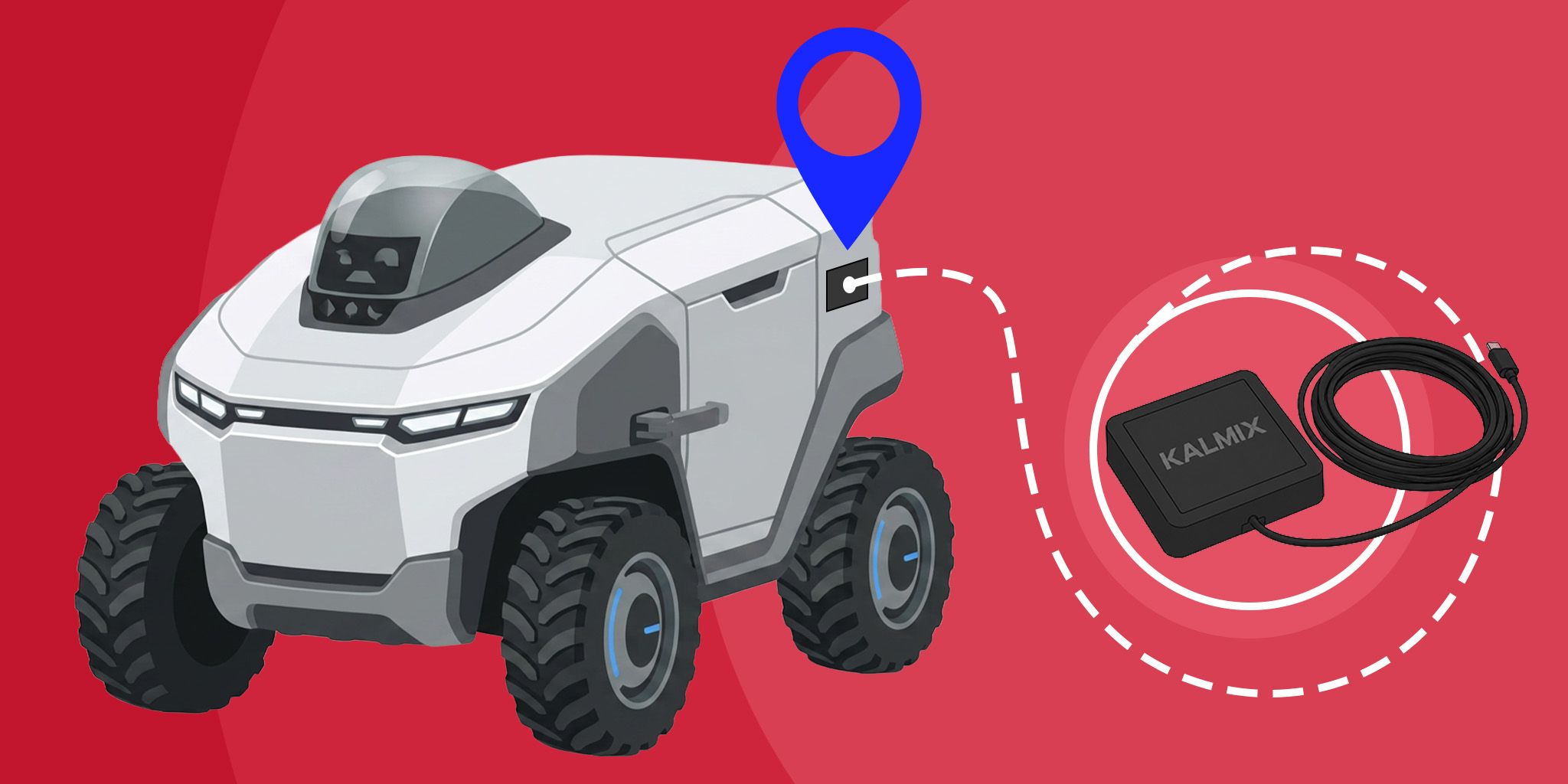
RTK Positioning for Robotics and Field Machines
High-precision positioning. Achieve centimeter-level accuracy without the complexity of building custom hardware from scratch.
High-precision positioning. Achieve centimeter-level accuracy without the complexity of building custom hardware from scratch.
Kalmix
Kalmix
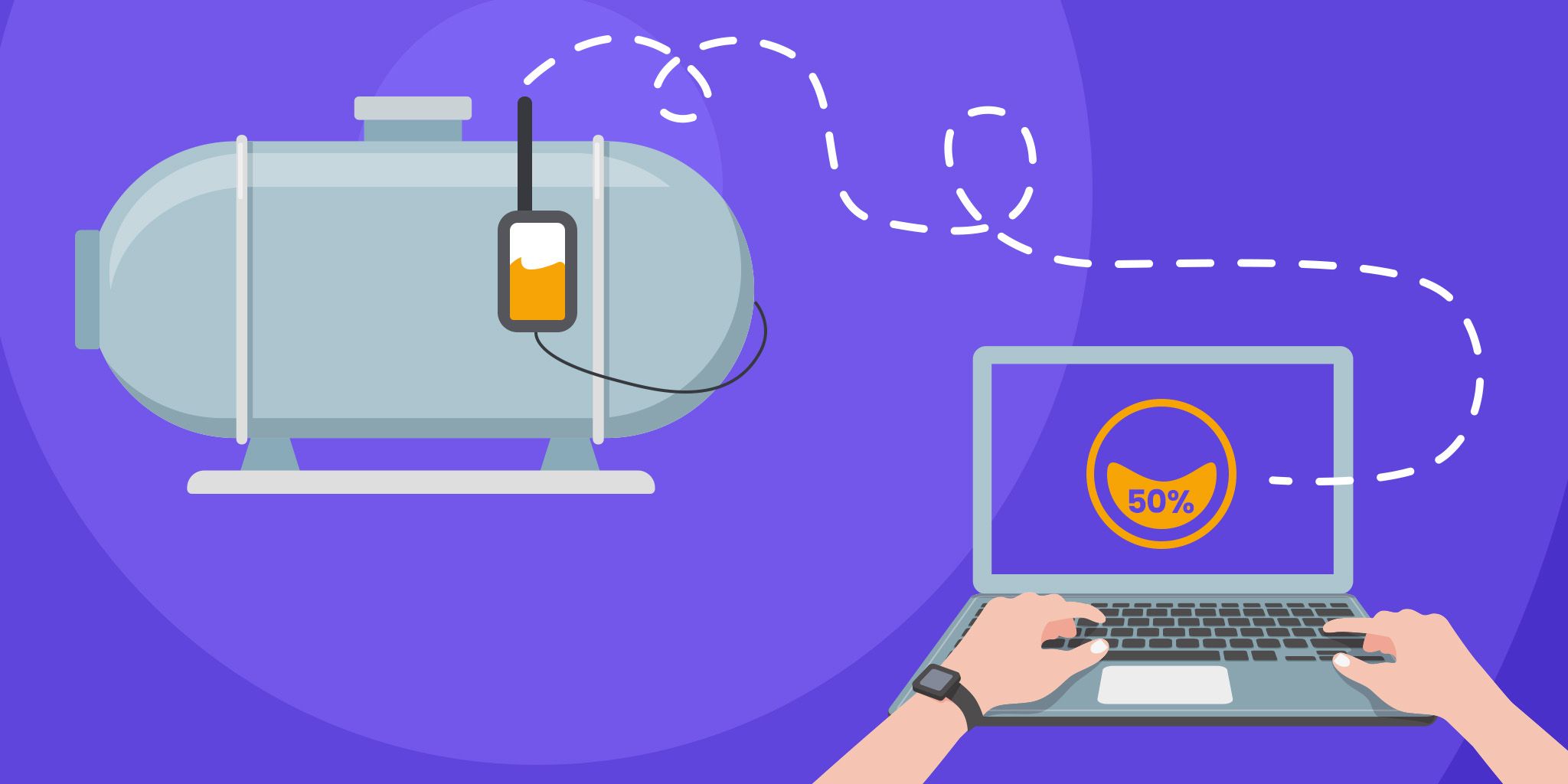
Remote Propane Tank Monitoring
Retrofit LoRaWAN® sensor to provide accurate, real-time fuel level readings from R3D-compatible gauges.
Retrofit LoRaWAN® sensor to provide accurate, real-time fuel level readings from R3D-compatible gauges.
EAMS Technologies
EAMS Technologies

Condition Monitoring and Analytics for Industrial Systems
Monitor, maintain, and automate distributed industrial systems using customizable edge-to-cloud intelligence.
Monitor, maintain, and automate distributed industrial systems using customizable edge-to-cloud intelligence.
Pratexo
Pratexo

Related Solutions
Industrial
RTK Positioning for Robotics and Field Machines
High-precision positioning. Achieve centimeter-level accuracy without the complexity of building custom hardware from scratch.
Kalmix
Industrial
Remote Propane Tank Monitoring
Retrofit LoRaWAN® sensor to provide accurate, real-time fuel level readings from R3D-compatible gauges.
EAMS Technologies
Industrial
Condition Monitoring and Analytics for Industrial Systems
Monitor, maintain, and automate distributed industrial systems using customizable edge-to-cloud intelligence.
Pratexo