



Why High-Density AI Workloads Require Advanced Liquid Cooling Infrastructure
Why High-Density AI Workloads Require Advanced Liquid Cooling Infrastructure

- Last Updated: June 4, 2026
Emily Newton
- Last Updated: June 4, 2026
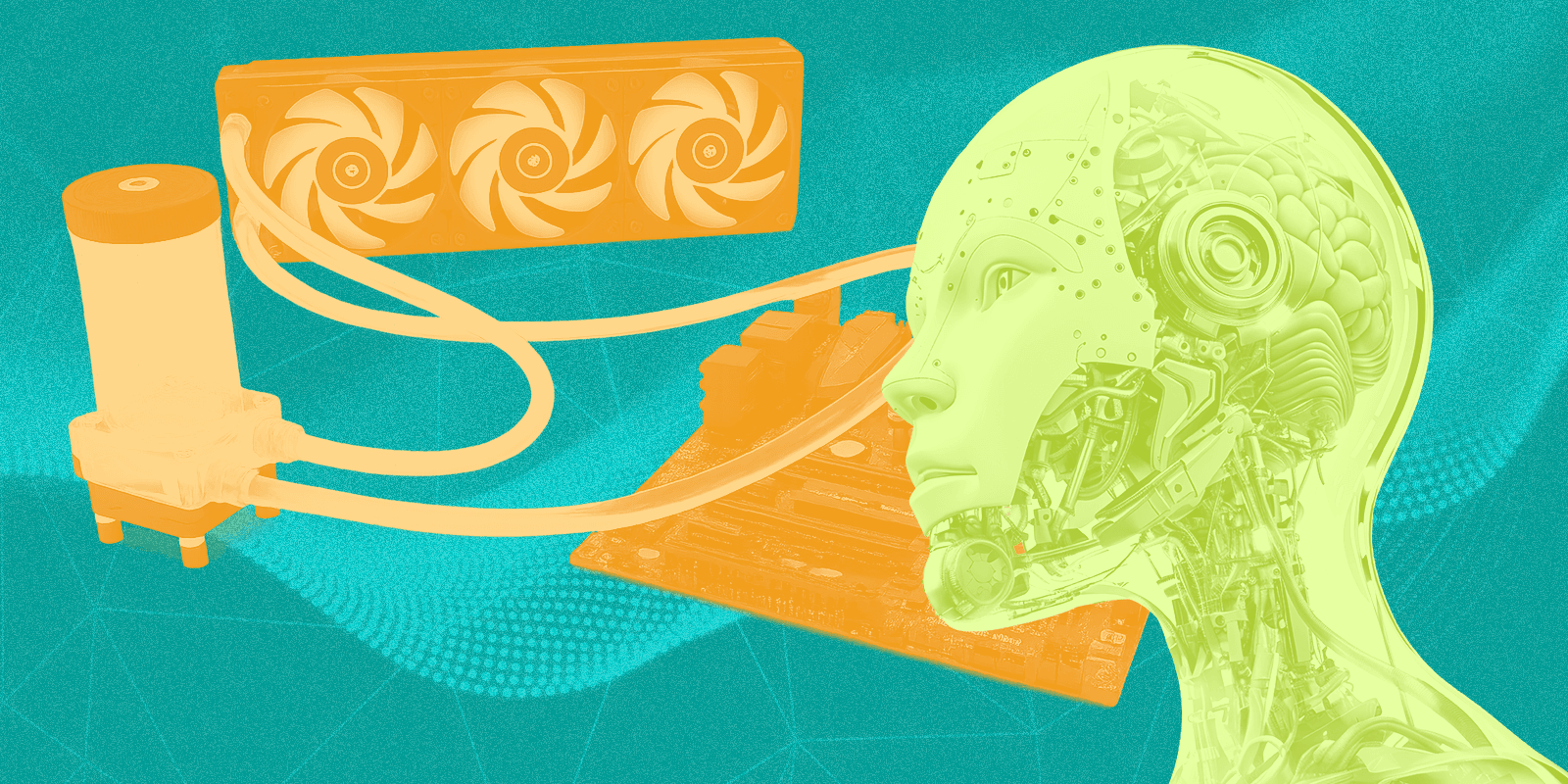
Generative AI is pushing big data beyond its physical limits, requiring infrastructure and hardware experts to meet the growing demands of computing. The computational power is rising and manifesting as immense heat, making data centers and AI equipment increasingly more challenging to cool.
While fans and elevated flooring are effective complements, advanced data center liquid cooling infrastructure is the path forward for keeping utility bills manageable and infrastructure performance scalable.
The Unprecedented Power Density of AI Hardware
A next-generation graphics processing unit (GPU) is one of the most power-hungry components in any data center, particularly for AI operations. Server racks are laden with these components, sometimes drawing over 100kW per rack — leagues more than the typical home in the United States.
Given that the output of a single section of a data center can exceed that of a community of households, standard air- or passive-cooling techniques will be insufficient for high-density server thermal management. The energetic output is too dense and strong for it to dissipate effectively. While they can supplement liquid technologies, they’re not strong enough to serve as the sole strategy, especially as chip production and AI technology have driven a boom in U.S. infrastructure.
The Inefficiency of Air Cooling and the PUE Imperative
Power usage effectiveness (PUE) in every data center is an essential metric that reveals how energy-intensive the facility is. It considers the power available in the building relative to the IT equipment's electricity requirements. Historically, it was a challenge for industry professionals to achieve PUEs below 2.0, indicating that facilities waste over half of their energy. Fortunately, the average is between 1.6 and 1.8, but data centers need to prevent energy waste from overhead.
Cooling infrastructure has been a major source of energy loss, with modern hyperscale facilities using custom, adaptive hardware to enable smart cooling. While this has significantly optimized PUE, it isn’t the standard. As operations undergo cooling evaluations, they have used PUE to justify the high up-front costs of implementing advanced data center liquid cooling infrastructure, like liquid and immersion cooling.
The Fight Against Thermal Throttling
High-density server thermal management sometimes means sacrificing performance. A hot GPU cuts its clock speeds and throttles when it overheats to prevent hardware damage. To prevent service unreliability and unexpected downtime, data centers need to deploy multipronged, robust cooling measures to prevent devices like GPUs from defaulting to this safety mechanism.
However, when data scientists require AI models to operate 24/7 during training, this can lead to even higher thermal output and increased utility costs for temperature regulation. Liquid cooling is more reliable for keeping chips at consistently low temperatures.
It stabilizes their performance, reducing performance frustrations and preserving uptime. If the equipment can run closer to peak performance at all times, especially during training, it improves the customer experience by enabling a more proficient model to be built faster.
The Physical Constraints of Space and Scalability
Air-cooled systems have large footprints, making it more challenging to design a floor plan with enough room for optimized airflow. While liquid cooling infrastructure is complex, it saves space and places cooling devices around the servers instead of nearby or in a localized space.
A pump-based coolant distribution system sends cooling liquid through pipe networks and into cold plates. It’s more space-efficient than antiquated temperature-control methods, and it prioritizes redundancy to make it reliable and scalable.
With this setup, facilities can remove massive plenums and air-handling equipment, allowing them to design aisles more intuitively because they don’t have to consider airflow as much. Instead, they merely need to work around more compact piping systems distributing small amounts of water. Data centers could install more high-density servers with the free space.
Enhancing Hardware Reliability and Lifespan
Optimizing thermal management with liquid cooling does more than save on utility costs and carbon footprint. It also keeps every device working longer. Repeated thermal cycling causes everything on the AI server racks to expand and contract, leading to gradual yet constant degradation.
Eventually, components will fail when they are subjected to sufficient stress. Preserving hardware is critical, especially if facilities want to grow. Therefore, finding more consistent ways to keep racks cool is important for reducing equipment replacement costs and for freeing up additional capital to invest in more innovative and expensive technologies.
Futureproofing for the Next Generation of AI
Transitioning to liquid cooling is a major step in advancing the sustainability and effectiveness of any data center, but futureproofing environmental condition monitoring requires multiple approaches. This includes additional regulatory technologies, such as advanced filtration. Poor filtration is a critical issue even in liquid-cooled data centers, as particulate buildup on heat exchangers obstructs heat transfer, forcing chillers to consume more energy to maintain the same output.
Additionally, water-recycling infrastructure is crucial to making liquid cooling even more sustainable and cost-effective. It helps data centers remain independent and less reliant upon the region’s freshwater reserves, which need to be diverted to citizens and local businesses. With generative AI workloads only increasing in intensity, it’s essential to hold on to usable resources for as long as possible, especially if they keep temperatures down.
The Surprising Truth About Water Consumption
Despite liquid cooling’s reliance on water for temperature regulation, it uses substantially less water than air-cooled methods. This is because liquid is up to 1,000 times more efficient than air at heat transference. These properties minimize overall water consumption that would feed air-cooled systems, and exacerbate the negative environmental impacts of data centers.
Conventional methods also use evaporative cooling, and these towers waste tons of water compared to the closed-loop system of advanced liquid cooling infrastructure. This helps facilities combat this common complaint, especially in areas plagued by water scarcity, while reducing their carbon footprint.
The Industrial Heart of Modern AI
High-density AI operations must consider the future’s needs before implementing more advanced technology. Otherwise, current cooling mechanisms will fail to keep up with warming data centers.
While software and hardware optimizations can optimize to be more energy-efficient, mastering fluid dynamics and liquid cooling must be an industry priority. It will lead to more productive, reliable operations that will maintain competitiveness as AI and big data grow.

The Most Comprehensive IoT Newsletter for Enterprises
Showcasing the highest-quality content, resources, news, and insights from the world of the Internet of Things. Subscribe to remain informed and up-to-date.

New Podcast Episode

Building Real-Time Voice AI Experiences

Related Articles



Related Solutions

Smart Community Management for HOAs
AI-powered community monitoring with real-time visibility into entrances, parking, and shared spaces.
AI-powered community monitoring with real-time visibility into entrances, parking, and shared spaces.
Iveda
Iveda
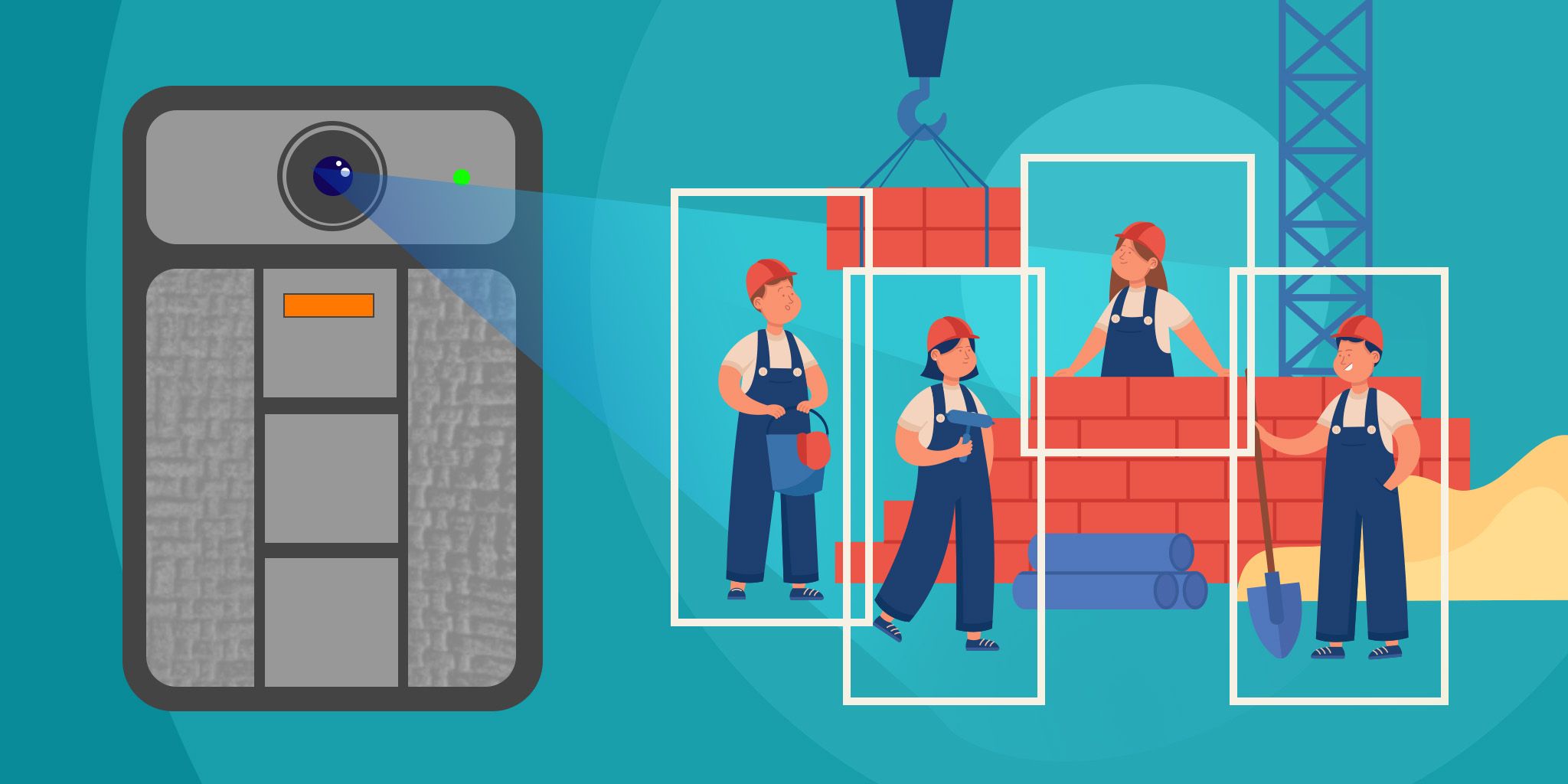
Construction Site Safety Monitoring
AI-powered wearables for real-time PPE compliance monitoring, hazard detection, and incident documentation.
AI-powered wearables for real-time PPE compliance monitoring, hazard detection, and incident documentation.
Iveda
Iveda

Workers' Compensation Fraud Prevention
Quickly verify claims, reduce investigation time, and protect your bottom line with AI-powered video surveillance and analytics.
Quickly verify claims, reduce investigation time, and protect your bottom line with AI-powered video surveillance and analytics.
Iveda
Iveda

Related Solutions
Buildings & Facilities
Smart Community Management for HOAs
AI-powered community monitoring with real-time visibility into entrances, parking, and shared spaces.
Iveda
Construction
Construction Site Safety Monitoring
AI-powered wearables for real-time PPE compliance monitoring, hazard detection, and incident documentation.
Iveda
Construction
Workers' Compensation Fraud Prevention
Quickly verify claims, reduce investigation time, and protect your bottom line with AI-powered video surveillance and analytics.
Iveda