



AI in Action: Transforming Software Development
AI in Action: Transforming Software Development

- Last Updated: February 20, 2026
Net Solutions
- Last Updated: February 20, 2026
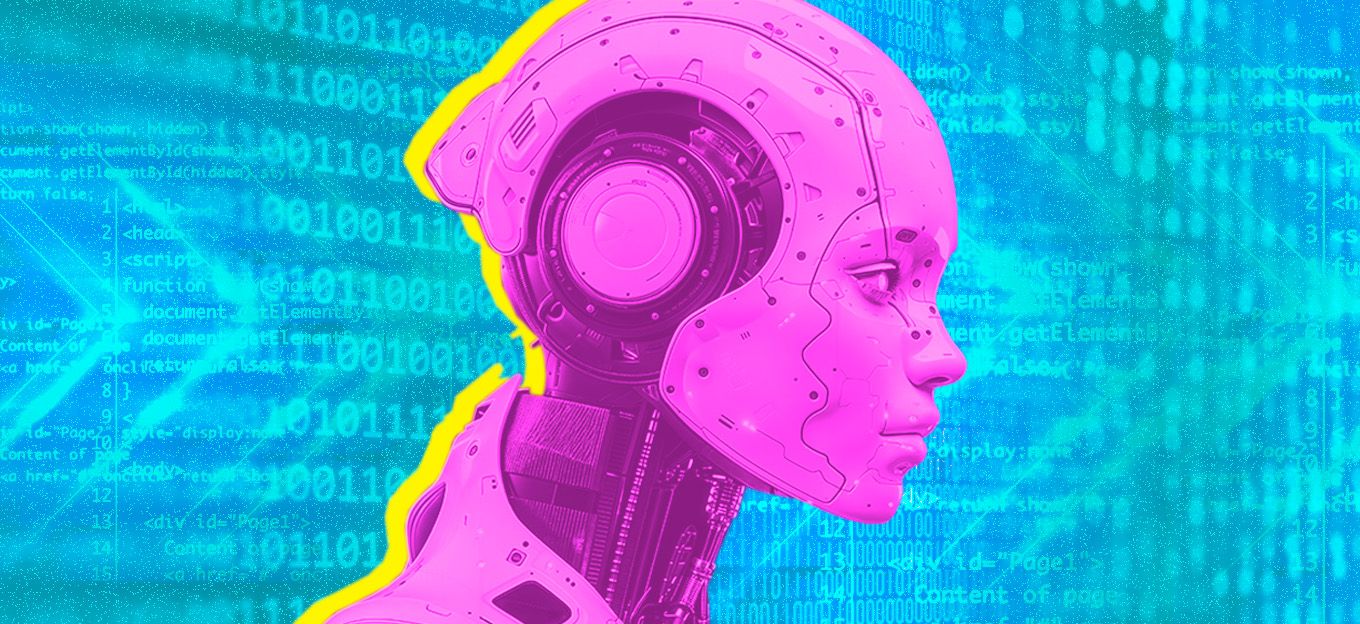
Artificial Intelligence (AI) isn’t just a buzzword in tech circles - it’s rapidly becoming a strategic differentiator for organizations building software today. While some early narratives focused on job displacement, the reality in development teams is very different: AI enhances human capability rather than replacing it. Developers who embrace AI tools are poised to outperform peers who don’t.
Below, we explore how AI is transforming software engineering across the lifecycle - from planning and coding to testing and team productivity - and why technology leaders should be intentional about integrating these tools into their workflows.
Accelerating Developer Learning and Closing Skill Gaps
The software industry continues to grapple with a persistent skills shortage. AI-assisted systems can act as on-demand learning engines, offering curated resources, structured learning paths, and context-aware guidance so both junior and senior engineers can upskill quickly. Rather than passively waiting for experience to accumulate, developers can use AI to accelerate competence in new languages and frameworks.
Reducing Friction in Multilingual Coding
Modern applications often span multiple languages and frameworks - from Python and JavaScript to Go and Swift. AI-powered assistants like GitHub Copilot and AWS Whisperer can generate code snippets, suggest idiomatic constructs, and handle boilerplate logic in real time. This allows developers to focus on architecting solutions instead of memorizing syntax.
Making Code Transparent and Maintainable
Reading and understanding unfamiliar code is time‑intensive. AI’s ability to explain code - translating complex constructs into plain language with rationale - improves knowledge sharing across distributed teams. It also accelerates onboarding, reduces knowledge silos, and creates a stronger foundation for collaborative development.
Streamlining Refactoring and Quality Improvements
Refactoring is essential for long‑term maintainability, but it’s often painful and repetitive. AI can automate many aspects of this work - from renaming identifiers consistently to normalizing patterns and building suggestions that align with best practices. This increases readability and modularity while surfacing architectural improvements developers might otherwise miss.
Enhancing Talent Strategy and Recruitment
Beyond pure engineering workflows, AI can support talent acquisition and retention. Smart recruiting tools help identify and screen candidates effectively, while sentiment analysis and engagement analytics provide insights into workforce dynamics. These capabilities are especially valuable when the labor market is tight and costs are rising.
Automating Testing and Quality Assurance
AI’s impact on quality assurance is profound. Intelligent test generation, automated bug detection, and predictive threat analysis cut testing cycles and enable QA engineers to focus on strategic validation rather than repetitive checks. Self‑healing test suites and anomaly detection further accelerate delivery cycles.
Building Faster Prototypes and Iterations
Rapid prototyping - essential for validating ideas and refining user experiences - is another area where AI excels. Natural language–driven design tools can generate wireframes or suggest workflows, while code synthesis accelerates iteration. What used to take weeks can now be achieved in days.
Improving Project Predictability and Planning
AI can crunch project data and historical trends to forecast timelines, resource needs, and risk vectors. These predictive insights help engineering and product leaders make informed decisions and adjust strategies proactively, improving time‑to‑market and reducing costly rework.
Increasing Developer Engagement and Satisfaction
Repetitive tasks drain motivation and limit creativity. By offloading mundane work to AI, developers can spend more time solving high‑impact problems, improving system designs, and advancing business goals. Teams that adopt AI tools report higher satisfaction, deeper engagement, and greater confidence in their output.
AI as a Multiplier
AI is not a replacement for human developers - it’s a force multiplier. Leaders who invest in AI responsibly will see faster delivery, more resilient software, and teams that spend less time on tasks and more time on innovation. Integrating AI into your development ecosystem today isn’t optional - it’s a competitive imperative for tomorrow’s software leaders.

The Most Comprehensive IoT Newsletter for Enterprises
Showcasing the highest-quality content, resources, news, and insights from the world of the Internet of Things. Subscribe to remain informed and up-to-date.

New Podcast Episode

Building Real-Time Voice AI Experiences

Related Articles


Related Solutions

Smart Community Management for HOAs
AI-powered community monitoring with real-time visibility into entrances, parking, and shared spaces.
AI-powered community monitoring with real-time visibility into entrances, parking, and shared spaces.
Iveda
Iveda
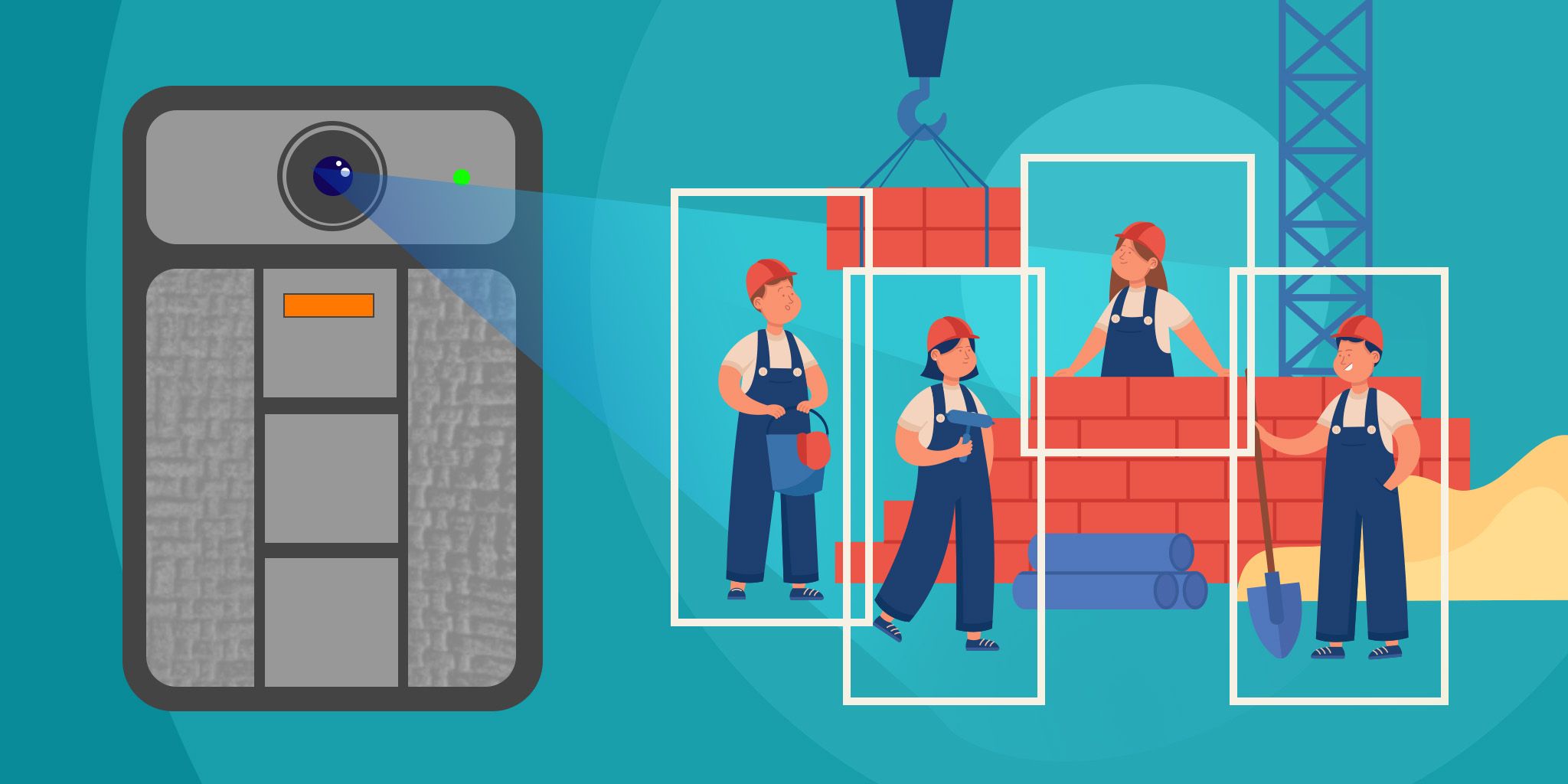
Construction Site Safety Monitoring
AI-powered wearables for real-time PPE compliance monitoring, hazard detection, and incident documentation.
AI-powered wearables for real-time PPE compliance monitoring, hazard detection, and incident documentation.
Iveda
Iveda

Workers' Compensation Fraud Prevention
Quickly verify claims, reduce investigation time, and protect your bottom line with AI-powered video surveillance and analytics.
Quickly verify claims, reduce investigation time, and protect your bottom line with AI-powered video surveillance and analytics.
Iveda
Iveda

Related Solutions
Buildings & Facilities
Smart Community Management for HOAs
AI-powered community monitoring with real-time visibility into entrances, parking, and shared spaces.
Iveda
Construction
Construction Site Safety Monitoring
AI-powered wearables for real-time PPE compliance monitoring, hazard detection, and incident documentation.
Iveda
Construction
Workers' Compensation Fraud Prevention
Quickly verify claims, reduce investigation time, and protect your bottom line with AI-powered video surveillance and analytics.
Iveda