



Industrial IoT and Edge Computing: Building Real-Time Manufacturing Intelligence
Industrial IoT and Edge Computing: Building Real-Time Manufacturing Intelligence

- Last Updated: July 6, 2026
Quixom
- Last Updated: July 6, 2026
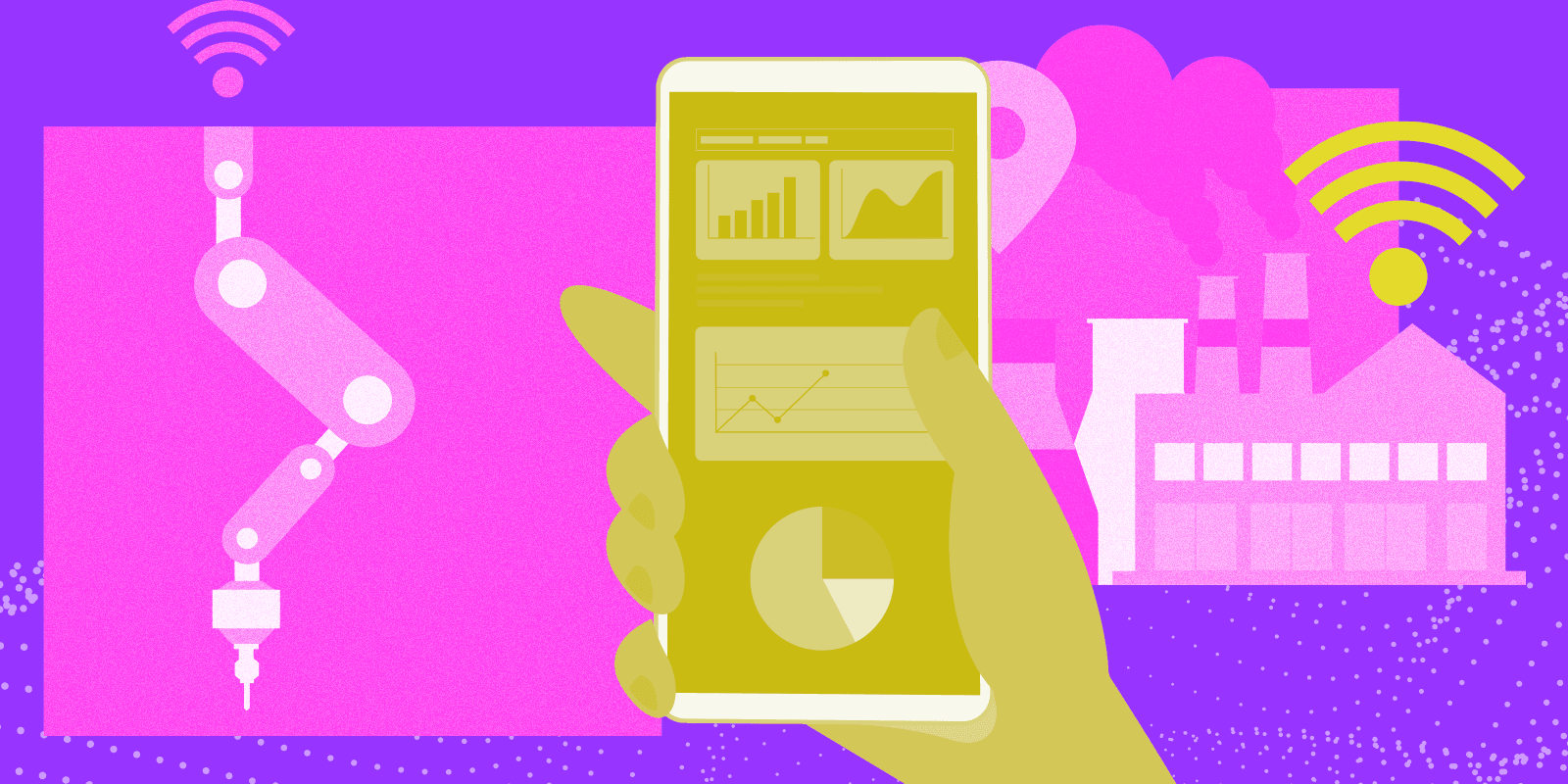
Manufacturing is undergoing a major transformation. Traditional factories that once relied on manual monitoring and delayed reporting are evolving into intelligent, connected environments powered by data.
As competition intensifies and customer expectations continue to rise, manufacturers are seeking technologies that enable faster decision-making, greater efficiency, and improved operational visibility.
Two technologies leading this transformation are Industrial Internet of Things (IIoT) and Edge Computing. Together, they help manufacturers collect, process, and analyze data in real time, creating a foundation for smarter operations and more informed business decisions.
Understanding Industrial IoT in Manufacturing
Industrial IoT refers to the network of connected machines, sensors, devices, and equipment that continuously gather and exchange data across manufacturing environments. These connected systems provide valuable insights into production processes, machine performance, inventory levels, energy consumption, and product quality.
Unlike traditional monitoring systems that often rely on periodic updates, IIoT enables continuous data collection. This allows manufacturers to gain deeper visibility into operations and identify issues before they become costly problems.
For example, sensors installed on production equipment can monitor temperature, vibration, pressure, and operating conditions. This information helps maintenance teams detect early signs of equipment failure and schedule maintenance proactively, reducing unplanned downtime.
The Growing Importance of Edge Computing
While IIoT devices generate enormous amounts of data, sending every piece of information to the cloud for processing can create delays and increase bandwidth costs. This is where Edge Computing becomes essential.
Edge computing processes data closer to where it is generated—at the factory floor, production line, or connected device itself. Instead of transmitting all data to centralized servers, edge systems analyze critical information locally and deliver immediate insights.
This approach significantly reduces latency and enables real-time decision-making. In manufacturing environments where even a few seconds of delay can impact productivity, edge computing provides a competitive advantage.
How IIoT and Edge Computing Work Together
Industrial IoT and edge computing complement each other perfectly. IIoT devices collect operational data, while edge computing platforms analyze and process that data instantly.
Together, they create a real-time manufacturing intelligence ecosystem that enables organizations to:
- Monitor equipment performance continuously
- Detect anomalies before failures occur
- Improve production efficiency
- Reduce operational costs
- Enhance product quality
- Increase workplace safety
- Optimize resource utilization
By transforming raw data into actionable intelligence, manufacturers can make faster and more accurate decisions across their operations.
Key Benefits for Modern Manufacturers
Predictive Maintenance
One of the most valuable applications of IIoT and edge computing is predictive maintenance. Instead of following fixed maintenance schedules, manufacturers can use real-time machine data to predict potential failures before they happen.
This reduces downtime, lowers maintenance costs, and extends equipment lifespan.
Real-Time Quality Control
Manufacturers can use connected sensors and AI-powered edge devices to identify quality issues during production rather than after products have been completed.
Early detection helps reduce waste, improve customer satisfaction, and maintain consistent product standards.
Enhanced Operational Visibility
Real-time dashboards provide managers with immediate insights into production performance, machine utilization, and process bottlenecks.
This visibility enables quicker responses to disruptions and improves overall operational efficiency.
Improved Energy Management
Manufacturing facilities consume significant amounts of energy. IIoT sensors combined with edge computing help monitor energy usage across machines and production lines, identifying opportunities to reduce consumption and operating expenses.
Industry Applications Driving Adoption
Manufacturers across various sectors are already benefiting from these technologies.
In automotive manufacturing, connected production systems help improve assembly line efficiency and product quality.
In electronics manufacturing, edge-enabled inspection systems identify defects instantly, reducing rework and production losses.
Food and beverage manufacturers use real-time monitoring to ensure product quality, maintain compliance, and optimize production processes.
Similarly, pharmaceutical companies rely on connected systems to monitor environmental conditions and maintain strict quality standards throughout production.
The Future of Manufacturing Intelligence
As artificial intelligence, machine learning, and automation continue to evolve, the role of Industrial IoT and edge computing will become even more significant. Future manufacturing environments will increasingly depend on autonomous systems capable of making intelligent decisions without human intervention.
Organizations that invest in these technologies today will be better positioned to improve productivity, increase operational resilience, and adapt to changing market demands.
Refining Manufacturing
Industrial IoT and edge computing are redefining how manufacturers collect, process, and utilize operational data. By enabling real-time manufacturing intelligence, these technologies empower businesses to move from reactive operations to proactive decision-making.
From predictive maintenance and quality control to operational visibility and energy optimization, the benefits extend across every aspect of manufacturing. As digital transformation accelerates, manufacturers that embrace IIoT and edge computing will gain the agility, efficiency, and intelligence needed to thrive in an increasingly competitive landscape.

The Most Comprehensive IoT Newsletter for Enterprises
Showcasing the highest-quality content, resources, news, and insights from the world of the Internet of Things. Subscribe to remain informed and up-to-date.

New Podcast Episode

Building Real-Time Voice AI Experiences

Related Articles



Related Solutions
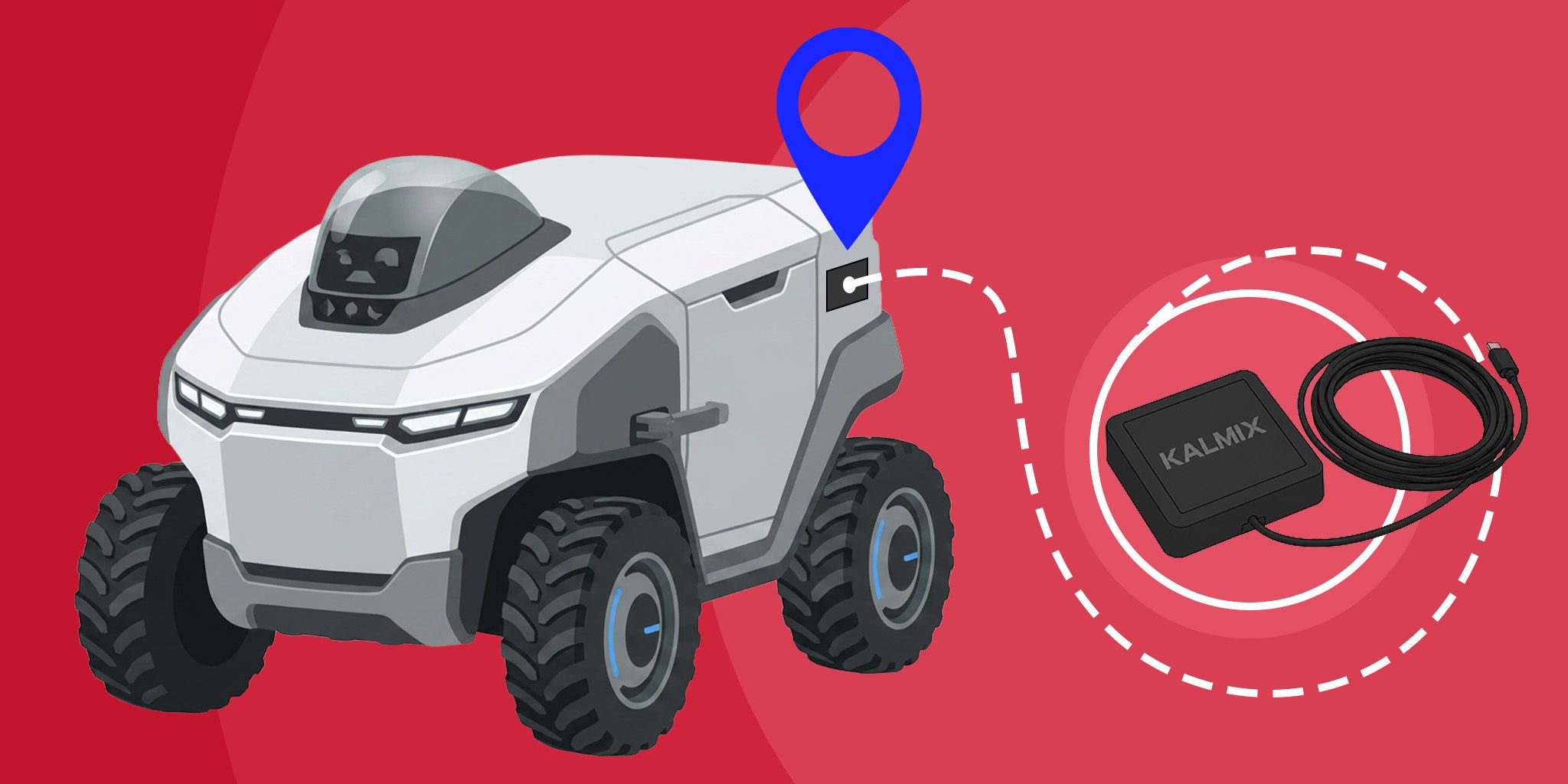
RTK Positioning for Robotics and Field Machines
High-precision positioning. Achieve centimeter-level accuracy without the complexity of building custom hardware from scratch.
High-precision positioning. Achieve centimeter-level accuracy without the complexity of building custom hardware from scratch.
Kalmix
Kalmix

Remote Propane Tank Monitoring
Retrofit LoRaWAN® sensor to provide accurate, real-time fuel level readings from R3D-compatible gauges.
Retrofit LoRaWAN® sensor to provide accurate, real-time fuel level readings from R3D-compatible gauges.
EAMS Technologies
EAMS Technologies

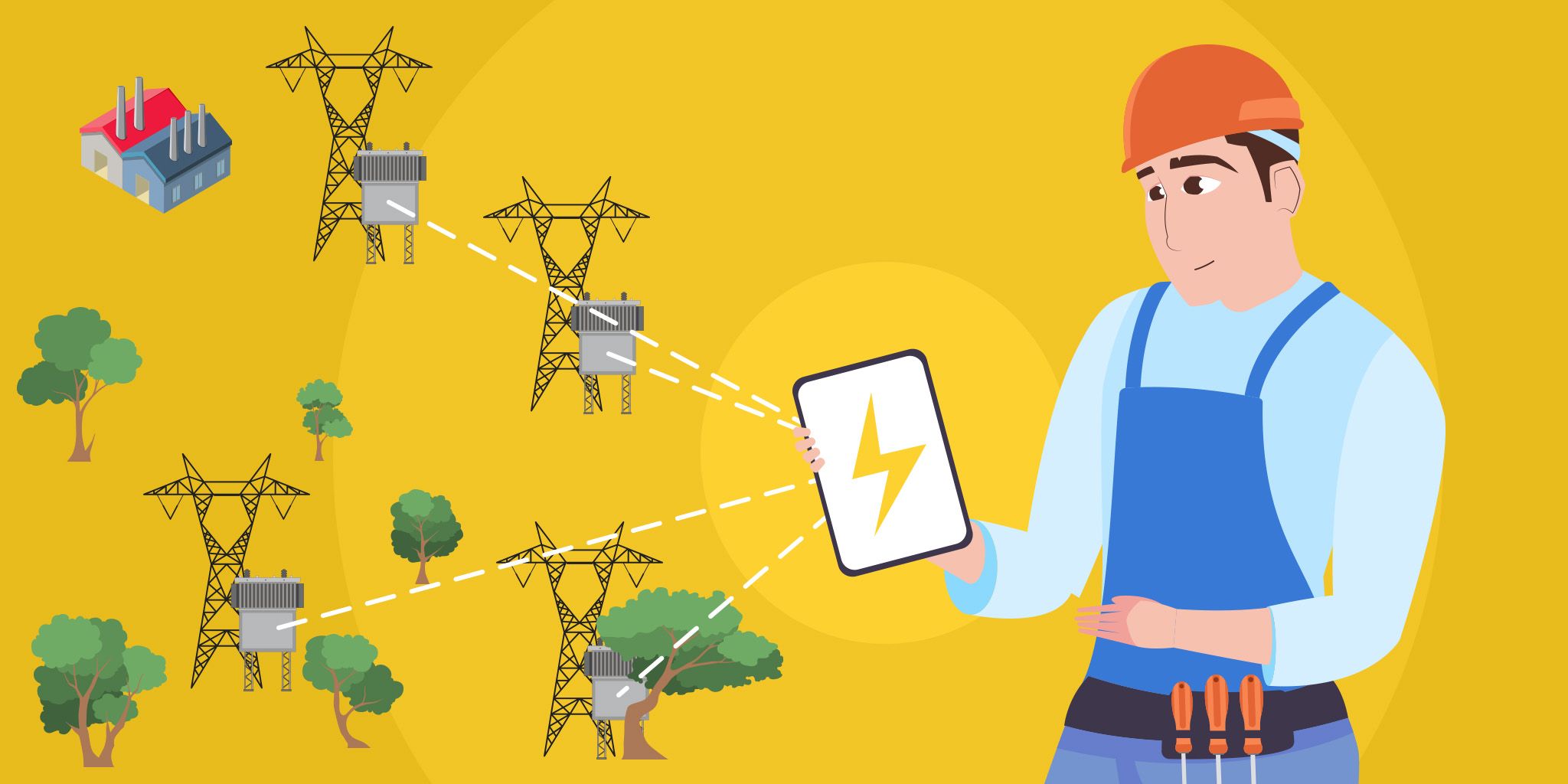
Condition Monitoring and Analytics for Industrial Systems
Monitor, maintain, and automate distributed industrial systems using customizable edge-to-cloud intelligence.
Monitor, maintain, and automate distributed industrial systems using customizable edge-to-cloud intelligence.
Pratexo
Pratexo

Related Solutions
Industrial
RTK Positioning for Robotics and Field Machines
High-precision positioning. Achieve centimeter-level accuracy without the complexity of building custom hardware from scratch.
Kalmix
Industrial
Remote Propane Tank Monitoring
Retrofit LoRaWAN® sensor to provide accurate, real-time fuel level readings from R3D-compatible gauges.
EAMS Technologies
Industrial
Condition Monitoring and Analytics for Industrial Systems
Monitor, maintain, and automate distributed industrial systems using customizable edge-to-cloud intelligence.
Pratexo