



The Evolution of Industrial Joystick Controllers in the Era of IoT & Smart Machinery
The Evolution of Industrial Joystick Controllers in the Era of IoT & Smart Machinery

- Last Updated: January 29, 2026
Aaron Smith
- Last Updated: January 29, 2026

For most people, the word joystick probably brings to mind video games, flight simulators, or maybe a childhood memory of an arcade cabinet. But step onto a construction site, into a mining operation, or onto the deck of an offshore vessel, and you’ll find joysticks doing far more serious work.
Industrial joystick controllers are the unsung translators between human intent and machine motion. In the past decade, they’ve quietly evolved from rugged mechanical levers into smart, connected input devices that play a meaningful role in the Internet of Things (IoT) ecosystem, powering modern machinery and business process automation as these technologies meet with AI solutions.
This evolution isn’t just about better ergonomics or smoother movement. It’s about the sensors, data, connectivity, and intelligence built right into the heavy-duty joystick controllers used in industries across the world.
The Early Days
Early industrial joysticks were straightforward tools. Move the handle forward, and the voltage changes. Push left, and the voltage changes again. Those signals traveled down wires to hydraulic valves or motor controllers, and the machine responded.
That simplicity was a strength and a limitation. As machines became more complex and more connected, joysticks had to do more than just “move stuff.” Today’s smart machinery expects its input devices to communicate reliably, diagnose themselves, and even provide insight into how the machine is being used.
In modern IoT-enabled equipment, the joystick isn’t just a control. It’s a data source.
Why IoT Changed the Role of the Joystick
IoT in industrial equipment is all about visibility. Fleet managers want to know how machines are used. Maintenance teams want early warnings before failures happen. Engineers want consistent performance across platforms.
Industrial joysticks now contribute to all of that. Connected joysticks, often using CAN bus standards like CANopen or SAE J1939, send digital messages instead of raw voltages. These messages can include:
- Exact position and movement speed of the joystick
- Button presses and mode changes
- Internal fault flags or calibration status
- Temperature, voltage, or sensor health data
That means the joystick can now talk back. If something feels off to the operator, there’s often data to back it up. Think of it like the difference between an old light switch and a smart thermostat. Both control something, but only one can tell you how it’s being used and whether it’s working properly.
A Quick Timeline of Joystick Evolution
The Analog Era
For decades, the heart of an industrial joystick was always the potentiometer. A potentiometer is a variable resistor—think of a volume knob on a stereo. Move the joystick, the resistance changes, and the controller interprets that change as motion.
Potentiometers worked well and are still used today, especially in cost-sensitive or retrofit applications. You’ll find them in:
- Older forklifts and pallet handlers
- Basic agricultural equipment
- Simple marine control panels
Their downside? Physical contact. Over time, friction causes wear and tear, meaning the joystick will eventually need to be replaced.
The Shift to Contactless Sensors
As machines became more expensive and downtime more costly, joystick manufacturers moved toward contactless angle sensors. Instead of relying on physical contact, Hall-effect or magnetoresistive sensors detect movement using magnetic fields. No rubbing parts means less wear and far better long-term stability.
For operators, the change is subtle: smoother motion, more consistent response. For machine owners, it’s huge: longer service life and fewer unexpected failures. This technology is now widely used in:
- Excavator and wheel loader joysticks
- Telehandler and boom lift controls
- Forestry harvesters and forwarders
The Digital Leap: Embedded Intelligence
Modern joysticks often include onboard microcontrollers. These tiny computers handle signal filtering, dead zones, custom response curves, and diagnostics. All of it happens before data ever reaches the main machine controller. This is where IoT really enters the picture. Instead of dozens of analog wires, a single digital network cable can carry all joystick data, cleanly and reliably.
Where Industrial Joysticks Do the Heavy Lifting
Material Handling and Warehousing
Forklifts, reach trucks, and container handlers rely on precise joystick control in tight spaces. In smart warehouses, joystick inputs integrate with collision avoidance systems and operator analytics platforms, helping companies improve safety without slowing productivity.
Construction and Earthmoving
Walk into the cab of a modern excavator, and you’ll find dual multi-axis joysticks controlling attachments like the boom, arm, bucket, swing, and auxiliary hydraulics. These joysticks often use CAN-based communication and automatically change behavior based on the attachment, such as a bucket, breaker, or grapple.
Marine and Offshore Applications
From shipboard cranes to winches and ROV launch systems, marine joysticks must survive salt spray, humidity, and constant motion. Connected joysticks allow offshore operators to diagnose issues remotely, which is an enormous advantage when service visits are expensive and weather dependent.
Agriculture and Forestry
Modern tractors and harvesters might look like any old farm equipment, but they are rolling data centers. IoT platforms can use joystick data to correlate operator input with yield maps, fuel use, and machine performance. These devices can even help target unwanted plants for weeding.
Manufacturing, Robotics, and AGVs
In factories, joysticks appear on teach pendants and manual override controls for robots and automated vehicles. These joysticks log interventions, helping engineers understand where automation struggles and human input is still required.
How Joystick Data Flows Through an IoT System
In a typical smart machine, the data path looks like this:
Joystick → Machine Controller → Industrial Network → Telematics Gateway → Cloud Platform
Along the way, data is filtered, logged, and analyzed. Over time, patterns emerge about machine usage, operator behavior, and component health. This is how something as small as a joystick contributes to big-picture decisions.
What’s Next for Industrial Joysticks
Looking ahead, industrial joysticks are becoming more adaptive and more aware. Expect to see:
- More force feedback and haptics
- Software-defined control profiles that change with machine context
- Tighter integration with semi-autonomous systems
As machines take on more decision-making, joysticks will remain the trusted human interface. Future advancements will likely be less about constant control and more about the guidance and oversight that make smarter systems.
You May Never Touch an Industrial Joystick, But You Benefit from Them Every Day
Industrial joystick controllers have come a long way from simple levers and wires. Today, they’re intelligent, connected devices that sit comfortably within IoT-driven ecosystems. They still translate human intent into motion, but now they also provide insight, reliability, and data-driven value. In the era of smart machinery, the joystick isn’t just along for the ride; it is part of the intelligence that keeps the modern world moving.

The Most Comprehensive IoT Newsletter for Enterprises
Showcasing the highest-quality content, resources, news, and insights from the world of the Internet of Things. Subscribe to remain informed and up-to-date.

New Podcast Episode

Building Real-Time Voice AI Experiences

Related Articles

Related Solutions
RTK Positioning for Robotics and Field Machines
High-precision positioning. Achieve centimeter-level accuracy without the complexity of building custom hardware from scratch.
High-precision positioning. Achieve centimeter-level accuracy without the complexity of building custom hardware from scratch.
Kalmix
Kalmix
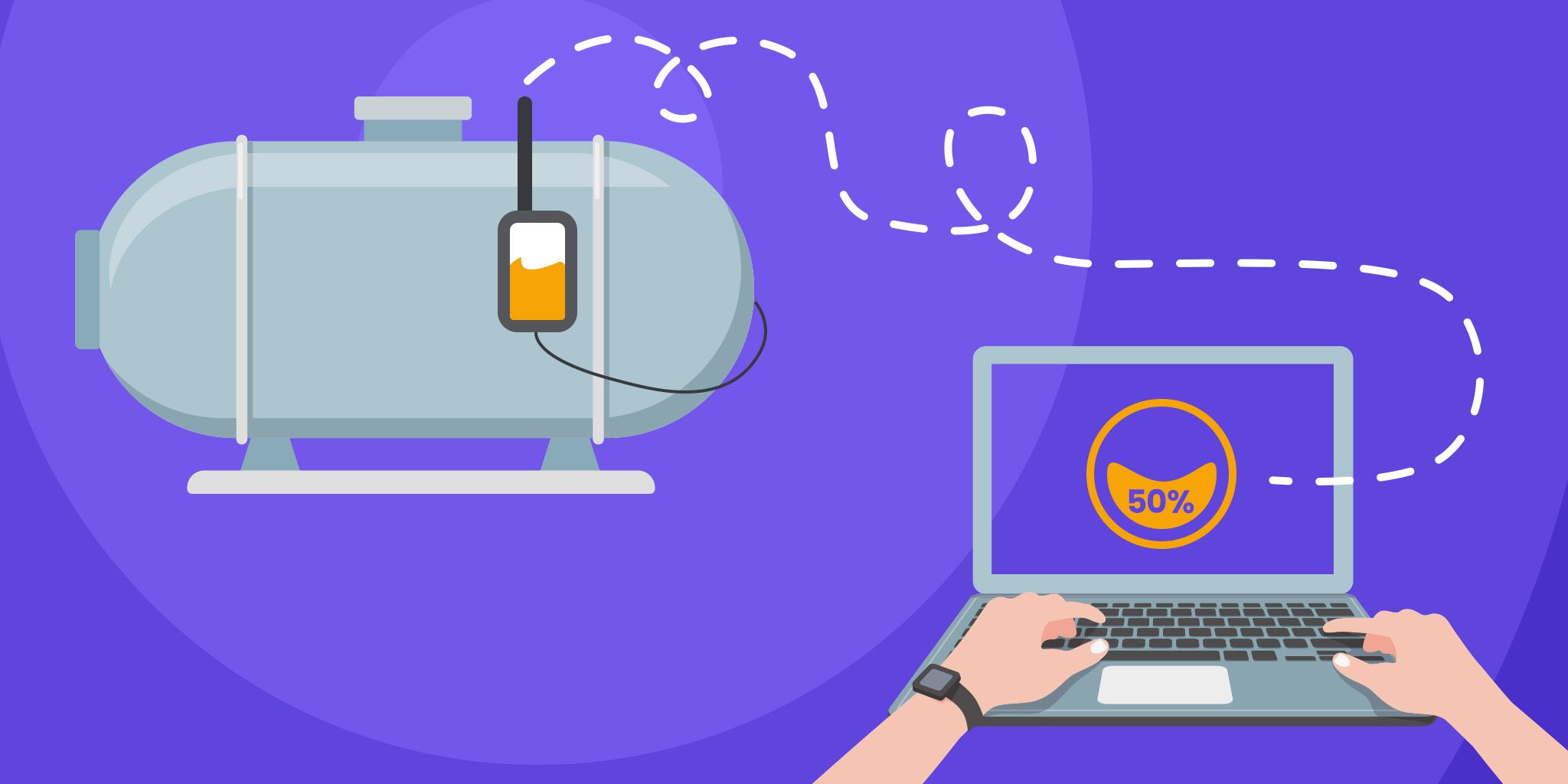
Remote Propane Tank Monitoring
Retrofit LoRaWAN® sensor to provide accurate, real-time fuel level readings from R3D-compatible gauges.
Retrofit LoRaWAN® sensor to provide accurate, real-time fuel level readings from R3D-compatible gauges.
EAMS Technologies
EAMS Technologies

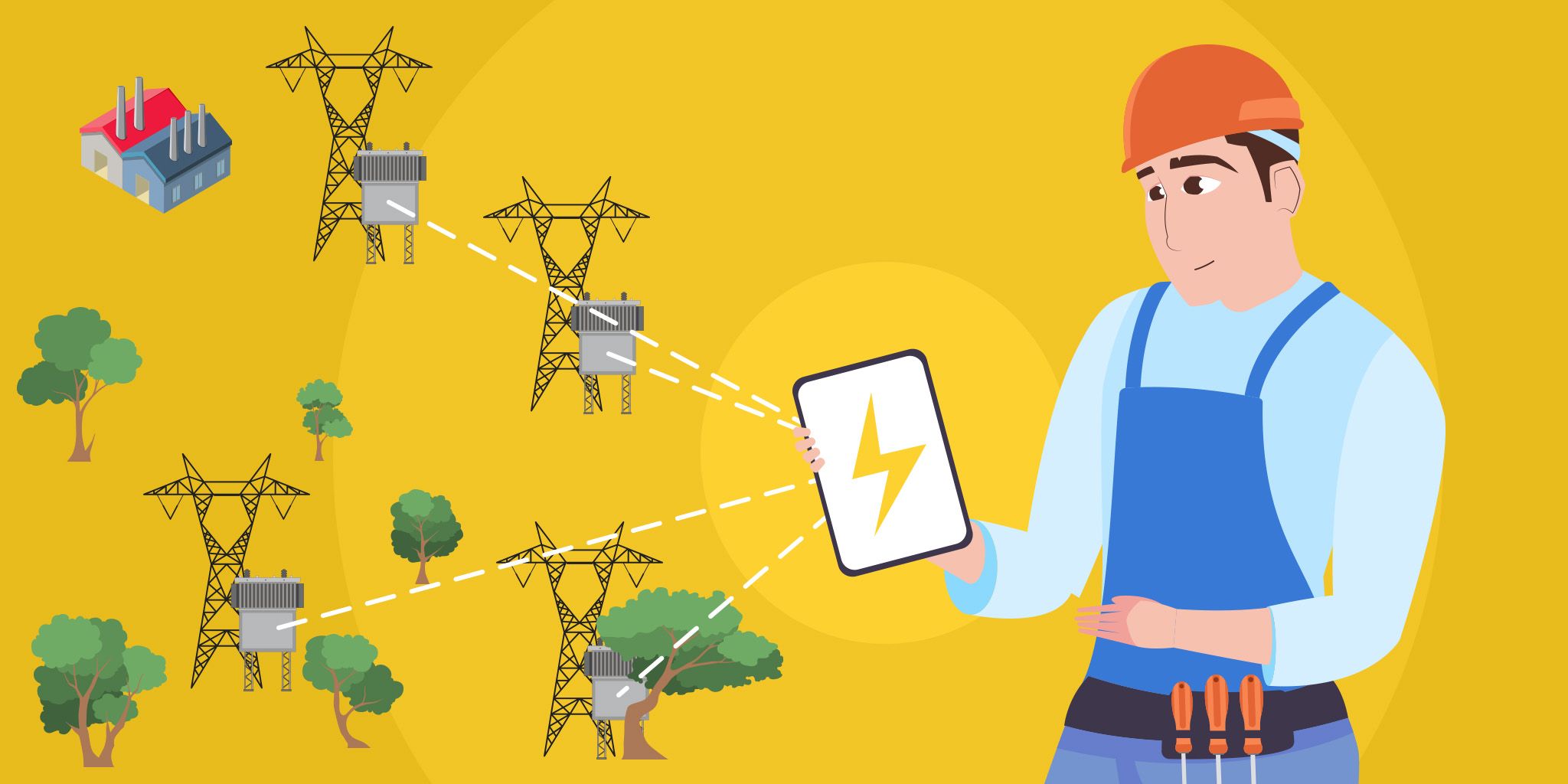
Condition Monitoring and Analytics for Industrial Systems
Monitor, maintain, and automate distributed industrial systems using customizable edge-to-cloud intelligence.
Monitor, maintain, and automate distributed industrial systems using customizable edge-to-cloud intelligence.
Pratexo
Pratexo

Related Solutions
Industrial
RTK Positioning for Robotics and Field Machines
High-precision positioning. Achieve centimeter-level accuracy without the complexity of building custom hardware from scratch.
Kalmix
Industrial
Remote Propane Tank Monitoring
Retrofit LoRaWAN® sensor to provide accurate, real-time fuel level readings from R3D-compatible gauges.
EAMS Technologies
Industrial
Condition Monitoring and Analytics for Industrial Systems
Monitor, maintain, and automate distributed industrial systems using customizable edge-to-cloud intelligence.
Pratexo