



IoT in Cold Chain Management: Unlocking Significant Efficiency and Reliability
IoT in Cold Chain Management: Unlocking Significant Efficiency and Reliability

- Last Updated: March 31, 2026
MOKO SMART
- Last Updated: March 31, 2026
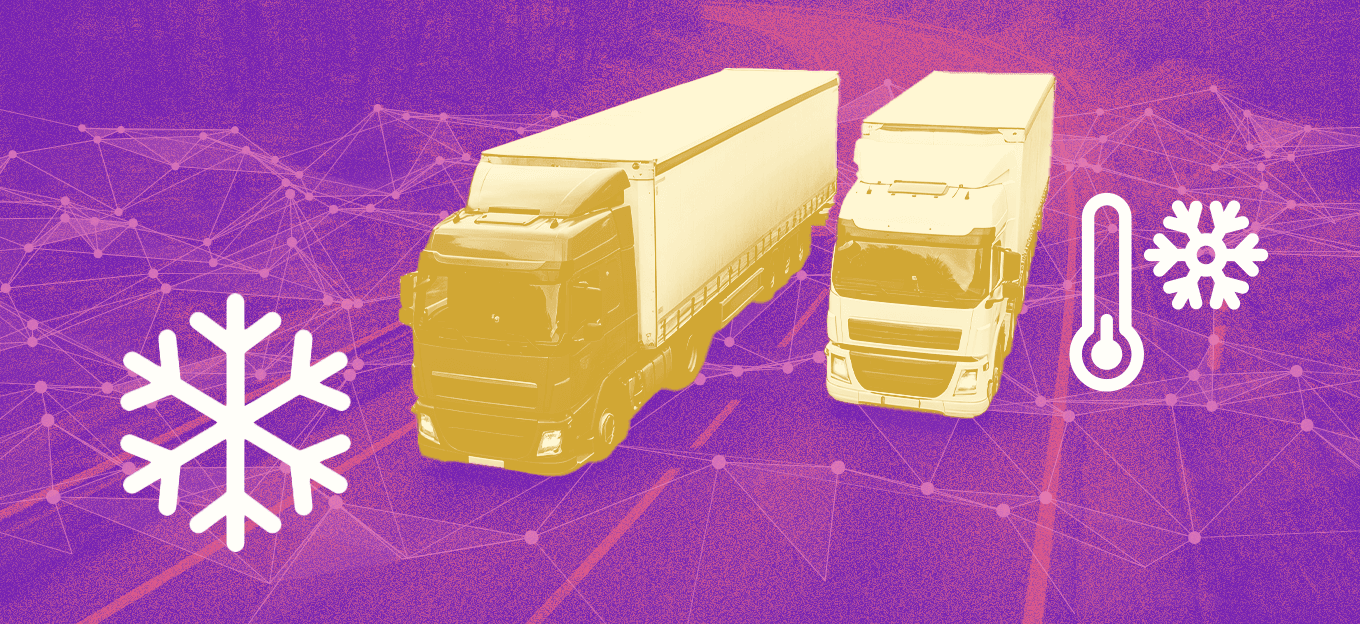
The cold chain logistic has gained increasingly attention and its global market has reached $436.3 billion in 2025. This is contributed by the needs for temperature-sensitive products. The logistics of them need high level environment monitoring during the whole transportation process, including storage, loading, transit, and delivery phases. A delayed handover operation or a door that has been left open for just a few minutes may ruin the entire batch of products.
Nowadays, the cold chain monitoring is not limited to temperature factor, but also refer to others like humidity and location information as well. IoT is a strategic technology to make these factors clear. In this article, we would like to share a little bit about IoT cold chain management system.
What is Cold Chain Management?
Cold chain management stands as an end-to-end solution designed to safeguard the integrity of products which are sensitive to temperature and humidity. Comparing to basic cold chain monitoring, which often operates as a passive method focused more on temperature fluctuation monitoring, cold chain management is much more comprehensive. It goes beyond simply temperature detection, but a complex system to manage and optimize every stage in the whole transportation process from origin to end user.
At its core, cold chain management is aimed to maintaining the quality and efficacy of perishable products, including a large span of products like fresh vegetables, dairy products, pharmaceuticals and more. It ensures them could be strictly controlled environmental conditions throughout their life cycle. The process not only includes the transportation and warehousing, but also overlooked steps like pre-cooling at the source of production, and last-mile delivery to destinations.
How does IoT Cold Chain System work?
One IoT cold chain system usually demands the great connections of three main aspects, cold chain sensors, gateways and a software platform. Each component plays a significant role in ensuring the seamless flow of data within whole process.
Cold Chain Sensors: Data Collector
Cold chain sensors refer to small but powerful devices, which are usually placed within transported containers, storage facilities or even packages to collect environmental data. Also, additional sensors may also need to monitor related parameters like door status and real-time positions. This is particularly important for risky shipments, as it allows for precise tracking and ensures shipped products are safe during the whole transportation process – even status of compartment door could also be tracked. Once data has been collected, it will be processed and packaged in a digital format ready for further transmission. The wireless communication protocols need to be chosen according to real needs, often including Bluetooth®, LoRaWAN® or others.
Gateway: Data Transfer Station
Serving as a communication bridge between cold chain sensors and the cloud platform, gateways are responsible for receiving data packets transmitted by sensors. Typically, they are installed in strategic locations such as warehouses, distribution centers, or even on-board transportation vehicles. After aggregating collected data from multiple sensors, gateway could convert it into a standardized format that can be easily transmitted to the cloud. In some cellular solutions, sensors could transfer data to software directly, eliminating the need for additional gateways.
Software Platform: Data Analyzer
A software platform is like the brain of an IoT cold chain system. It receives data from gateways and stores it in a centralized database. Then, analytics tools could be used to analyze the data and gain insightful information. Dashboards of platform could provide a visual representation of all collected data, allowing managers to quickly access the status of shipments and identify any potential problems.
The cold chain system needs a great combination of each part. Typically speaking, hardware part (sensors and gateways) is designed to be rugged and reliable, as it usually needs to be operated in harsh environments and withstand rigors supply chain conditions.
Key Advantages of IoT Cold Chain Management
After IoT technology stepped in cold chain system, it has unlocked new operational possibilities, delivering enormous values across multiple dimensions.
Continuous & Real-time Monitoring
Traditionally, cold chain monitoring relied heavily on manual checks and periodic temperature readings, potentially leaving human errors and delayed responses. IoT solution changes it by deploying automatic sensors, transforming the process to a more data-driven and proactive ecosystem. The constant flow of data enables managers to monitor environment metrics and even shipment status from internet-enabled devices at any time and any place. Automated alerts could also be set to trigger instant notifications (via dashboard or even email) the moment conditions deviate from predefined thresholds, enabling rapid intervention to mitigate risks.
Proactive Prediction
Beyond real-time monitoring, IoT-powered cold chain systems leverage advanced analytics to predict potential failures before occurrence. By analyzing current and historical sensor data, the system could assist to identify situations that might result equipment malfunctions – a consistently increase or decrease temperature trend might indicate a machine breakdown. This allows maintenance team to schedule repairs in advance, reducing unplanned downtime that may lead to product deterioration.
End-to-End Visibility
IoT technology helps create a totally transparent supply chain by assigning unique digital identifiers (different sensor has single identifier) to every shipment. These identifiers enable stakeholders to track exact locations and status of goods. This high-level of visibility is particularly valuable for perishable goods, where delays in transit may have adverse effects on quality and shelf life.
In cold chain industry, IoT stepped in as a transformative force to make the whole process more efficient and reliable. Looking ahead, the future of cold chain management will be shaped by more emerging technologies like 5G or even AI. For businesses, embracing IoT solutions is no longer strange, but a more necessity to meet evolving needs in such an increasingly connected world. As we could expect, IoT technology is not just improving cold chain operations, it would develop as a critical tool to optimize operations in various industries.

The Most Comprehensive IoT Newsletter for Enterprises
Showcasing the highest-quality content, resources, news, and insights from the world of the Internet of Things. Subscribe to remain informed and up-to-date.

New Podcast Episode

Building Real-Time Voice AI Experiences

Related Articles


Related Solutions
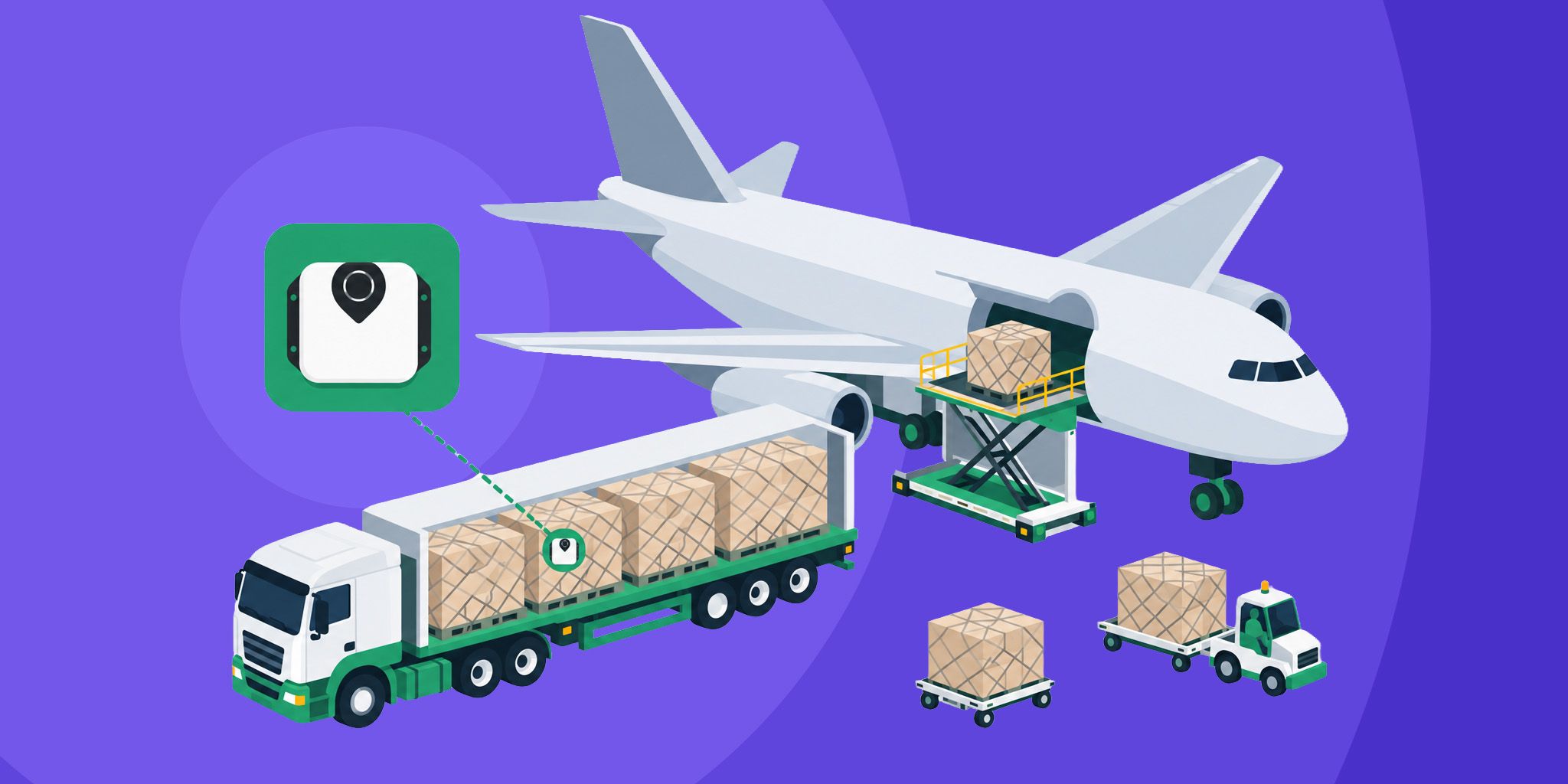
Unit Load Device Tracking for Airports
Real-time visibility into Unit Load Devices and supporting airport assets with solar-powered tracking and BLE.
Real-time visibility into Unit Load Devices and supporting airport assets with solar-powered tracking and BLE.
SODAQ
SODAQ
Long-Endurance Aerial Monitoring and Response
AI-powered analytics and mission-ready aircraft for public safety, maritime, search and rescue, and emergency response.
AI-powered analytics and mission-ready aircraft for public safety, maritime, search and rescue, and emergency response.
Iveda
Iveda
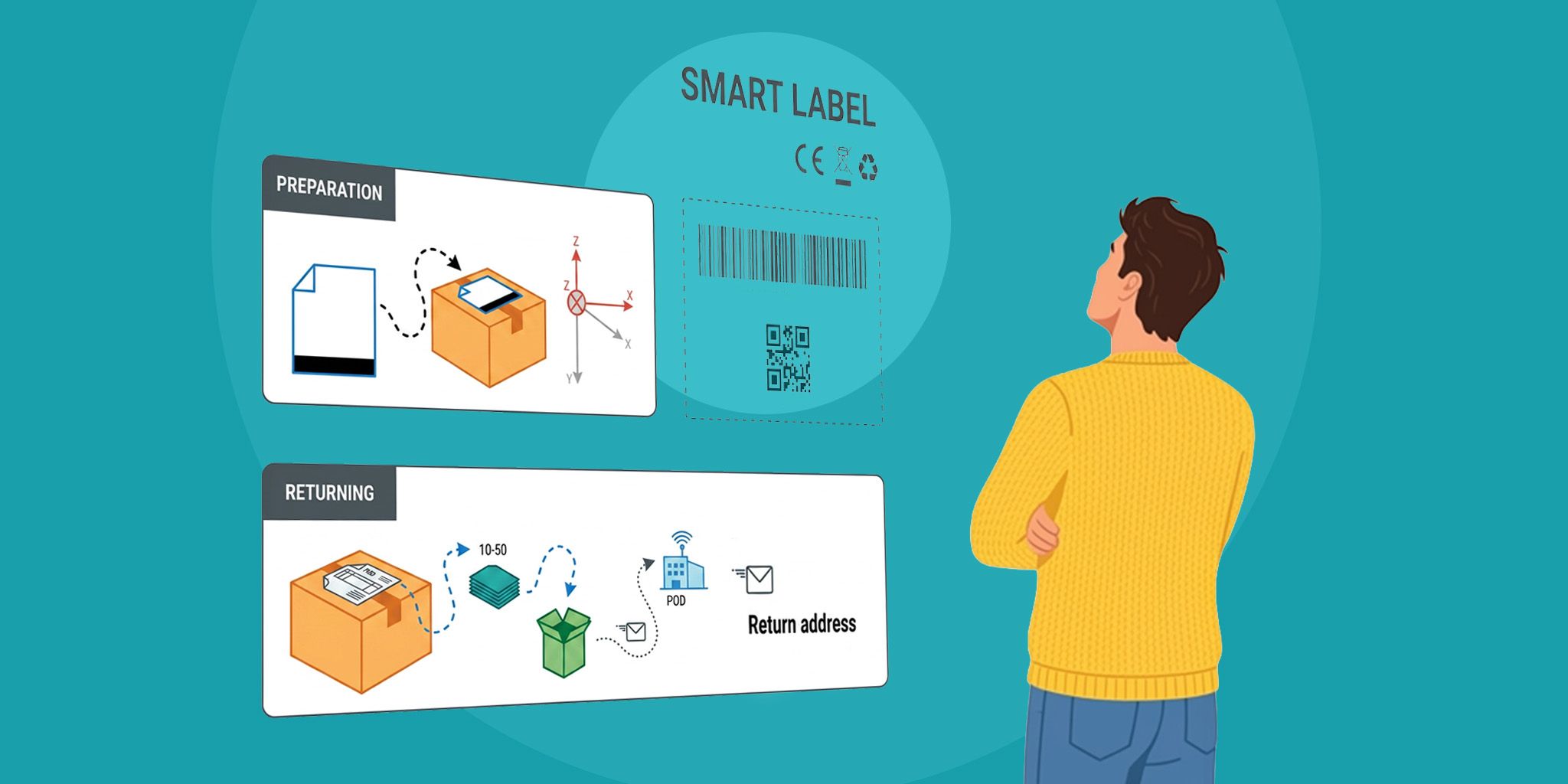
Smart Shipping Label for Supply Chain
Easy-to-deploy shipping label that provides real-time visibility into location, condition, and handling to reduce damage and optimize logistics.
Easy-to-deploy shipping label that provides real-time visibility into location, condition, and handling to reduce damage and optimize logistics.
SODAQ
SODAQ

Related Solutions
Supply Chain & Logistics
Unit Load Device Tracking for Airports
Real-time visibility into Unit Load Devices and supporting airport assets with solar-powered tracking and BLE.
SODAQ
Maritime & Boating
Long-Endurance Aerial Monitoring and Response
AI-powered analytics and mission-ready aircraft for public safety, maritime, search and rescue, and emergency response.
Iveda
Supply Chain & Logistics
Smart Shipping Label for Supply Chain
Easy-to-deploy shipping label that provides real-time visibility into location, condition, and handling to reduce damage and optimize logistics.
SODAQ