


How IoT Data Can Personalize Behavioral Health Treatment Plans
How IoT Data Can Personalize Behavioral Health Treatment Plans

- Last Updated: January 23, 2026
Streamline Healthcare Solutions
- Last Updated: January 23, 2026

IoT systems keep changing how behavioral health teams understand what happens between appointments. Instead of relying on memory or quick check-ins, clinicians can follow patterns that unfold quietly in the background. Continuous data from connected devices provides small but meaningful insights, often reshaping how a treatment plan is built. The result is care that feels more informed, more responsive, and, when handled ethically, more accurate than older, episodic models.
Moving from self-report alone to something more dimensional is becoming a practical expectation in modern behavioral health workflows.
Understanding What Passive Physiological Data Reveals
Wearables and home sensors record sleep cycles, movement, and heart rate shifts without demanding effort from the patient. Because the data shows up automatically, it avoids the inconsistencies that come with symptom journals.
A clinician might notice that someone who reports feeling calm also shows several nights of fragmented sleep. Or that activity levels flatten out long before the person recognizes the change. These mismatches help guide early conversations that may prevent more serious downturns later.
For organizations already using mental health practice management software, these streams integrate with existing documentation and scheduling workflows, enabling teams to cross-reference trends with clinical notes rather than treating data as a separate universe.
How Environmental Factors Add Context
Ambient sensors can track noise, temperature, and lighting variations in a person’s daily routine. None of these signals guarantees an emotional state, yet they offer hints. A room that stays bright late into the night or an apartment with rising sound levels could correlate with disrupted rest or stress buildup.
These signals are quiet but persistent. Over time, they create a background layer that clinicians can use to ask more pointed questions, which often leads to better alignment between the treatment plan and the patient’s living conditions.
Shifting Toward Proactive Adjustment of Care
Once patterns repeat, clinicians can intervene earlier. A sudden drop in daily steps might prompt a quick check-in. A rise in resting heart rate over several days could suggest accumulating anxiety.
Because these insights come from consistent data rather than isolated moments, adjustments to therapy frequency, coping strategies, or referral decisions can happen sooner. IoT data does not replace discussion; it simply prompts it at the right time.
Patients often appreciate that their clinician notices subtle shifts that might otherwise remain unspoken. The interaction becomes a shared exploration rather than a reactive response.
Ethical Use as the Foundation
Behavioral health involves sensitive information, and continuous monitoring raises questions. Clear consent processes help patients understand what is captured, why it matters, and how long it stays in the system.
Strong encryption and strict access rules reduce the risk of misuse. Transparent communication builds trust, which is essential if IoT data is going to support care rather than complicate it. Ethical design is not decorative; it is what makes long-term adoption possible.
Why IoT Professionals Play a Central Role
As device ecosystems mature, engineers and product teams shape the quality of insights clinicians receive. Reliability, battery life, sensor accuracy, interoperability, and secure data flows all determine how well these tools fit into a behavioral health setting.
When IoT systems deliver steady, interpretable information, clinicians can form more personalized, evidence-supported treatment plans that evolve at the pace of real life.
The broader opportunity is clear: continuous data gives behavioral health a level of resolution it lacked for decades. If developed carefully and used with respect for patient autonomy, IoT technology can help produce treatment plans that reflect both physiology and environment — two dimensions that rarely lie.
Author bio: Britt McNichols has been the Marketing Manager at Streamline Healthcare Solutions for more than two years. She focuses on empowering people to improve the quality of life for those in need.

The Most Comprehensive IoT Newsletter for Enterprises
Showcasing the highest-quality content, resources, news, and insights from the world of the Internet of Things. Subscribe to remain informed and up-to-date.

New Podcast Episode
Building Real-Time Voice AI Experiences

Related Articles



Related Solutions

Infant Security for Hospitals
Enable immediate alerts, automated security responses, and mother-baby matching to reduce abduction risk.
Enable immediate alerts, automated security responses, and mother-baby matching to reduce abduction risk.
Vizzia Technologies
Vizzia Technologies
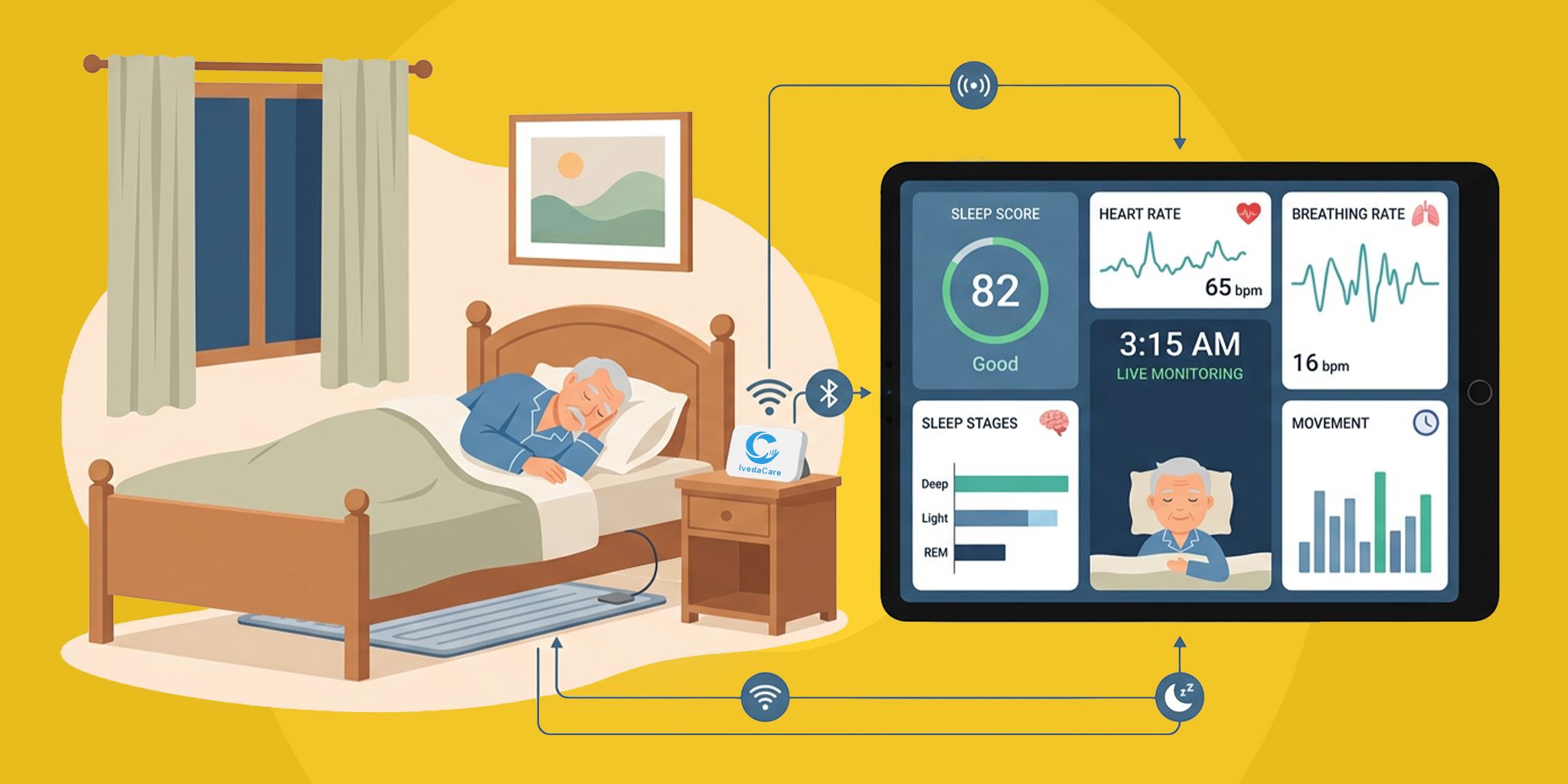
Overnight Health Monitoring
Health insights without cameras or wearables, enabling caregivers to detect issues early and improve resident well-being.
Health insights without cameras or wearables, enabling caregivers to detect issues early and improve resident well-being.
Iveda
Iveda
Hand Hygiene Compliance Monitoring
Detect hand hygiene events and ensure compliance to reduce infections and promote a culture of patient safety.
Detect hand hygiene events and ensure compliance to reduce infections and promote a culture of patient safety.
CenTrak
CenTrak

Related Solutions
Healthcare
Infant Security for Hospitals
Enable immediate alerts, automated security responses, and mother-baby matching to reduce abduction risk.
Vizzia Technologies
Healthcare
Overnight Health Monitoring
Health insights without cameras or wearables, enabling caregivers to detect issues early and improve resident well-being.
Iveda
Healthcare
Hand Hygiene Compliance Monitoring
Detect hand hygiene events and ensure compliance to reduce infections and promote a culture of patient safety.
CenTrak